















The Two Main Types of Cling Film and Why Material Matters
When it comes to cling film, not all wraps are created equal. The two main types are PVC (Polyvinyl Chloride) and PE/LDPE (Polyethylene/Low-Density Polyethylene), and their recyclability differs significantly.
PVC Cling Film: Often Not Recyclable
PVC cling film is the most commonly used for food wrapping, but it’s also the least recyclable. Due to the chemical additives and the way it’s processed, PVC is not accepted in most curbside recycling programs. This means it often ends up in landfills, contributing to plastic waste.
PE/LDPE Cling Film: More Recyclable Options
On the other hand, PE/LDPE cling film is a much more eco-friendly option. It’s recyclable in many areas, especially where soft plastic collection points exist. The key to recycling it successfully is ensuring it is clean and free of food residue.
How to Tell if Your Cling Film Is PVC or PE
Identifying whether your cling film is PVC or PE is simple:
- Symbols: Look for the recycling symbol. PVC typically has a number “3” inside the triangle, while PE/LDPE has a “4”.
- Touch Test: PVC tends to be thicker and more rigid, while PE is thinner and more flexible.
- Branding: Some brands may label their film, or you can check the packaging for material info.
Artfullife® PE Cling Film: A Better Choice
Artfullife® PE cling film stands out as a recyclable option. It’s made from polyethylene, which can be recycled in most areas with proper collection systems in place. By choosing PE over PVC, you’re making a more sustainable choice for both your food storage and the environment.
Is Cling Film Recyclable? Country-by-Country Rules (2025 Update)
Cling Film Recycling in Europe (EU, UK, Germany, France, Italy, Spain, Scandinavia)
In Europe, recycling regulations vary, but there has been significant progress in recent years. The EU has rolled out comprehensive plastic packaging regulations, requiring member states to improve the collection and recycling of plastic films, including cling film. In the UK, recyclable PE cling films are accepted in curbside collection programs, while PVC cling films are typically not. Countries like Germany and France have more advanced systems in place, with stricter rules on separating plastic films at recycling facilities. Italy and Spain have also made strides, but recycling programs for cling film can still be inconsistent depending on the region. In Scandinavian countries, there is a strong push towards recycling all types of soft plastics, with dedicated collection points in many areas.
Cling Film Recycling in the United States and Canada (Store Drop-Off vs Curbside)
In the U.S. and Canada, the ability to recycle cling film is often limited to store drop-off programs. Curbside recycling generally does not accept plastic film, including cling film, due to the challenges they pose at sorting facilities. Major retailers like Walmart and Target offer collection bins for plastic film recycling, where customers can drop off their used cling film, along with other soft plastics. Some regions have started to improve curbside services, but most recycling still requires visiting a store drop-off location.
Cling Film Recycling in Australia and New Zealand
Australia and New Zealand are gradually improving their soft plastic recycling systems. In Australia, programs like REDcycle allow residents to drop off used cling film and other soft plastics at designated locations, which are then recycled into new products. New Zealand is also making progress with initiatives to collect and recycle cling film, although the infrastructure remains limited outside of major cities.
Cling Film Recycling Policies Across Asia (Japan, South Korea, China, India, Singapore)
In Asia, recycling policies for cling film vary greatly by country. Japan and South Korea have robust recycling systems for plastic films, including cling film, where they are sorted and processed efficiently. China, on the other hand, has stricter rules around plastic waste importation, but domestic recycling of cling film remains inconsistent, especially in rural areas. India faces significant challenges in recycling plastic film due to a lack of infrastructure, though cities like Delhi have some recycling initiatives in place. Singapore has made strides, offering efficient soft plastic recycling programs for cling film and other plastic waste.
Cling Film Recycling in Latin America (Brazil, Mexico, Argentina)
In Latin America, recycling policies are less developed compared to other regions. Brazil has made strides in improving plastic waste management, including soft plastics like cling film, although widespread collection points are not yet available. Mexico has local initiatives for plastic recycling, but cling film is typically not collected curbside. Argentina’s recycling system is still evolving, with limited infrastructure for plastic film recycling.
Cling Film Recycling Highlights in the Middle East and Africa
In the Middle East and Africa, recycling rates for cling film remain low, with most countries lacking dedicated collection and processing facilities for plastic films. Some countries, like the UAE, are working on improving waste management and recycling systems, but soft plastic recycling, including cling film, is still in its early stages. Similarly, in Africa, the challenges are heightened due to a lack of infrastructure and awareness around the need for recycling plastic films.
Why Most Cling Film Still Ends Up in Landfill
Even in 2025, most cling film (plastic wrap) still goes straight to landfill or incineration. The problem isn’t just the material—it’s how we use it, how it’s collected, and what recycling systems can actually handle.
How Food Contamination Blocks Cling Film Recycling
Cling film does its job well: it sticks to food. That’s exactly why it’s hard to recycle.
Most recyclers reject cling film when it’s:
- Greasy or oily (cheese, meat, pizza, sauces)
- Covered in food residue (crumbs, sauces, dairy)
- Mixed with other materials (labels, paper, foil, or cardboard)
Here’s what happens in real life:
- Recycling facilities are not designed to wash soft film
Heavy contamination can clog equipment, ruin water quality, and contaminate whole bales of plastic. - One dirty batch can downgrade an entire load
If cling film with food gets mixed into “clean” plastic film, recyclers may trash the whole batch instead of processing it. - Most local programs use a “when in doubt, throw it out” rule
City and county recycling programs in the U.S. often tell residents to keep cling film out of household recycling because it’s nearly impossible to guarantee it’s clean.
If cling film has touched raw meat, dairy, or greasy food, it’s almost always considered trash, not a recyclable material.
Limits of Thin-Film Recycling at MRFs
Most household recycling is sorted at a materials recovery facility (MRF). These plants are built to handle rigid items like bottles, cans, and cardboard—not flimsy wrap.
Thin films like cling wrap cause all kinds of problems:
- They tangle in sorting equipment
Soft plastics wrap around conveyor belts, screens, and gears, forcing shutdowns and expensive maintenance. - They’re hard to detect and separate
Optical sorters and screens are tuned to see rigid packaging, not a transparent sheet of film. - They lower the value of sorted plastics
When cling film sneaks into PET or HDPE bales, it reduces quality and makes the whole bale harder to sell.
Because of these issues, most MRFs in the U.S. and globally explicitly ban cling film and soft wrap from curbside recycling. That’s why you usually see “No plastic bags or plastic film” on local recycling guides.
Gaps in Plastic Film Collection and Recycling Infrastructure
Even where PE cling film is technically recyclable, the infrastructure isn’t keeping up.
Key gaps worldwide:
- Limited collection points
In many regions, only a small percentage of supermarkets or retailers offer soft plastics or plastic film drop-off. If it’s not convenient, people default to the trash. - Inconsistent rules by city and country
Some areas accept plastic film at store drop-offs; others don’t. Consumers get mixed messages like “plastic bags only” or “no food-contact film.” Confusion = contamination = landfill. - Not enough end markets
Recyclers need stable buyers for recycled film (like for trash bags, decking, or composite lumber). When markets are weak, film is more likely to be burned or landfilled than recycled. - Underdeveloped infrastructure outside major cities
Rural areas and many developing markets lack specialized film processors, so even collected film can end up stockpiled or discarded.
This mismatch between what’s technically recyclable and what’s practically recyclable is why we design our own PE cling films to be:
- Compatible with existing soft plastic / store-drop-off streams where available
- Easier to handle as part of broader eco food storage systems, like pairing wrap with reusable options such as silicone food storage solutions
Until collection systems, MRF technology, and end markets improve, most cling film—especially contaminated or PVC-based wrap—will continue to end up in landfill.
Truly Sustainable Alternatives to Traditional Cling Film
When it comes to sustainable alternatives to traditional cling film, several eco-friendly options are gaining traction, offering more responsible ways to store food while reducing environmental impact.
Beeswax and Plant-Based Wax Wraps
Beeswax wraps and plant-based wax wraps have become popular, especially for those looking for a natural, reusable alternative. These wraps are made from cotton infused with beeswax, resin, and jojoba oil, creating a flexible and breathable option for wrapping food. Plant-based wraps made from sustainable materials like soy or candelilla wax are vegan alternatives. Both types can be used multiple times before needing replacement, making them a great zero-waste option for eco-conscious consumers.
Reusable Silicone Lids and Stretch Covers
Reusable silicone lids and stretch covers are another excellent alternative. They create a tight seal over bowls, plates, and even fruits and vegetables, keeping food fresh without the need for single-use plastic. Silicone is durable, easy to clean, and can be used for both hot and cold food, offering a versatile, long-lasting storage solution.
Compostable Cling Films
Compostable cling films are designed to break down in composting conditions, reducing the impact on landfills. However, not all compostable films are the same, and the certifications they carry matter. Look for certified products, like those labeled with ASTM D6400 or EN 13432, which ensure the film is truly biodegradable and compostable in industrial or home composting systems. Without these certifications, some films may still leave behind microplastics.
PE Cling Film: An Eco-Friendly Middle Ground
PE (Polyethylene) cling film provides a balanced, recyclable solution for those needing traditional plastic wrap. PE film is commonly accepted in curbside recycling programs and can be recycled with other soft plastics, unlike PVC-based wraps. It’s also food-safe and less harmful to the environment when recycled properly, making it a more practical choice for eco-conscious households and businesses.
Artfullife® Eco-Line Biodegradable and Recyclable Cling Film
For businesses and households seeking a truly sustainable option, Artfullife® Eco-Line offers biodegradable and recyclable cling films. These eco-friendly wraps combine the convenience of traditional plastic with the added benefits of environmental responsibility. They break down faster than conventional plastics and can be disposed of in recycling programs, helping reduce landfill waste while providing the same food storage benefits.
By switching to these alternatives, you can reduce reliance on single-use plastics and contribute to a more sustainable future.
How to Recycle Cling Film Properly Wherever You Are
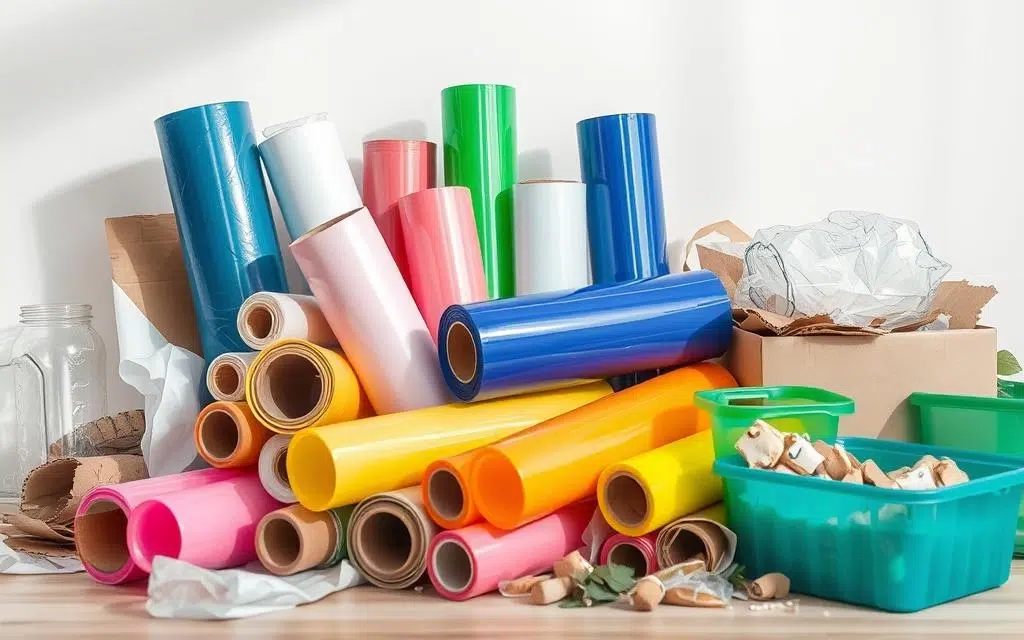
Recycling cling film effectively starts with knowing how clean it needs to be. For most programs, cling film should be free of food residue to be accepted. A quick way to check if it’s clean enough is the “scrunch test.” Simply scrunch the cling film in your hand. If it stays scrunched, it’s likely too contaminated and should be disposed of in general waste. If it bounces back, it’s clean enough for recycling.
Using Supermarket and Retail Store Drop-Off Points for Plastic Film
One of the most convenient ways to recycle cling film is through supermarket drop-off points for plastic film. Many major grocery stores have collection bins for soft plastics like cling film, bags, and wraps. Make sure to check the signage to ensure they accept these types of plastics, as not all locations do. Some stores, like those participating in the “plastic film collection programs,” provide a simple and accessible way to recycle, especially for busy households.
Using TerraCycle and Other Specialist Recycling Programs
If your local recycling facilities don’t accept cling film, you can turn to specialized services like TerraCycle. TerraCycle offers programs that handle hard-to-recycle materials, including cling film. By signing up for these programs, you can send your used cling film to them for proper recycling, reducing waste and promoting a circular economy. Check out TerraCycle’s recycling initiatives for more details on how to participate.
Common Mistakes and What Not to Do with Cling Film Recycling
When recycling cling film, it’s important to avoid common mistakes. Here are a few things to keep in mind:
- Don’t include food-contaminated cling film – Even a small amount of grease or food residue can make cling film non-recyclable.
- Avoid mixing it with other types of plastics – Cling film should be recycled separately from other plastics like hard bottles or containers to prevent contamination.
- Don’t assume curbside pickup will take it – Most curbside recycling programs do not accept plastic wraps or films. Always check the rules of your local program before placing cling film in the recycling bin.
By following these simple steps, you can make sure your cling film is disposed of properly, helping reduce plastic waste in landfills and contributing to a cleaner environment.
Frequently Asked Questions About Cling Film Recycling
Is PE cling film recyclable at home?
PE (Polyethylene) cling film can be recyclable at home if you follow specific guidelines. Many local recycling programs allow PE films, but it’s essential to check if your area accepts it. Often, PE cling film needs to be cleaned before recycling to avoid contamination. Some areas have curbside pickup for soft plastics, while others require drop-off at designated points.
Can I put cling film in my normal household recycling bin?
Typically, cling film should not go in your normal household recycling bin unless specified. Most curbside recycling programs do not accept plastic wraps like cling film. Check your local recycling guidelines to see if they accept soft plastics or if you need to drop it off at a special collection point.
Is PVC cling film being phased out globally?
PVC cling film is being phased out in some regions due to environmental concerns. Many countries, especially in Europe, have introduced policies to reduce the use of PVC-based products. This shift is driven by the difficulty of recycling PVC and its negative environmental impact. However, PVC cling film is still widely used in some markets.
Which supermarkets accept cling film and soft plastics for recycling?
Several supermarkets, including major chains like Walmart and Whole Foods, now offer collection points for soft plastics like cling film. These points allow you to drop off used plastic wraps, which are then sent to recycling facilities. It’s always a good idea to check with your local stores for their specific recycling programs.
Do biodegradable cling films actually work in real life?
Biodegradable cling films do work to some extent, but they often require specific conditions to break down effectively, such as industrial composting facilities. If they end up in landfill or in regular waste, they may not decompose as advertised. It’s crucial to verify certifications before choosing biodegradable options.
Is cling film bad for the environment overall?
Yes, traditional cling film, especially PVC and non-recyclable plastics, has a significant environmental impact. It contributes to landfill waste and plastic pollution, as it’s often not recycled properly. While PE cling film is more recyclable, contamination from food waste still poses a challenge.
How is Artfullife® cling film different from regular plastic wrap?
Artfullife® cling film stands out as an eco-friendly alternative, made from recyclable PE material, which makes it a better choice for sustainability. Unlike regular PVC cling film, Artfullife® is designed to be both biodegradable and recyclable, reducing its environmental footprint. It’s also food-safe and meets stringent standards for quality and safety, offering a more responsible option for consumers.