










Can You Put Plastic Wrap in the Microwave? Your Guide to Safe and Sustainable Choices
Wondering if plastic wrap is safe to use in the microwave? You’re not alone. Many of us rely on plastic wrap to cover leftovers, but questions about health risks and environmental impact can leave you second-guessing. As advocates for eco-conscious living, Ecoartfullife is here to guide you through the facts with practical tips and greener alternatives.
In this post, we’ll uncover the truth about microwaving plastic wrap, share expert-backed safety guidelines, and introduce eco-friendly alternatives to transform your kitchen habits. Ready to make informed, sustainable choices? Let’s dive in!
Is Plastic Wrap Safe to Use in the Microwave
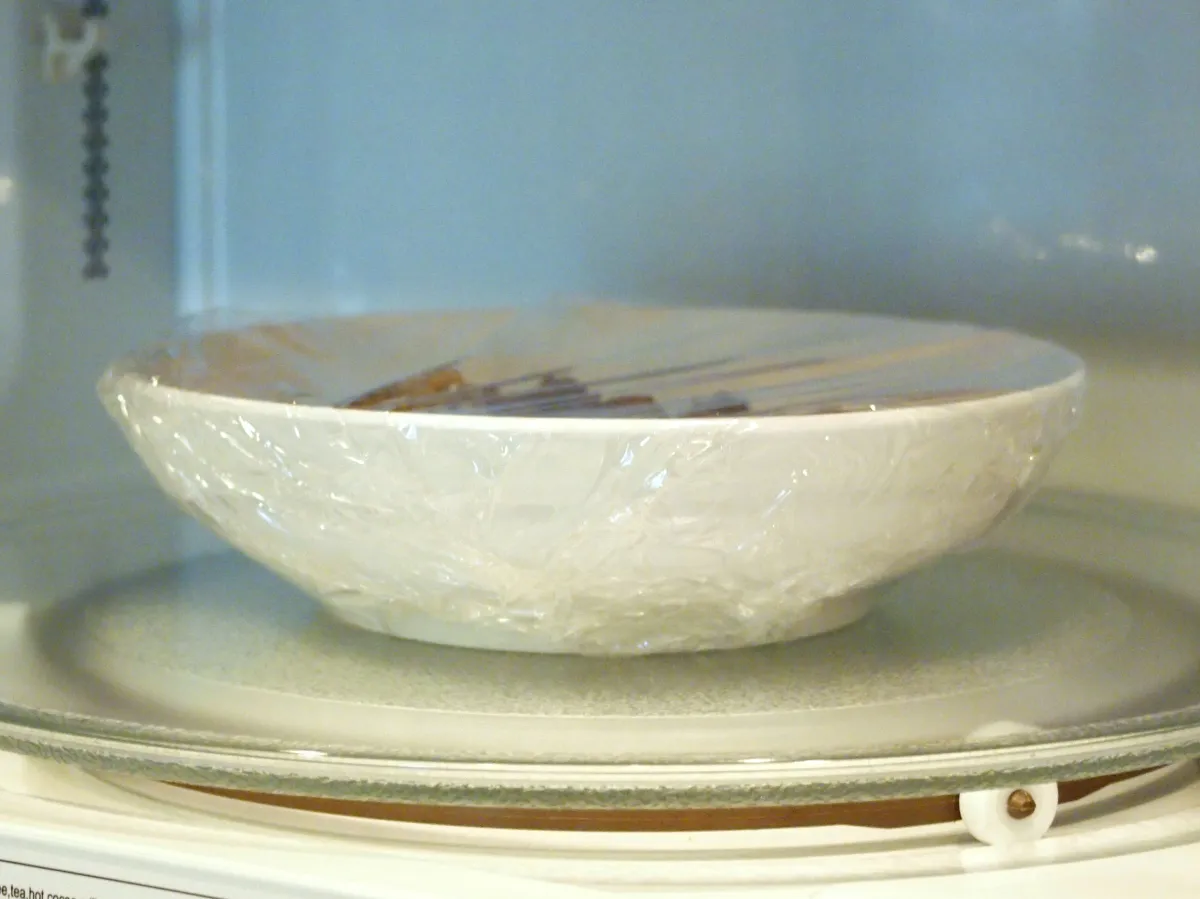
Plastic wrap is a common kitchen essential in many UK homes for storing food. But when it comes to using plastic wrap in the microwave, many wonder if it’s safe. Plastic wrap is a thin, flexible film designed to cling tightly to containers, keeping food fresh. However, not all plastic wraps are created equal, especially when exposed to microwave heat.
The main safety concern is whether chemicals from the plastic can leach into food when heated. Some plastics may release harmful substances when microwaved, which can affect health. That’s why it’s crucial to use plastic wrap that is specifically labelled as microwave-safe.
Regulatory bodies like the UK’s Food Standards Agency (FSA) and experts advise choosing plastic wraps marked microwave-safe to avoid risks. These wraps have been tested to ensure they don’t melt or release toxins at microwave temperatures. Always follow the manufacturer’s instructions on how to use plastic wrap in the microwave properly, such as leaving a gap for steam to escape.
In , plastic wrap can be used safely in the microwave if it is microwave-safe and used correctly, but caution is essential to avoid health risks.
How to Safely Use Plastic Wrap in the Microwave

Check for Microwave-Safe Labels
Before you pop any plastic wrap in the microwave, always look for the microwave-safe label on the packaging. Not all plastic wraps are created equal. Using one that’s not designed for microwave use can cause it to melt or release harmful chemicals into your food. If the wrap doesn’t clearly say it’s microwave safe, it’s best to avoid using it in the microwave altogether.
Best Practices
To keep things safe and simple when microwaving with plastic wrap, follow these tips:
- Leave a gap: Don’t seal the wrap tightly over the container. Leave a little space or poke a few holes in the plastic to let steam escape.
- Avoid direct contact: Try not to let the plastic wrap touch the actual food. Use a microwave-safe plate or bowl and cover it loosely.
- Short cooking times: Only microwave for short bursts and check your food often to reduce the risk of overheating the wrap.
- Use BPA-free plastic wrap: If you do choose to use plastic wrap, pick ones that are free from the chemical BPA for an extra layer of safety.
Warnings
Be cautious with plastic wrap in the microwave because if heated too much, it can melt or leach chemicals into your food. Avoid using plastic wrap if you’re cooking fatty or sugary foods, as these can get hotter and increase the chances of harmful leaching. Always monitor the microwave while it’s running and discard any plastic wrap that looks damaged or warped.
Risks of Microwaving Plastic Wrap
Health Risks
When plastic wrap is microwaved, there is a chance that harmful chemicals can leach into your food, especially if the wrap isn’t labelled microwave-safe. Chemicals like phthalates and BPA, often found in some plastic wraps, are linked to health issues such as hormone disruption and other long-term effects. Overheating plastic can also cause it to melt or warp, increasing the risk of contamination. It’s important to use plastic wraps that are specifically designed for microwave use to avoid these risks.
Environmental Impact
Plastic wrap contributes significantly to plastic waste, as it’s usually single-use and not recyclable through most local schemes in the UK. Microwaving plastic can release microplastics and toxic fumes, which add to environmental pollution. The production and disposal of plastic wraps also have a carbon footprint that affects the planet, making them a less sustainable option in kitchens focused on greener living.
Consumer Sentiment
Many people today are concerned about the safety and environmental consequences of using plastic wrap in the microwave. Increasing awareness about chemical exposure and plastic pollution has led to a growing demand for safer, eco-friendly alternatives. This shift influences buying habits, with more UK households opting for BPA-free products and sustainable solutions like silicone lids or beeswax wraps. The general sentiment is moving away from traditional plastic wrap due to these health and environmental worries.
Eco-Friendly Alternatives to Plastic Wrap
Why Go Plastic-Free
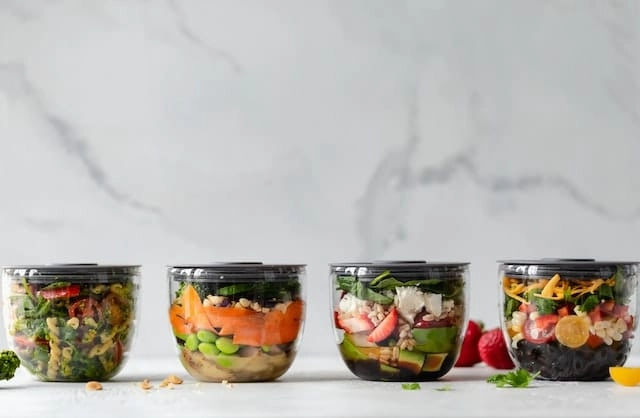
Switching to plastic-free options isn’t just about cutting down waste – it’s also about reducing exposure to chemicals that can leach into your food when you microwave plastic wrap. Many in the UK are becoming more aware of health risks linked to regular plastic use, plus the environmental impact plastic has on landfills and oceans. Choosing sustainable alternatives helps protect both your family’s health and the planet.
Alternatives
Here are some popular eco-friendly substitutes to plastic wrap that work well for microwaving and general food storage:
- Beeswax Wraps: These are breathable, reusable, and compostable. While you should avoid wrapping hot food directly, they’re great for covering bowls before microwaving.
- Silicone Food Covers: Flexible and durable, silicone lids are microwave-safe and easy to clean.
- Glass or Ceramic Containers with Lids: These are perfect for microwaving and keep food fresh without the worry of chemicals.
- Microwave-Safe Paper Covers: Unbleached parchment paper or specially designed microwave covers help prevent splatters without plastic.
- Cotton Cloth Covers: Reusable and natural, these work well for covering dishes long enough for reheating.
How to Transition
Moving away from plastic wrap can be simple with a few small changes:
- Start by replacing plastic wrap with beeswax wraps or silicone lids for your most common uses.
- Always choose containers labelled microwave-safe instead of wrapping food in plastic.
- Keep some eco-friendly covers handy for reheating leftovers.
- Gradually phase out single-use plastic wrap and replace it with reusable or compostable options.
- Look for products from UK brands committed to sustainability for added peace of mind.
By making these swaps, you support a safer, greener kitchen and reduce your plastic footprint over time.
Ecoartfullife’s Commitment to Safe and Sustainable Kitchens
At Ecoartfullife, we’re dedicated to helping you create a kitchen that’s both safe for your family and kind to the planet. Our mission is simple: provide sustainable kitchen solutions that don’t compromise on quality or safety. We know how important it is to use products that you can trust, especially when it comes to food storage and microwave use.
Brand Mission
We focus on offering eco-friendly alternatives to traditional plastic wrap, designed with your health and the environment in mind. From BPA-free materials to compostable wraps, every product is carefully selected to reduce chemical risks and plastic waste. Our goal is to inspire a shift towards greener kitchens across the UK, making it easy for you to make safer choices without sacrificing convenience.
Product Spotlight
Take a look at our range of microwave-safe plastic wraps and innovative beeswax wraps – perfect for heating food without harmful chemicals leaching into your meals. Our products are tested to meet strict safety standards, ensuring they work well in microwaves while supporting sustainability. For detailed insights into plastic wrap safety and microwave use, visit our article on Heating Plastic Wrap.
Call to Action
Ready to switch to safer, sustainable kitchen products? Explore our collection today and join thousands of UK households making a positive change. Whether you’re reducing plastic waste or protecting your health, Ecoartfullife is here to support your journey to a cleaner, greener kitchen. Visit our website now to find the best plastic wrap alternatives and stay updated on the latest eco-friendly kitchen trends.
FAQs
Is all plastic wrap microwave-safe
No, not all plastic wrap is suitable for the microwave. Always check the packaging for a microwave-safe label. Some plastics can melt or release harmful chemicals when heated, so it’s important to use wraps specifically made for microwave use.
What chemicals should I avoid in plastic wrap
Avoid plastic wraps containing PVC and plasticisers like phthalates or BPA, as these can leach into food when microwaved. Look for wraps labelled BPA-free and free from harmful additives to reduce health risks.
Can I reuse plastic wrap after microwaving
It’s best not to reuse plastic wrap after heating. The heat can degrade the plastic and increase the chance of chemicals leaching. For safety and hygiene, use a fresh piece each time you microwave food.
What are the best eco-friendly alternatives for microwaving
Eco-friendly microwave covers include silicone lids, glass microwave-safe containers, and beeswax wraps designed for short heating times. These options reduce plastic use and are generally safer for repeated use.
How does Ecoartfullife ensure its products are safe and sustainable
Ecoartfullife carefully sources materials that are non-toxic, BPA-free, and microwave-safe where applicable. Their products are designed to reduce plastic waste, support sustainable kitchens, and meet UK safety standards, giving you peace of mind while cooking.