
















Are you wondering, “Can you put Saran Wrap in the oven?” You’re not alone! Whether you’re prepping a holiday roast or trying a chef’s trick you saw online, the safety of using plastic wrap in oven cooking can feel like a kitchen mystery. As advocates for eco-friendly cooking at Ecoartfullife, we’ve dug into the research, chef insights, and safety guidelines to give you a clear answer.
In this guide, you’ll uncover the truth about Saran Wrap safety, the risks of chemical leaching, and smarter, sustainable cooking alternatives like oven bags and reusable silicone covers. Let’s dive in and settle this question once and for all!
Is It Safe to Use Saran Wrap in the Oven
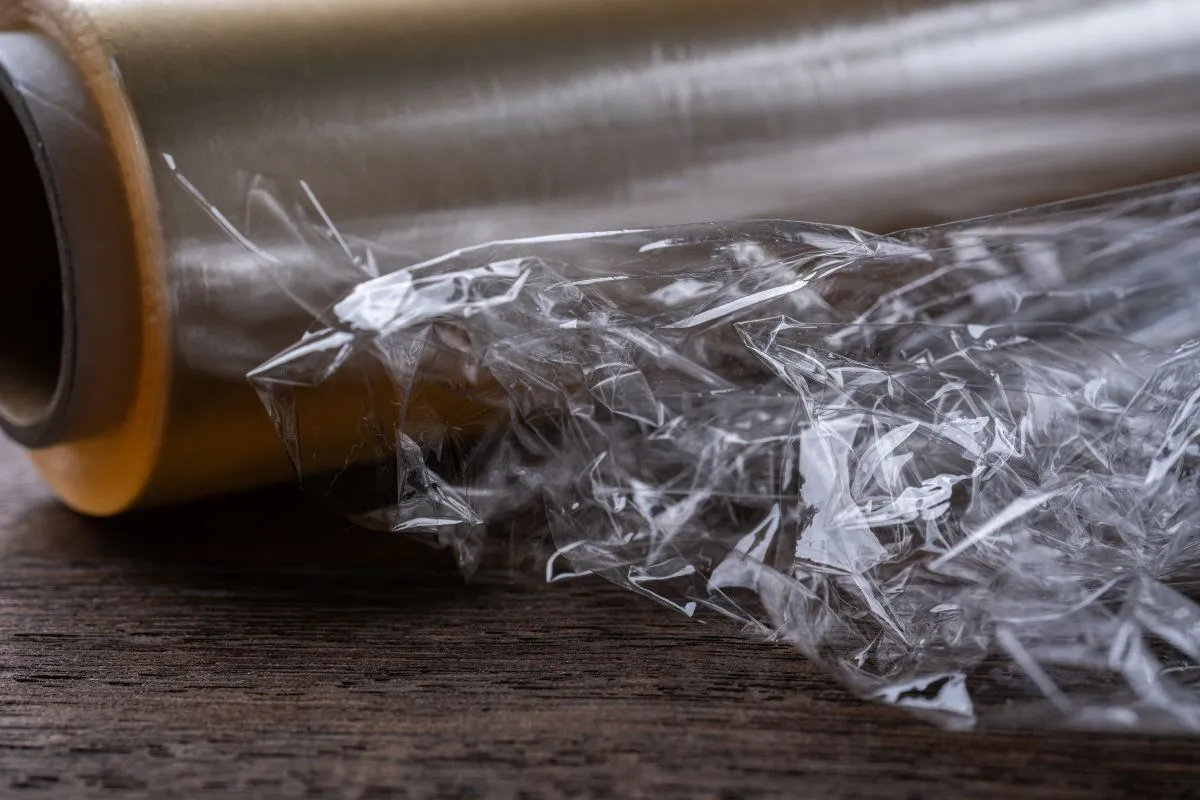
When it comes to using Saran Wrap in the oven, safety is the first question. Most manufacturers clearly state that regular household plastic wrap isn’t designed for oven use. Saran Wrap has a melting point around 220°F (104°C), but typical oven cooking often exceeds that temperature, causing the wrap to melt or even catch fire.
In professional kitchens, commercial-grade cling film made specifically for cooking can handle higher heat safely, but this is very different from the plastic wrap we use at home. Using regular plastic wrap in the oven risks chemical leaching into your food, which can affect taste and health.
There’s also an environmental side to consider. Melting plastic releases harmful fumes and adds to pollution, so even if it were safe temperature-wise, it’s not the most eco-friendly choice.
Overall, following manufacturer guidelines and understanding the melting point and risks will help you keep your cooking safe and sustainable.
How to Use Plastic Wrap in the Oven If You Must
Safety Conditions
If you really need to use plastic wrap in the oven, follow these safety tips to reduce risks:
- Use only oven-safe plastic wrap labeled for cooking or baking. Most regular Saran Wrap is not designed for oven use.
- Keep the oven temperature low—preferably below 300°F. High heat can cause the plastic to melt or release harmful chemicals.
- Avoid direct contact between the plastic wrap and heating elements or hot surfaces.
- Use it only for short cooking times or to cover food temporarily inside a pan, never for baking uncovered dishes.
Step-by-Step Guide
- Preheat the oven to a low temperature, ideally under 300°F.
- Place food in an oven-safe dish with enough liquid or moisture to prevent drying out.
- Lightly cover the dish with a sheet of oven-safe plastic wrap, making sure the wrap doesn’t touch the food directly.
- Leave a small gap or vent to allow steam to escape and avoid pressure build-up.
- Bake for short periods and check frequently to ensure the plastic doesn’t melt or warp.
- Remove the plastic wrap before serving or when reaching higher oven temperatures.
Caveats
- Regular household plastic wraps, including most Saran Wrap brands, generally are not tested for oven use and can melt or leach chemicals under heat.
- If you see any signs of melting or your food smells off, stop using the plastic immediately.
- Using plastic wrap in the oven always carries a risk, even at low temperatures—so only do this if you have no safer alternative.
- Remember, alternatives like oven bags or parchment paper are much safer and eco-friendly for covering food in the oven.
Risks and Concerns of Using Saran Wrap in the Oven
Chemical Leaching
One of the biggest risks of putting Saran Wrap in the oven is chemical leaching. When heated above its safe temperature, plastic wrap can release harmful chemicals into your food. These chemicals, such as phthalates or plasticizers, aren’t great for your health and might contaminate your meal, especially if the wrap melts or touches the food directly.
Food Safety
Using plastic wrap in the oven can also compromise food safety. If the wrap melts or breaks down, it may stick to your food or release fumes. This could affect not just the taste, but also make the food unsafe to eat. It’s important to remember that most household plastic wraps including Saran Wrap aren’t designed to handle high oven heat.
Common Mistakes
A few common mistakes increase the risk when using plastic wrap in cooking:
- Assuming all plastic wraps are oven-safe – they’re not.
- Covering dishes tightly with plastic wrap when baking or roasting.
- Letting plastic wrap touch food directly where the heat is strongest.
- Using plastic wrap at temperatures over 212°F (100°C), which can cause melting.
For safer practices, it’s better to use alternatives like oven bags or parchment paper designed for heat, or to look into commercial-grade plastic wraps certified for cooking. You can learn more about food-grade plastic wraps and their safety guidelines here.
Eco-Friendly Alternatives to Saran Wrap in the Oven
If you want to avoid the risks of using Saran Wrap in the oven, there are plenty of safer and eco-friendly options that work just as well.
Oven Bags
Oven bags are designed specifically to handle high heat. They’re great for roasting meat or vegetables and keep moisture locked in without the risk of melting or chemical leaching. Plus, most oven bags are made from food-safe materials and break down more easily than traditional plastic wraps.
Parchment Paper
Parchment paper is another excellent choice. It’s heat-resistant up to around 420°F and works perfectly for baking or covering dishes to prevent them from drying out. Parchment paper is biodegradable and can be composted, making it a sustainable swap for plastic wrap.
Reusable Silicone Covers
Silicone lids and covers are flexible, oven-safe, and reusable. They create a tight seal over bowls or pans and can handle moderate oven temperatures without melting or releasing chemicals. Silicone is durable, easy to clean, and a fantastic eco-friendly option to reduce disposable plastic use.
Aluminum Foil Alone
Aluminum foil can be used alone to cover dishes in the oven, helping retain heat and moisture. It’s heat-resistant and won’t melt like plastic wrap, but be cautious with acidic foods, as foil can react with them. Aluminum is recyclable, though using it sparingly is best for the environment.
For more on safe plastic wrap options and eco-friendly kitchen hacks, check out this article on heating plastic wrap and explore eco-friendly kitchen wrap hacks.
When to Avoid Plastic Wrap Entirely
High-Temperature Cooking
Plastic wrap, including Saran Wrap, is not designed for high-heat environments like ovens set above 200°F (93°C). At these temperatures, the plastic can melt, warp, or even catch fire, which poses serious safety risks. Using plastic wrap in such conditions can lead to chemical leaching into your food, compromising flavor and safety. It’s best to skip plastic wrap altogether for broiling, roasting, or any cooking that requires intense heat.
Acidic Foods
Avoid using plastic wrap with acidic foods—think tomatoes, citrus, or vinegar-based dishes—especially when heat is involved. Acid can react with the chemicals in plastic wrap, increasing the chance of harmful compounds leaching into your food. This risk makes plastic wrap a poor choice for marinating or cooking acidic meals in the oven.
Ecoartfullife’s Stance
At Ecoartfullife, we recommend steering clear of using plastic wrap, including Saran Wrap, in any situation involving high heat or acidic ingredients. Instead, we encourage sustainable and safer alternatives for oven cooking. This approach protects your health while supporting eco-friendly kitchen habits. For more on safe plastic wrap use and alternatives, check our insights on heating plastic wrap and eco-friendly kitchen wrap hacks.
FAQs About Saran Wrap in the Oven
Can Saran Wrap go in the microwave
Saran Wrap is generally microwave-safe, but only if it doesn’t touch the food. The plastic can melt or release chemicals if heated too long or directly on hot food. Always check the package instructions and leave a small vent for steam to escape.
Difference between household and commercial-grade plastic wrap
Household plastic wrap, like typical Saran Wrap, usually has a lower melting point and isn’t designed for high heat. Commercial-grade cling film is thicker and made to withstand higher temperatures, sometimes used in restaurants. But even commercial wraps have limits—usually not safe for conventional ovens.
Is it worth the risk to use plastic wrap in the oven
In most cases, no. The risk of melting, chemical leaching, and food contamination outweighs any convenience. There are safer options like oven bags or parchment paper that serve the same purpose without risks.
How does Ecoartfullife support eco-friendly cooking
Ecoartfullife promotes sustainable cooking by encouraging the use of eco-friendly alternatives like reusable silicone covers, oven bags made from safer materials, and recyclable parchment paper. They aim to reduce plastic waste and support safer cooking practices that protect both your health and the environment.