













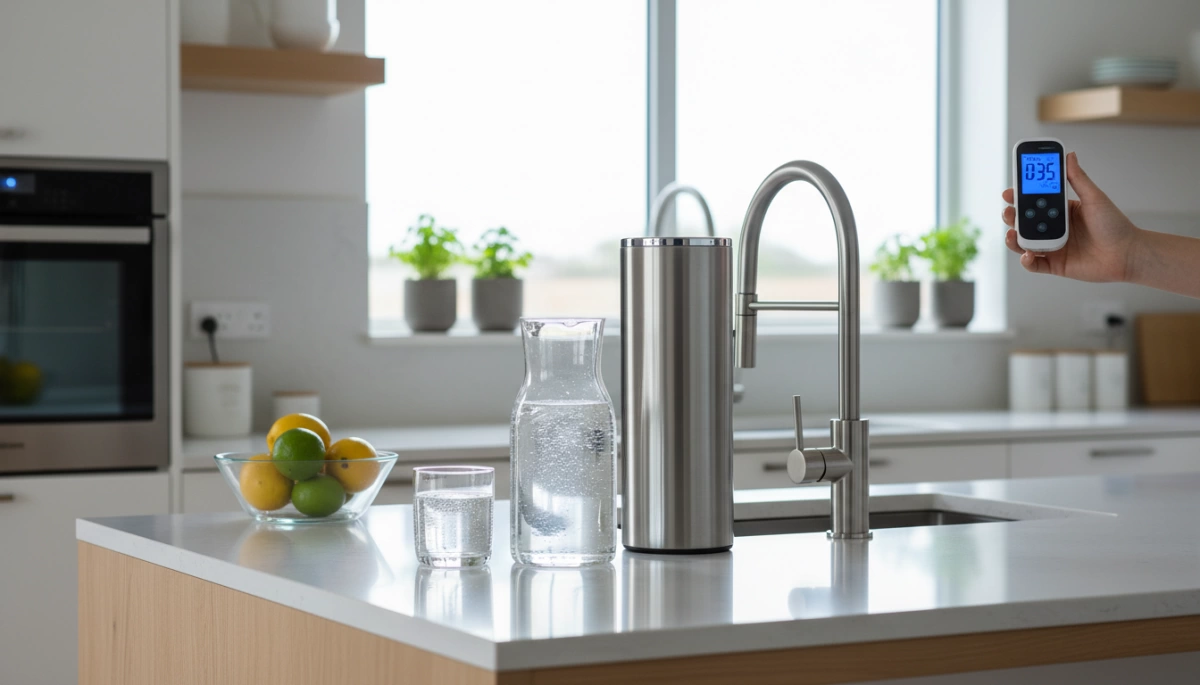
Kitchen water quality affects more than drinking water alone. The same water used at the sink is also used for coffee, tea, ice, soups, produce rinsing, and recipe mixing, so even small issues with taste, odor, sediment, or hardness can quickly affect flavor, consistency, and appliance maintenance.
A practical starting point is to review your local water report, identify the specific issue you want to solve, and match that need with the right filtration, storage, and cleaning routine. For buyers comparing kitchen products, water quality should be evaluated alongside food-contact material safety, ease of cleaning, and ongoing maintenance requirements.
Frequently Asked Questions
Why does water quality matter in the modern kitchen?
Water quality affects taste, food safety, appliance performance, and the overall quality of drinks and meals prepared at home.
How can packaging influence kitchen water quality?
Bottled and boxed water can pick up flavor changes from packaging, while reusable containers and well-maintained filtration systems can help preserve freshness and reduce contamination risks.
What are common signs of poor water quality during food preparation?
Unusual odors, cloudy appearance, mineral buildup, and off-tastes in coffee, tea, soups, or ice can all signal water quality issues.
What is the best way to improve water quality for cooking and drinking?
Use a certified water filter suited to your local water concerns, replace cartridges on schedule, and periodically test your tap water for contaminants and hardness.
Does water quality affect kitchen appliances?
Yes, hard water and sediment can reduce the efficiency and lifespan of kettles, coffee makers, dishwashers, and refrigerators with water dispensers or ice makers.
Practical Buyer Checks Before Choosing a Kitchen Water Solution
- Check local water conditions first: Review your municipal water report or recent test results before choosing a filter, storage option, or water-related kitchen product.
- Match the solution to the problem: Taste and odor, sediment, and hardness are different issues. A filter or product should be selected for the specific concern you need to address.
- Verify food-contact suitability: For reusable containers, drinkware, and prep tools, look for clear material details and visible food-contact compliance information.
- Review cleaning requirements: Products that are difficult to clean can reduce freshness over time, even when the water source itself is acceptable.
- Account for appliance impact: Kettles, coffee makers, dishwashers, and ice makers may need descaling or cartridge replacement even when the water is safe to drink.
Risk note: Packaging and storage can influence freshness and taste perception, but they do not replace proper water treatment. Also, water that is potable can still create limescale and maintenance issues when mineral content is high.
Verification tip: If a filter or water-related product makes a contaminant-reduction claim, buyers should confirm that the claim applies to the exact model and is supported by visible certification or test documentation.
Common Kitchen Water Quality Issues and What to Check
| Water quality issue | What you may notice | Main kitchen impact | Practical check |
|---|---|---|---|
| Off-taste or odor | Strange flavor in drinking water, tea, or coffee | Lower beverage quality and reduced confidence in tap water use | Review local water reports and choose a filter designed for taste and odor concerns |
| Cloudiness or sediment | Visible particles or hazy appearance | Residue in kettles, ice, or cooking water | Inspect faucet aerators, filter condition, and recent plumbing or supply changes |
| Hard water | White scale on kettles, faucets, or coffee equipment | Lower appliance efficiency and more frequent cleaning | Check local hardness data or use test strips; plan descaling as part of maintenance |
| Poor storage hygiene | Stale taste after storage or repeated reuse | Reduced freshness and avoidable contamination risk | Use food-contact-safe containers and follow cleaning instructions consistently |
| Overdue filter replacement | Water quality seems to decline over time | Weaker filtration performance and less predictable results | Track cartridge replacement dates and follow the manufacturer’s schedule |
Frequently Asked Questions
Why does kitchen water quality matter?
It affects taste, food preparation consistency, appliance maintenance, and overall confidence in the water used for drinks and meals.
Can unusual taste or odor mean the water is unsafe?
Not always. Taste or odor changes do not automatically confirm a safety issue, but they are a good reason to check your local water report, recent plumbing changes, and filter condition, and to test the water if needed.
How do I choose the right improvement for kitchen water quality?
Start with the specific issue you want to solve. Taste and odor, sediment, and hardness often need different solutions, so review local water data before choosing a filter or maintenance routine.
Do reusable containers and kitchen tools affect water quality?
They can affect freshness, taste perception, and hygiene if they are not food-contact-safe or are difficult to clean properly. Material clarity and realistic care instructions are important buyer checks.
External Proof and Source Ideas
Evaluating Kitchen Products for Water-Related Use?
If you are sourcing reusable containers, drinkware, or prep accessories for retail, hospitality, gifting, or private label, ask suppliers for the details that matter before you inquire further: material specifications, food-contact compliance information, cleaning guidance, and recommended use conditions.
For products used alongside filtration or appliances, it is also worth confirming maintenance expectations, replacement intervals where relevant, MOQ, and customization options so buyers can compare solutions more efficiently.
Key Takeaways
- Kitchen water quality affects taste, food prep consistency, appliance maintenance, and user confidence.
- Taste and odor, sediment, and hardness are different problems and may require different solutions.
- Local water reports and recent test results should guide filter or storage decisions.
- Food-contact-safe, easy-to-clean containers and tools help preserve freshness and reduce avoidable hygiene risks.