












Are you wondering what temperature plastic wrap melts at during cooking? Choosing the right food wrap can make or break your meal prep, especially when heat is involved. As a home cook, I’ve faced the same question: Is plastic wrap safe in the oven or microwave? With years of kitchen experience and a passion for eco-friendly solutions, I’m here to share clear, practical answers that go beyond the basics. In this guide, you’ll discover the melting point of plastic wrap, safe cooking tips, and why Ecoartfullife’s biodegradable wraps are a game-changer for your kitchen. Let’s get cooking!
What Is Plastic Wrap Made Of
Plastic wrap is typically made from a few common materials, each with different properties that affect how they handle heat. The most widely used types are Polyvinyl Chloride (PVC), Low-Density Polyethylene (LDPE), and Polyvinylidene Chloride (PVdC).
- Polyvinyl Chloride (PVC): This is one of the most common materials for plastic wrap. It’s flexible and clings well but has a wide melting range. PVC can start to soften or degrade at lower temperatures, which means it may release chemicals if overheated.
- Low-Density Polyethylene (LDPE): Known for being more heat resistant than PVC, LDPE melts at around 221°F (105°C). It is a softer plastic commonly used in wraps designed for low to moderate heat exposure.
- Polyvinylidene Chloride (PVdC): Found in some commercial-grade wraps like Saran Wrap, PVdC offers strong cling and barrier properties. It tends to have better resistance to heat and moisture compared to PVC and LDPE.
These differences matter because the type of plastic affects the wrap’s melting point and safety during heating. Knowing the material helps you understand when it’s safe to use plastic wrap and avoid chemical leaching or melting, especially in cooking applications.
At What Temperature Does Plastic Wrap Melt
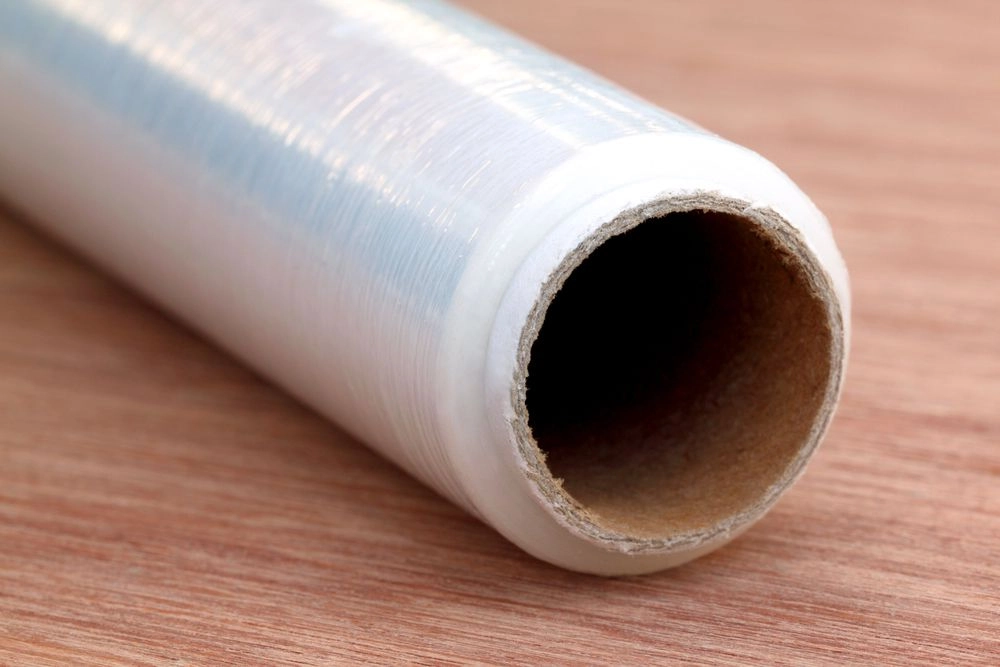
Most household plastic wraps, like Saran Wrap or Glad Cling Wrap, generally start melting between 220–250°F (104–121°C). However, this can vary depending on the material used.
- Low-Density Polyethylene (LDPE) wraps melt around 221°F (105°C).
- Polyvinyl Chloride (PVC) has a wider range, melting anywhere from 212°F up to 500°F (100–260°C), but it often starts breaking down chemically at lower temperatures, which means it can degrade before actually melting.
- Some commercial-grade plastic wraps are made to handle slightly higher heat, lasting up to 266°F (130°C) without melting.
Keep in mind, melting points can be affected by factors like direct heat exposure, how thick the wrap is, and what kind of food it’s touching. For example, fatty foods can heat above these temperatures, causing the wrap to soften or melt faster.
Knowing these variations helps you avoid risks when using plastic wrap in cooking or storage.
Is It Safe to Use Plastic Wrap in the Oven or Microwave
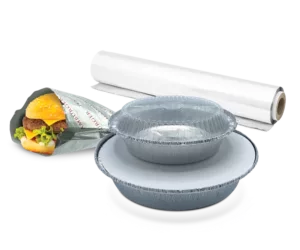
When it comes to using plastic wrap in the oven, it’s generally not safe. Most household wraps can melt or warp when exposed to high heat, releasing harmful chemicals like phthalates, which are known endocrine disruptors. Some professional chefs get around this by double layering plastic wrap with aluminum foil to keep the temperature below 212°F (100°C), but this is a tricky technique that most home cooks shouldn’t try. Plus, almost all manufacturers explicitly warn against using their plastic wrap in the oven.
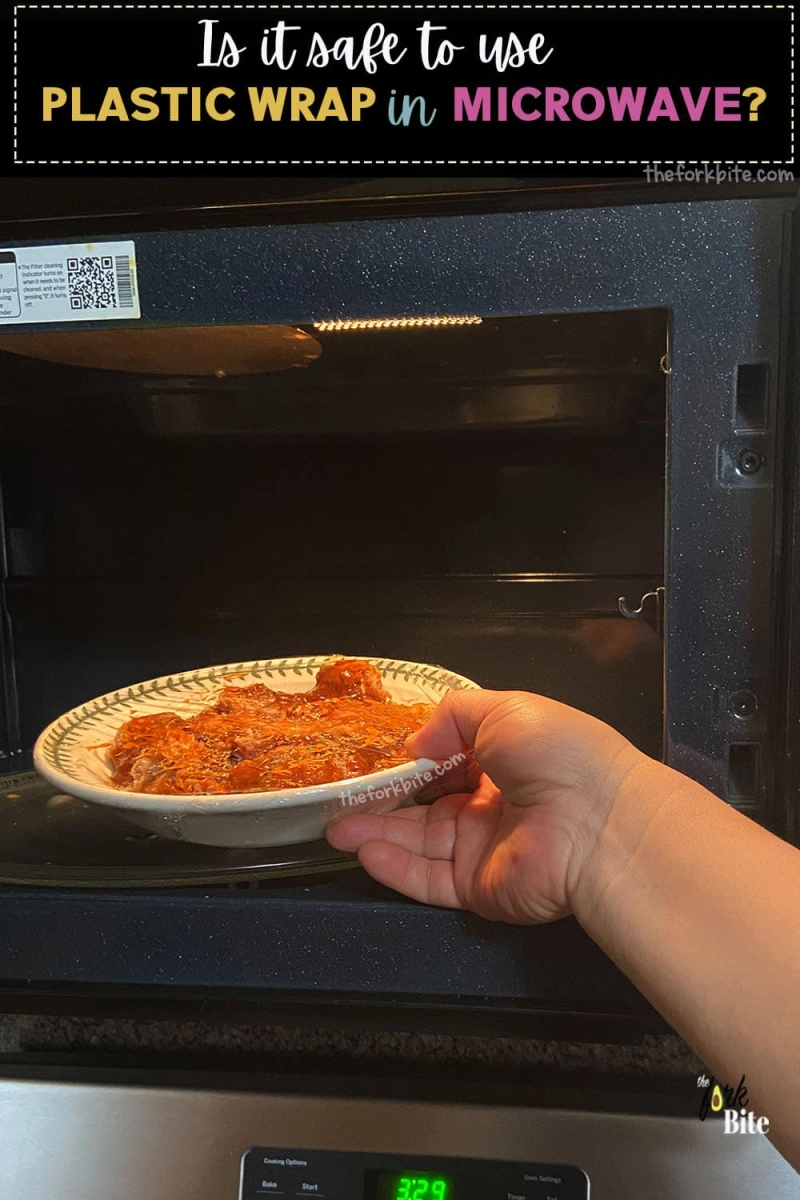
For microwaves, using plastic wrap can be safer—but only if it’s labeled microwave safe. These wraps are designed to withstand heat better and should always be vented so steam can escape, preventing buildup that might cause melting. It’s especially important to avoid direct contact with high-fat foods in the microwave, as fat heats to higher temperatures that can exceed the plastic wrap’s melting point.
At Ecoartfullife, we recommend prioritizing oven-safe alternatives to avoid these risks altogether. This way, you can keep your food secure and safe without worrying about chemical leaching or melting.
Health and Environmental Concerns with Plastic Wrap
One big issue with plastic wrap is the potential for chemical leaching. Even when it’s not melting, harmful chemicals like BPA or NIAS (non-intentionally added substances) can seep into your food. This is a concern because these substances may affect your health over time.
From an environmental view, most traditional plastic wraps are not biodegradable. They end up in landfills and take hundreds of years to break down, which adds to pollution and waste problems.
That’s why Ecoartfullife focuses on eco-friendly alternatives. Their biodegradable wraps not only reduce environmental impact but also offer better heat resistance, making them a safer and greener choice compared to regular plastic wrap.
Practical Tips for Using Plastic Wrap Safely
When using plastic wrap, it’s key to keep safety in mind to avoid melting or chemical risks. Here are some tips to help you use plastic wrap the right way:
-
Always check the manufacturer’s guidelines for temperature limits before using plastic wrap, especially for heating or cooking. Different brands and materials have different heat tolerances.
-
For low-temp oven cooking under 250°F (121°C), try using a double layer of plastic wrap covered with aluminum foil. This helps keep temperatures down so the wrap doesn’t melt.
-
When microwaving, choose microwave-safe plastic wrap and make sure to vent the wrap so steam can escape. This prevents the wrap from melting or sticking to your food.
-
Let hot food cool a bit before wrapping to avoid direct heat that can cause the plastic to soften or melt.
-
Consider switching to reusable heat resistant options like Ecoartfullife’s sustainable wraps. These are designed to handle warmth better and are more eco-friendly.
Following these simple steps helps keep your food safe and limits chemical leaching, while also making your kitchen a bit greener.
Alternatives to Plastic Wrap for High Temperature Cooking
When you need to cook or store food at high temperatures, plastic wrap isn’t your best bet. Here are some safer, heat-resistant alternatives that work well in the kitchen:
-
Oven Bags
Made specifically for high heat, oven bags can handle cooking temperatures without melting or releasing harmful chemicals. They’re perfect for roasting and slow cooking.
-
Aluminum Foil
Durable, reusable, and highly heat resistant, aluminum foil is great for wrapping food in the oven. It seals in moisture and flavors while keeping your food safe from direct heat.
-
Parchment Paper
A favorite for baking, parchment paper is safe at high temperatures and eco-friendly too. It prevents sticking and helps cook food evenly without chemical risks.
-
Ecoartfullife’s Biodegradable Wraps
For a sustainable option, Ecoartfullife offers biodegradable wraps that are safe and versatile. These eco-friendly wraps can handle moderate heat, making them a smart alternative for those who want to avoid plastic.
Using these alternatives ensures you keep your food safe and your kitchen greener, especially when cooking at high temperatures above what typical plastic wrap can handle.
Make Informed Choices with Ecoartfullife
Plastic wrap usually melts between 220 and 250°F, which means using it in the oven or with very hot foods can be risky. There’s also the chance of chemical leaching, which isn’t great for your health or the environment. That’s why it’s smart to consider safe, eco-conscious alternatives that protect both your food and the planet.
At Ecoartfullife, we offer sustainable food storage solutions designed for everyday use without the heat risks of regular plastic wraps. Our biodegradable wraps are heat resistant and eco friendly, making them a perfect choice for anyone in the U.S. looking to reduce waste and avoid harmful chemicals.
Explore Ecoartfullife’s range today and make a greener choice for your kitchen.