
















Can you pop aluminum foil in the oven without a hitch? If you’re wondering whether this kitchen staple is a safe bet for your next baking adventure, you’re not alone. At Ecoartfullife, we get it—oven safety and easy cleanup are top priorities for home cooks. That’s why we’re diving into the do’s and don’ts of using foil, plus sharing eco-friendly alternatives to keep your meals delicious and your kitchen green. Stick with us to uncover practical tips, backed by real expertise, that’ll make your oven cooking stress-free and sustainable!
Is It Safe to Use Aluminum Foil in the Oven
The short answer: Yes, you can use aluminum foil in the oven safely when done correctly. Aluminum foil is oven-safe and can handle typical baking and roasting temperatures without melting or releasing harmful substances.
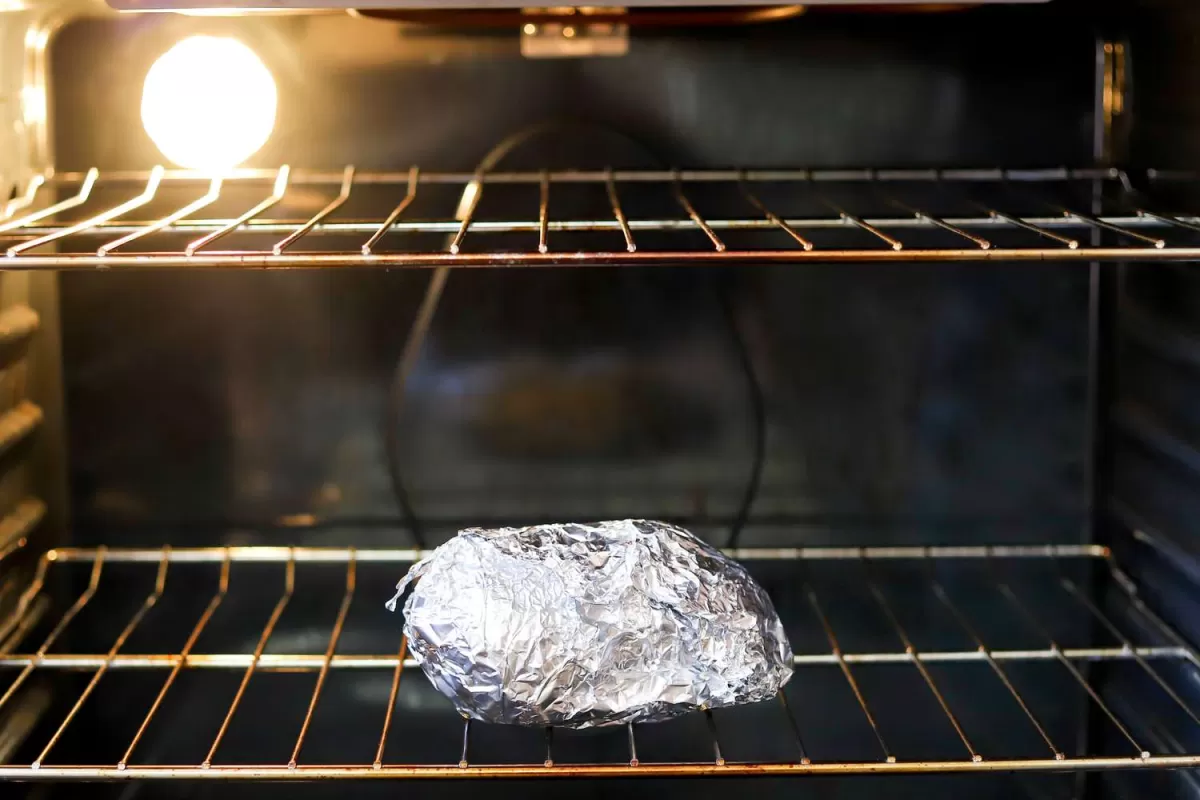
How aluminum foil works in the oven: Aluminum foil is a thin sheet of metal that reflects heat, helping to cook food evenly while keeping moisture and flavor locked in. Its heat-resistant nature makes it a popular choice for wrapping foods, covering baking dishes, and lining pans.
Common uses for foil in the oven:
- Wrapping vegetables or meats for roasting
- Covering casseroles to prevent over-browning
- Lining baking sheets for easy cleanup
- Tent covering for delicate foods to retain moisture
When used thoughtfully, aluminum foil supports efficient cooking and helps keep your oven clean, making it a valuable kitchen tool for home cooks.
When Should You Avoid Using Aluminum Foil in the Oven
While aluminum foil is handy, there are times you should skip it to avoid problems. Here are the main situations to watch out for:
Lining the Oven Bottom
Putting foil directly on the bottom of your oven might seem like a good way to catch drips, but it can cause more harm than good. Foil can block heat and airflow, which leads to uneven cooking and can even damage your oven’s heating elements over time.
Cooking Acidic or High-Fat Foods
If you’re cooking things like tomatoes, citrus, or anything with a lot of vinegar, acid can react with aluminum foil and cause it to break down. This might give your food a weird metallic taste and could let small bits of aluminum get into your meal. Similarly, high-fat foods (like bacon or fatty meats) can cause foil to stick or tear, making cleanup messy.
Broiling and High-Heat Cooking
Broiling uses very intense heat close to the heating element. Aluminum foil can easily warp or even catch fire under these conditions. For high-heat cooking, it’s safer to use heavy-duty foil specifically meant for the oven, and never cover the whole rack or block the heat source.
Knowing when to avoid foil helps keep your cooking safe and your oven in great shape.
How to Use Aluminum Foil Safely in the Oven
Using aluminum foil in the oven is generally safe if you follow a few simple rules. Here are the best practices to keep your cooking safe and effective:
- Avoid covering oven racks completely: Wrapping racks fully with foil can block heat and airflow, leading to uneven cooking and possible oven damage.
- Wrap food loosely: When covering dishes, wrap foil loosely to allow steam to escape and prevent soggy results.
- Use heavy-duty aluminum foil for grilling or high-heat cooking: It’s thicker and less likely to tear or burn.
- Don’t line the oven bottom: Placing foil on the oven floor can trap heat and cause damage or fires, plus it interferes with proper oven airflow.
- Keep foil away from heating elements: Contact with heating coils can cause melting or sparks.
- Use foil as a drip tray safely: Placing a foil-lined pan below food can catch drips without lining the oven directly.
- For acidic or greasy foods, choose alternatives: Acidic foods like tomatoes or citrus can react with aluminum, so consider parchment paper or silicone mats instead.
Tips for Specific Cooking Methods
- Baking: Use it to tent roasts or cover dishes to avoid over-browning.
- Broiling: Avoid foil unless it’s heavy-duty and securely fastened; thin foil can burn quickly.
- Grilling in the oven: Use foil packets to keep moisture in and grill flavors intact.
- Reheating leftovers: Cover plates with foil to retain moisture but poke a few holes to allow steam out.
By applying these tips, cooking with aluminum foil can be safe and convenient without risking damage or health concerns.
Eco-Friendly Alternatives to Aluminum Foil
Why Choose Sustainable Options
Aluminum foil is handy, but it’s not the most eco-friendly choice. Producing aluminum uses a lot of energy, and foil usually ends up in the trash after one use. Choosing sustainable options helps reduce waste, lowers your carbon footprint, and keeps your kitchen greener. Plus, many alternatives work just as well for baking and cooking.
Top Alternatives for Oven Use
-
Parchment Paper
Great for baking and roasting, parchment paper is non-stick and compostable. It’s perfect for lining pans and wrapping food without risk to oven safety.
-
Silicone Baking Mats
Reusable and heat-resistant, silicone mats work well for baking cookies, roasting veggies, or even grilling. They clean easily, cutting down on single-use waste.
-
Glass or Ceramic Bakeware with Lids
Using covered bakeware reduces the need for foil when roasting or baking, keeping moisture locked in without extra materials.
-
Oven-Safe Reusable Covers
Some brands offer reusable foil wraps or silicone lids designed for oven use, combining convenience with sustainability.
How to Transition to Eco-Friendly Cooking
- Start by swapping foil for parchment paper where you can. It’s a simple and affordable step.
- Invest in a good-quality silicone baking mat to replace foil or parchment for many baking tasks.
- Use covered glass or ceramic dishes instead of wrapping food in foil.
- When you do use foil, go for heavy-duty types that can be reused multiple times by rinsing and reshaping.
- Keep waste in mind—try to compost or recycle foil if it’s clean, and avoid lining your oven bottom with foil to prevent airflow issues.
Switching up your kitchen habits pays off for both the environment and your cooking, making sustainable baking and roasting easy and practical.
FAQs About Using Aluminum Foil in the Oven
Can you put aluminum foil in the oven?
Yes, aluminum foil is safe to use in the oven as long as you follow basic guidelines. Avoid lining the bottom of the oven and don’t cover oven racks completely to keep proper airflow.
Is it okay to use foil for baking?
Absolutely. Using heavy-duty aluminum foil to cover dishes or wrap food helps with even cooking and keeps moisture in. Just be careful when cooking acidic foods like tomatoes or citrus.
Can I put aluminum foil on the oven rack?
You can, but only partially. Fully wrapping racks can block heat and cause uneven cooking or even damage the oven. Use foil to cover food or pans instead.
Is aluminum foil toxic when heated?
No, aluminum foil is safe for oven use and won’t release toxins under normal cooking temperatures. Avoid using it with very acidic or salty foods for long periods to reduce any risk of aluminum leaching.
Can I line the bottom of my oven with foil?
It’s best not to. Lining the oven’s bottom with foil can block heat and airflow, possibly causing overheating or damage. Instead, use an oven liner designed for this purpose.
What are better alternatives to aluminum foil in the oven?
Consider parchment paper for baking or silicone baking mats. These eco-friendly options provide non-stick surfaces without the risks linked to foil.
Will using foil affect cooking times?
Using foil can slightly change how heat circulates around your food. Keep an eye on your recipes and adjust times if needed, especially when covering dishes tightly.
Using aluminum foil the right way makes cooking easier and safer. Keep these tips in mind for smart oven use and consider eco-friendly options to reduce waste.