
















Are you ready to elevate your baking game with aluminum foil? Whether you’re a home cook or a small-scale baker, baking with aluminum foil can save time, simplify cleanup, and deliver perfectly cooked dishes. At Artfullife, we’re proud to supply top-quality aluminum foil that makes your kitchen adventures effortless and reliable. In this guide, you’ll discover practical baking tips, clever foil hacks, and essential safety advice to master cooking with aluminum foil. Let’s get started and transform your baking experience!
Why Use Aluminum Foil for Baking
If you’ve ever wondered, why use aluminum foil for baking, you’re not alone. Many home cooks and professionals rely on it because it offers practical benefits that improve cooking results and make cleanup easier. Here’s a deeper look at how baking with aluminum foil can change your cooking experience.
Better Heat Conduction and Even Cooking
Aluminum foil is an excellent conductor of heat, which means it helps your food cook evenly. When you line pans or wrap ingredients, the foil distributes heat uniformly, avoiding hot spots that can burn or undercook parts of your dish. This is especially helpful when baking items like roasted vegetables, fish, or casseroles where consistent temperature is key.
Easier Cleanup and Sticking Prevention
One of the most appreciated benefits when cooking with aluminum foil is the ease of cleanup. Lining your baking sheets or pans with foil prevents food from sticking directly to the surface, reducing scrubbing time. It also protects your bakeware from stains and messes, letting you spend less time washing up and more time enjoying your food.
Guard Against Overbrowning and Burning
Aluminum foil serves as a shield to protect your food from overbrowning or burning. Covering dishes loosely with foil during baking can prevent exposed surfaces, like the top of a casserole or baked chicken, from turning too dark before the inside is fully cooked. This controlled exposure to heat ensures your food stays moist and perfect.
Versatile for Shaping and Covering
Another reason to choose aluminum foil for baking is its versatility. You can easily mold it around uneven shapes, create packets that lock in moisture, or cover pans of any size. This makes it ideal for everything from roasting meats and vegetables to creating foil packets en papillote (steaming food in foil). It’s a flexible tool that adapts to your cooking needs.
Using aluminum foil in baking isn’t just a convenience; it’s a smart way to ensure your food cooks evenly, stays moist, and reduces kitchen mess. These benefits make it a staple in kitchens across the US looking for efficiency and quality results.
Common Baking Applications for Aluminum Foil
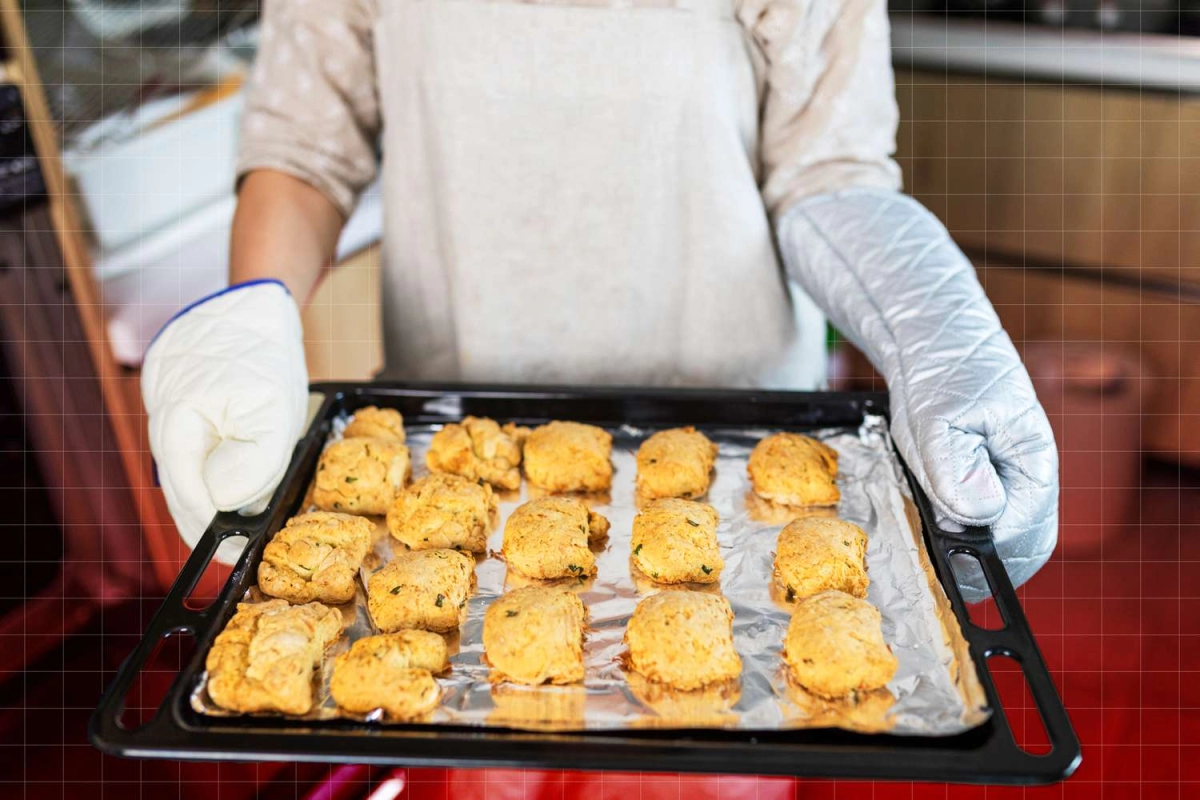
When it comes to baking with aluminum foil, it’s a versatile tool that many home cooks rely on. Understanding its common uses can help you get the most from your foil and improve your baking results.
Lining Baking Sheets and Pans
One of the easiest ways to use aluminum foil is lining baking sheets and pans. It creates a non-stick surface that reduces mess and makes cleanup quick and simple. Whether you’re baking cookies, roasting vegetables, or making sheet-pan dinners, foil liners prevent food from sticking and protect your cookware. For even better results, you can spray the foil lightly with cooking spray to avoid sticking altogether.
Wrapping Foods for Roasting or Steaming
Aluminum foil is perfect for wrapping foods like meat, fish, and vegetables for roasting or steaming. Wrapping tight helps lock in moisture, keeping your dish juicy and tender. This method also helps cook food evenly, making it a go-to technique for baked chicken legs or fish fillets. Plus, foil packs trap flavors and aromas, enhancing the overall taste.
Creating Foil Packets En Papillote
“En papillote” cooking – a French term for steaming food in a sealed pouch – is easily done with aluminum foil. Creating foil packets is a smart way to bake individual portions of meat, fish, or veggies. You place your ingredients on a foil sheet, seal it tightly, and bake. This method steams the food inside its own juices, preserving natural flavors without extra fat or oils.
Covering Dishes to Preserve Moisture or Prevent Overbrowning
Covering your baking dishes with foil is a straightforward way to preserve moisture, especially when baking casseroles or roasting meats. It prevents the top from drying out while allowing the inside to cook through. Foil also helps prevent overbrowning or burning, particularly in the final stages of cooking – you can remove the foil near the end to let your dish brown perfectly without risk.
Using aluminum foil this way not only makes cooking easier but also helps you create juicy, well-cooked meals without extra fuss. These common applications are why aluminum foil remains a staple for baking and roasting in kitchens across the United States.
Step by Step Guide Using Aluminum Foil for Optimal Baking Results
Getting the best out of baking with aluminum foil means knowing how to pick the right foil and use it properly. Here’s a simple guide to help you bake like a pro every time.
Choose the Right Aluminum Foil Thickness and Type
- Heavy-duty foil is best for wrapping foods that need longer cooking times or higher heat, like roasting meats or baking fish. It resists tearing and holds up well.
- Regular foil works fine for lining pans, covering dishes, or lighter cooking tasks.
- Avoid super-thin foil if you want to keep juices locked in or prevent leaks during baking.
Properly Line Pans and Avoid Foil Tearing
- Always smooth out wrinkles when lining a baking sheet or pan to prevent tearing during cooking.
- Use enough foil to cover edges fully, folding down excess to keep it secure.
- If tearing happens, patch holes with extra pieces of foil to avoid leaks.
- Avoid sharp edges from pans that can puncture thin foil.
Wrapping Techniques to Seal in Juices and Flavors
- When making foil packets or wrapping foods, place the food in the center of the foil.
- Fold edges tightly to create a strong, sealed packet that traps steam and flavor.
- Fold sides up, then fold the edges over twice to prevent leaks and keep moisture inside.
- For extra protection, wrap the packet with another layer of foil if needed.
Using Foil with Racks Trays and Baking Stones
- When using racks or baking stones, line the tray underneath with foil to catch drips without blocking air flow.
- Avoid covering racks directly with foil; this can reduce airflow and disrupt cooking.
- Place foil under baked goods on stones only if you want to catch spills without interfering with heat distribution.
- Use foil to tent over dishes on racks to prevent overbrowning without losing heat inside the oven.
By following these steps, your aluminum foil baking tips will help you get even cooking, less mess, and tastier results every time.
Safety Tips and Precautions for Baking with Aluminum Foil
When baking with aluminum foil, keeping safety in mind is just as important as cooking well. Here are the main precautions you should follow to avoid any issues related to food safety, oven use, and the environment.
Avoid Acidic Foods Contact with Aluminum Foil
- Do not wrap acidic foods like tomatoes, citrus fruits, or vinegar-based marinades directly in aluminum foil.
- Acidic ingredients can cause a chemical reaction with the foil, which may alter the flavor and sometimes give a metallic taste to the food.
- This reaction can also slightly degrade the foil, making it less effective and potentially mixing small amounts of aluminum into the food.
Follow Oven-Safe Temperature Limits
- Aluminum foil is oven-safe up to around 600°F (315°C), which covers most baking and roasting needs.
- Avoid using foil under a broiler or on direct flame, as extreme heat can cause the foil to burn or catch fire.
- When using heavy-duty foil, it’s a bit more resistant to tearing and heat, but always monitor your cooking to avoid hazards.
Prevent Fire Hazards in the Oven
- Never use foil to line the bottom of your oven — it can block airflow and cause heat buildup or fire risks.
- If using foil to cover dishes, make sure it’s secured loosely so that heat circulates properly and steam can escape.
Environmental Considerations for Aluminum Foil Use
- Aluminum foil is recyclable, but it needs to be clean and free of food residue before recycling.
- To reduce waste, try to reuse foil sheets by gently cleaning them if possible.
- Consider combining foil use with sustainable baking materials like parchment paper or silicone liners when appropriate, to reduce overall environmental impact.
By following these safety tips when cooking with aluminum foil, you ensure better flavor, safer baking, and responsible use of kitchen materials.
Troubleshooting Common Issues When Baking with Aluminum Foil
Baking with aluminum foil is great, but sometimes you might run into a few common problems like foil sticking to food, tearing, or burning. Here’s how to handle these issues to get the best results every time.
Preventing Aluminum Foil from Sticking to Food
Foil sticking to food can be frustrating, especially with sticky or cheesy dishes. Here’s how to avoid it:
- Use non-stick or heavy-duty foil. Non-stick foil has a special coating that helps food release easily.
- Lightly grease the foil surface with a bit of oil, butter, or cooking spray before placing the food down.
- Place parchment paper between food and foil when baking sticky items like fish or barbecue ribs.
- For foods with a sugary glaze or sauce, consider wrapping loosely so juices don’t trap and stick to the foil.
How to Avoid Foil Tearing or Burning
Tearing and burning foil not only makes a mess but can also affect cooking:
- Use the right thickness. Regular foil is fine for most tasks, but heavy-duty foil reduces tearing, especially when wrapping sharp-edged foods.
- Avoid over-stretching or folding foil too tightly. This weakens the foil and makes it prone to tearing when handled.
- Don’t place foil directly under intense heat or flames. For example, avoid foil contact with heating elements or broiler flames to prevent burning.
- Double wrap fragile foods like fish to give extra protection and reduce tearing.
Solutions When Food Sticks to Foil Lined Pans
Sometimes despite best efforts, food sticks to foil lining your pan. To fix and prevent this:
- Soak foil-lined pans in warm soapy water immediately after use. This softens stuck-on food, making cleanup easier.
- Scrub gently with a soft sponge to avoid tearing the foil if you plan to reuse it.
- For stubborn stuck bits, use a vinegar solution (equal parts white vinegar and water) to help loosen residue.
- Consider using foil only for lining pans—not as the cooking surface directly under food unless properly greased or paired with parchment.
Quick Recap of Key Foil Baking Tips
- Choose non-stick or heavy-duty foil for tricky foods.
- Always grease foil before contact with sticky or sugary dishes.
- Handle foil gently to avoid tears, and double wrap for extra protection.
- Keep foil away from direct broiler flames and extreme oven spots.
- Clean foil-lined pans promptly for easier food release and reuse.
By following these practical tips for troubleshooting when baking with aluminum foil, you can enjoy easier cooking and cleanup without the common hassles.
Cleaning and Reusing Aluminum Foil for Baking
When baking with aluminum foil, cleaning and reusing foil can save money and reduce waste if done right. Here are some simple tips and best practices.
How to Clean Aluminum Foil for Reuse
- Wipe off food residue gently: Use a soft sponge or cloth with mild dish soap and warm water. Avoid scrubbing hard to prevent tearing.
- Rinse thoroughly: Make sure no grease or food bits remain before drying.
- Air dry or pat dry: Let the foil dry completely to avoid sogginess or sticking on the next use.
- Check for tears or holes: Only reuse foil if it’s still mostly intact. Small tears affect cooking and protection.
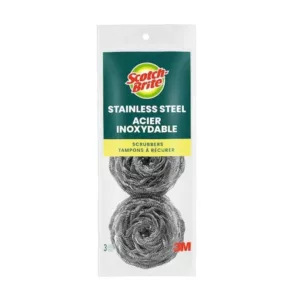
Avoid harsh detergents or abrasive scrubbers—they can damage the foil’s surface and reduce its heat conduction effectiveness while baking.
When to Dispose of Aluminum Foil Responsibly
- Foil covered in heavy food residue or grease should be thrown out.
- If foil is crumpled excessively or torn, it can’t perform well during baking and should be replaced.
- Always check if your local recycling program accepts aluminum foil—some do if it’s clean and dry, others do not.
Recycling is ideal to reduce environmental impact, but avoid throwing foil in regular trash without checking recycling rules.
Aluminum Foil Compared to Baking Paper and Silicone Liners
Choosing between foil, baking paper, or silicone liners often depends on your baking needs.
| Feature | Aluminum Foil | Baking Paper (Parchment) | Silicone Liners |
|---|---|---|---|
| Heat Resistance | High, safe up to ~420°F (215°C) | Safe up to ~420-450°F (215-230°C) | Safe up to ~480°F (250°C) |
| Non-stick properties | Not naturally non-stick, needs greasing or spraying | Naturally non-stick | Non-stick, no grease needed |
| Reusability | Often reusable if clean and intact | Usually single use | Reusable, easy to clean |
| Versatility | Can be shaped, wrapped, and covered tightly | Best for lining and baking desserts | Best for repeat baking tasks |
| Environmental impact | Recyclable if clean, but uses more energy in production | Often disposable, compostable alternatives exist | Reusable and eco-friendly |
In many cases, aluminum foil is best when you need strong heat conduction, tight coverage, or a moisture barrier. Baking paper works great for non-stick liners and easy cleanup, while silicone is a sustainable, reusable option.
By gently cleaning and reusing aluminum foil, or disposing of it responsibly, you get the most out of your baking supplies while keeping things eco-friendly. For many everyday baking tasks, aluminum foil remains a reliable and versatile choice.
Popular Recipes and Baking Ideas with Aluminum Foil
Using aluminum foil in baking isn’t just practical—it’s also a game-changer for quick, flavorful meals and creative cooking techniques. Here are some top ideas to get the most from your foil in the kitchen, with easy aluminum foil baking tips to boost your results.
Easy Foil-Wrapped Chicken or Fish Recipes
Foil-wrapped chicken or fish is a classic way to lock in moisture and flavor while making cleanup a breeze. Simply season your protein, add veggies or herbs, and tightly seal it in a foil packet. This method:
- Cooks food evenly thanks to aluminum foil’s heat conduction.
- Keeps juices inside, preventing dryness.
- Allows you to infuse flavors directly into the food.
Try wrapping chicken breasts with lemon slices and herbs, or fish fillets with a splash of white wine and dill. Bake in the oven at 375°F for 20–25 minutes, and you’ll have a tender, aromatic dish with minimal hassle.
Foil Packet Vegetables for Quick Roasting
Roasting vegetables in foil packets is a fantastic way to get perfect tender-crisp veggies without the mess. Chop your favorite vegetables—like bell peppers, zucchini, and cherry tomatoes—season, and wrap in foil. Benefits include:
- Even cooking and moisture retention to keep veggies fresh and flavorful.
- No need for oil-heavy pans or constant stirring.
- Easy transport and serving directly from the foil.
Pop the packets in the oven or grill for about 15–20 minutes and enjoy healthy side dishes that pair well with any meal.
Creative Baking Hacks Using Aluminum Foil for Shaping and Presentation
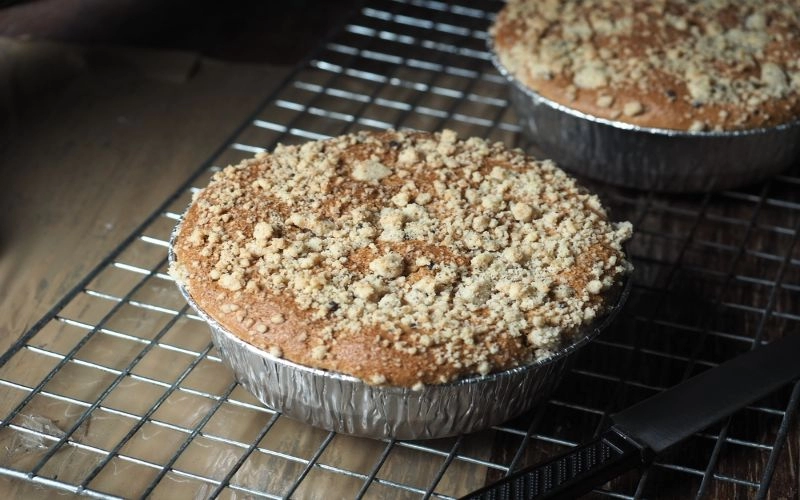
Aluminum foil baking hacks go beyond just wrapping and lining pans. It can be molded into custom shapes—like mini cake rings or tart molds—to help with delicate presentations or uneven ovens. Some clever uses include:
- Creating foil molds for shaping dough or batter.
- Shielding edges of pies or baked goods to prevent overbrowning.
- Making disposable, heat-safe handles or supports for tricky recipes.
- Crafting unique presentations, like cups or cones for easy serving.
These tricks help you get professional-style results without special tools. For more on the best types of foil for baking, check out this guide on choosing aluminum foil.
By incorporating these popular recipes and foil baking ideas, you can elevate your cooking experience, save time, and get creative—all while enjoying the practical benefits of baking with aluminum foil.
Why Choose Artfullife Aluminum Foil for Baking
When it comes to baking with aluminum foil, quality and reliability matter. Artfullife offers premium aluminum foil products designed with the needs of home cooks and professional kitchens across the United States in mind.
Superior Product Quality and Variety
Artfullife’s aluminum foil stands out because of its durability and consistent thickness. Whether you need heavy-duty foil for roasting or regular baking foil for lining pans, their range covers it all. This variety means you can pick the best aluminum foil for baking your favorite dishes without worrying about tearing or uneven heat conduction. Plus, the foil’s smooth finish ensures food won’t stick, making cleanup a breeze.
Benefits of Buying from a Trusted Supermarket Supplier
Choosing Artfullife means buying from a trusted source known for reliable kitchen essentials. Their products meet strict safety standards for baking foil use, so you can bake with confidence, avoiding concerns often discussed about baking with aluminum foil safety. Shopping with Artfullife also means easy access to bulk and wholesale options, perfect for busy kitchens and families who bake frequently.
Customer Satisfaction and Guarantees
Many customers praise Artfullife aluminum foil for its long-lasting performance and value. The product comes with satisfaction guarantees, so if you ever experience an issue, support is just a call or click away. This kind of service reassures buyers about investing in quality foil that supports everyday cooking and specialized baking needs.
If you want dependable foil that’s ready to handle foil baking hacks, foil packet recipes, or general use, Artfullife is a smart choice. For more details on supplier offerings, you can explore their wholesale aluminum foil options to find products tailored for your baking style and volume.