
















Can Tin Foil Be Recycled? Your Guide to Smarter, Greener Choices
Wondering if tin foil can be recycled and how to do it right? You’re not alone. With aluminum foil being a kitchen staple, knowing how to manage it sustainably can make a real difference for the environment. As eco-conscious shoppers seek recyclable solutions, we’re here to share practical tips based on real-world recycling practices. In this guide, you’ll discover whether tin foil is recyclable, how to prepare it, and eco-friendly alternatives to reduce waste. Let’s dive in and make sustainable living simple!
Tin Foil What Is It Made Of and Understanding Aluminum Foil Terminology
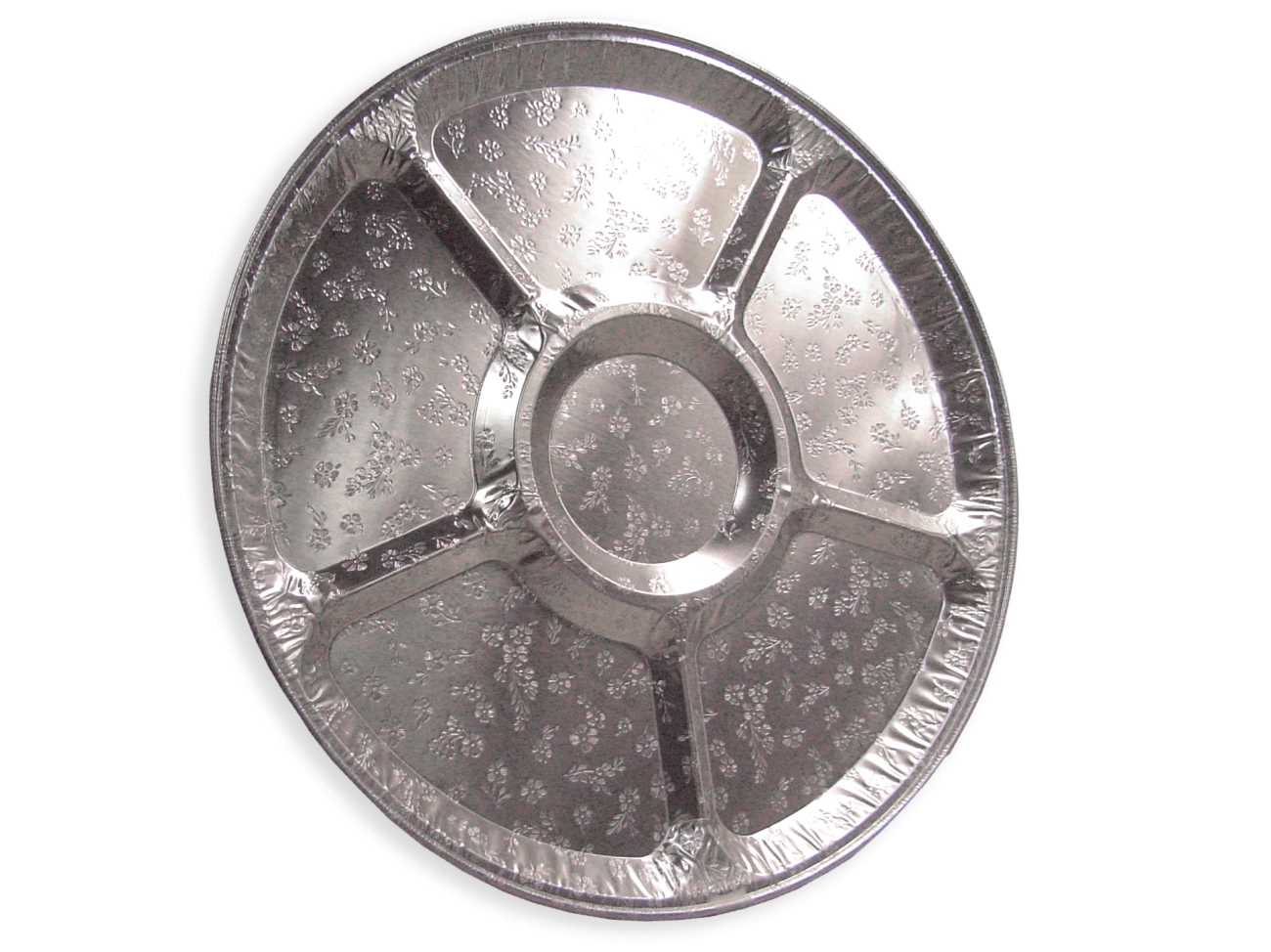
Tin foil is a common household term, but modern household foil is actually made from aluminum, not tin. Historically, tin foil was used before aluminum foil became popular in the early 20th century. The switch occurred because aluminum is more durable, flexible, and cost-effective than tin.
Aluminum Foil vs Traditional Tin Foil
- Aluminum foil is a thin sheet of aluminum metal, typically less than 0.2 mm thick.
- Tin foil, which is rarely used today, was made from thin sheets of tin and was more prone to tearing and imparting a metallic taste to food.
- Today, when people say “tin foil,” they almost always mean aluminum foil.
Using the correct term helps clarify recycling and waste management practices, especially when looking at aluminum foil recycling tips and what is accepted by local programs.
Common Household Uses of Aluminum Foil
Aluminum foil is extremely versatile and found in many kitchens for:
- Wrapping food to preserve freshness or prevent contamination.
- Lining baking trays and grilling racks for easy cleanup.
- Covering leftovers or dishes to keep heat in when reheating.
- Shaping or cushioning fragile food items during storage or transport.
- Creating packets for roasting vegetables, fish, or meat to lock in moisture and flavor.
Understanding that aluminum foil is not only a cooking aid but also a recyclable material can help encourage proper disposal and recycling habits at home.
Is Tin Foil Recyclable Understanding Aluminum Foil Recycling
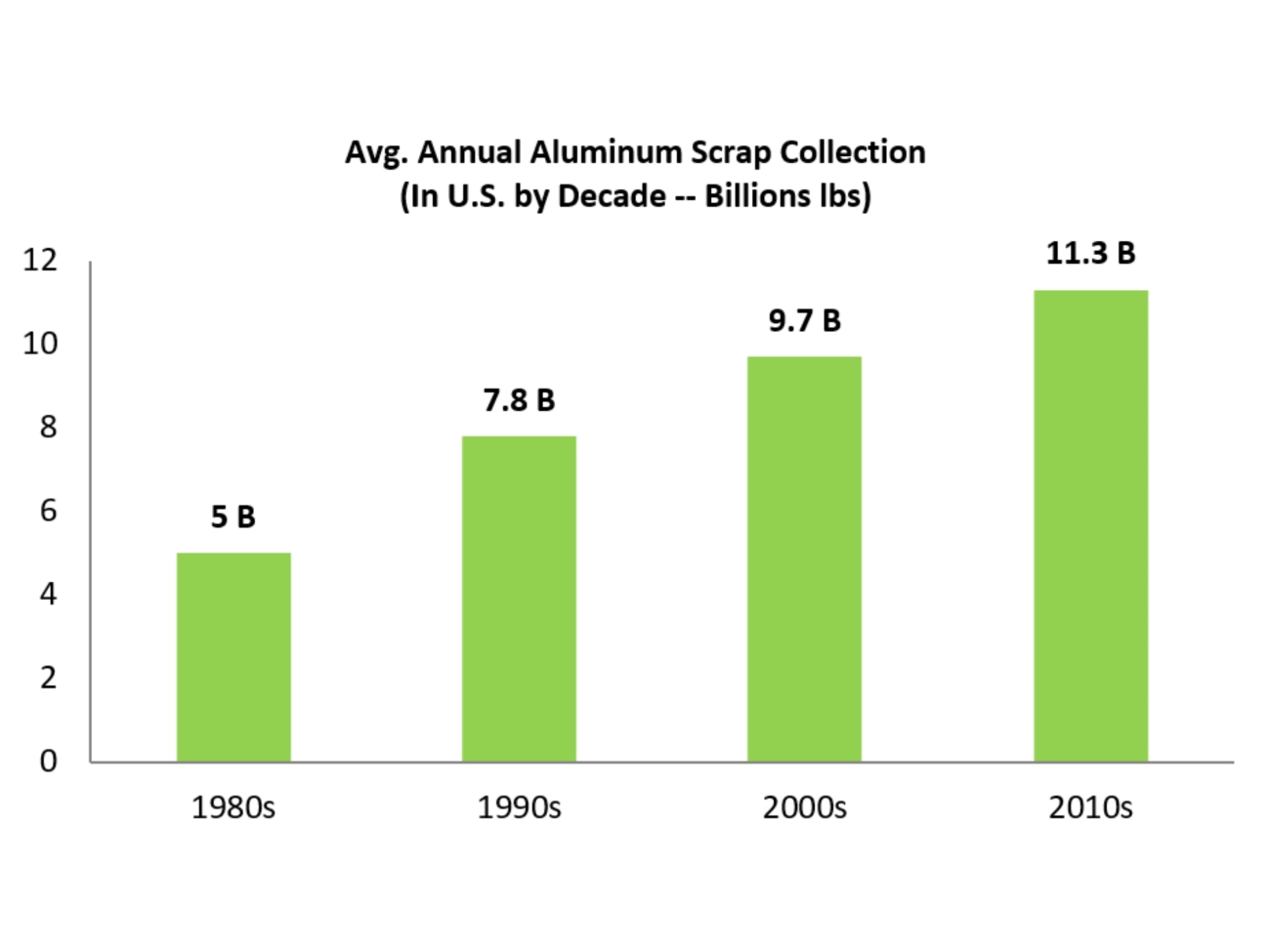
Yes, aluminum foil can be recycled, but there are important conditions to keep in mind. The key is distinguishing between recyclable foil and contaminated foil. Clean aluminum foil is widely accepted by many local recycling programs because aluminum is a valuable, sustainable material that can be recycled repeatedly without losing quality.
Recyclable vs Contaminated Foil
- Recyclable Foil: This includes clean, dry aluminum foil sheets or balls of foil with no food residue. When foil is free of grease, food, or other contaminants, it can easily be processed at recycling facilities.
- Contaminated Foil: Foil with leftover food, grease, or other residues is often rejected by recycling centers. These contaminants can gum up the machinery and lead to lower-quality recycled aluminum.
Why Some Recycling Programs Reject Aluminum Foil
Many programs turn away foil because when it’s soiled, it contaminates other recyclable materials. Additionally, small pieces of foil can be overlooked during sorting or stuck in the equipment, causing problems down the line. That’s why cleaning your foil before recycling is crucial.
Each recycling program may have different rules, so check your local recycling guidelines for aluminum foil. Some places accept lightly soiled foil if cleaned properly, while others will not accept foil at all.
Key takeaway
- You can recycle aluminum foil if it’s clean and dry.
- Always remove food residue or grease before recycling.
- Check your local recycling rules to see if they accept foil and any specific conditions.
Proper preparation helps increase the chances that your aluminum foil waste will actually get recycled, making your recycling efforts more effective and environmentally friendly.
How to Prepare Tin Foil for Recycling
Properly preparing aluminum foil for recycling is key to making sure it actually gets recycled instead of tossed out. Here’s what you need to know about cleaning and handling your foil before recycling.
Cleaning Tips Remove Food Residue Grease and Contaminants
Aluminum foil often comes covered in food or grease, which can cause issues at recycling facilities. Always remove any large food scraps and rinse off greasy spots. You don’t need to scrub it perfectly clean, but make sure there’s no heavy contamination.
- Scrape off stuck-on food using a spatula or paper towel.
- Rinse lightly with warm water to get rid of grease or sauces.
- Avoid using soap unless your local recycling program specifically suggests it, as soap residue may confuse some recycling systems.
Best Practices for Recycling Foil Balled Up Foil vs. Flat Sheets
When recycling aluminum foil, how you group it matters. Small scraps and thin sheets can fall through sorting machines or get discarded as trash.
- Ball your foil into golf ball-sized lumps. This keeps the material together and makes it easier to sort.
- Aim for balls that are at least 2 inches in diameter so they don’t slip through recycling equipment.
- Avoid recycling flat, thin sheets alone, as they often get rejected or lost in the process.
Local Recycling Rules and How to Check Them
Not all recycling programs accept aluminum foil, or they might have specific rules about it.
- Check your city or county’s recycling website for detailed guidance.
- Some programs only accept foil if it’s 100% clean and balled up.
- Others may reject foil altogether due to contamination risk.
- When in doubt, call your waste management company or use tools like Earth911.com to verify.
By cleaning foil well and balling it up, you improve your chances of helping it make a successful trip through the recycling system. Following local rules closely will also keep your recycling efforts effective and avoid unnecessary landfill waste.
Common Recycling Challenges with Tin Foil
Food Contamination and Its Impact on Recycling Aluminum Foil
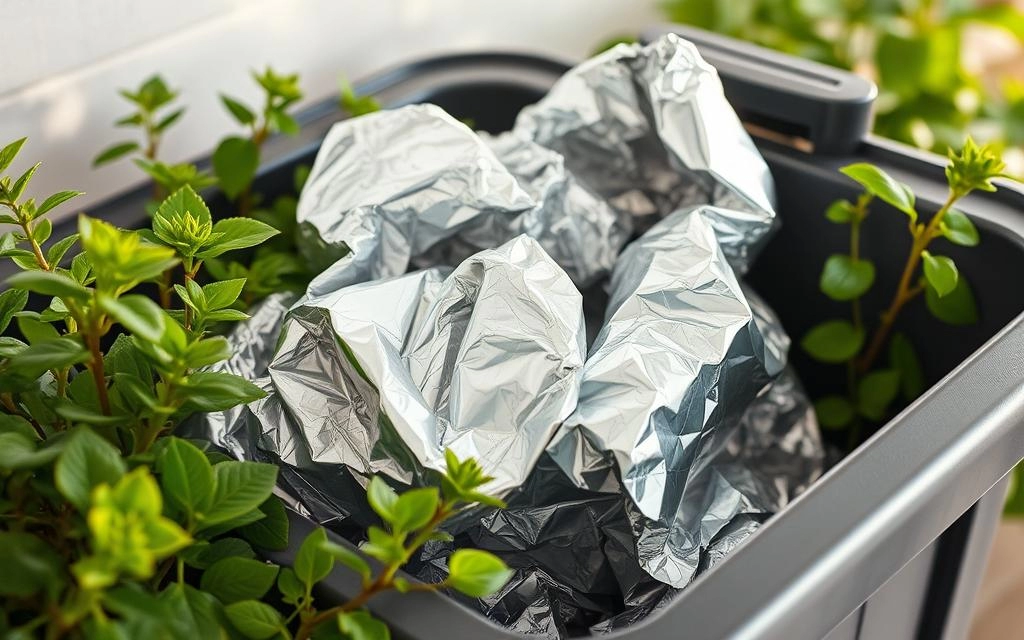
One of the biggest hurdles in recycling tin foil is food contamination. When foil is greasy or has stuck-on food, it’s considered contaminated. This can cause major problems at recycling facilities because dirty foil often ends up rejecting entire batches of recyclable materials.
- Why it matters: Food residue reduces the quality of recycled aluminum, making it harder to reuse.
- Result: Contaminated foil often gets sent to landfills instead of being recycled, defeating the purpose.
Mixed-Material Foil Packaging Issues
Another common challenge is mixed-material foil packaging. Some products use foil laminated with paper, plastic, or other layers.
- These multilayer items are not recyclable in standard aluminum recycling programs.
- The different materials need to be separated first, which is complicated and expensive.
- Foil trays or containers with coatings or plastic linings usually cannot be recycled curbside.
What Happens If Tin Foil Is Thrown in the Trash vs Recycling
Throwing tin foil in the trash means it ends up in landfills or incinerators — both harmful to the environment because aluminum takes hundreds of years to break down.
- Recycling aluminum foil saves energy: Recycling aluminum foil uses 95% less energy than making new aluminum.
- When recycled properly, aluminum can be reused indefinitely without losing quality.
- Trash disposal wastes resources and increases landfill volume, contributing to pollution and climate change.
Key takeaway: To keep aluminum foil part of a circular recycling stream, it’s crucial to minimize contamination and check if your local recycling program accepts foil products.
Alternatives to Aluminum Foil for Eco-Friendly Living
If you’re looking to cut down on aluminum foil waste and make your kitchen more sustainable, there are some great eco-friendly alternatives that work just as well for cooking, baking, and food storage.
Reusable Silicone Baking Mats
- Durable and non-stick, these mats replace single-use foil and parchment paper.
- Perfect for baking cookies, roasting veggies, or lining pans.
- Easy to clean and lasts for years, reducing overall waste.
- Silicone mats help you avoid the common aluminum foil recycling issue where food residue causes contamination.
Beeswax Wraps
- An excellent replacement for wrapping sandwiches, cheeses, or covering bowls.
- Made from natural cotton coated with beeswax, they’re biodegradable and reusable.
- They mold to different shapes using just your hands, cutting down on disposable foil use.
- When you’re done, simply wash and reuse—no recycling hassle.
Parchment Paper
- A good alternative when you need a disposable option.
- Though technically single-use, parchment paper breaks down faster in landfills than aluminum foil.
- Look for unbleached or compostable versions to minimize environmental impact.
- It’s especially useful for baking and roasting jobs where foil is traditionally used.
Benefits of Switching to Alternatives
By using these substitutes:
- You reduce aluminum foil waste, which is often rejected by recycling centers due to contamination or mixed materials.
- You lower the chance of adding to landfill mass as some foil ends up in the trash.
- These choices help promote sustainable kitchen products and support a zero-waste lifestyle.
- They save you money in the long run because reusable options last much longer than single-use foil.
Switching from aluminum foil to these alternatives is a smart step toward a greener kitchen and helps tackle the challenges tied to aluminum foil waste management in the U.S. If you want to make a real impact, consider making this simple swap today.
How Artfullife Supports Sustainable Packaging and Recycling
Artfullife is committed to promoting sustainable packaging and responsible recycling practices as a key part of their business. As a leading supermarket supplier in the United States, they focus on reducing waste and encouraging eco-friendly choices throughout the supply chain.
Eco-Friendly Product Lines and Supplier Commitments
Artfullife works closely with suppliers who prioritize environmentally responsible materials and packaging. This includes:
- Using recyclable and biodegradable packaging wherever possible
- Sourcing products with minimal plastic use
- Partnering with manufacturers who practice sustainable production methods
- Prioritizing aluminum foil and other packaging materials that can be recycled, helping to reduce landfill waste
By focusing on these areas, Artfullife helps supermarkets stock products that meet growing consumer demand for green and sustainable kitchen supplies, including better options for aluminum foil and its recycling.
Tips for Consumers to Make Greener Choices in Packaging
Artfullife also encourages shoppers to be mindful of packaging waste and recycling at home. Here are some practical tips based on their advice:
- Check local recycling rules before tossing aluminum foil or other materials in the bin—guidelines can vary by city or state.
- Clean foil thoroughly to avoid contamination. Remove food residue or grease so the foil can be recycled properly.
- Choose products with recyclable or compostable packaging when possible.
- Use reusable alternatives like silicone mats or beeswax wraps to cut down foil use.
- Support brands that show a clear commitment to sustainable packaging and transparency in their recycling policies.
By following these simple steps, consumers can support Artfullife’s efforts and make a real impact on reducing aluminum foil waste and improving overall recycling rates.
Artfullife’s focus on eco-friendly supplier partnerships and educating consumers makes them a strong player in aluminum foil recycling and sustainable packaging in the U.S. market, helping both businesses and customers move toward a greener future.
Frequently Asked Questions About Recycling Tin Foil
Can You Recycle Foil with Food Stains
Yes, you can recycle aluminum foil with light food stains, but it needs to be rinsed or wiped clean first. Food residue, grease, and sauces can contaminate the recycling process, making the foil less valuable or even causing it to be rejected by local recycling programs. If the foil is heavily soiled or greasy, it’s better to toss it in the trash unless your local recycler specifically accepts contaminated foil.
Can Heavily Crumpled or Torn Foil Be Recycled
Heavily crumpled or torn aluminum foil is still recyclable. In fact, crumpling foil into a small ball before recycling can help with sorting at recycling facilities, making it easier to recover the material. The key is to make sure the foil is clean and free from other materials like plastic or food scraps. Avoid mixing it with non-aluminum materials as this can complicate recycling.
What Happens to Aluminum in the Recycling Process
Once aluminum foil is collected for recycling, it goes through several steps:
- Sorting and Cleaning: Facilities separate aluminum from other recyclables and remove contaminants.
- Shredding and Melting: Clean aluminum is shredded into small pieces and melted in a furnace at high temperatures.
- Refining: The melted aluminum is purified to remove any leftover impurities.
- Forming: Purified aluminum is cast into ingots or sheets, which manufacturers use to create new products like cans, foil, or packaging.
Recycling aluminum foil saves up to 95% of the energy needed to make aluminum from raw materials, making it one of the most eco-friendly recycling options.
To sum up, always clean your aluminum foil, crumple it into balls, and check your local recycling rules to make sure you recycle it correctly. This small effort makes a big difference in keeping aluminum foil out of landfills and supporting sustainable waste management.