
















Why doesn’t aluminum foil get hot? It’s a common question that surprises many people, especially when you take foil out of a hot oven and it feels surprisingly cool to the touch. If you’ve ever wrapped food in aluminum foil while cooking and wondered how it doesn’t seem to hold the heat the way other materials do, you’re not alone.
Understanding the thermal properties of aluminum foil, like its heat conductivity and heat capacity, can help you use it more safely and effectively in your kitchen. Whether you’re grilling, baking, or simply wrapping leftovers, knowing why aluminum foil doesn’t get hot can change how you handle it—and prevent those unexpected burns or mishaps.
At Artfullife, we’ve been supplying quality kitchen essentials for years, including top-notch aluminum foil that’s designed with your cooking safety and convenience in mind. Ready to dive deeper? Let’s unpack the science behind this everyday kitchen marvel and see why it behaves the way it does when exposed to heat.
What Is Aluminum Foil and Its Heat Conductivity
Aluminum foil is a thin sheet of aluminum metal widely used in kitchens across the United States for cooking, wrapping, and storing food. It’s prized for its flexibility, lightweight feel, and excellent heat conductivity. Despite being metal, many people wonder, why doesn’t aluminum foil get hot quickly when touched?
This unique behavior comes from its physical characteristics. Aluminum foil is made very thin — often just a few microns thick — which means it doesn’t store much heat energy. Its thermal conductivity is high, so it can transfer heat fast, but the foil itself has a low heat capacity, meaning it can’t hold much heat. This makes the foil quick to heat up or cool down, but also quick to lose heat to the surrounding air or whatever it’s in contact with.
To sum it up:
- Aluminum foil is a very thin, flexible metal sheet primarily used in cooking and food storage.
- It has high heat conductivity, transferring heat efficiently.
- Its low heat capacity means it does not retain heat for long, which affects how hot it feels.
Understanding these properties helps explain why aluminum foil behaves differently than other cooking materials when it’s exposed to heat. At Artfullife, we appreciate the importance of these factors in choosing quality aluminum foil that offers safety and performance in your kitchen.
The Science Behind Heat Transfer and Aluminum Foil
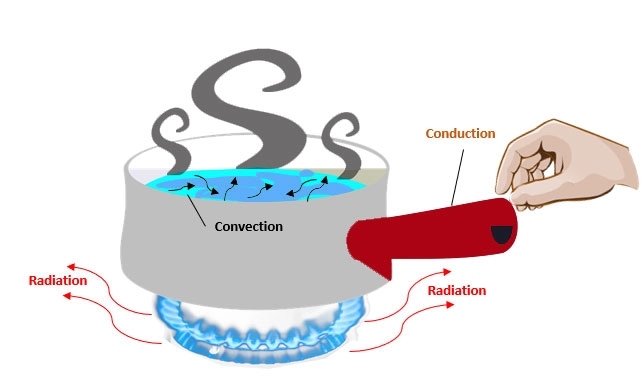
To understand why aluminum foil doesn’t get hot right away, we need to look at how heat transfer works. Heat moves in three main ways: conduction, convection, and radiation. Aluminum foil interacts differently with each of these.
How Aluminum Foil Conducts Heat
Aluminum foil has high heat conductivity, meaning it transfers heat quickly through its surface. When heat touches the foil, it spreads out immediately across the thin sheet. However, because the foil is very thin, it doesn’t hold much heat energy—you might touch it and it won’t feel hot right away. This is key to understanding why aluminum foil feels cool to the touch even if it’s near a heat source.
Heat Capacity and Its Role
Heat capacity is about how much heat a material can hold. Aluminum foil has a low heat capacity because it’s so thin and lightweight. This means it doesn’t store much heat, so it doesn’t get hot fast. When heat moves through foil, most of it passes through quickly rather than building up in the foil itself.
Heat Reflection from Aluminum Foil
Another critical part of the heat transfer story is that aluminum foil has a shiny, reflective surface. This reflects radiant heat, helping keep the surface from absorbing much heat. This reflection means less heat sticks to the foil, contributing to why it stays cooler compared to other materials.
- Aluminum foil conducts heat quickly but doesn’t hold heat well.
- Its low heat capacity prevents it from feeling hot right away.
- Reflective surface reduces heat absorption by bouncing heat away.
These factors combined explain what happens when you touch or use aluminum foil around heat: it transfers heat fast, but doesn’t retain enough heat to feel hot immediately. Understanding these basics helps with using foil safely in cooking and other household tasks.
Why Aluminum Foil Doesn’t Feel Hot Right Away
When you touch aluminum foil straight from the oven or hot food, you might expect it to burn your skin immediately, but often it doesn’t feel hot right away. This happens because of how aluminum foil interacts with heat and your sense of touch.
First, aluminum foil is extremely thin and lightweight, which means it has a very low heat capacity. Heat capacity refers to how much heat a material can store before its temperature rises noticeably. Since aluminum foil holds very little heat, even if it’s been in a hot environment, it won’t have much stored warmth to transfer to your fingers the moment you touch it.
Second, aluminum’s excellent heat conductivity plays a key role here. It spreads heat quickly across its surface, but because the foil is so thin, the heat dissipates into the surrounding air rapidly. This means it doesn’t retain heat locally in one spot long enough for your skin to sense a strong burn immediately.
Another factor is heat reflection. Aluminum foil reflects a large amount of the radiant heat from ovens, which helps keep the surface cooler to the touch compared to other materials like ceramic or glass pans that absorb and hold heat longer.
However, while aluminum foil might feel cool or lukewarm at first, it can still get hot enough to burn if you keep contact for a longer period or if the foil is tightly wrapped around very hot food. So, be cautious when handling it right out of the oven.
For more on how aluminum manages heat and tips on safe use, check out our guide on boosting your cooking skills with aluminum foil.
The Role of Thermal Conductivity and Heat Capacity in Aluminum Foil
Understanding why aluminum foil doesn’t get hot quickly boils down to two main thermal properties: thermal conductivity and heat capacity.
Thermal Conductivity Explained
Aluminum foil has high thermal conductivity, which means it can transfer heat very efficiently. When heat touches the foil, it spreads out almost instantly across the entire surface. This fast heat transfer prevents heat from building up in one spot, so the foil doesn’t feel hot to the touch right away. Instead of staying warm in one place, the heat disperses quickly, making it seem cooler even though it’s actually conducting heat well.
Heat Capacity and Its Impact
Heat capacity is about how much heat the foil can hold before its temperature rises. Aluminum foil is very thin and lightweight, which means its heat capacity is low. It doesn’t store much heat energy itself. Because it holds so little heat, the foil’s temperature rises slower compared to heavier, thicker materials like pots or pans.
Combining Conductivity and Heat Capacity
The combination of high thermal conductivity and low heat capacity means:
- Heat spreads fast across the foil.
- The foil doesn’t absorb or hold heat well.
- It often feels cool or only mildly warm when you touch it, even if it’s hot enough to cook food.
This is why aluminum foil can be in a hot oven or near heat and still feel cooler to touch, especially if it’s not wrapped tightly or insulated.
Understanding these properties helps explain why aluminum foil works great for cooking and food protection without the surface becoming dangerously hot to handle—though care is still needed, since the foil itself can transfer heat to whatever it touches.
How Heat Reflection Affects Aluminum Foil Temperature
Aluminum foil’s temperature is greatly influenced by its ability to reflect heat rather than absorb it. This reflective property is one of the main reasons why aluminum foil doesn’t feel hot to the touch immediately, even when it’s in an oven or near a heat source.
Aluminum Foil Heat Reflection Explained
- Aluminum foil has a shiny surface that reflects up to 95% of radiant heat. This means most of the heat energy bounces off instead of being absorbed, keeping the foil cooler than you might expect.
- When used in cooking, this reflection helps prevent excessive heat buildup on the foil’s surface, protecting food and reducing the risk of burns.
Impact on Heat Conductivity and Temperature
- While aluminum is an excellent conductor of heat, the reflective surface works like a mirror for heat radiation, redirecting thermal energy away rather than trapping it.
- This combination (high thermal conductivity + high reflectivity) means the foil can transfer heat quickly to food but doesn’t retain heat on its surface for long.
Practical Effects in Everyday Use
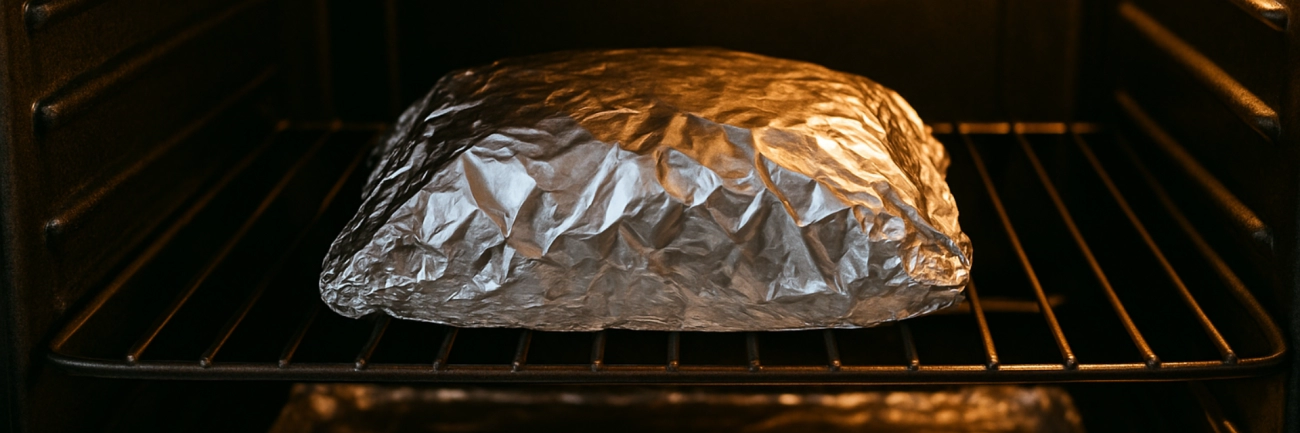
- In an oven, aluminum foil reflects radiant heat from the heating elements, preventing the foil itself from getting excessively hot.
- This reflective trait also helps cook food evenly by minimizing hot spots.
- It’s why aluminum foil can feel cool or just warm to touch, even after baking—because much of the heat is reflected, not absorbed.
Understanding this heat reflection property is key when using aluminum foil for cooking or wrapping. It explains why foil can safely handle high temperatures while still feeling relatively cool on the outside.
Practical Implications of Aluminum Foil for Cooking and Safety

When using aluminum foil in the kitchen, understanding its thermal properties is key to safe and effective cooking. Although aluminum foil doesn’t feel hot immediately, it does get hot in the oven and can transfer that heat to food or surfaces it touches.
Cooking Benefits of Aluminum Foil
- Even heat distribution: Aluminum foil’s good heat conductivity means it helps cook food evenly when wrapped tightly.
- Heat reflection: Its shiny surface reflects heat, which can protect food from burning or overcooking on one side.
- Moisture retention: By sealing in moisture, aluminum foil keeps foods tender and juicy during baking or grilling.
Safety Tips When Handling Aluminum Foil
- Watch for burns: Even if the foil feels cool at first, it can cause burns once it absorbs heat, especially coming out of an oven or off a grill.
- Avoid using foil with acidic foods: Acidic ingredients like lemon or tomato can interact with aluminum foil, affecting taste and safety.
- Use oven mitts or tongs: Always protect your hands when removing foil-wrapped items from the oven to prevent burns.
- Don’t reuse foil that’s torn or heavily used: Damaged foil can let heat escape unevenly or contaminate food.
By considering these points on aluminum foil cooking safety and heat behavior, you can maximize its benefits in your kitchen without risk. For U.S. customers, knowing how foil works with heat ensures safe handling while taking advantage of its excellent thermal properties for meal prep.
Common Misconceptions About Aluminum Foil Heating and Thermal Properties
When it comes to aluminum foil, there are plenty of misunderstandings about how it heats up and its thermal behavior. Let’s clear up some of the most common myths related to aluminum foil heat conductivity and safety.
Aluminum Foil Doesn’t Heat Up Because It’s Cool to Touch
A popular misconception is that if aluminum foil doesn’t feel hot, it can’t be hot. In reality, aluminum foil heats up quickly due to its good heat conductivity, but because it’s very thin with low heat capacity, it doesn’t hold much heat. That’s why it can feel cool or only warm to the touch, even if it’s been in a hot oven. This doesn’t mean it’s safe to handle without caution, especially if it’s been wrapped around hot food or exposed to direct heat for a while.
Aluminum Foil Reflects Heat Rather Than Absorbs It
Another myth is that aluminum foil is a great insulator. Actually, foil reflects much of the radiant heat from the oven or grill, which is why it keeps food warm or helps with even cooking. This reflective property contributes to why aluminum foil doesn’t seem to get as hot on the surface compared to other materials that absorb heat. However, the foil itself can still become quite hot—and cause burns—if you touch it straight from the oven.
Aluminum Foil Doesn’t Burn You Like Other Metals
Some people think that because aluminum foil is thin and feels light, it can’t cause burns, but it certainly can. The foil heats fast and will transfer heat to your skin if you grab it straight from a baking tray or grill. So, using oven mitts or tongs is essential when handling aluminum foil heated by cooking.
Aluminum Foil and Microwave Use
A common safety question is whether aluminum foil gets hot in the microwave. While foil is not recommended for use in microwaves because it can cause sparks, if it is used briefly and properly, the thin foil doesn’t get very hot due to minimal interaction with microwave energy. Still, avoiding foil in microwaves is best for safety.
Bottom Line on Misconceptions
- Aluminum foil heat conductivity is high, but low heat capacity means it doesn’t store heat well.
- It feels cool or mildly warm, but can still cause burns if hot.
- Its heat reflection helps protect food but doesn’t mean the foil itself isn’t hot.
- Microwave use of foil is unsafe despite misconceptions about heating.
Understanding these points helps you use aluminum foil safely and effectively in your kitchen. Don’t underestimate the heat aluminum foil can reach, and always handle it with care to avoid burns or accidents.
Choosing the Right Aluminum Foil from Artfullife for Your Kitchen Needs
When it comes to picking aluminum foil for everyday cooking, not all foils are created equal. Artfullife offers a range of aluminum foil products designed to meet the cooking habits and safety needs of U.S. households. Here’s what you should consider to get the best foil for your kitchen:
Match Foil Type to Your Cooking Style
- Heavy-duty foil is perfect for grilling or wrapping items that require more heat and strength. It handles higher temperatures without tearing or burning, making it ideal for roasting or BBQ.
- Standard household foil is great for everyday use like covering dishes, lining pans, or storing leftovers. It balances heat conductivity and ease of use.
- Non-stick foil is especially handy for baking or cooking delicate foods to prevent sticking and reduce cleanup.
Focus on Thermal Properties and Heat Safety
Artfullife’s aluminum foil is designed with optimal thermal conductivity to conduct heat efficiently without overheating quickly. This helps cook your food evenly and reflects heat when needed, improving cooking results. Plus, the foil’s heat capacity ensures it doesn’t get hot to the touch quickly, reducing the risk of burns in your kitchen.
Consider Thickness and Size Options
Choosing the right thickness impacts how heat moves through the foil. Thicker options provide better heat retention but take longer to warm up, while thinner foil heats faster but is less durable. Artfullife offers foil rolls in various widths and lengths to fit different cooking tasks, from everyday meal prep to larger gatherings.
Look for Food Safety and Convenience
Artfullife’s aluminum foil meets U.S. food safety standards, ensuring no harmful chemicals leach into your meals. It’s also designed to be easy to handle, tear, and mold around foods and containers, making food storage and cooking hassle-free ideas.
Final Tip
If you want reliable aluminum foil that balances heat conductivity, cooking safety, and durability, look no further than Artfullife. Their foils offer a trusted combination of thermal properties designed for the variety of American cooking styles, from oven baking to grill roasting.
By choosing the right aluminum foil from Artfullife, you’re ensuring food cooks evenly, stays safe, and your kitchen stays comfortable — making every meal easier and more enjoyable.