
















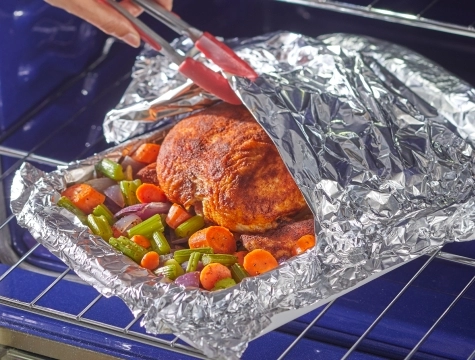
Are you looking for the best way to use aluminum foil for baking delicate foods without ruining their texture or flavor? Whether you’re working with fragile fish, airy pastries, or tender vegetables, knowing how to handle foil properly can make all the difference.
In this guide, you’ll discover expert tips on using aluminum foil to protect your delicate dishes from drying out, sticking, or overcooking — all while preserving moisture and presentation. Plus, we’ll cover eco-friendly alternatives and safety tips to keep your kitchen efficient and sustainable.
Ready to bake your delicate foods like a pro? Let’s jump right in!
Delicate Foods and Their Baking Needs
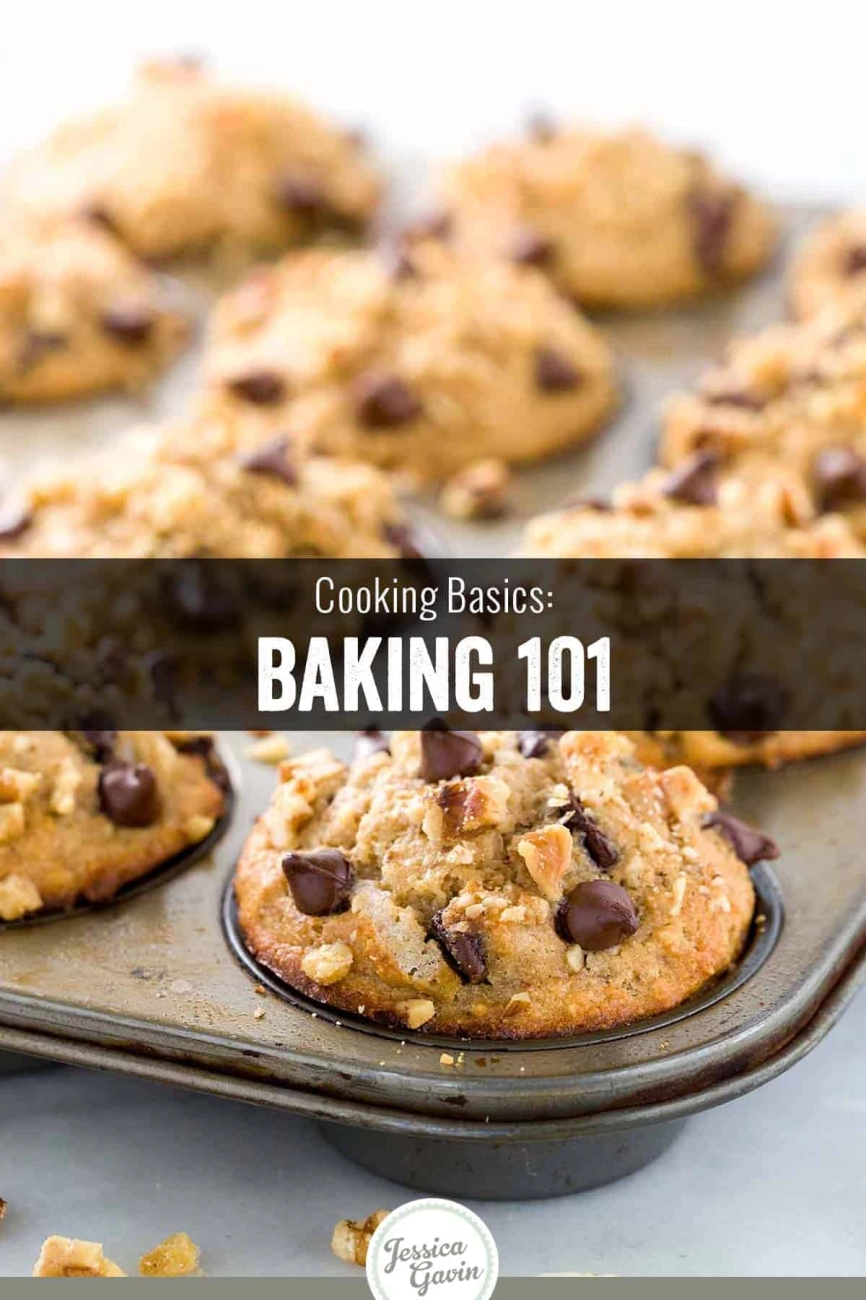
When it comes to baking, delicate foods like fish, tender vegetables, and light pastries require extra care. These foods have fragile textures that can easily dry out, break apart, or overcook if not handled properly. Understanding their specific baking needs is key to achieving perfect results every time.
What Makes a Food Delicate for Baking
- Thin or flaky textures: Foods like flaky fish fillets or soft pastries can fall apart with harsh handling or high direct heat.
- Low fat content: Lean proteins and vegetables tend to dry out quickly without moisture retention.
- Short cooking times: Many delicate foods need gentle heat and precise timing to avoid toughening or burning.
Baking Needs of Delicate Foods
- Even gentle heat: Avoid direct exposure to high temperatures. This helps preserve moisture and texture.
- Moisture retention: Wrapping or covering helps lock in natural juices and prevents drying.
- Nonstick surfaces: Delicate foods can stick easily, so a protective barrier is important to maintain their shape and appearance.
Why Proper Tools Matter
Choosing the right baking method and materials—such as using aluminum foil for baking delicate foods—can make a huge difference. The foil acts as a shield that gently cooks food while preserving moisture and flavor. It also prevents sticking and protects tender food from direct oven heat.
By addressing these needs, you’ll get well-cooked, flavorful, and perfectly textured results from your delicate food dishes. In the next sections, I’ll explain exactly how to use aluminum foil for baking delicate foods safely and effectively.
Why Choose Aluminum Foil for Baking Delicate Foods
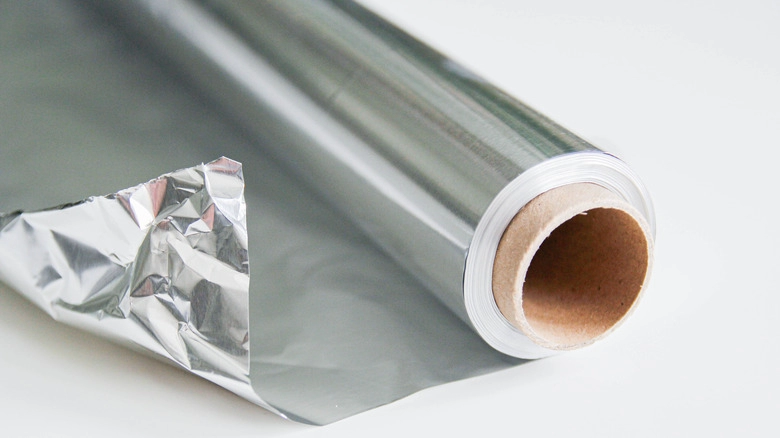
Aluminum foil is a top choice when it comes to baking delicate foods like fish, tender vegetables, and baked goods. Its unique properties make it especially useful in maintaining the quality and texture of these dishes.
Even Heat Distribution and Protection
One big advantage of using aluminum foil is how well it distributes heat. This helps avoid hot spots that can burn or dry out delicate foods during baking. Wrapping food in foil creates a mini-steam environment, locking in moisture and flavor without direct exposure to dry heat.
Prevents Sticking and Makes Cleanup Easy
Aluminum foil is great at preventing food from sticking, especially when you add a light coating of oil or cooking spray. This is essential when baking delicate fish or soft vegetables that might otherwise fall apart. Plus, foil makes cleanup simple and fast, saving you time in the kitchen.
Versatile and Convenient
You can wrap food completely or use foil as a cover, which offers a lot of flexibility. Whether you want to bake a tender piece of salmon or protect a fragile soufflé, foil adapts to these needs effortlessly.
Food Safety and Durability
Aluminum foil is safe for oven use at typical baking temperatures and doesn’t release harmful chemicals when used properly. It stands up well to high heat without melting or losing integrity, ensuring your food cooks evenly and safely.
of Benefits
- Locks moisture and flavor in delicate foods
- Even heat distribution prevents burning
- Prevents food from sticking when used with a bit of oil
- Easy to wrap and shape for various baking needs
- Simplifies cleanup by containing messes
- Safe and durable for oven baking
By choosing aluminum foil for baking delicate foods, you get a reliable, effective way to protect and cook sensitive dishes perfectly every time.
Practical Tips for Using Aluminum Foil for Baking Delicate Foods
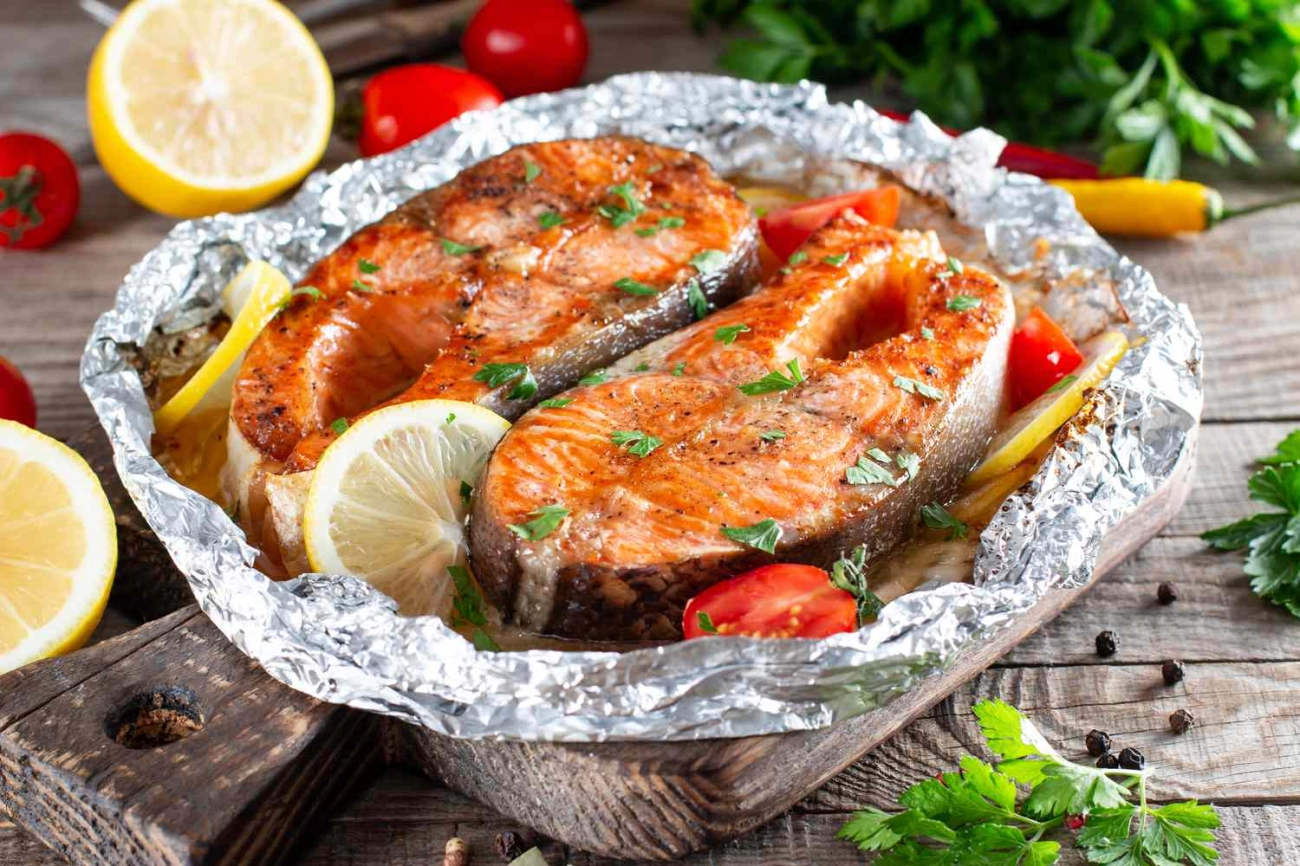
When baking delicate foods like fish or tender vegetables, using aluminum foil the right way can make all the difference. Here are some practical tips to get the best results while avoiding common issues:
Use the Right Side of Aluminum Foil
- The shiny side reflects heat better, so place it facing outward to prevent overcooking.
- The dull side can help reduce sticking when in contact with food, especially delicate items.
Prevent Food from Sticking to Foil
- Lightly brush the foil with oil or melted butter before placing your food on it.
- Alternatively, use a spray cooking oil for easy coverage.
- For extra protection, layer parchment paper beneath the foil to combine the benefits of both (foil’s heat control and parchment’s nonstick surface).
Wrap Food Loosely to Lock in Moisture
- When wrapping delicate fish or vegetables, don’t seal the foil too tightly.
A loose pouch or tent allows steam to circulate, keeping your food moist and preventing it from drying out or getting mushy.
Avoid Direct Contact with Acidic Foods
- Acidic ingredients like lemon or tomato can react with aluminum foil and cause a metallic taste.
To prevent this, place a layer of parchment paper between the food and the foil when baking acidic dishes.
Use Foil to Protect Delicate Foods in the Oven
- When roasting tender vegetables, cover them loosely with foil halfway through baking to avoid over-browning.
- For delicate fish, wrap in foil packets (also known as en papillote) helps lock in flavors and prevent drying.
Don’t Reuse Foil When Baking Delicate Foods
- To maintain food safety and avoid contamination, use fresh aluminum foil each time you bake delicate food.
- However, you can reuse foil in non-food contact areas like covering pans or lining trays.
Monitor Cooking Time and Temperature Closely
- Aluminum foil can speed up cooking by conducting heat efficiently.
Check your delicate dishes early to avoid overcooking.
Following these simple tips will help you bake delicate foods with aluminum foil safely and effectively, ensuring tender, flavorful results every time.
Common Mistakes to Avoid When Using Aluminum Foil for Baking Delicate Foods

Using aluminum foil for baking delicate foods like fish, tender vegetables, or desserts can be a game-changer. However, certain mistakes can spoil your dish or cause safety issues. Here’s what to watch out for:
Wrapping Too Tightly or Too Loosely
- Wrapping food too tightly traps steam and moisture, which can make delicate foods soggy instead of tender.
- Wrapping too loosely causes heat to escape, leading to uneven cooking.
Aim for a snug but breathable wrap that holds moisture without drowning your food.
Placing Foil on Direct Oven Surfaces
Never lay foil directly on the oven racks or heating elements unless the recipe calls for it. It can block airflow or cause burning spots. Use a baking dish or tray under the foil-wrapped food to promote even heat circulation.
Using Shiny Side Incorrectly
Many wonder if the shiny or dull side of aluminum foil should face the food. The difference is minimal, so don’t stress over shiny side versus dull side. Focus more on wrapping technique than foil orientation.
Not Preventing Food From Sticking
Delicate foods like fish or tender veggies can stick to the foil, tearing apart when you unwrap. To prevent this:
- Lightly grease the foil with oil or butter.
- Use non-stick aluminum foil if available.
- Or, place a layer of parchment paper between the food and foil for easy release.
Ignoring Food Safety Tips
- Avoid cooking with foil at extremely high temperatures for prolonged periods, as this can cause aluminum to leach into food.
- Don’t reuse foil that has visible food remnants or damage.
- Wrap acidic foods like tomato-based dishes carefully, as acid can react with aluminum foil affecting taste and safety.
Over-Relying on Aluminum Foil Without Alternatives
Though foil is versatile, sometimes parchment paper or silicone mats are better for delicate foods. For example, baking tender vegetables might come out better on parchment paper because it prevents sticking without altering texture.
By dodging these common mistakes, you’ll get the most out of aluminum foil for baking delicate foods, keeping your meals tasty, safe, and stress-free.
Eco-Friendly Perspectives on Aluminum Foil for Baking Delicate Foods
Aluminum foil is super handy when baking delicate foods like fish or tender vegetables, but its environmental impact is something many of us think about today. Producing aluminum uses a lot of energy, and while foil is recyclable, it often gets thrown away after just one use, which isn’t great for the planet.
Reusing Aluminum Foil for Baking Delicate Foods
One simple way to reduce waste is reusing aluminum foil when possible. If you’re careful about cleaning it—removing food residue without tearing—you can reuse foil sheets several times, especially when wrapping foods like fish or tender veggies for baking. This reduces the number of disposable wraps piling up.
Alternatives to Aluminum Foil in Baking Delicate Foods
If eco-friendliness is a top priority, here are some alternatives that are kinder to the environment but still work well with delicate foods:
- Parchment Paper: A popular alternative for baking delicate fish or vegetables. It prevents sticking and helps retain moisture without the environmental cost of single-use aluminum.
- Silicone Baking Mats: Reusable and non-stick, these mats can replace foil for baking tender dishes, cutting down on waste.
- Beeswax Wraps or Compostable Wraps: Best for wrapping food before baking at lower temperatures or for storage, though not ideal for higher heat baking.
Aluminum Foil vs Parchment Paper for Eco-Friendly Baking
While aluminum foil provides a reliable barrier and heat reflector, parchment paper usually has a smaller environmental footprint. It’s biodegradable and compostable and doesn’t involve the intensive mining process aluminum does. For delicate foods, parchment also reduces sticking, which cuts down on waste from scraps left behind on foil.
Final Thoughts on Eco-Friendly Baking
- Recycle aluminum foil properly if you do use it—make sure it’s clean and free from food residue.
- Try double duty with foil by reusing gently before recycling.
- Consider switching to more sustainable wraps like parchment or reusable mats when baking delicate foods.
By balancing convenience with conscious choices, you can enjoy baking tender fish, vegetables, and other delicate foods while keeping your kitchen eco-friendly.
Step-by-Step Guide Baking a Delicate Food with Aluminum Foil
When you’re baking delicate foods like fish, tender vegetables, or even delicate desserts, using aluminum foil can make a big difference. It helps protect the food, lock in moisture, and prevent sticking. Here’s how to do it right.
Prepare Your Aluminum Foil
- Use heavy-duty foil for durability, especially if wrapping foods with moisture or juices.
- Tear off a piece large enough to fully wrap your food plus some extra to seal tightly.
- For extra non-stick protection, lightly spray or brush the foil with oil or use a small piece of parchment paper between the foil and the food.
Prepare Your Delicate Food
- Pat your food dry to reduce excess moisture.
- Season or marinate it as desired.
- If baking fish or vegetables, place fresh herbs, lemon slices, or a small pat of butter on top for extra flavor and moisture.
Wrap the Food Carefully
- Center the food on the foil.
- Fold the foil edges up and over the food, sealing tightly to create a pouch. Make sure the seal is secure but don’t crush the food.
- Leaving a little space inside allows steam to circulate, gently cooking your delicate ingredients without drying them out.
Bake at the Right Temperature and Time
- Preheat your oven according to your recipe.
- Place the foil packet on a baking sheet to catch any leaks.
- The foil pouch traps steam, so you can often bake delicate foods at lower temperatures (usually 325°F to 375°F).
- Cooking times vary by food but avoid overbaking to keep tenderness intact.
Finishing Touches
- Once baked, remove the foil carefully to avoid burns from escaping steam.
- You can open the foil pouch and let the food rest for a minute to absorb juices.
- For crispy edges, unwrap the foil and broil for 1-2 minutes, watching closely.
Key Benefits of Using Foil This Way
- Prevents food sticking to foil, especially when oil or parchment paper is used.
- Protects delicate foods from direct oven heat.
- Locks in moisture for tender results.
- Makes cleanup quick and easy.
Following these steps ensures the best way to use aluminum foil for baking delicate foods, letting you enjoy perfectly cooked fish, veggies, and more every time.
Frequently Asked Questions About Aluminum Foil for Baking Delicate Foods
Is aluminum foil safe for baking delicate foods like fish and vegetables?
Yes, aluminum foil is safe for baking delicate foods such as fish, tender vegetables, and baked goods when used properly. It helps retain moisture and protects food from direct oven heat, preventing burning or drying out. Just make sure to avoid acidic marinades or ingredients that can react with foil, which might affect taste or safety.
How can I prevent delicate foods from sticking to aluminum foil?
To prevent food from sticking when wrapping food in foil for baking, try these easy tips:
- Lightly grease the foil with oil or butter before placing your food.
- Use a layer of parchment paper between the food and foil.
- Avoid using shiny side only—both sides can work but greased surfaces help more.
These steps ensure delicate fish or vegetables release easily after baking.
What’s the best way to use aluminum foil for baking delicate items?
For the best results when baking delicate foods:
- Wrap food loosely in foil to allow steam to circulate.
- Use foil packets (“en papillote”) for fish or vegetables to lock in moisture and flavor.
- Tent larger items with foil instead of wrapping tightly to avoid sogginess.
This method protects fragile textures and cooks evenly.
Can aluminum foil replace parchment paper for delicate food baking?
Aluminum foil and parchment paper serve different purposes. Foil is great for using foil to protect food in the oven and keeping moisture in. Parchment paper is often better for non-stick baking, such as cookies or bread. If you want alternatives to aluminum foil in baking, consider parchment for non-stick needs, or silicone baking mats for reusable options.
How do I reuse aluminum foil safely for baking?
You can reuse foil if it’s clean and unmarred. After baking delicate foods, gently wipe off food residue and fold for next use. This supports eco-friendly kitchen wraps and foil reuse and reduces waste in your home kitchen.
Are there any eco-friendly alternatives to aluminum foil?
Yes, some alternatives include:
- Parchment paper for non-stick and easy cleanup.
- Silicone baking mats for repeated use.
- Beeswax wraps for short-term food covering (not oven-safe).
For more on aluminum foil and recycling, check out Why Isn’t Aluminum Foil Recyclable.
Can wrapping food in foil affect baking time or temperature?
Yes, wrapping food in foil can slow down cooking or keep food moist, which might require slight adjustments to baking time or temperature. Usually, you can lower the heat a little and bake longer when using foil packets for delicate fish or vegetables.
Using aluminum foil right can make baking delicate foods much easier and tastier. Keep these tips and the FAQs in mind to get the most out of your foil baking experience. For a practical example, see how to bake salmon in foil at Baking Salmon in Tin Foil Oven.