
















What Are Silicone Pouches A Quick Breakdown of the Material
Silicone pouches are a popular choice among reusable food storage bags and eco-friendly kitchen alternatives because of their durability and flexibility. But what exactly is silicone, and how does it impact food storage and the environment?
Silicone is a synthetic polymer made by bonding silicon, oxygen, carbon, and hydrogen atoms. Unlike plastic, which is petroleum-based, silicone starts with silica—essentially sand. This gives silicone its heat resistance, flexibility, and chemical stability. These properties make silicone pouches ideal for a wide range of uses, from meal prep containers to zippered storage bags that protect food without leaking or absorbing odors.
Here are some key facts about silicone pouches:
- Food-grade silicone is non-toxic and safe for contact with food. It won’t leach harmful chemicals, making it a healthier alternative to single-use plastic bags.
- Silicone withstands extreme temperatures, so you can freeze, microwave, or boil it without damage.
- These pouches are highly durable and can last for years with proper care, reducing the need for disposable packaging.
- Unlike traditional plastics, silicone is flexible yet strong, so it resists tearing and cracking under stress.
In comparison to plastic bags, silicone pouches offer significant benefits for those looking to reduce single-use waste. However, their synthetic nature means they’re not as simple as some biodegradable options when it comes to disposal and recycling. This is why it’s important to understand exactly what silicone is and how it fits into the bigger picture of sustainable meal prep containers and non-toxic food pouches.
If you want to dive deeper into how silicone pouches stack up as reusable storage, check out our detailed guide on silicone storage bags here.
The Hard Truth Why Silicone Pouches Aren’t Biodegradable or Compostable
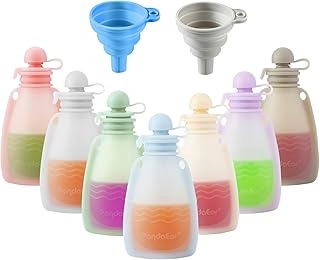
While silicone pouches are popular as reusable food storage bags and non-toxic food pouches, it’s important to understand that they are not biodegradable or compostable. Unlike plant-based food wraps or compostable produce bags made from natural fibers, silicone is a synthetic material derived from silica (sand) combined with organic compounds. This unique makeup means it doesn’t break down like organic materials in a landfill or home compost bin.
Silicone’s chemical structure makes it durable but resistant to natural decomposition. It can take hundreds of years to break down and won’t become part of the soil or garden during composting. Because of this, silicone pouches do not fit into the category of biodegradable packaging options or truly eco-friendly kitchen alternatives if your goal is zero waste or compost sustainability.
Additionally, silicone recycling is limited, and most curbside programs won’t accept it, which adds to the Silicone recycling challenges faced in the U.S. Without specialized recycling facilities, discarded silicone pouches tend to end up in landfills where they persist without breaking down.
So, while silicone pouches beat single-use plastic for reusability and avoiding chemicals, their environmental impact differs from compostable or biodegradable alternatives. Remember this when choosing sustainable meal prep containers or zero-waste supermarket supplies to reduce your environmental footprint effectively.
Environmental Pros and Cons of Silicone Pouches A Balanced View
When thinking about silicone pouches and their environmental impact, it’s important to weigh both the good and the bad. These reusable food storage bags have grown popular as an eco-friendly kitchen alternative, especially for those moving away from single-use plastics. But what does that mean for the planet?
Pros of Silicone Pouches
- Durability and Reusability: Silicone pouches last a long time. Unlike disposable plastic bags or some biodegradable packaging options, they can be cleaned and used hundreds of times. This cuts down on waste and the need for constant replacements.
- Non-toxic and Safe: Silicone is considered non-toxic, so it doesn’t leach harmful chemicals into your food, making it better for your health and the environment compared to many plastics.
- Temperature Resistant: These pouches can handle heat and cold, so you can freeze, microwave, or even boil food safely. This versatility means fewer containers are needed overall.
Cons of Silicone Pouches
- Not Biodegradable or Compostable: While silicone is a step away from plastics, it’s still a synthetic material made from silica (sand) and doesn’t break down naturally in soil or compost like plant-based food wraps or compostable produce bags.
- Recycling Challenges: Silicone recycling isn’t widely available in the U.S. Most curbside programs don’t accept it, causing many pouches to end up in landfills, where they can persist for decades.
- Energy Intensive Production: Making silicone uses more energy compared to producing regular plastic or plant-based alternatives, which contributes to a larger carbon footprint upfront.
Balancing Your Choice
Choosing silicone over plastic can reduce plastic pollution and cut down on single-use waste. But because silicone pouches aren’t biodegradable or easily recycled, they’re not a perfect zero-waste supermarket supply.
If you’re using silicone, the best way to stay environmentally responsible is to use them as long as possible and look for local recycling programs that accept silicone. Pairing silicone use with other sustainable meal prep containers like glass or stainless steel can help balance out the impact.
Bottom line: Silicone pouches offer some genuine environmental benefits, but they’re not the ultimate eco-friendly solution. Knowing their strengths and limitations helps you make smarter choices in your kitchen and supports a more sustainable lifestyle.
Better Alternatives Truly Sustainable Options for Food Storage
When looking for truly sustainable food storage options, it’s important to move beyond silicone pouches since they aren’t biodegradable or compostable. Thankfully, plenty of eco-friendly kitchen alternatives are available that align better with zero-waste lifestyles and have less impact on the environment.
Plant-Based Food Wraps and Bags
- Compostable produce bags made from materials like cornstarch or cellulose break down naturally, making them a smart substitute for plastic or silicone.
- Beeswax wraps and other plant-based food wraps are reusable, breathable, and can be composted once worn out.
- These wraps keep food fresh without relying on synthetic materials.
Biodegradable Packaging Options
- Look for biodegradable packaging options certified for composting. These are designed to break down in home or industrial compost systems.
- Avoid generic “biodegradable” labels—they don’t always decompose properly outside of specialized conditions.
Sustainable Meal Prep Containers
- Containers made from stainless steel, glass, or silicone alternatives that are recyclable can last for years and reduce waste.
- Many are BPA-free and non-toxic food pouches designed with recyclability in mind, reducing the environmental toll.
- Brands focused on zero-waste supermarket supplies often offer containers that balance usability and environmental impact.
Reusable Food Storage Bags that Recycle Easier
- Some reusable bags are made from recycled polyester or other recyclable plastics and can be dropped off at specialized recycling points.
- While not perfect, these usually have a smaller carbon footprint compared to silicone or single-use plastics.
What to Prioritize When Choosing Alternatives
- Look for materials that can return safely to the Earth, either via home compost or regular recycling.
- Check local service options to know if your community supports composting or special recycling programs.
- Avoid single-use items no matter the material. Durability trumps disposability for sustainability.
By choosing biodegradable packaging options, plant-based food wraps, and recyclable reusable food storage bags, you’re making a genuine step toward cutting down your environmental impact in everyday kitchen use. This approach fits well for US customers who want practical, sustainable meal prep solutions without compromising on convenience or safety.
How to Make Silicone Pouches Work Harder for the Planet
If you already own reusable silicone food storage bags or pouches, you’re a step ahead in reducing single-use plastic waste. Since silicone pouches aren’t biodegradable or compostable, getting the most out of them is key to minimizing their environmental impact. Here’s how you can make silicone work harder for the planet:
Use Silicone Pouches Longer and More Often
Durability is a big plus of silicone pouches—they can last for years if cared for properly. To maximize their eco-friendly potential:
- Wash and reuse your silicone bags instead of disposable plastic ones.
- Avoid tossing them after small damages; sometimes minor tears can be repaired with silicone sealants.
- Use them for multiple purposes: storing snacks, packing lunches, freezing leftovers, or organizing small household items.
Proper Cleaning Extends Their Lifespan
Taking care of your silicone bags keeps them safer for food and holding up longer:
- Hand wash with mild soap or run through the dishwasher.
- Avoid harsh scrubbing or abrasive cleaners that can break down silicone over time.
- Dry thoroughly before storing to prevent mold and odors.
Explore Local Recycling Options
While silicone recycling is tough, it’s not impossible. Check if there are specialized programs or drop-off points near you for silicone products. Some eco-friendly kitchen stores and zero-waste supermarkets offer recycling or take-back programs for silicone goods.
- If none exist locally, look for mail-in programs from companies specializing in silicone recycling.
- Never toss silicone pouches in your regular curbside recycling bin—they require different processing.
Combine Silicone Pouches with Other Sustainable Kitchen Habits
Using silicone pouches alongside other eco-friendly kitchen alternatives reduces your overall waste footprint:
- Pair with compostable produce bags or plant-based food wraps for produce and fresh foods.
- Use with sustainable meal prep containers that are biodegradable or recyclable.
- Avoid single-use plastics as much as possible even when using silicone.
Donate or Repurpose Instead of Disposing
If you’re done with your silicone pouches but they’re still functional:
- Donate to local food banks, shelters, or community groups that may need reusable food storage.
- Use them in non-food roles like organizing tools, craft supplies, or travel gear.
By stretching the use of your silicone pouches and integrating them within a comprehensive approach to reducing plastic, you can help lower your environmental impact. Though not compostable or biodegradable, silicone’s long life and safety for repeated use make it a better kitchen option than most plastics when managed responsibly.