

















You’ve just finished cooking, and that crumpled bit of aluminum foil is staring back at you—trash or recycle? While many know foil is 100% recyclable, the confusion around cleaning, local rules, and contamination often sends it straight to the landfill. The truth is, recycling aluminum foil can save huge amounts of energy—up to 14,000 kWh per ton—and every sheet counts toward a greener kitchen. In this quick guide, we’ll cut through the myths, show you how to prep your foil right, and share simple tips to recycle smarter—so you can turn that leftover foil into real impact today.
Why Recycling Aluminum Foil Matters The Environmental and Energy Impact
Recycling aluminum foil goes far beyond just clearing clutter from your kitchen. Aluminum foil recycling plays a crucial role in reducing environmental harm and saving energy, making it a smart and sustainable choice for households across the U.S.
The Environmental Importance of Recycling Aluminum Foil
Aluminum is a valuable resource but mining and processing raw bauxite ore—the primary source of aluminum—is highly energy-intensive and environmentally damaging. It contributes to:
- Deforestation and habitat destruction
- Water pollution and high water usage
- Greenhouse gas emissions
By recycling aluminum foil, we significantly reduce the need for mining new aluminum, protecting ecosystems and conserving natural resources. Since aluminum foil is often thin and lightweight, recycling it helps prevent it from ending up in landfills where it can take hundreds of years to break down.
Energy Savings from Recycling Aluminum Foil
One of the biggest benefits of recycling aluminum foil is its massive energy savings. Producing aluminum from recycled materials uses up to 95% less energy than making it from raw ore. This has a direct impact on reducing carbon footprints and lowering overall energy consumption nationwide.
- Recycling just one ton of aluminum foil can save enough energy to power over 10 homes for a year.
- These energy savings also lead to reduced greenhouse gas emissions, helping fight climate change.
Sustainable Aluminum Waste Reduction
Proper recycling of aluminum foil contributes to sustainable aluminum waste reduction by giving this material a second life. When clean and correctly prepared for recycling, aluminum foil can be melted down and remade into new products endlessly, unlike many other materials.
However, foil contamination from food waste or grease can pose challenges in recycling programs. This makes clean aluminum foil recycling essential to maximize environmental benefits and support local recycling centers’ efforts.
In short, recycling aluminum foil is a simple action with outsized positive impacts—cutting energy use, protecting the environment, and supporting sustainable resource management. It’s a smart recycling choice that aligns with broader eco-friendly living goals.
The Big Myths Is Aluminum Foil Actually Recyclable
There’s a lot of confusion around is aluminum foil recyclable—and it’s understandable. The answer isn’t always a straightforward yes or no because it depends on a few important factors. Let’s break down the common myths and what’s actually true.
Myth 1 Aluminum foil can’t be recycled because it’s too thin
This one is partly true but often misunderstood. While super thin scraps of foil can be tricky for recycling machines to handle, clean and balled-up aluminum foil recycles just fine. The key is to make sure it’s clean and free of food residue. Tiny bits of leftover food cause contamination, which often leads to foil contamination in recycling and gets sent to the landfill instead.
Myth 2 Soiled foil like used takeaway trays can’t be recycled
This is mostly correct. Soiled foil recycling is a no-go at most curbside programs because food grease and bits ruin the recycling process. For greasy or heavily used aluminum trays and foil, you should:
- Toss in the trash if too dirty
- Or if your local recycling center accepts aluminum tray recycling rules, follow their instructions for cleaning first.
Myth 3 All types of foil including tin foil are recyclable the same way
People often ask, “Is tin foil recyclable?” The truth is aluminum foil and tin foil (which is rarely made of tin nowadays) have different recycling rules. Most tin foil you find is actually aluminum. Confirm with your local aluminum recycling centers to see what’s accepted.
Myth 4 Aluminum foil isn’t worth recycling because it’s so small
This couldn’t be further from the truth. Recycling aluminum saves up to 95% of the energy needed to produce new aluminum, so even small pieces make a big difference. That’s why clean aluminum foil recycling is important—it helps with sustainable aluminum waste reduction and cuts down on overall energy waste.
Key takeaway
Aluminum foil is recyclable as long as it’s clean and prepared correctly. The biggest hurdle is contamination from food scraps and grease, so before you toss foil in your recycling bin, take a moment to clean or ball it up. Always check your local recycling rules and curbside aluminum foil preparation guidelines to make sure you’re doing it right.
How to Prepare Aluminum Foil for Recycling Step-by-Step Instructions

Recycling aluminum foil is great for the planet, but proper preparation is key to making sure your foil actually gets recycled. Here’s a simple guide to get your aluminum foil ready for curbside or drop-off recycling.
Clean Your Aluminum Foil Thoroughly
- Remove food residue: Leftover grease, sauces, or baked-on bits can contaminate the recycling batch. Rinse or wipe your foil clean before recycling.
- For lightly soiled foil, a quick rinse can be enough. If heavily soiled, try soaking the foil in warm soapy water to loosen stuck food.
- Avoid recycling foil that’s too dirty or greasy, as it may be rejected and end up in landfill.
Flatten and Compact the Foil
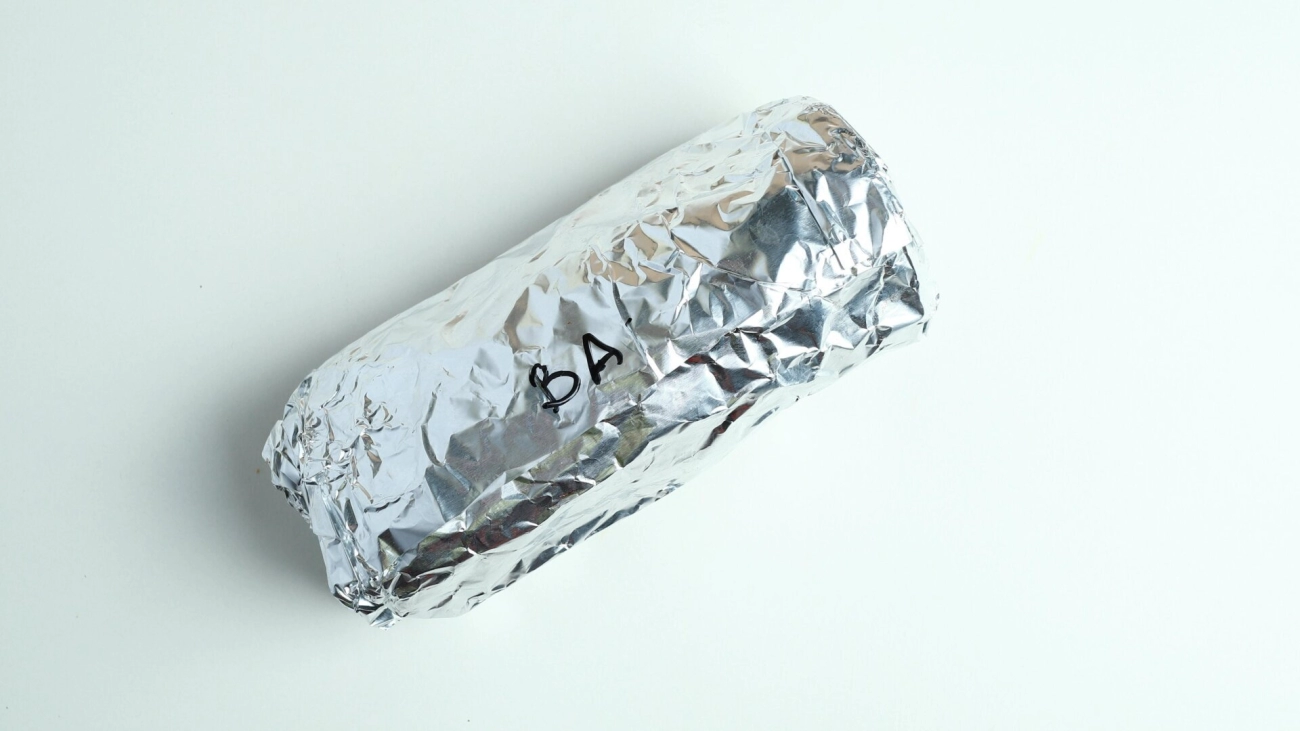
- Scrunch the foil into a ball roughly the size of a tennis ball or larger. Recycling centers prefer foil in balls because loose foil can clog machines.
- Larger, compact balls also make it easier for local aluminum recycling centers to sort and process your foil efficiently.
Separate Aluminum Foil from Other Materials
- Don’t recycle foil with non-aluminum materials, such as plastic wrap, wax paper, or food packaging layers. The mix causes foil contamination.
- This includes aluminum trays—if you want to recycle those, check your area’s aluminum tray recycling rules since they can vary.
Know Your Local Recycling Guidelines
- Some curbside programs accept clean aluminum foil directly if properly prepared.
- Others may require you to take foil to specific recycling drop-off locations. Check your local waste management website or community recycling directories.
Disposal Tips for Soiled Foil
- If you can’t clean stubbornly dirty foil, it’s better to dispose of it in the trash rather than risk contaminating the recycling bin.
- For guidance on handling foil contamination in recycling, see additional resources like Are Aluminum Foil Recyclable.
By following these steps, you can help reduce foil waste and maximize the energy savings from foil recycling. Remember, a little effort cleaning and prepping your foil goes a long way in keeping recycling streams clean and efficient.
Where and How to Recycle Aluminum Foil Local Rules and Drop-Off Options
Recycling aluminum foil isn’t always straightforward because local recycling rules vary quite a bit across the U.S. To make sure you’re recycling properly, it’s important to understand what your curbside program accepts and where to find local aluminum recycling centers.
Check Your Local Curbside Recycling Guidelines
Before tossing aluminum foil into your recycling bin, verify if your community accepts it. Many curbside programs do recycle aluminum foil, but foil contamination from food can lead to it being rejected. Here’s what to do:
- Clean Aluminum Foil Recycling: Rinse or wipe off any leftover food or grease. Small amounts of grease are okay, but heavy contamination can spoil the batch.
- Aluminum Foil Preparation for Curbside: Crumple the foil into a ball at least 2 inches across. This helps prevent it from flying away during collection and makes it easier to sort.
- Avoid Soiled Foil Disposal Mistakes: If the foil is heavily soiled or coated with plastic or food residue, it’s better to throw it away or explore reuse options.
Use Local Aluminum Recycling Centers
If your curbside program doesn’t accept used aluminum foil, look for nearby scrap metal or aluminum drop-off points. Many local aluminum recycling centers accept foil and trays in bulk. Calling ahead or checking their website can save you time and help you know:
- What forms of aluminum they accept (foil, trays, cans)
- Any preparation or sorting rules
- Drop-off hours and location details
Special Notes on Aluminum Trays and Foil
- Aluminum tray recycling rules often mirror those for foil but confirm with your local facilities.
- Avoid mixing aluminum foil wrapped with other materials like plastic wrap or parchment paper since these aren’t recyclable together.
- Keep in mind, foil that is too small or too thin might not be sorted correctly, so balling it up is a good practice.
By following these local rules and using the right drop-off options, you can maximize energy savings from foil recycling and contribute to sustainable aluminum waste reduction in your community.
For a deeper dive into aluminum foil basics and uses, check out this guide on What is Aluminum Foil Made Of.
Creative Reuse Ideas to Extend Aluminum Foils Life Before Recycling
Before tossing aluminum foil into the recycling bin, consider giving it a second life with some simple reuse ideas. Extending the life of your foil helps reduce waste and lessens the demand for new aluminum production, which saves energy and reduces environmental impact.
Easy Ways to Reuse Aluminum Foil Sheets
-
Use as a Cooking Aid
Reuse clean aluminum foil sheets to cover dishes while baking or grilling. It helps keep moisture in and prevents food from burning without needing new foil every time.
-
Wrap Leftovers
Instead of plastic wrap or bags, wrap leftover food in clean foil to keep it fresh. This works well for sandwiches, burgers, or roasted veggies.
-
Sharpen Scissors
Fold old aluminum foil several times and cut through it with your scissors. This helps sharpen the blades and puts the foil to practical use.
-
Line Baking Trays or Grill Pans
Place a clean sheet of foil in trays to catch drips and spills when roasting or grilling. After use, gently clean and reuse the foil again if it’s not too torn or soiled.
Reuse Tips for Soiled Aluminum Foil
If your foil is lightly soiled but not heavily contaminated with food, you can still reuse it by:
- Wiping off excess grease or food bits before reuse.
- Using it to cover compost bins, trash cans, or craft projects where appearance is less important.
Avoid Foil Contamination Before Recycling
Remember, clean aluminum foil is key for recycling, so reusing foil as many times as possible helps keep it in good shape and saves energy. Foil heavily contaminated with food or grease is often not accepted in curbside recycling programs, so reuse is a great way to reduce waste.
By extending the life of your aluminum foil through these creative methods, you help cut down on plastic use, reduce foil contamination in recycling streams, and support sustainable aluminum waste reduction right from your own kitchen.
Beyond Foil Broader Kitchen Recycling Tips from Artfullife
At Artfullife, we know recycling aluminum foil is just one part of creating a truly sustainable kitchen. Reducing waste and recycling smart goes beyond just foil—it means addressing all the materials you use daily. Here’s how you can boost your kitchen’s eco-friendly game:
Clean Aluminum Foil Recycling Is Just the Start
Make sure your aluminum foil is clean and free of food residue, or it might get rejected at recycling centers. This same rule applies to aluminum trays and other aluminum products.
Sort Your Recycling Properly
- Separate plastics, metals, paper, and glass. Mixing them can lead to contamination that ruins the whole batch.
- Check local aluminum recycling centers rules before tossing anything curbside. Some places accept foil only if bundled into a ball.
Manage Soiled Foil and Other Contaminated Materials
- If foil is heavily soiled, it’s better to dispose of it in the trash if your local program doesn’t take contaminated foil.
- Compost or trash greasy paper towels and food-soiled paper products rather than recycling them.
Use Eco-Friendly Kitchen Foil Alternatives
- Consider reusable beeswax wraps or silicone lids to cut down on foil usage.
- Use glass or stainless steel containers for food storage and baking instead of disposable foil trays.
Reuse Aluminum Foil Sheets When Possible
- Lightly soiled foil can often be washed and reused a few times, reducing waste before recycling.
- Encourage your family to save used but clean foil for tasks like lining paint trays or covering leftover food.
Sustainable Aluminum Waste Reduction Tips
- Buy products with minimal or recyclable packaging.
- Support brands that commit to eco-friendly practices and materials.
Get Customized Support from Artfullife
As a reliable supplier of supermarket supplies, Artfullife offers guidance and eco-friendly alternatives tailored to local businesses and homes in the U.S. We help you reduce waste, recycle correctly, and switch to sustainable materials easily.
By adopting a kitchen recycling mindset that goes beyond aluminum foil, you improve your overall environmental impact—and help keep your community’s recycling program running smoothly. Remember, small changes like sorting better and choosing reusable options add up to big energy savings and less landfill waste.