











Can you heat plastic in the microwave without risking your health or the planet? If you’ve ever hesitated before popping a plastic container into the microwave, you’re not alone. With growing concerns about microplastics, chemical leaching, and environmental impact, choosing safe and sustainable kitchenware is more important than ever. As advocates for healthier, greener living, we at Ecoartfullife have sifted through the science and practical tips to bring you a clear guide. In this article, you’ll uncover the risks of microwaving plastic, learn which containers are truly microwave-safe, and discover eco-friendly alternatives to transform your kitchen habits. Let’s dive in!
Understanding the Risks of Microwaving Plastic
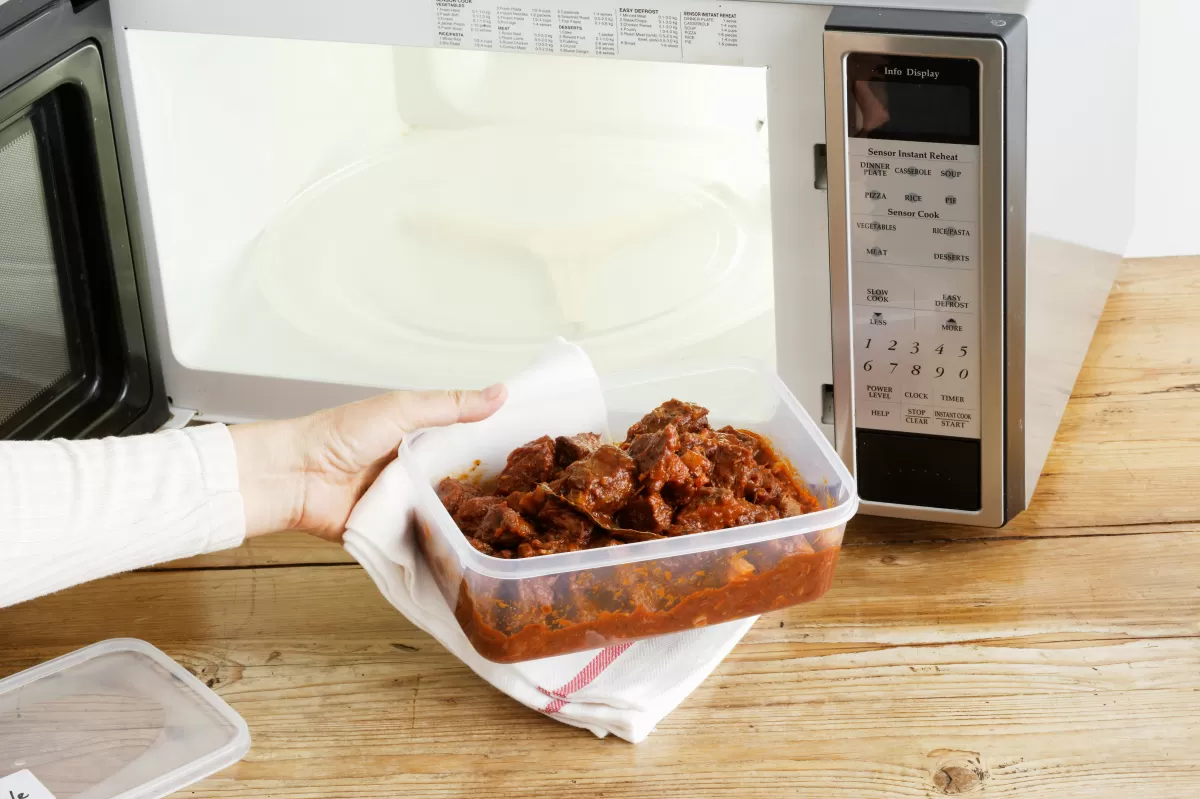
When you heat plastic in the microwave, it’s easy to assume it’s harmless, especially if the container says “microwave-safe.” But what actually happens under the surface might surprise you. Microwaving plastic can cause chemical compounds used in its production, like BPA or phthalates, to leach into your food. These chemicals have been linked to health risks such as hormone disruption and other long-term effects.
What Happens When You Microwave Plastic
Plastic containers can soften, warp, or even melt in the microwave, especially if they aren’t designed for that purpose. More importantly, heating plastic can release tiny particles, along with harmful substances, into your food. This process depends on the type of plastic, temperature, and heating duration.
Microplastics and Nanoplastics
Recent studies show that microwaving plastic can contribute to the breakdown of plastics into microplastics and nanoplastics. These microscopic pieces can mix with your food and then enter your body, raising concerns about their impact on health. Scientists are still studying the long-term effects, but minimizing exposure is wise.
Why Microwave-Safe Can Be Misleading
Just because a plastic container is labeled “microwave-safe” doesn’t mean it’s 100% risk-free. This label usually means the plastic won’t melt or warp under typical microwave conditions, but it doesn’t always guarantee that harmful chemicals won’t leach. Some materials considered microwave-safe may still release substances that aren’t ideal for health over repeated use.
Understanding these risks helps us make smarter choices about using plastic in the microwave and highlights why safer alternatives are worth considering.
Identifying Safe Plastics for Microwaving
Microwave-Safe Plastics
Not all plastics can handle microwave heat. Look for containers labeled microwave-safe—these are designed to withstand heat without melting or releasing harmful chemicals. Common microwave-safe plastics include polypropylene (PP) and some high-density polyethylene (HDPE) containers. Avoid using plastics without this label, as heating them can cause warping or chemical leaching.
Checking Labels
Always check the bottom or sides of your plastic containers for clear microwave-safe symbols or instructions. If you see a microwave icon or wording like “microwave-safe,” you’re generally good to go. Also, look for labels indicating the container is BPA-free, which means it doesn’t contain Bisphenol A—a chemical linked to health risks when heated. When in doubt, consult product information or manufacturer guidelines to be sure.
When to Replace Plastics
Replace plastic containers if you notice cracks, warping, discoloration, or a strong plastic smell after heating—these are signs your container may no longer be safe for microwaving. Repeated heat exposure breaks down plastics, increasing the chance of harmful chemicals leaching into your food. To stay safe, swap out old or damaged plastic containers regularly to keep your meals both safe and healthy.
Safer Alternatives to Plastic for Microwaving
Glass and Ceramic Containers
When it comes to heating food in the microwave, glass and ceramic containers are a top choice. They don’t leach chemicals into your food like some plastics can. Plus, they’re durable, easy to clean, and usually dishwasher safe. For US customers wanting to ditch plastic safely, these containers offer peace of mind and reduce exposure to harmful substances like BPA and phthalates.
Ecoartfullife’s Solutions
Ecoartfullife offers a great range of eco-friendly kitchenware designed for safe microwaving. Their glass and ceramic options are made with sustainability in mind, so you get containers that are not only safe for you but also better for the planet. These products are perfect if you want to cut down on plastic use without sacrificing convenience or style.
Other Options
Besides glass and ceramic, there are microwave-safe silicone containers available. Just make sure they’re labeled specifically for microwave use. Silicone won’t break down like some plastics but is flexible and easy to store. However, steer clear of plastic water bottles or cheap plastic containers not meant for microwaving, as they can melt or release harmful chemicals when heated.
Switching to these safer alternatives is a simple step toward healthier food storage and cooking habits in your home.
Practical Tips for Safe Microwaving
Best Practices
When heating food, always use containers labeled microwave-safe plastic. Avoid plastics not made for microwave use—they can melt or leach harmful chemicals like phthalates into your food. If you do heat plastic, keep it short and use lower power settings. Avoid microwaving plastic wrap directly on food, as it can melt.
Reducing Plastic Use
Cutting down on plastic in your kitchen is a smart move for safety and the environment. Try these simple steps:
- Use glass or ceramic containers instead of plastic whenever possible.
- Reheat leftovers in a microwave-safe glass dish.
- Avoid single-use plastic containers or water bottles in the microwave.
- Replace old or cracked plastic containers—damaged plastics are more likely to release chemicals.
Ecoartfullife’s Tips
At Ecoartfullife, we focus on eco-friendly kitchenware that keeps you safe and reduces plastic waste:
- Switch to sturdy, reusable glass or ceramic containers for meal prep and storage.
- Look for BPA-free plastic containers clearly marked as microwave-safe.
- Even with microwave-safe plastics, transfer food to glass when reheating for longer periods.
- Clean your containers properly; old stains or damage increase risk of chemical leaching.
- Consider sustainable food storage alternatives like silicone lids or beeswax wraps.
By following these tips, you’ll minimize your exposure to harmful chemicals from plastic and take a step toward a healthier kitchen and planet.
Health and Environmental Impacts of Microwaving Plastic
Health Risks
When you microwave plastic, harmful chemicals like BPA and phthalates can leach into your food, especially if the plastic isn’t labeled microwave-safe. These chemicals have been linked to health issues including hormone disruption, reproductive problems, and even cancer. Even BPA-free plastics may still release other chemicals when heated, so it’s not always a guarantee of safety. That’s why it’s better to avoid microwaving plastic whenever possible to protect your health.
Environmental Concerns
Microwaving plastic also contributes to environmental problems. Heating plastic can break it down into tiny particles called microplastics and nanoplastics. These can end up in our food, water, and soil, harming wildlife and ecosystems. Plus, plastic waste is already a huge issue in the U.S., and heating plastic only adds to the problem by increasing chemical contamination and making plastics harder to recycle.
Call to Action
To stay safe and help the planet, try to minimize microwaving plastic. Use glass or ceramic containers instead, and always check for microwave-safe labels before heating anything in plastic. Small changes like this go a long way in reducing risks to your health and the environment. Let’s choose smarter, safer ways to heat our food.
FAQs
What does microwave-safe mean for plastic containers
Microwave-safe means the plastic container is designed to withstand microwave heat without melting, warping, or releasing harmful chemicals. However, it doesn’t guarantee zero chemical leaching—just that it’s safer to use than regular plastics.
Are BPA-free plastics safe to microwave
BPA-free plastics avoid one harmful chemical, but they can still contain other additives like phthalates that might leach when heated. So, BPA-free is better but not 100% risk-free for microwaving.
What are the best alternatives to plastic for microwaving
Glass and ceramic containers are the safest choices for microwaving. They don’t leach chemicals and handle heat well. Look for sturdy, microwave-safe glass or ceramic dishes as better options than plastic.
How can I tell if my plastic container is safe to use
Check for labels like “microwave-safe” or microwave symbols on the container’s bottom. Avoid plastics marked with recycling codes 3, 6, or 7 unless specified microwave-safe. If uncertain, switch to glass or ceramic.
Why is microwaving plastic bad for the environment
Heating plastic in the microwave can cause it to break down and release microplastics, which pollute waterways and soil. These tiny plastic particles are hard to clean up and harm wildlife, adding to plastic pollution problems.