











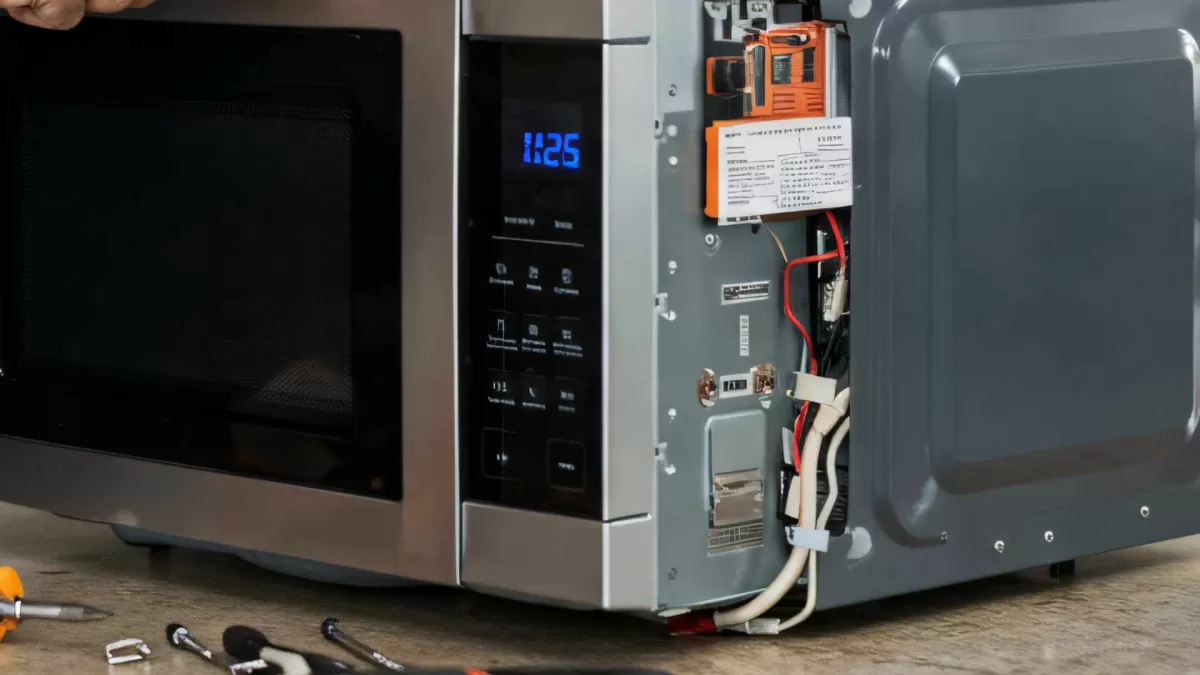
You might be wondering, can you microwave plastic wrap safely, or is it a health risk waiting to happen? At Ecoartfullife, we get it—plastic wrap is a kitchen staple, but questions about its safety in the microwave can leave you second-guessing.
As advocates for sustainable and safe kitchen practices, we’ve dug into the science, busted myths, and gathered practical tips to keep your meals worry-free. In this guide, you’ll discover whether microwaving plastic wrap is safe, how to do it right, and eco-friendly alternatives that protect both your health and the planet.
Ready to make informed choices for a healthier kitchen? Let’s dive in!
Can you Microwave Plastic Wrap
Microwaving plastic wrap is safe only when you use a wrap specifically labeled as microwave-safe. Most microwave-safe wraps are made from polyethylene, a type of plastic that holds up well to microwave heat without melting or releasing harmful chemicals. The U.S. Food and Drug Administration (FDA) requires that plastic wraps intended for microwaving carry this microwave-safe label, ensuring they meet strict safety standards.
Using plastic wraps not designed for microwave use, especially those made from PVC, can pose health risks. These non-microwave-safe wraps may contain chemicals like BPA or phthalates, which can leach into your food when heated. Over time, exposure to such chemicals has been linked to hormonal disruptions and other health concerns, including the buildup of microplastics in the body. To protect your health, always choose FDA-approved microwave-safe plastic wrap and avoid heating food with plastic wraps that don’t have clear safety labeling.
How to Safely Microwave Plastic Wrap
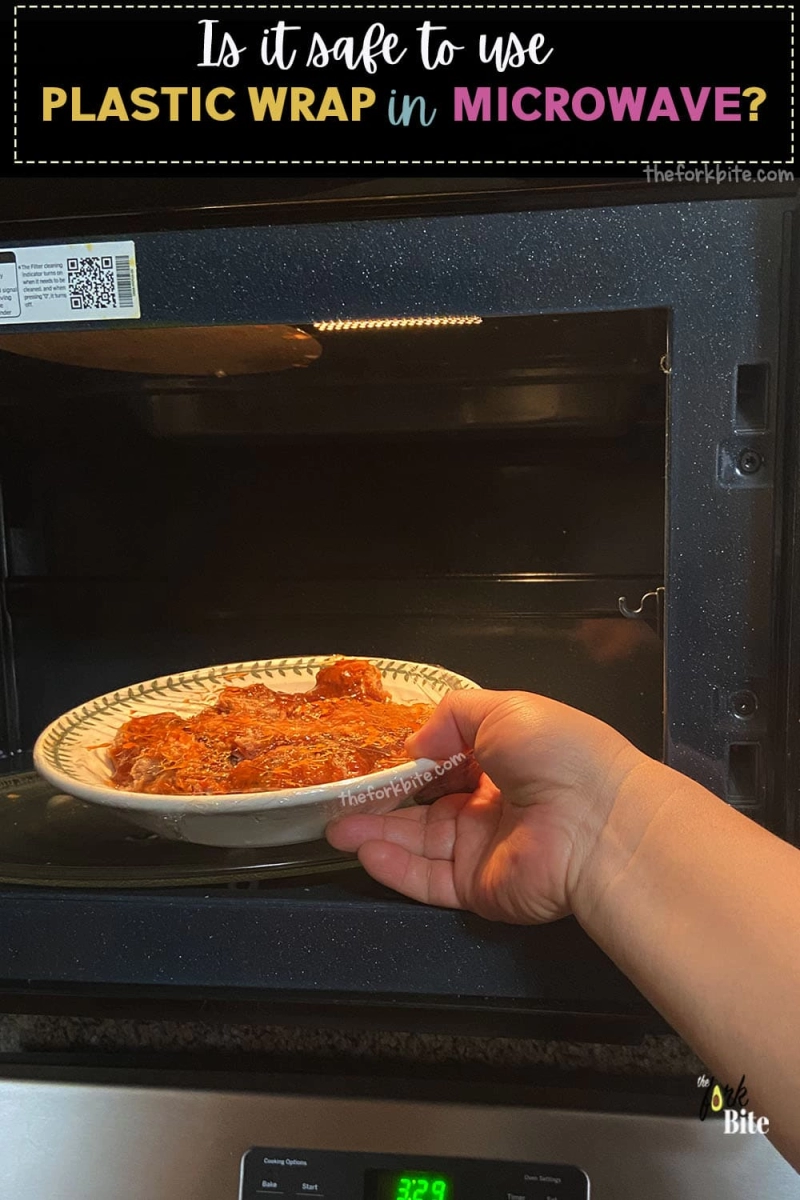
To microwave plastic wrap safely, always look for a microwave-safe label on the packaging. This ensures the wrap is made to handle heat without melting or releasing harmful chemicals.
When covering food, keep the plastic wrap from directly touching it—aim for about a 1-inch gap. Direct contact can cause the wrap to soften or melt, especially with hot or oily foods.
Use low or medium power settings and keep heating times short, preferably under 2 minutes. Long or high-heat exposure increases the risk of plastic melting or chemical leaching.
Poke small holes in the plastic wrap to allow steam to escape. This helps avoid pressure buildup that can cause the wrap to burst or melt.
Also, avoid microwaving high-fat or high-sugar foods under plastic wrap. These types of foods heat unevenly and can get hotter than other foods, increasing the chance the plastic will melt. Following these simple steps helps keep your food safe and your kitchen plastic-free.
Common Myths About Microwaving Plastic Wrap
There are some common myths about microwaving plastic wrap that can cause unnecessary worry. First off, the idea that all plastic wraps release cancer-causing dioxins when heated is false. The FDA has confirmed that microwave-safe plastic wraps do not release dioxins, so you don’t need to stress about that with brands labeled microwave-safe.
Another myth is that plastic wrap always melts in the microwave. This only happens if you use plastic wrap that isn’t microwave-safe or if you let it touch hot food directly for too long. Microwave-safe plastic wraps are designed to handle short heating times without melting when used properly.
People also worry about chemical leaching, like DEHA or BPA, but most microwave-safe plastics are now BPA-free and regulated to keep these chemicals at safe levels. The risk of chemical leaching primarily comes from non-microwave-safe or damaged plastic wraps, so always check labels and don’t reuse old plastic wrap for microwaving.
Eco-Friendly Alternatives to Plastic Wrap
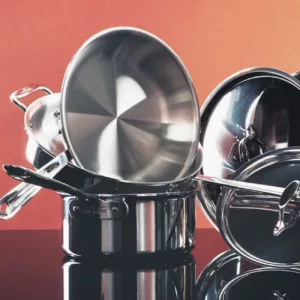
If you want to ditch plastic wrap, there are plenty of safe, eco-friendly options for microwaving your food. Glass or ceramic containers with microwave-safe lids are a great choice. They keep your food covered without any risk of melting or chemicals leaching.
Other good options include wax paper, parchment paper, or even plain white paper towels. These are microwave-safe and prevent plastic exposure while still protecting your food.
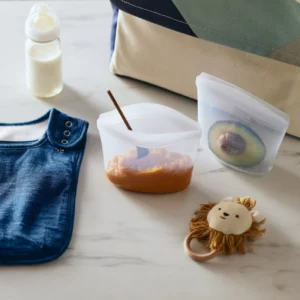
Ecoartfullife offers sustainable products like reusable silicone lids and beeswax wraps. These covers are perfect for the microwave and help reduce single-use plastic waste.
Switching to these alternatives not only protects your health by avoiding harmful chemicals found in some plastics but also lowers your environmental impact by cutting down on plastic pollution.
When to Avoid Microwaving Plastic Wrap
There are times when it’s best to skip microwaving plastic wrap altogether. Here’s when you should avoid it:
- Non-microwave-safe wraps: If your plastic wrap isn’t labeled microwave-safe, like many PVC or unmarked commercial wraps, don’t use it in the microwave. These can release harmful chemicals when heated.
- Damaged or worn plastic wrap: If the wrap has holes, tears, or looks old, it may leach chemicals into your food. Always use fresh, intact wrap to reduce risk.
- High-fat or long heating times: Foods with high fat or sugar content heat up faster and can cause the plastic to melt or release chemicals. For meals that need long microwave times, it’s safer to use glass or ceramic containers with lids instead of plastic wrap.
Using plastic wrap carefully helps keep your food safe and avoids unnecessary exposure to chemical leaching. When in doubt, choosing alternatives can protect your health better.
Ecoartfullife Tips for Safe and Sustainable Microwaving
Making your kitchen safer and greener starts with smart choices for microwaving. Here’s a simple guide from Ecoartfullife to help you pick the right materials and move toward a plastic-free routine:
Choosing microwave-safe materials
- Always look for plastic wrap or covers labeled microwave-safe to avoid chemical risks.
- Prefer BPA-free and polyethylene-based wraps, as they’re less likely to leach harmful substances.
- Use glass or ceramic containers with microwave-safe lids whenever possible—they’re safer and reusable.
Transitioning to a plastic-free kitchen
- Swap single-use plastic wrap for reusable silicone lids or beeswax wraps—Ecoartfullife offers durable options made for microwaving.
- Use wax paper, parchment paper, or white paper towels for short microwaving tasks instead of cling wrap.
- Gradually replace disposable plastics with sustainable kitchenware to reduce chemical exposure and environmental waste.
Promoting Ecoartfullife’s eco-friendly products
- Check out Ecoartfullife’s collection of reusable microwave covers designed to fit different container sizes and keep food fresh without plastic.
- These covers are easy to clean, durable, and help cut down on plastic waste in your home.
- Investing in these products supports not only your health but also a cleaner planet.
By following these tips, you can microwave safely without worrying about harmful plastics—and take meaningful steps toward a more sustainable kitchen.
FAQs About Microwaving Plastic Wrap
Can Saran Wrap be microwaved safely
Saran Wrap can be microwaved, but only if it’s labeled microwave-safe. Most Saran Wrap brands made from polyethylene are designed to handle short microwave use. Always check the packaging to be sure.
What happens if plastic wrap melts in the microwave
If plastic wrap melts, it can stick to your food and release chemicals. That’s why it’s important to keep plastic wrap from touching the food and use low or medium power settings. If melting occurs, throw away the wrap and avoid using that type again in the microwave.
Are there plastic-free alternatives for covering food in the microwave
Yes! You can use glass or ceramic containers with microwave-safe lids, parchment paper, wax paper, or even reusable silicone covers. These options are safer and better for the environment.
How do I know if my plastic wrap is microwave-safe
Look for the “microwave-safe” label on the box or wrap itself. This means it meets FDA guidelines and won’t melt or leach harmful chemicals during short heating.
Does microwaving plastic wrap cause cancer
Microwave-safe plastic wraps have been tested and do not release cancer-causing dioxins or BPA when used properly. Risks mostly come from non-microwave-safe wraps or overheating, so always follow usage instructions to stay safe.