
















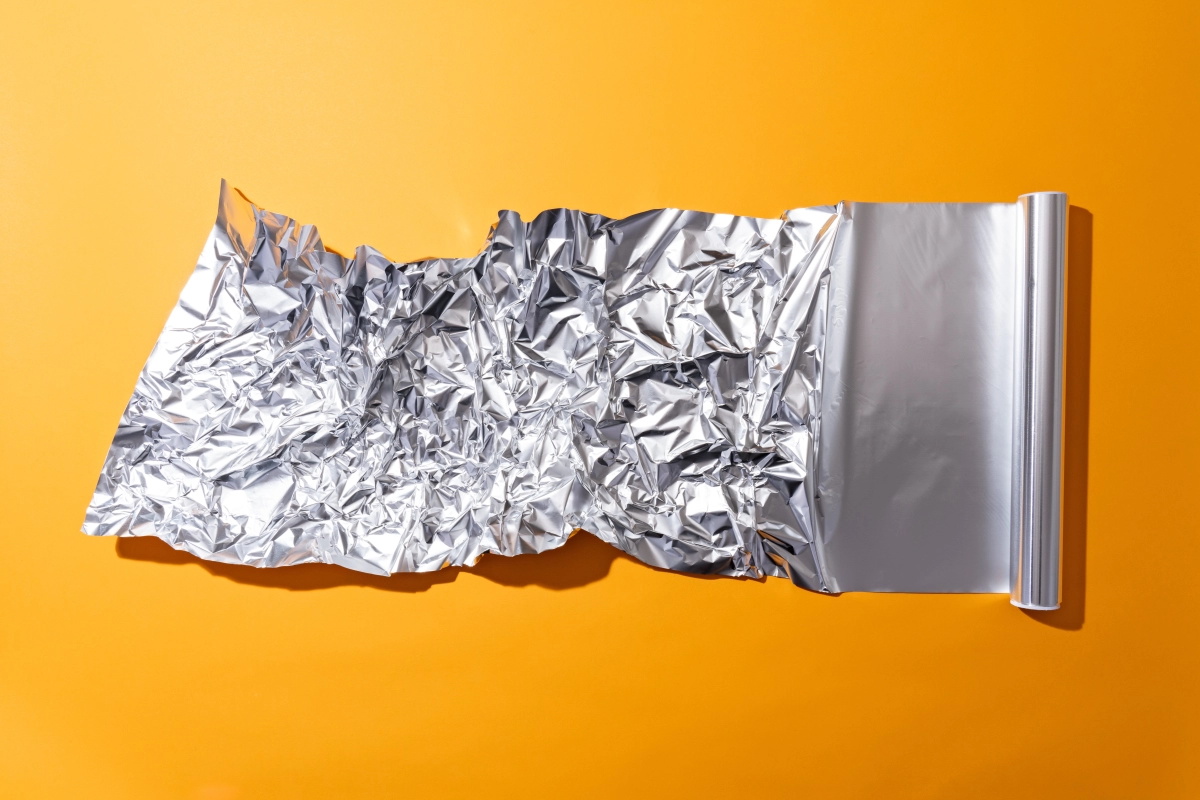
Cooking with aluminum foil is a kitchen game-changer, but are you using it safely and effectively? Whether you’re wrapping up a juicy foil packet salmon or grilling veggies, questions about aluminum foil safety, health risks, and eco-friendly alternatives often pop up. As home cooks ourselves, we get it—finding trustworthy answers is key to stress-free cooking. In this guide, we’ll unpack the facts, share pro cooking tips, and spotlight Artfullife’s premium foil products to elevate your kitchen game. Ready to cook smarter? Let’s dive in!
Is Cooking with Aluminum Foil Safe
Health Concerns Myths and Who Should Be Cautious
One of the most common questions we hear is, is cooking with aluminum foil safe? The short answer is yes, but it’s important to understand the full picture, including potential health concerns, myths, and who might need to be more careful.
Health Concerns Around Aluminum Foil
Aluminum foil is widely used in kitchens across the United States for cooking, grilling, and storage. Many worry about aluminum leaching into food and whether this could cause health risks like neurological issues or even cancer. According to multiple studies and reputable sources like the World Health Organization and the FDA, the amount of aluminum that transfers from foil during typical cooking is very minimal and generally considered safe.
Key points to keep in mind:
- Aluminum exposure from cooking foil is much lower than what we get from food, water, and the environment.
- The foil’s protective oxide layer helps limit aluminum transfer unless you’re cooking highly acidic or salty foods for a long time.
- No solid evidence links cooking with foil directly to diseases like Alzheimer’s or cancer, debunking common myths.
Who Should Be Cautious When Cooking with Foil
While aluminum foil is safe for most people, certain groups should exercise caution:
- Individuals with kidney problems may have difficulty eliminating excess aluminum naturally and should limit high aluminum exposure.
- People with certain allergies or skin sensitivities might react if handling foil frequently, though this is rare.
- When cooking highly acidic foods like tomatoes or citrus, or salty dishes, it’s best to avoid direct contact with foil to reduce aluminum leaching.
For these cases, alternatives like parchment paper or Artfullife’s heavy-duty recyclable foil designed with extra protective layers can be great options.
Debunking Common Myths About Aluminum Foil Safety
-
Myth: Cooking on aluminum foil causes cancer.
Fact: There is no credible scientific evidence supporting this claim. Cooking with foil is considered safe by health authorities. -
Myth: Aluminum foil causes aluminum poisoning.
Fact: Dietary aluminum intake from foil is minimal and not enough to cause poisoning in healthy individuals. -
Myth: Wrapping food tightly in foil trapped harmful chemicals.
Fact: Aluminum foil doesn’t add harmful chemicals, and tight wrapping actually helps preserve food freshness.
At Artfullife, we proudly provide food-grade aluminum foil made with high-quality materials, ensuring both your cooking safety and culinary creativity. Understanding these facts helps you cook confidently and safely with aluminum foil every day.
Benefits of Cooking with Aluminum Foil

Cooking with aluminum foil offers several practical advantages that make it a popular choice in many American kitchens. Here are some key benefits:
Efficient Heat Distribution and Retention
Aluminum foil helps evenly distribute heat while cooking, which means your food cooks more consistently. It also retains heat well, keeping meals warm longer after cooking, which is great for meal prep or serving.
Easy Cleanup and Convenience
Using aluminum foil for cooking and storage significantly reduces cleanup time. It prevents food from sticking to pans and grills, so you can simply toss the foil after use. It’s also perfect for making foil packet recipes, where all ingredients cook in one sealed pouch.
Versatility in Cooking Methods
You can use aluminum foil in the oven, on the grill, or even for food storage without worrying about damage. It’s also handy for grilling with foil, which helps protect delicate foods like fish and vegetables while locking in moisture and flavor.
Protection Against Contamination
Wrapping food tightly in aluminum foil helps keep it fresh and free from contaminants during storage. It’s ideal for freezing leftovers or marinating foods, preserving flavors and preventing freezer burn.
Cost-Effective and Widely Available
Aluminum foil is an affordable kitchen staple that most households already have. Options like heavy-duty foil provide added durability for tougher cooking tasks, making it a versatile tool at a reasonable price.
Promotes Healthy Cooking
When used correctly, cooking with aluminum foil can help retain nutrients and reduce the need for added oils or fats because it aids in steam cooking. This can support healthier meal preparation techniques.
Overall, cooking with aluminum foil combines convenience, efficiency, and versatility, which is why it remains a trusted tool for many American cooks.
Best Practices for Cooking with Aluminum Foil
When it comes to cooking with aluminum foil, following some simple best practices can make your kitchen experience safer, easier, and more efficient. Here’s how to use foil properly whether you’re in the oven, grilling outside, storing leftovers, or even using the microwave.
Oven Use with Aluminum Foil
- Avoid direct contact with acidic foods like tomatoes or citrus when cooking on foil in the oven. Acidic ingredients can cause aluminum leaching, affecting taste and potentially raising health concerns.
- Use heavy-duty foil if you want extra durability, especially for roasting or baking at high temperatures.
- Don’t cover the bottom of the oven with foil. That can block heat circulation and damage your appliance.
- When wrapping food, seal foil packets tightly to lock in moisture and flavors while preventing leaks.
Grilling with Aluminum Foil
- Using foil on the grill helps with easy cleanup and keeps food moist.
- Wrap delicate veggies or fish in foil packets to prevent them from falling through the grates—this technique is popular in many foil packet recipes.
- Make sure foil is securely wrapped to avoid it blowing away or exposing food directly to flames.
- For extra protection, use double layers or heavy-duty foil to withstand high heat and avoid tears.
Storage Tips for Aluminum Foil
- Cool leftover foods before wrapping them in foil for storing in the fridge or freezer.
- Wrap items tightly to keep air out, preserving freshness longer.
- When storing acidic or salty foods, consider alternatives like parchment paper or glass containers to limit aluminum exposure.
- Always label foil-wrapped packages with dates to stay organized and food-safe.
Microwave Safety with Aluminum Foil
- Usually, cooking with aluminum foil in the microwave is not recommended because foil can cause sparking or fires.
- However, small, smooth pieces of foil can sometimes be used carefully to shield parts of food from overheating (like shielding turkey drumsticks).
- Always check your microwave manual before using foil and stick to foil-safe cookware whenever possible.
- If unsure, opt for alternatives such as parchment paper or microwave-safe lids.
Following these best practices ensures you get the most out of aluminum foil without risking safety or quality. It’s all about knowing when and how to use it effectively, whether you’re roasting in the oven, grilling outdoors, or storing leftovers in your fridge.
Delicious Recipes Using Aluminum Foil
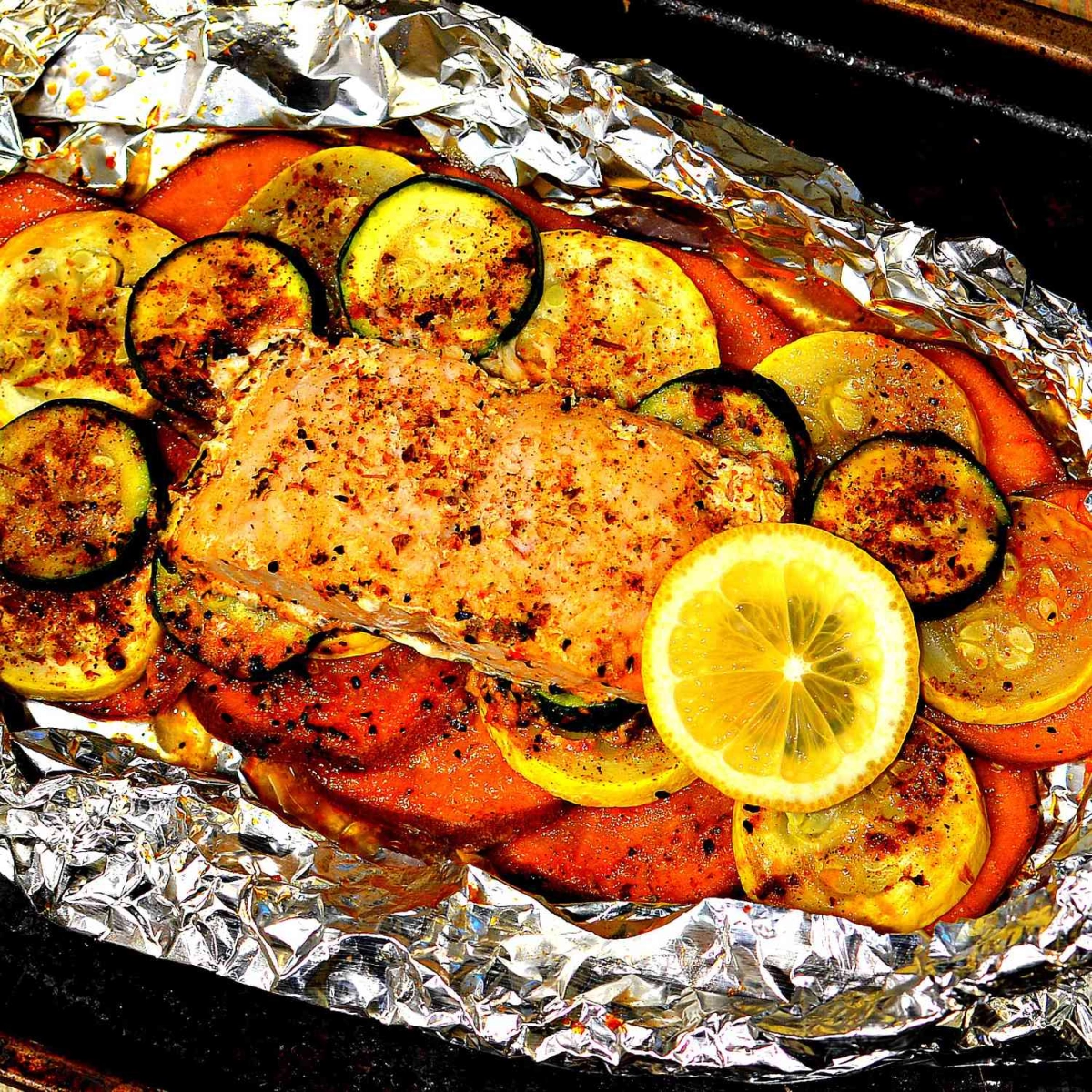
Cooking with aluminum foil not only makes cleanup easier but also locks in flavors and moisture. Here are some easy and tasty foil packet recipes that you can try at home for quick weeknight dinners or weekend grilling.
Foil Packet Lemon Garlic Salmon
This recipe is a favorite for busy nights. Simply place a salmon fillet on a sheet of heavy-duty aluminum foil. Top it with fresh lemon slices, minced garlic, olive oil, salt, and pepper. Seal the packet tightly and bake or grill. The foil locks in steam, keeping the salmon tender and infused with bright lemon-garlic flavor. It’s an easy way to get a healthy, protein-packed meal with minimal fuss and no worrying about aluminum leaching since the fish cooks quickly at moderate heat.
Grilled Veggie Medley
Vegetables like zucchini, bell peppers, mushrooms, and asparagus cook beautifully in foil packets. Toss your chopped veggies with olive oil, garlic powder, salt, and pepper. Wrap them in foil and grill for 15-20 minutes. The foil helps the veggies steam while grilling, which keeps them juicy and flavorful. It’s a great side dish that pairs well with grilled meats or fish and saves you from dirty pans.
Baked Potato Perfection
Here’s a simple way to get perfectly baked potatoes using aluminum foil. Rub your potato with olive oil and salt, wrap it completely in foil, and bake in the oven or directly over the grill coals. The foil acts like a mini oven, trapping heat and moisture so the skin crisps up and the inside turns fluffy. You can even add extras like butter, cheese, or herbs before wrapping to boost flavor.
Using heavy-duty aluminum foil in these recipes ensures durability and prevents tearing during cooking. While cooking with foil, always avoid extremely high heat or acidic ingredients for long periods to reduce any chance of aluminum leaching, keeping your meals both safe and delicious.
Give these foil packet recipes a try for simple, flavorful meals that make the most of your aluminum foil cookware!
Eco-Friendly Alternatives to Aluminum Foil
When considering cooking with aluminum foil, it’s important to also think about its environmental impact. Aluminum foil is recyclable, but its production and disposal still consume energy and generate waste. For those looking to reduce their environmental footprint, several eco-friendly alternatives can replace aluminum foil in cooking, storage, and food preparation.
Reusable Silicone Baking Mats
Silicone baking mats are a great replacement for foil when baking or roasting. They’re:
- Non-stick and heat-resistant, making clean-up easy.
- Reusable hundreds of times, reducing waste.
- Safe for oven use and dishwasher-friendly.
These mats work well for cookies, roasting veggies, and even oven-baked meals, cutting down on single-use foil.
Parchment Paper
Parchment paper is a popular foil alternative for many cooking tasks:
- It’s compostable and biodegradable.
- Perfect for lining baking trays to prevent sticking.
- Ideal for foil packet recipes like fish or chicken when lightly greased and folded properly.
Unlike aluminum foil, parchment paper doesn’t react with acidic foods, helping avoid aluminum leaching concerns.
Beeswax Wraps and Cloth Covers
For food storage, beeswax wraps and cloth covers are eco-friendly choices:
- Made from organic cotton and beeswax, they keep food fresh without plastic or foil.
- Great for covering bowls or wrapping sandwiches.
- Reusable and washable.
Though not suitable for high-heat cooking, these wraps help reduce daily foil use.
Heavy-Duty Recyclable Foil Options
If you still prefer foil for grilling or roasting but want to be more eco-conscious, opt for:
- Heavy-duty recyclable foil that uses less material.
- Brand options like Artfullife’s aluminum foil, designed to be fully recyclable and made from recycled content.
- Proper recycling helps minimize environmental harm.
Why Switch to Eco-Friendly Cookware
Switching to eco-friendly cookware and foil alternatives supports a healthier planet by:
- Reducing landfill waste and lowering carbon emissions.
- Helping conserve natural resources used in aluminum production.
- Offering safer, non-toxic options for food prep and storage.
Making small changes to how we cook and store food can have a big impact. Pairing alternatives like parchment paper or silicone mats with high-quality, recyclable foil ensures you enjoy convenience and flavor without compromising the environment.
Environmental Impact of Aluminum Foil
When considering cooking with aluminum foil, it’s important to also understand its environmental footprint. While aluminum foil offers convenience in the kitchen, its production and disposal come with notable impacts.
Energy and Resource Use
Aluminum production requires a significant amount of energy. Mining bauxite, the raw material, and refining it into aluminum is energy-intensive. This process contributes to greenhouse gas emissions and uses large quantities of water and electricity. This means that though foil is lightweight, producing it has a heavier environmental cost than many realize.
Waste and Recycling Challenges
Aluminum foil is recyclable, but not always easy to recycle. Used foil often has food residue, which contaminates recycling streams and can lead to it being sent to landfills. Proper cleaning before recycling helps, but many people are unaware of this step.
Furthermore, not all municipal recycling programs accept aluminum foil, which means it often ends up as trash, increasing landfill waste. Once in the landfill, aluminum foil does not biodegrade and stays in the environment for hundreds of years.
Single Use Versus Reusable Alternatives
A big part of the environmental impact comes from single-use habits. Using foil once and discarding it contributes to more waste. In contrast, switching to reusable alternatives like silicone baking mats, beeswax wraps, or eco-friendly cookware reduces both waste and demand for new aluminum production.
of Environmental Concerns
- High energy consumption for raw aluminum mining and production
- Potential for food contamination reduces recycling rates
- Widely contributes to non-biodegradable landfill waste
- Encourages single-use disposability in kitchens
Being aware of these impacts can help you make smarter choices, especially when paired with responsible recycling and considering eco-friendly cookware or parchment paper alternatives.
Next, I’ll share why choosing a brand like Artfullife for aluminum foil products can make a positive difference, balancing convenience with better environmental awareness.
Why Choose Artfullife’s Aluminum Foil Products for Cooking with Aluminum Foil
When it comes to cooking with aluminum foil, not all products are created equal. Artfullife’s aluminum foil stands out in the crowded market for several key reasons that make it a top choice for kitchens across the United States.
Superior Quality for Safe and Effective Cooking
Artfullife offers heavy-duty foil that is thicker and stronger than many standard brands. This means it resists tearing and punctures, which helps prevent food leakage and avoids the risk of direct contact with heating elements or flames. The sturdy nature of Artfullife’s foil makes it ideal for grilling with foil, oven cooking, and even wrapping food for storage.
Minimizing Aluminum Leaching
A common concern with cooking on aluminum foil is aluminum leaching into food, especially with acidic or salty ingredients. Artfullife’s foil is designed with a high-quality surface that minimizes this risk, making it safer to use for your foil packet recipes like lemon garlic salmon or baked potatoes. This gives you peace of mind when using aluminum foil for everyday cooking.
Versatile and Safe for All Cooking Methods
Whether you’re using it in the oven, on the grill, or even cautiously in the microwave, Artfullife’s products are tested for versatility. They maintain their integrity under high heat, which boosts your confidence when cooking on aluminum foil in various settings. Plus, the foil safely seals in moisture and flavors, enhancing your meals.
Eco-Friendly and Recyclable
In addition to performance, Artfullife cares about the environment. Their aluminum foil is fully recyclable, offering a more eco-friendly option compared to many alternatives. Choosing Artfullife aligns with sustainable cooking habits and reduces waste in your kitchen.
Trusted by Supermarket Suppliers Nationwide
As a trusted name among supermarket suppliers in the U.S., Artfullife guarantees reliable supply and consistent product quality. This makes it easy for families and professionals alike to keep a trusted brand on hand for all their cooking and storage needs.
In sum, Artfullife’s aluminum foil combines strength, safety, versatility, and sustainability, making it the smart choice for anyone curious about the real benefits of cooking with aluminum foil.