
















You’ve probably wrapped a potato in aluminum foil for baking or lined a tray for easy cleanup, but is cooking with aluminum foil safe? With concerns about aluminum leaching and health risks swirling online, it’s no wonder you’re curious. At Artfullife, we’re passionate about safe, high-quality kitchen solutions, and we’ve dug into the science to give you clear, trustworthy answers. In this guide, you’ll uncover the facts about aluminum foil safety, learn safe cooking practices, and discover alternatives to aluminum foil that keep your meals delicious and worry-free. Let’s get cooking with confidence!
What Is Aluminum Foil and How Is It Used in Cooking
Aluminum foil is a thin sheet of metal made from pure aluminum that has been rolled out to a flexible, lightweight form. It is widely used in kitchens across the United States due to its versatility, heat conductivity, and convenience.
Common Uses of Aluminum Foil in Cooking
Cooking with aluminum foil is popular for various purposes, including:
- Wrapping food for baking or grilling, which helps retain moisture and flavors.
- Covering dishes in the oven to prevent over-browning or drying out.
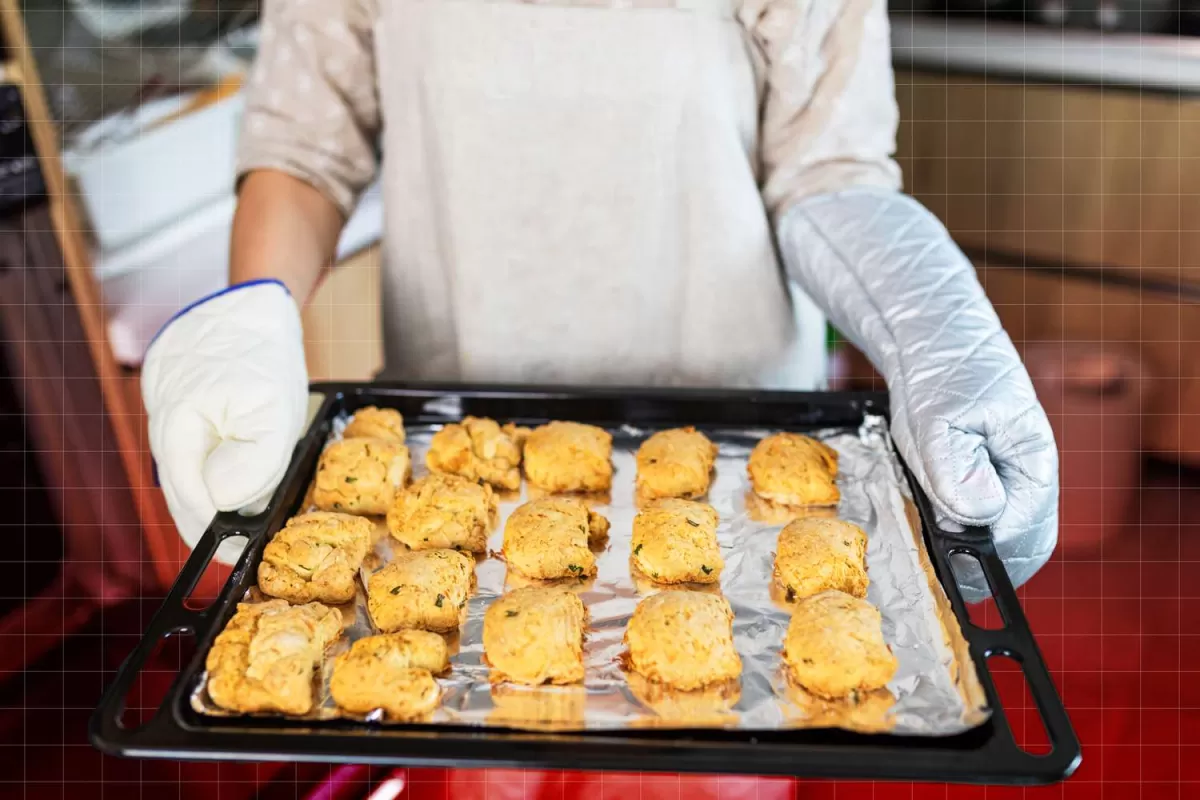
- Lining baking sheets or pans for easy cleanup.
- Storing leftovers in the refrigerator or freezer to keep food fresh.
- Grilling delicate items like fish or vegetables to protect them from direct heat.
Why Aluminum Foil Is Popular
Several reasons explain its enduring popularity in both home and professional kitchens:
- Excellent heat conduction ensures even cooking.
- Flexibility and strength allow it to wrap tightly around food.
- Barrier against light, oxygen, and moisture helps preserve food quality.
- Disposable and inexpensive, making it an easy, time-saving choice.
- Compatible with many cooking methods such as roasting, grilling, and steaming.
At Artfullife, we recognize how aluminum foil’s practical benefits make it a staple in many cooking routines, from quick weeknight meals to elaborate family dinners. Understanding what aluminum foil is and how it’s commonly used sets the foundation for exploring the important question: Is cooking with aluminum foil safe?
Is Cooking with Aluminum Foil Safe The Science Explained
When it comes to aluminum foil safety and cooking, many people wonder if their food is picking up harmful amounts of aluminum. The short answer is that cooking with aluminum foil is generally safe for most people, but there are some important details to keep in mind.
Overview of Safety Concerns
The main worry around aluminum foil in cooking is the potential for aluminum leaching into food, especially when cooking acidic or salty dishes like tomato sauce or marinades. Studies show that small amounts of aluminum can transfer from the foil to food during high-heat cooking. This raises concerns because excess aluminum exposure has been linked to certain health risks.
What Does Scientific Evidence Say
According to current scientific research, the amount of aluminum migrating into your food is usually very small and far below levels considered harmful by health authorities like the FDA and WHO. Our bodies can handle low doses of aluminum without adverse effects. No solid evidence shows that typical use of aluminum foil in cooking causes serious health problems.
However, high-temperature cooking and prolonged contact between acidic foods and aluminum foil can increase aluminum leaching. The risk becomes more noticeable with:
- Cooking at temperatures above 400°F
- Wrapping highly acidic or salty foods for long periods
- Using foil as a cooking surface repeatedly without replacing it
Risk Factors to Consider
While most of us don’t need to worry, some groups should be more cautious:
- People with kidney problems, since they have trouble clearing aluminum from their bodies
- Those with aluminum allergies (rare)
- Anyone cooking acidic foods at very high temperatures regularly
By understanding these risk factors and practicing safe cooking habits, you can enjoy the convenience of aluminum foil without much concern.
Bottom line: The scientific consensus is that cooking with aluminum foil is safe for everyday use, but it’s wise to avoid extreme cooking conditions that might increase aluminum exposure. Next, we’ll discuss when you should avoid using aluminum foil altogether.
When Should You Avoid Using Aluminum Foil in Cooking
Although aluminum foil is handy, there are specific scenarios where you should avoid using it to keep your food safe and prevent any unwanted chemical reactions.
Avoid Using Aluminum Foil with Acidic or Salty Foods
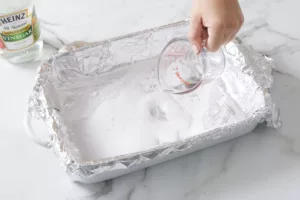
Cooking or storing acidic foods like tomatoes, citrus, or vinegar-based sauces in aluminum foil can cause the foil to break down and leach aluminum into your food. The same goes for highly salty foods. This happens because the acid and salt react with the aluminum, which may increase aluminum exposure in your meal. Over time, frequent consumption of aluminum in food may raise health concerns.
Do Not Use Aluminum Foil for Long-Term Food Storage
Storing leftovers wrapped in aluminum foil for extended periods isn’t recommended. The aluminum can slowly migrate into food, especially if it’s moist or acidic. For long-term storage, opt for glass or food-grade plastic containers to avoid this risk.
Avoid Cooking at Very High Temperatures
High heat—such as grilling or roasting above 400°F—can increase aluminum leaching from foil into food. If you’re cooking at these temperatures, consider using safer options like parchment paper or non-reactive cookware to reduce potential risks.
Avoid Contact Between Aluminum Foil and Aluminum Cookware
Stacking aluminum foil with aluminum pots or pans can cause corrosion through a process called galvanic corrosion. This not only damages your cookware but also increases the chance of aluminum leaching.
Key Takeaways for Aluminum Foil Safety
- Avoid wrapping or cooking acidic, salty, or spicy foods in foil.
- Don’t store food long-term in aluminum foil, especially moist or acidic dishes.
- Limit use at very high cooking temperatures to reduce aluminum exposure.
- Keep aluminum foil away from aluminum cookware to prevent corrosion.
By following these simple guidelines, you can safely enjoy the convenience of aluminum foil without worry.
Safe Practices for Using Aluminum Foil in Cooking
When it comes to cooking with aluminum foil, following safe practices can help minimize any potential health risks associated with aluminum leaching into your food. Here are some clear, practical guidelines to keep in mind:
Use Aluminum Foil Smartly
- Avoid cooking highly acidic or salty foods like tomatoes, citrus, or vinegar-based dishes directly wrapped in foil. Acid and salt can increase aluminum leaching.
- Keep cooking temperatures moderate. Cooking at very high heat (above 400°F) for long periods may cause more aluminum to migrate into food.
- Don’t reuse aluminum foil once it’s been cooked with, especially if food has been acidic or salty — fresh foil minimizes contamination.
- Use heavy-duty foil when wrapping or grilling to reduce tearing and food contact with aluminum particles.
Minimize Aluminum Exposure
- Line foil with parchment paper when cooking or storing highly acidic foods to create a barrier between the foil and the food.
- When grilling, avoid placing food directly on the foil, and instead use a grill pan or rack.
- For roasting or baking, use foil only as a cover or drip shield, rather than a direct cooking surface.
- Avoid wrapping food tightly in foil for long-term storage as aluminum can leach over time, especially in the fridge or freezer.
Additional Safety Tips
- Barbecue foods wrapped in foil can retain heat well but monitor cooking time and temperature carefully to avoid excess aluminum absorption.
- If you’re concerned about aluminum exposure, consider using safer cookware and food storage alternatives like glass or ceramic pans, silicone mats, or parchment paper.
- For guidance on safe use of aluminum foil in ovens or grilling, see our detailed tips on safe aluminum foil cooking methods.
By following these safe cooking practices, you can continue to enjoy the convenience of aluminum foil while reducing any health risks related to aluminum leaching in your food.
Alternatives to Aluminum Foil for Safer Cooking
If you’re concerned about aluminum foil safety or want to reduce any risks related to aluminum leaching, there are several great alternatives that are both safe and effective for cooking. These options also offer eco-friendly and reusable solutions, which is a plus for many kitchens across the United States. Here’s a quick look at some popular alternatives:
Parchment Paper
Parchment paper is a versatile choice that’s great for baking and roasting. It’s non-reactive, so it won’t leach any materials into your food, even at high temperatures. Plus, it prevents sticking and makes cleanup simple. Use parchment paper especially when cooking acidic foods or wanting a lighter option for wrapping and steaming.
Glass or Ceramic Bakeware
Glass and ceramic bakeware are excellent non-reactive cooking surfaces. They distribute heat evenly and don’t interact with acidic or salty foods, so there’s no worry about aluminum leaching. These are reusable, durable, and work well for everything from casseroles to roasting meats.
Silicone Mats
Silicone baking mats are a popular alternative for non-stick cooking and baking. They’re heat-resistant, reusable, and easy to clean. Silicone mats eliminate the need for disposable foil or parchment and are perfect for baking cookies or roasting vegetables.
Stainless Steel or Cast Iron Cookware
For stovetop cooking or oven use, stainless steel and cast iron are reliable options. Both materials are safe, long-lasting, and non-reactive. Cast iron also adds a bit of iron to your diet, which can be a bonus. These options replace aluminum foil when you want direct heat contact, like searing or grilling.
Artfullife Product Tie-In
At Artfullife, we understand the need for safe and reliable kitchen products. We offer a range of non-reactive cookware and eco-friendly kitchen supplies that align perfectly with safer cooking practices. From durable bakeware to silicone mats, our products help you avoid the potential risks of aluminum foil while maintaining convenience and performance in your kitchen.
Choosing the right alternative depends on what you’re cooking and your personal preferences. But switching out aluminum foil for these safer options can give you peace of mind and a cleaner, greener kitchen.
Addressing Common Myths About Cooking with Aluminum Foil
When it comes to cooking with aluminum foil, there are plenty of myths floating around. Let’s clear up some of the most common misconceptions so you can cook with confidence and keep your kitchen safe.
Myth 1 Cooking with Aluminum Foil Causes Alzheimer’s
This is probably the most widespread concern regarding aluminum foil safety. Some people believe that aluminum exposure from cooking can lead to Alzheimer’s disease. The truth is, scientific studies have not found a clear link between typical cooking use of aluminum foil and Alzheimer’s. Our bodies only absorb a very small amount of aluminum from food wrapped or cooked in foil, and the aluminum naturally present in food and environment is far greater.
Key point: Normal home use of aluminum foil is not a proven risk factor for Alzheimer’s or other neurodegenerative diseases.
Myth 2 The Shiny or Dull Side Matters for Safety
Many people wonder if they should use the shiny side or dull side when cooking because of safety concerns. The difference between the sides comes from the manufacturing process—one side is polished while the other is not. However, there is no safety difference between the two. Aluminum foil performs the same regardless of which side faces the food.
Key point: The choice of shiny or dull side is only about personal preference or cooking style, not health or safety.
Myth 3 All Aluminum Foil Use Is Dangerous
Some avoid aluminum foil altogether thinking it’s always harmful to cook with or store food in it. However, risks depend on how and when you use foil. High acid or salty foods can cause more aluminum to leach if stored wrapped in foil for a long time, but short-term cooking and wrapping generally pose very low risk.
Safe use tips:
- Avoid wrapping acidic foods (like tomato sauce or citrus) in foil for extended storage.
- Use foil mostly for baking, grilling, or short-term food coverage.
- Consider alternative cookware when possible.
For more on safe foil use and alternatives, see our guide on uses of aluminum foil and maximizing aluminum foil cooking tips.
Bottom line: Cooking with aluminum foil isn’t inherently dangerous. Using it correctly minimizes any health concerns and keeps your food safe and tasty.
Artfullife Commitment to Safe Cooking with Aluminum Foil
At Artfullife, we understand the concerns many have about cooking with aluminum foil and the potential health risks. That’s why we prioritize safety and quality in every product we supply, especially when it comes to kitchen essentials used for food preparation.
We carefully select our aluminum foil products to meet the highest safety standards, ensuring minimal aluminum leaching during typical cooking processes. Our focus is on providing reliable solutions that help you cook safely without compromising flavor or convenience.
Here’s how Artfullife supports safe cooking with aluminum foil:
- Strict quality control to reduce the risk of contaminants and defects.
- Clear labeling on safe use, including ideal cooking temperatures and recommended food types.
- Guidance on when to avoid aluminum foil, such as with highly acidic or salty foods.
- Offering eco-friendly alternatives like parchment paper, silicone mats, and non-reactive cookware options for those looking to minimize aluminum exposure.
We believe that with the right information and quality products, cooking with aluminum foil can be a practical and safe choice. At Artfullife, we’re committed to helping you make informed decisions in your kitchen to protect your health and enjoy your meals comfortably.
If you ever have questions about aluminum foil safety or need advice on cookware alternatives, our team is ready to help you find the best option for your needs.
FAQs About Cooking with Aluminum Foil Safety
Is cooking with aluminum foil safe for everyday use
Yes, cooking with aluminum foil is generally safe for most people when used properly. Scientific studies show minimal aluminum leaching into food under normal cooking conditions, especially with low to moderate heat and non-acidic foods.
Can aluminum foil cause health problems like Alzheimer’s
No direct link between aluminum foil use in cooking and Alzheimer’s disease has been proven. Concerns about aluminum and Alzheimer’s largely come from outdated studies involving high exposure levels, not typical kitchen use.
Does it matter which side of the foil touches the food
The shiny versus dull side of aluminum foil does not impact safety or cooking results. Both sides are made from the same material, so there’s no need to worry about which side faces the food.
Should I avoid using aluminum foil for certain foods
Avoid wrapping or cooking highly acidic or salty foods (like tomatoes, citrus, or vinegar-based dishes) in aluminum foil as they can increase aluminum leaching into your food. For these items, consider using parchment paper or non-reactive cookware.
How can I minimize aluminum exposure when cooking with foil
- Use foil only when necessary and avoid high heat cooking (above 400°F)
- Don’t reuse aluminum foil to prevent buildup of particles
- Limit contact time between foil and food
- Avoid cooking acidic or salty foods in foil
What are safe alternatives to aluminum foil
If you’re looking to reduce aluminum exposure, try:
- Parchment paper for baking or wrapping food
- Glass or ceramic bakeware for cooking and roasting
- Silicone mats for non-stick baking
- Stainless steel or cast iron pans for grilling and roasting
Is storing food in aluminum foil safe
Short-term storage in aluminum foil is generally fine, but for longer storage or with acidic foods, use glass containers or plastic wrap to avoid any aluminum interaction.
By understanding how to use aluminum foil safely and when to choose alternatives, you can enjoy the convenience of foil without worry. Keep these simple tips in mind to reduce any potential risks and cook with confidence.