
















Are you tired of food going bad too soon or struggling to keep your kitchen organized? Food sealer bags rolls are the game-changer you need for smarter food preservation. As a home cook or supplier, I know how crucial it is to keep ingredients fresh and reduce waste. That’s why I’m sharing this complete guide to choosing and using food-grade vacuum sealer rolls to save time, money, and space.
With insights from real-world use, I’ll break down why Artfullife’s food sealer bags rolls stand out, how they work, and tips to maximize their value. Ready to lock in freshness and streamline your storage? Let’s get started!
What Are Food Sealer Bags Rolls Vacuum Sealer Rolls Explained
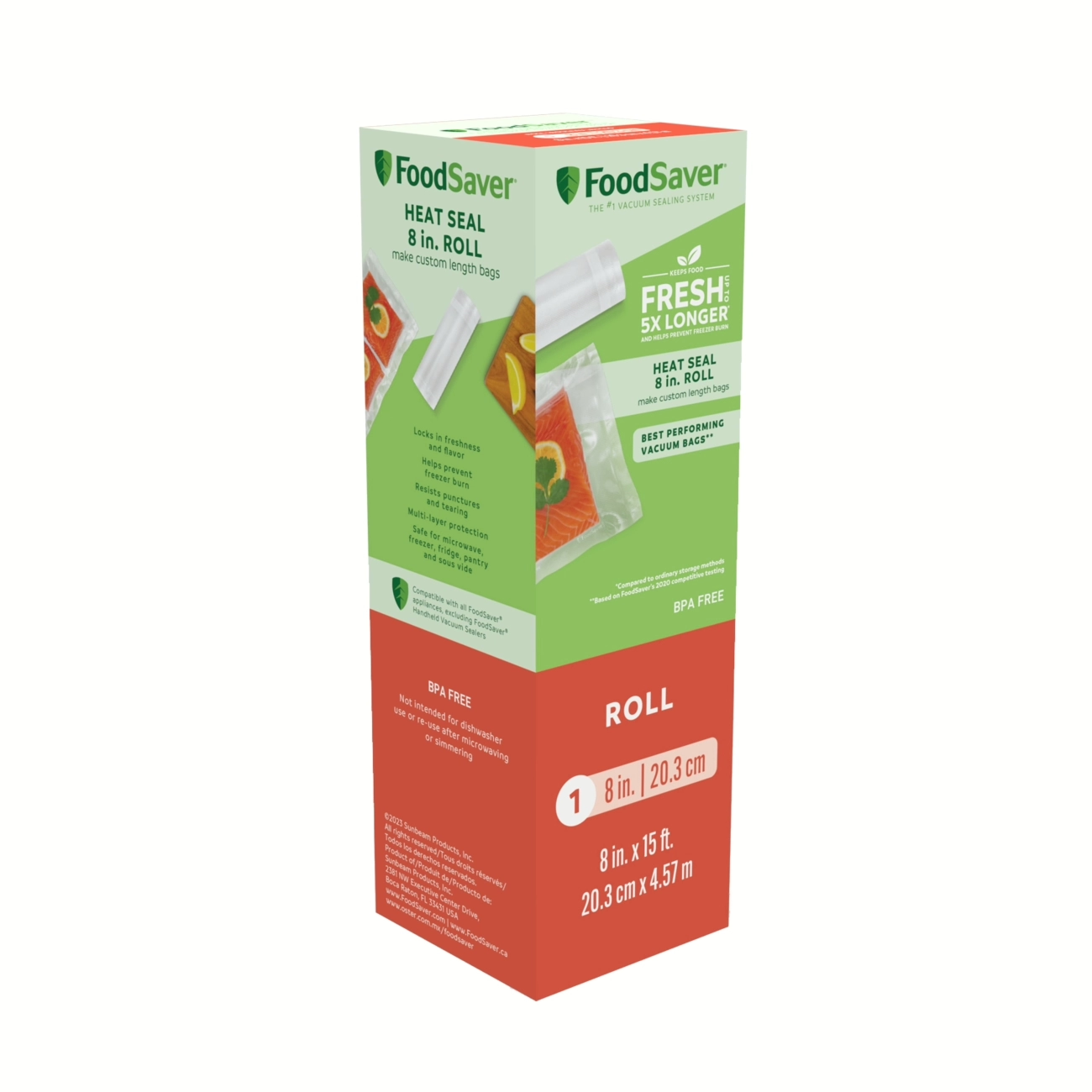
If you’re wondering what food sealer bags rolls are, here’s a clear explanation. These rolls consist of vacuum or heat seal bags that come in continuous sheets rather than individual pre-cut bags. You cut the length you need and seal it with your vacuum sealer or heat sealer at home or in commercial kitchens. These rolls are commonly used with vacuum sealer rolls, heat seal bags roll, and food grade vacuum sealer bags that meet safety standards like BPA-free and FDA-approved materials.
Advantages of Food Sealer Bags Rolls Over Pre-Cut Bags
Choosing rolls instead of pre-cut bags brings distinct benefits:
- Custom sizing – Cut exactly the length you need, reducing waste from unused bag space.
- Cost-effectiveness – Rolls typically cost less per foot than pre-cut bags and last longer.
- Versatility – Perfect for packaging different food sizes—meats, veggies, leftovers.
- Less storage space – Rolls take up less room and stay neat compared to stacks of single bags.
Because you control the bag length, these rolls offer flexibility whether you’re sealing small snack portions or large cuts of meat. This makes them ideal for households, small food businesses, or commercial food service providers looking to optimize food storage and reduce packaging costs.
Using vacuum sealer bags in roll form gives you the control and efficiency to preserve food freshness while being budget-friendly and adaptable to various sealing needs.
Benefits of Using Food Sealer Bags Rolls for Food Storage

When it comes to food sealer bags rolls, the advantages go beyond just convenience. These rolls offer several key benefits that help both households and commercial users keep food fresh, save space, and cut costs.
Extend Food Freshness and Reduce Waste
One of the biggest perks of using vacuum sealer rolls is how well they preserve freshness. By removing air and sealing tightly, these food preservation bags help prevent spoilage, freezer burn, and dehydration. This means your meats, veggies, and leftovers stay good much longer, cutting down on food waste significantly.
Save Space with Efficient Storage
Food sealer bags in roll form are designed to optimize storage space. Compared to bulky containers or loosely wrapped items, vacuum-sealed bags lay flat and stack easily in your fridge or freezer. This is especially helpful when handling different food types like meats, vegetables, and cooked meals — all kept organized and space-efficient.
Convenience and Versatility with Custom Sizing
Unlike pre-cut food storage bags, rolls give you the freedom to cut exactly the length you need. This versatility reduces waste from unused bag portions and makes sealing odd-shaped or larger items a breeze. Whether you’re sealing a small snack or bulk meat portions, rolls adjust to your needs.
Food Grade Safety Standards
Quality matters when it comes to food storage. Most reliable food sealer bags rolls are made from BPA-free, FDA-approved materials that meet strict food-grade safety standards. This ensures no harmful chemicals leach into your food, making these bags safe for freezing, microwaving, or sous vide cooking.
Cost Savings Over Time
Buying food sealer bags in rolls often proves to be more cost-effective than buying pre-cut bags. Rolls typically cost less per foot, and the ability to use only what you need reduces waste. For commercial kitchens or busy households, this adds up to significant savings over time.
By choosing food sealer bags rolls, you get a flexible, safe, and budget-friendly way to keep food fresher longer, streamline storage, and minimize waste.
Types of Food Sealer Bags Rolls
When it comes to food sealer bags rolls, understanding the types available helps you choose the right one for your storage and preservation needs. Here’s a breakdown of the main types:
Vacuum Sealer Compatible Rolls
These rolls are specially designed to work with vacuum sealing machines. They create an airtight seal by removing all air from the bag, which is key to extending food freshness and preventing freezer burn. Look for rolls made from food-grade, BPA-free materials to ensure safe storage of meats, vegetables, and leftovers.
Heat Seal Rolls for Sous Vide and Freezer Storage
Heat seal rolls are great for those who enjoy sous vide cooking or want secure freezer storage. These bags use heat to seal the contents tightly, but they don’t always involve vacuum suction. They are ideal for cooking directly in water and can withstand high temperatures. Make sure the rolls are FDA-approved for both safety and durability under heat exposure.
BPA-Free and FDA-Approved Materials
It’s essential to pick food sealer rolls made from BPA-free plastic to avoid any risk of chemical leaching into your food. Additionally, choosing bags that meet FDA food-grade standards ensures the material is safe for storing a variety of food types, including raw and cooked items, in your fridge, freezer, or pantry.
Sizes and Thickness Options and How to Choose
Food sealer rolls come in different widths, lengths, and thicknesses. Thicker bags (measured in mils) offer stronger puncture resistance and longer storage life, especially for sharp or bulky items.
- Common widths: 8, 11, and 15 inches – choose based on the size of items you usually seal.
- Thickness range: 3 to 6 mils – higher mil thickness means more durability.
- For heavy-duty storage (like large cuts of meat or freezer storage), opt for thicker rolls.
- For everyday leftovers and smaller snacks, medium thickness is usually enough.
Choosing the correct size and thickness helps reduce waste since you can cut exactly what’s needed, making these rolls cost-effective and versatile.
For a variety of bag solutions that complement food sealer bags, check out our selection of sealable food bags and large food storage bags.
This overview should help you find the best vacuum sealer rolls and heat seal bags tailored for your kitchen needs, whether for home use or commercial food storage purposes.
How to Use Food Sealer Bags Rolls Effectively for Food Storage
Using food sealer bags rolls right can make a big difference in keeping your food fresh and organized. Here’s a simple step-by-step guide and some best practices to get the most out of your vacuum sealer rolls or heat seal bags rolls.
Step-by-Step Guide for Cutting and Sealing Food Sealer Bags Rolls
-
Measure and Cut the Length You Need
- Use scissors or the built-in cutter on your vacuum sealer if available.
- Leave extra space for sealing—about 2-3 inches beyond the food.
- This flexibility is perfect when sealing odd-sized items or leftovers.
-
Seal One End Before Adding Food
- Place one side of the open bag into the vacuum sealer and create a solid seal.
- Make sure the edges are clean and dry so the seal is airtight.
-
Fill the Bag with Food
- Place your food inside, leaving enough space at the top for sealing.
- For liquids or marinated items, consider freezing briefly to avoid spills during sealing.
-
Vacuum Seal or Heat Seal the Bag
- For vacuum sealer rolls, use your vacuum sealing machine to remove air and seal tightly.
- For heat seal rolls, press the open edge tightly under the heat sealing bar.
-
Check the Seal
- Ensure the seal is completely closed with no air leaks. A double-seal adds extra confidence.
- If air remains, reseal immediately to avoid spoilage.
Best Practices for Vacuum Sealing Different Food Types
-
Meat and Poultry
- Use thicker bags (3-4 mil) for sharp bones and long-term freezing.
- Freeze raw meat before sealing to reduce juices and improve seal quality.
-
Fruits and Vegetables
- Blanch veggies first to keep them fresh longer.
- Use BPA-free vacuum bags to avoid chemical leaching.
-
Liquids and Soups
- Freeze liquids in a container or spread the liquid thin on the bag before sealing.
- Avoid overfilling and seal slowly for best results.
-
Dry Goods and Snacks
- Perfect for bulk storage like nuts, cereals, or coffee, keeping them crisp and fresh.
Tips for Labeling and Date Marking for Organization
- Always label your bags with the food type and the date sealed.
- Use a permanent marker or printed labels to avoid smudging.
- Organize your sealed bags by date or category – this helps reduce food waste by using older items first.
- For freezer storage, group similar items together for easy access.
Using these tips, your food sealer bags rolls will help you keep food fresher longer, save space, and maintain a tidy kitchen or commercial storage area.
Key Features to Look for When Buying Food Sealer Bags Rolls
Choosing the right food sealer bags roll is crucial for getting the most out of your vacuum sealing system. Here’s what you should focus on to ensure quality, durability, and compatibility.
Material Quality and Food Safety Certification
Always pick bags made from FDA food-grade materials. This means the roll is safe for direct contact with food without any risk of contamination. Look for BPA-free vacuum bags to avoid harmful chemicals, especially if you’ll be storing food long-term or using the bags for freezer or microwave storage. High-quality materials also resist tears and punctures, keeping your food fresh and secure.
Compatibility with Your Sealing Machine
Not every bag roll works with every vacuum sealer. Check that the vacuum sealer rolls you buy are compatible with your machine model. Some machines require specific bag textures or thicknesses for a proper seal. Using the right roll type – whether it’s heat seal bags roll or vacuum sealer compatible rolls – ensures a strong, airtight seal every time.
Thickness and Durability
Thickness affects both protection and flexibility. Thicker bags (usually measured in mils) are stronger against punctures and freezer burn, perfect for meats and sharp-edged foods. Thinner rolls might be fine for softer items like vegetables or leftovers but don’t hold up as well for heavy-duty storage. Aim for mil thickness that suits your food types and storage duration.
Roll Length and Ease of Cutting
Longer rolls mean fewer replacements and better value for bulk food storage. However, the roll should be easy to cut without jagged edges or wasting material. Many rolls come with built-in cutters or clear cutting guides. This is important when you want to use custom-sized bags instead of pre-cut options. Smooth cutting saves time and reduces waste.
Cost and Supplier Reliability
Price matters, but don’t sacrifice quality for a lower cost. Investing in a well-made roll saves money over time by reducing food waste and preventing resealing issues. Also, buy from reliable suppliers known for consistent product quality and good customer support. For supermarket suppliers or commercial use, check if bulk purchase discounts or guarantees are offered. Reliable delivery and customer service add value that’s worth considering.
of key features
| Feature | Why It Matters |
|---|---|
| FDA Food-grade material | Ensures food safety and no contamination |
| BPA-free | Safe for freezer, microwave, and long-term storage |
| Machine compatibility | Ensures perfect sealing without leaks |
| Thickness (mils) | Protects against punctures and freezer burn |
| Roll length and cutter | Convenience and less packaging waste |
| Price and supplier trust | Long-term savings, consistent quality |
By focusing on these features, you’ll find the best food sealer bags roll that keeps your food fresh, saves money, and fits your everyday needs perfectly.
Why Choose Artfullife Food Sealer Bags Rolls
Trusted Food Grade Quality and Certification
Artfullife food sealer bags rolls meet strict food-grade safety standards, including FDA approval and BPA-free materials. This means every roll you buy is safe for storing all types of food—from meats and veggies to leftovers—without risking contamination. For both households and commercial supermarket suppliers, this certification ensures consistent, reliable quality you can trust.
Competitive Pricing for Supermarket Suppliers
Artfullife offers cost-effective vacuum sealer rolls and heat seal bags roll options tailored for supermarket suppliers and bulk buyers. Their pricing is competitive without cutting corners on durability or safety. This is a big plus if you need reliable food storage bags in large quantities for commercial use or personal bulk storage.
Excellent Customer Service and Bulk Purchase Benefits
When you order from Artfullife, you get more than just quality bags—responsive customer service is part of the deal. Whether you’re a small business or a large supermarket, they provide support for bulk orders, ensuring you receive the right sizes and thickness for your food preservation needs. Their flexible ordering options make managing inventory easier and help you avoid running low on essential food storage supplies.
Sustainability and Eco-Friendly Materials
Artfullife is mindful of environmental impact. Many of their vacuum sealer rolls and food preservation bags are made from eco-friendly, recyclable materials. This commitment to sustainability helps reduce plastic waste and supports greener food storage practices. Choosing Artfullife means supporting a brand that balances quality food storage solutions with environmental responsibility.
By choosing Artfullife food sealer bags rolls, you’re getting a trusted, affordable, and sustainable solution that fits the demands of American homes and commercial supermarkets alike. Whether for everyday meal prep or bulk food preservation, Artfullife delivers on safety, performance, and value.
Frequently Asked Questions About Food Sealer Bags Rolls
Can I Reuse Food Sealer Bags Rolls
You can reuse food sealer bags rolls if they are carefully cleaned and still in good shape. However, most vacuum sealer rolls are designed for one-time use to ensure a strong, airtight seal and prevent contamination. Reusing can lead to weaker seals and reduce food freshness. For best results, especially for raw meats or liquids, use a new section from the roll each time.
Are These Bags Safe for Freezer and Microwave Use
Yes, food sealer bags rolls made from BPA-free, FDA-approved materials are safe for freezer storage and microwave reheating. When using microwave:
- Leave a small vent or open part of the bag for steam to escape.
- Avoid direct contact with heating elements or prolonged heating.
- Use bags labeled as heat seal or sous vide rolls as they handle heat better.
For freezing, these bags protect against freezer burn and keep food fresh longer.
How Long Can Vacuum Sealed Food Last in These Bags
Vacuum sealing with these rolls can extend the shelf life significantly:
- Frozen meats can last 2-3 years.
- Fresh meats stay good about 1-2 weeks in the fridge.
- Vegetables and fruits usually keep 1-2 weeks refrigerated but much longer frozen.
- Cooked leftovers last 1-2 weeks vacuum sealed.
Remember, vacuum sealing slows spoilage by removing air but doesn’t stop bacteria growth completely — always check for freshness before use.
Can I Seal Liquids Tips to Avoid Spills
Sealing liquids in vacuum sealer bags rolls needs care. To avoid spills:
- Freeze liquids partially (like soups or sauces) before sealing.
- Use pulse or manual sealing modes if your vacuum sealer has them to control suction power.
- Place a paper towel around the seal area to absorb any moisture.
- Seal liquids in heavy-duty or thicker rolls designed to handle extra pressure.
These tips help prevent messy seal failures and extend your food’s shelf stability.
Troubleshooting Common Sealing Problems
If you run into problems sealing food sealer bags rolls, here’s what to check:
- Seal not sticking: Clean the sealing strip and make sure the bag edge is dry and flat.
- Bag wrinkles or folds: Smooth out wrinkles before sealing; uneven surfaces cause poor seals.
- Roll jam or tear: Make sure you cut the bag straight and use proper lengths.
- Vacuum pump weak: Check for clogs or leaks in the vacuum channel.
- Liquid pulls into sealer: Use partial freeze technique or adjust suction settings.
Following these steps keeps your vacuum sealer rolls working reliably and your food fresh longer.