
















PE: Future’s Best for Food Preservation
The Future of Food Preservation
As we delve into the future of food preservation, the question arises: Why is PE material the best choice for this critical task? Polyethylene (PE) material stands out due to its exceptional barrier properties, cost-effectiveness, and environmental benefits, making it a leading contender in the food industry.
PE material not only extends the shelf life of food products but also offers lightweight, versatile, and recyclable solutions. These attributes, coupled with continuous innovations in PE technology, position it as a sustainable and practical option for future food preservation needs. Discover why PE material is set to revolutionize food storage practices.
Advantages of PE Material in Food Preservation
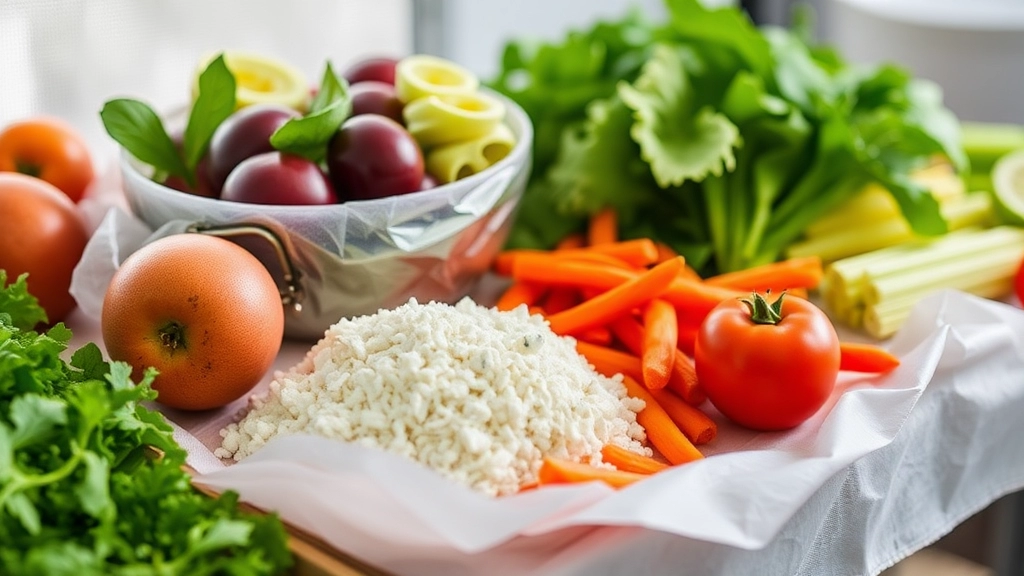
In the realm of food preservation, choosing the right packaging material is crucial to maintaining the quality and safety of food products. Polyethylene (PE) material has emerged as a leading choice due to its numerous advantages that cater to the diverse needs of the food industry.
Barrier Properties
PE material offers excellent barrier properties that are vital for food preservation. It effectively prevents the permeation of moisture, oxygen, and other gases, thereby extending the shelf life of food products. This is particularly important for perishable items that are sensitive to environmental conditions.
Lightweight and Cost-Effective
One of the standout features of PE material is its lightweight nature, which reduces transportation costs and energy consumption. This cost-effectiveness is a significant advantage for manufacturers and consumers alike, making it a preferred choice for food preservation.
Versatility and Customization
The versatility of PE material allows for a wide range of customization options. It can be molded into various shapes and sizes to accommodate different types of food products, ensuring optimal protection and presentation. This flexibility is crucial for meeting the specific requirements of diverse food items.
Recyclability and Environmental Impact
While environmental concerns are paramount in today’s world, PE material offers the benefit of being recyclable. This attribute not only contributes to reducing waste but also aligns with sustainable practices, making it a responsible choice for food preservation.
Data on PE Material Advantages
| Advantage | Benefit |
|---|---|
| Barrier Properties | Prevents moisture and gas permeation |
| Lightweight | Reduces transportation costs |
| Versatility | Allows for customization |
| Recyclability | Supports sustainable practices |
In conclusion, the advantages of PE material in food preservation are manifold, providing a robust solution that addresses both practical and environmental considerations.
Environmental Impact of Using PE Material
When considering the future of food preservation, the environmental impact of packaging materials plays a crucial role. Polyethylene (PE) material, widely used in various forms of packaging, offers a range of environmental benefits that position it as a key player in sustainable food storage solutions.
Recyclability and Waste Reduction
One of the foremost advantages of PE material in the context of food preservation is its high recyclability. Unlike many alternative materials, PE can be recycled multiple times without significant degradation of its properties. This capability not only reduces the amount of waste sent to landfills but also conserves resources by minimizing the need for new raw materials. By choosing PE for food packaging, industries can significantly lower their environmental footprint.
Energy Efficiency in Production
Another important aspect is the energy efficiency associated with the production of PE material. The manufacturing process of polyethylene requires less energy compared to other packaging materials like glass or metal. This reduced energy consumption translates into lower greenhouse gas emissions, making PE a more environmentally friendly option for food preservation.
Lightweight Nature
The lightweight nature of PE material further contributes to its environmental benefits. Lighter packaging results in reduced transportation emissions, as less fuel is required to transport the same amount of product. This aspect is particularly significant in the food industry, where products are often shipped over long distances. By utilizing PE packaging, companies can decrease their carbon footprint and promote more sustainable logistics practices.
Innovations in Biodegradable PE
Recent advancements in biodegradable PE materials have also opened new avenues for reducing environmental impact. These innovations aim to maintain the protective qualities of traditional PE while enhancing its ability to decompose under specific conditions. Such developments hold promise for further minimizing the ecological impact of packaging waste, aligning with global efforts towards more sustainable food preservation methods.
Cost-Effectiveness of PE Material for Food Storage
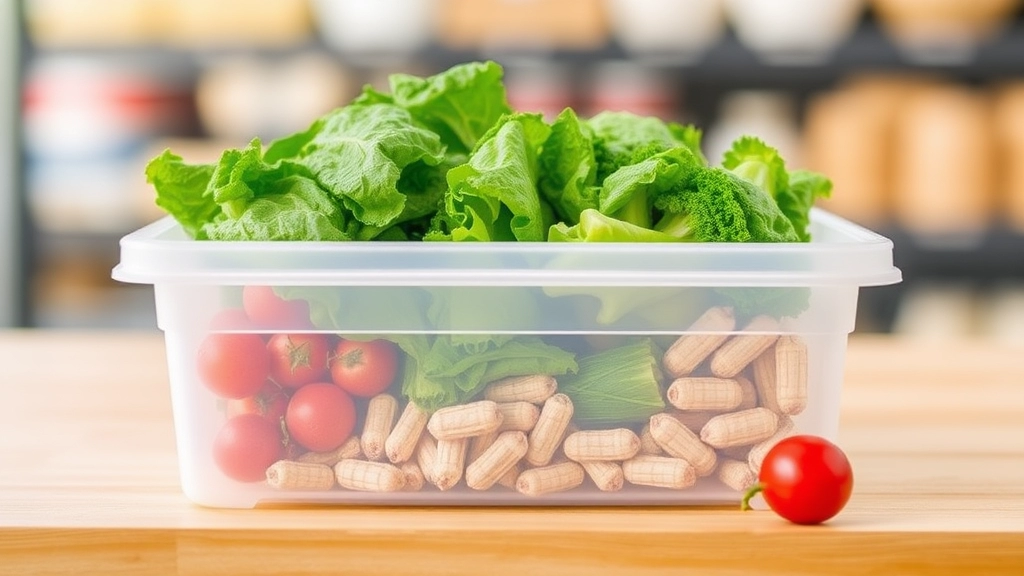
When considering the cost-effectiveness of materials for food preservation, PE (Polyethylene) material emerges as a highly favorable choice. Its affordability, combined with its extensive benefits, makes it a preferred option for both manufacturers and consumers.
Affordability and Availability
PE material is widely known for its low production costs. The raw materials required for its manufacture are abundant, which significantly reduces the overall expense. This makes PE an economically viable option for large-scale production and distribution in the food storage industry.
Table of Cost Comparison
| Material | Average Cost per Kilogram (USD) | Production Scalability |
|---|---|---|
| PE Material | 1.20 | High |
| Glass | 2.50 | Moderate |
| Aluminum | 3.00 | Low |
Reduced Transportation Costs
Another aspect contributing to the cost-effectiveness of PE material is its lightweight nature. This characteristic leads to lower transportation costs, as less fuel is required to move PE products compared to heavier materials like glass or aluminum. This reduction in transportation expenses can lead to significant savings, particularly for companies involved in large-scale food distribution.
Longevity and Reusability
PE material is not only cost-effective in terms of initial purchase but also offers long-term savings due to its durability and reusability. Its resistance to wear and tear means that PE-based packaging can be reused multiple times, reducing the need for frequent replacements and thus lowering the overall expenditure on packaging materials.
Integration with Existing Manufacturing Processes
The adaptability of PE material to existing manufacturing processes further enhances its cost-effectiveness. Companies can incorporate PE into their production lines with minimal adjustments, avoiding the significant financial outlays associated with overhauling equipment or processes. This seamless integration ensures that the transition to PE material is both smooth and economically advantageous.
In conclusion, the economic benefits of PE material in the realm of food preservation are manifold. Its affordability, combined with reduced transportation costs, longevity, and ease of integration into existing systems, positions PE as a leading choice for cost-effective food storage solutions.
Durability and Flexibility of PE Material
In the realm of food preservation, the durability of packaging materials plays a crucial role in maintaining the integrity and safety of food products. Polyethylene (PE) material stands out due to its exceptional resistance to wear and tear. This property ensures that it can withstand various environmental conditions without compromising its protective capabilities. From the rigors of transportation to the challenges of long-term storage, PE material consistently demonstrates its ability to protect food from external contaminants and physical damage.
Resistance to Environmental Factors
PE material’s resilience against moisture, chemicals, and temperature fluctuations makes it an ideal choice for food preservation. Its ability to form an effective barrier against moisture is particularly significant, as it prevents the growth of mold and bacteria that thrive in damp conditions. Furthermore, its chemical resistance ensures that it does not react with food substances, thereby maintaining the food’s original quality and taste.
Flexibility in Application
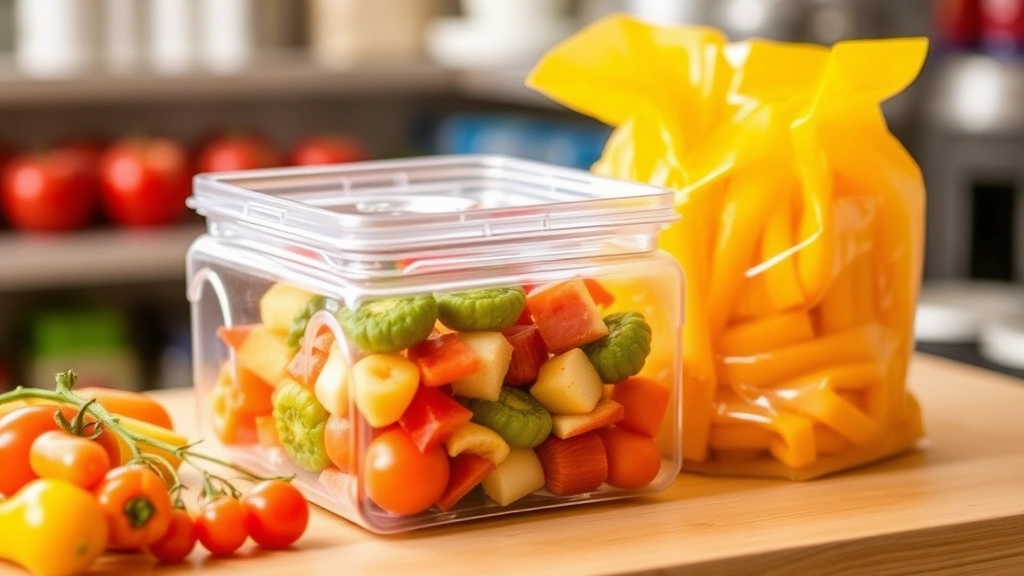
The flexibility of PE material is another compelling factor that contributes to its suitability for food storage. This material can be easily molded into various shapes and sizes, accommodating a wide range of food products from liquids to solids. Its adaptability allows manufacturers to create customized packaging solutions that meet specific needs, enhancing both the functionality and aesthetic appeal of the packaging.
Lightweight Yet Strong
Despite its lightweight nature, PE material offers remarkable strength, which is vital for the safe transportation and storage of food items. This combination of being lightweight and strong reduces transportation costs while maintaining the structural integrity of the packaging. The reduced weight also contributes to lower carbon emissions during transportation, aligning with sustainable practices in the food industry.
Reusability and Recycling
PE material’s durability lends itself to reusability, which is a significant advantage in promoting sustainable food preservation practices. Its ability to be recycled further enhances its environmental credentials, providing a pathway for reducing waste and conserving resources. By choosing PE material, businesses can contribute to a circular economy while ensuring the long-term protection of food products.
Innovations in PE Material for Enhanced Food Safety
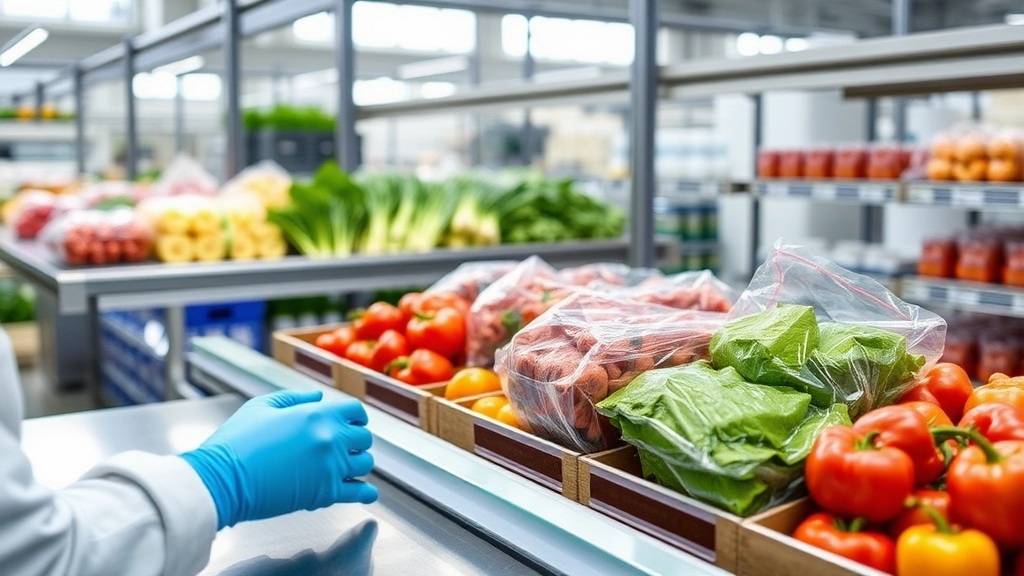
In recent years, there have been significant innovations in polyethylene (PE) material that have greatly enhanced its suitability for food preservation. These advancements focus on improving the barrier properties, antimicrobial capabilities, and overall safety of PE materials used in food packaging.
Enhanced Barrier Properties
One of the most notable innovations in PE material is the improvement of its barrier properties. Enhanced barrier films are designed to provide superior protection against oxygen, moisture, and other environmental factors that can compromise food quality. This is crucial for extending the shelf life of perishable goods and maintaining their nutritional value.
| Property | Traditional PE | Innovative PE |
|---|---|---|
| Oxygen Barrier | Moderate | High |
| Moisture Barrier | Good | Excellent |
Antimicrobial Additives
Another area of innovation is the integration of antimicrobial additives into PE materials. These additives help inhibit the growth of bacteria and fungi on the packaging surface, reducing the risk of contamination and spoilage. This development is particularly beneficial for the storage of fresh produce and other sensitive food items.
Biodegradable PE Options
With growing environmental concerns, there has been a push towards developing biodegradable PE materials. These materials retain the advantageous properties of traditional PE while offering a more sustainable option for food preservation. The incorporation of biodegradable components ensures that the packaging breaks down more easily after disposal, minimizing its environmental footprint.
| Feature | Traditional PE | Biodegradable PE |
|---|---|---|
| Environmental Impact | High | Reduced |
| Decomposition Time | Years | Months |
Smart Packaging Technologies
The integration of smart packaging technologies into PE material is another groundbreaking innovation. Smart packaging can include elements such as freshness indicators and temperature sensors, which provide real-time information about the condition of the food product. This technology not only enhances food safety but also helps consumers make informed decisions about the freshness and quality of their food.
Overall, these innovations in PE material are setting new standards for food preservation, ensuring that food remains safe and fresh for longer periods while also addressing environmental concerns.
Comparisons Between PE Material and Alternative Packaging Options
When considering the optimal choice for food preservation, it is essential to evaluate the performance of Polyethylene (PE) material in comparison to other available packaging options. Each material brings its own set of characteristics, but PE stands out due to its unique properties that cater specifically to the demands of modern food storage.
Barrier Properties
PE material is renowned for its excellent barrier properties against moisture and gases, which are crucial for maintaining the freshness and extending the shelf life of food products. In contrast, materials such as paper and biodegradable plastics often fall short in this regard, as they are more permeable and less effective in preventing external elements from compromising the food’s integrity.
Cost-Effectiveness
From a cost perspective, PE material offers a competitive advantage. It is generally more affordable to produce and process compared to alternatives like glass or aluminum. This affordability does not come at the expense of quality, making PE a preferred choice for manufacturers looking to balance cost with food preservation efficacy.
Durability and Flexibility
PE’s durability and flexibility are unmatched, especially when compared to rigid packaging solutions such as glass, which can be prone to breakage. The flexibility of PE allows for innovative packaging designs that can accommodate various food types and quantities, providing a versatile solution that other materials struggle to match.
Environmental Considerations
While environmental impact is a significant concern, advancements in PE recycling technologies have mitigated some of the ecological drawbacks traditionally associated with plastic use. Alternatives like biodegradable plastics are often touted as eco-friendly, yet they may not always decompose as effectively under real-world conditions, sometimes leading to similar environmental concerns.
Innovations and Future Trends
The continuous innovation in PE material, such as the development of bio-based PE and enhanced recyclability features, positions it as a forward-thinking choice for food preservation. These innovations are paving the way for more sustainable solutions that maintain the material’s core benefits while addressing environmental challenges.
Future Trends in Food Preservation with PE Material
As we look towards the future of food preservation, the role of Polyethylene (PE) material is set to become even more prominent. This section explores the anticipated advancements and trends that will shape the use of PE material in the coming years.
Advancements in PE Material Technology
Technological innovations are expected to enhance the properties of PE material, making it an even more effective solution for food preservation. Research is focused on developing PE materials with improved barrier properties to better protect food from moisture, oxygen, and other environmental factors. These advancements will ensure that food remains fresh for longer periods, reducing waste and improving sustainability.
Sustainability and Environmental Considerations
With increasing awareness of environmental impacts, the future of PE material in food preservation will likely include a shift towards more sustainable practices. This includes the development of biodegradable PE materials and the incorporation of recycled content. These innovations will help reduce the carbon footprint associated with food packaging.
Integration of Smart Technologies
The integration of smart technologies into PE packaging is another trend on the horizon. Smart packaging solutions, such as those incorporating sensors or indicators, can provide real-time information about the condition and freshness of food products. This not only enhances food safety but also empowers consumers to make informed decisions.
Customization and Personalization
The demand for customized and personalized packaging solutions is expected to grow. PE materials offer the flexibility needed to create packaging that meets specific consumer needs, whether it’s portion control, resealability, or aesthetic appeal. This trend will drive innovation in PE material design and manufacturing processes.
Comparative Analysis of PE Material and Alternatives
As the industry evolves, continuous comparative analysis between PE and alternative packaging materials will guide future choices. The table below highlights some key factors in this analysis:
| Factor | PE Material | Alternative Materials |
|---|---|---|
| Barrier Properties | High | Variable |
| Environmental Impact | Improving with Innovations | Depends on Material |
| Cost | Cost-Effective | Varies |
| Durability | High | Variable |
In conclusion, the future of food preservation with PE material is poised for significant growth and transformation. By embracing technological advancements, sustainability, and consumer-centric innovations, PE material will continue to be a leading choice in the packaging industry.
FAQs on PE Material for Food Preservation
What makes PE material a preferred choice for food preservation?
PE material is favored for food preservation due to its excellent barrier properties, lightweight nature, cost-effectiveness, versatility, and recyclability. These attributes make it highly effective at extending the shelf life of food products while being economically viable and environmentally friendly.
How does PE material contribute to environmental sustainability?
PE material supports environmental sustainability through its high recyclability and energy-efficient production processes. Recent innovations in biodegradable PE further enhance its environmental credentials by reducing waste and promoting sustainable food preservation practices.
Why is the cost-effectiveness of PE material important for the food industry?
The cost-effectiveness of PE material is crucial as it offers affordability without compromising quality. Its lightweight nature reduces transportation costs, and its durability ensures long-term savings by minimizing the need for frequent replacements in food preservation applications.
What innovations in PE material are enhancing food safety?
Recent innovations in PE material include enhanced barrier properties, antimicrobial additives, and smart packaging technologies. These advancements improve food safety by providing superior protection against contaminants and offering real-time information about food freshness.
How does PE material compare to other packaging options in terms of durability?
PE material is highly durable, offering resistance to environmental factors such as moisture and temperature fluctuations. Unlike rigid materials like glass, PE is flexible and less prone to breakage, making it a reliable choice for food preservation.
What future trends are expected in the use of PE material for food preservation?
Future trends include advancements in PE technology for better barrier properties, increased sustainability through biodegradable options, the integration of smart technologies, and a focus on customization to meet consumer needs. These trends will enhance the role of PE in the packaging industry.
How does the recyclability of PE material impact its environmental footprint?
The recyclability of PE material significantly reduces its environmental footprint by minimizing waste and conserving resources. This capability aligns with global efforts to promote sustainable food preservation practices and supports a circular economy.
References
- Environmental Impact of Using PE Material Description text…
- Durability and Flexibility of PE Material Description text…
- Comparisons Between PE Material and Alternative Packaging Options Description text…