
















Are you wondering is aluminum foil toxic and whether it’s safe to use in your kitchen? As a busy home cook, you want to keep your family safe without sacrificing convenience. At Artfullife, we understand your concerns about aluminum foil safety and are here to provide clear, science-backed answers.
In this guide, you’ll discover the truth about aluminum foil health risks, learn how it interacts with food, and get practical tips to use it safely. Let’s dive into the facts and put your mind at ease!
What is Aluminum Foil Common Uses and Production
Aluminum foil is a thin sheet of metal made from pure aluminum. It is produced through a process called rolling, where large slabs of aluminum are passed through heavy rollers until they reach a thickness of just a few microns. This results in a flexible, lightweight, and durable sheet that’s widely used in homes and industries.
In everyday life, aluminum foil serves multiple purposes, especially in the kitchen. Its most common household uses include:
- Cooking: Wrapping foods for baking, grilling, or roasting helps retain moisture and heat evenly.
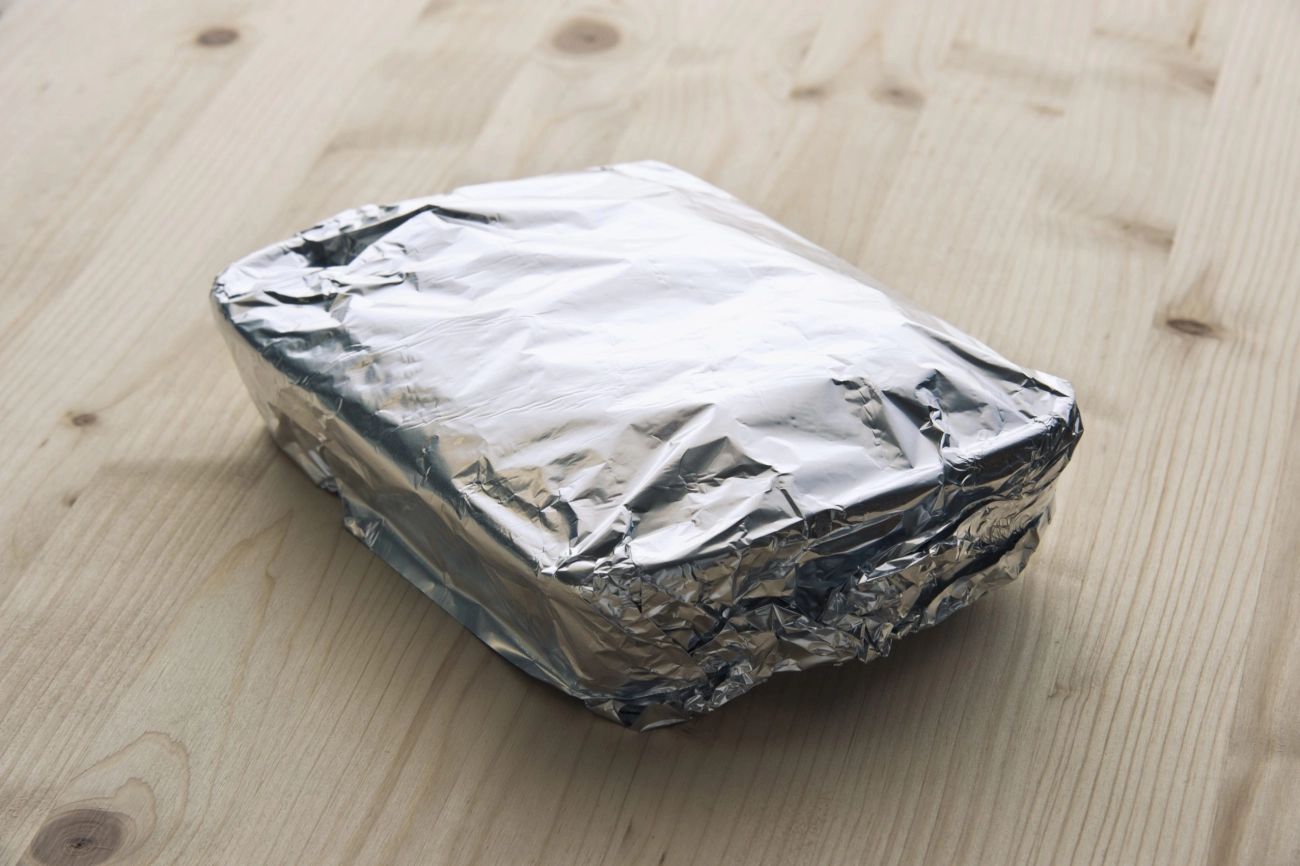
- Food storage: Aluminum foil keeps leftovers fresh by preventing air and light exposure.
- Wrapping: It is often used to pack sandwiches, cover dishes, or tightly seal containers for transport or refrigeration.
Aluminum foil’s versatility, heat resistance, and barrier properties make it an essential item in many homes. Understanding what aluminum foil is and how it’s made lays the foundation for addressing questions around aluminum foil health risks and safety in cooking.
For high-quality, food-grade aluminum foil options, you can explore Artfullife’s selections that provide excellent durability and consistent performance for everyday cooking and storage needs. Check out options like Artfullife aluminum foil 25.83 sq ft for reliable kitchen solutions.
Is Aluminum Foil Toxic The Scientific Perspective
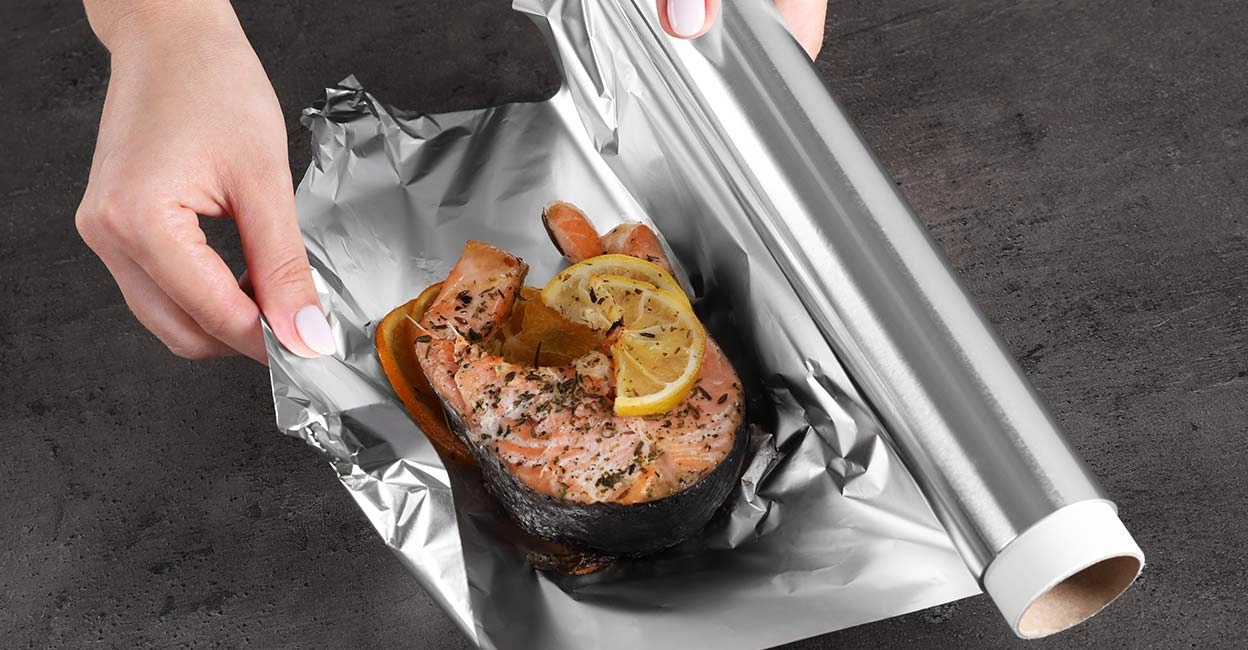
Aluminum is a common metal found naturally in soil, water, and many foods we eat every day. It’s actually the third most abundant element in the Earth’s crust and is present in small amounts in our daily environment without causing harm. Because of this, exposure to aluminum is normal and unavoidable.
Health Concerns Linked to Aluminum Exposure
There have been long-standing concerns about whether aluminum exposure, including from cooking with aluminum foil, could impact health—especially fears about neurotoxicity and links to Alzheimer’s disease. Some worry that aluminum buildup in the brain might contribute to cognitive decline. However, extensive scientific research has found no conclusive evidence that aluminum from everyday sources, including aluminum foil, causes Alzheimer’s disease or other serious health issues.
What Do Health Agencies Say About Aluminum Foil Toxicity
Major organizations like the World Health Organization (WHO), U.S. Food and Drug Administration (FDA), and European Food Safety Authority (EFSA) have reviewed multiple studies on aluminum exposure and safety. Their findings consistently show that using aluminum foil for cooking and food storage is generally safe. These agencies emphasize that routine use of aluminum foil does not pose significant health risks if used properly.
Does Aluminum Leach Into Food
It’s true that aluminum can leach into food under certain conditions, but the amount is usually very low and well within safe intake levels. Factors that influence aluminum leaching include:
- Temperature: Higher cooking temperatures encourage more aluminum to transfer to food.
- Food Acidity: Acidic or salty foods increase leaching. For example, tomato sauce or citrus can cause more aluminum to migrate from foil compared to neutral or dry foods.
- Cooking Time: Longer cooking or wrapping times can also increase aluminum leaching.
Despite this, the overall aluminum exposure from foil is minimal compared to other sources like drinking water, food additives, or cookware. For most people, this does not translate to any health risk.
aluminum foil is not toxic when used properly. While some aluminum may leach into food, it’s usually in tiny amounts that health experts say are safe. If you want to minimize exposure, avoid cooking highly acidic foods wrapped tightly in foil for long periods, especially at high heat.
How Aluminum Foil Interacts with Different Foods and Aluminum Leaching Risks
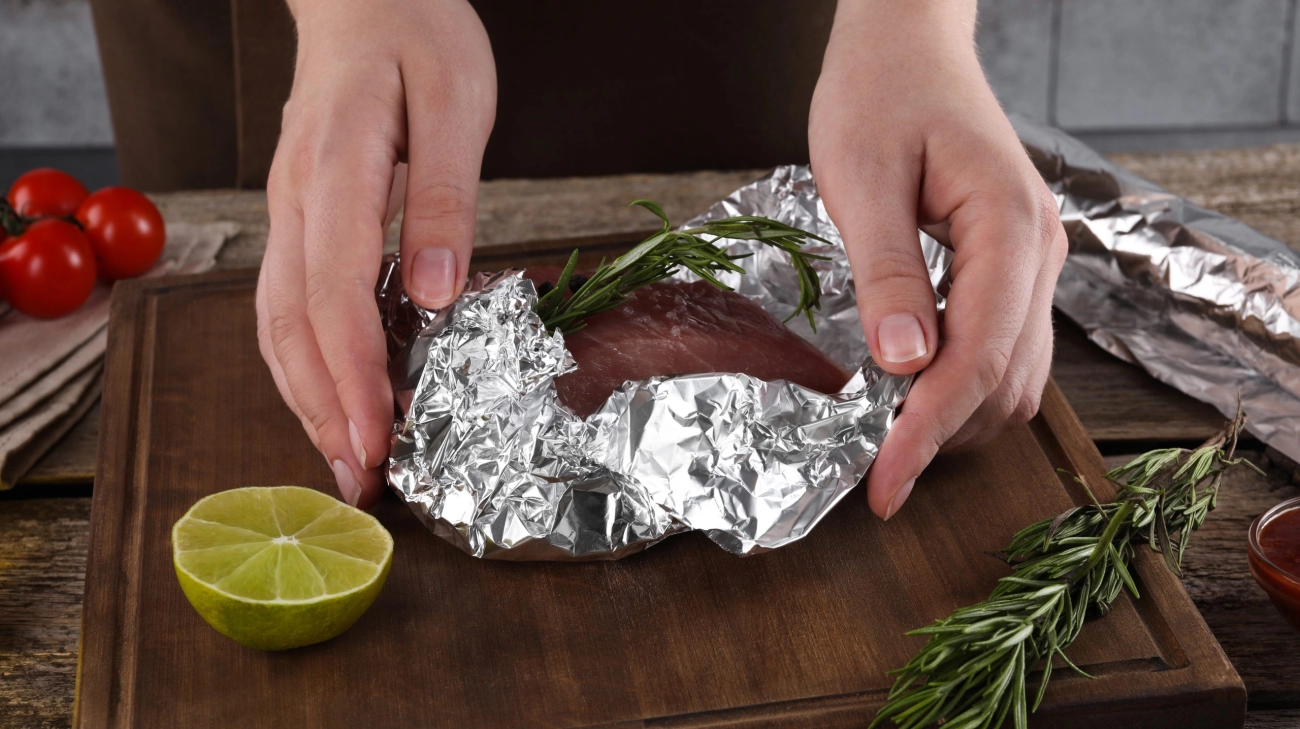
When you cook or store food with aluminum foil, it’s important to know how different types of food affect aluminum leaching—that is, the aluminum particles that can transfer from the foil into your food.
Effects of Acidic and Salty Foods on Aluminum Leaching
Acidic foods like tomatoes, citrus fruits, vinegar-based sauces, and pickles can increase the chances of aluminum leaching. The acid breaks down the protective oxide layer on the foil, causing more aluminum to dissolve into the food.
Salty foods also heighten aluminum leaching because salt speeds up chemical reactions between the foil and food. Think salty snacks, cured meats, or dishes with a lot of seasoning.
Safe Foods to Use with Aluminum Foil
- Dry or low-acid foods are generally safe when wrapped in aluminum foil.
- Foods like baked potatoes, grilled meats, or sandwiches don’t usually cause significant aluminum transfer.
- Using aluminum foil for storage or cooking of neutral pH foods poses minimal health risks.
Unsafe Foods to Avoid Wrapping or Cooking in Aluminum Foil
- Highly acidic foods such as tomato sauce, lemon chicken, citrus fruit-based dishes.
- Salty and spicy meals that combine acid and salt, for example, fermented pickles or brined foods wrapped in foil.
- Long storage of acidic or salty foods in foil—avoid storing these types of dishes in aluminum foil for multiple days.
Why Does This Matter
Aluminum leaching increases with food acidity, salt level, temperature, and storage time. This matters because excessive aluminum intake over time may pose health risks, especially for people sensitive to aluminum exposure.
Key Takeaways for Safe Food Use with Aluminum Foil
- Use foil mainly for low-acid, non-salty foods, or short-term storage.
- Avoid cooking or storing highly acidic or salty items in aluminum foil to minimize aluminum leaching.
- If you need to cook acidic or salty foods in foil, try to limit cooking time and avoid high heat.
By understanding how aluminum foil interacts with your food, you can use it safely and reduce any chance of aluminum exposure from cooking or wrapping.
Potential Health Risks of Unsafe Aluminum Foil Use
While aluminum foil is widely used and generally safe, improper use can pose potential health risks. Understanding when aluminum foil becomes harmful is key for safe cooking and food storage.
When Aluminum Foil Can Become Harmful
- Cooking at High Temperatures: Aluminum foil can leach more aluminum into food when exposed to very high heat—especially above 400°F (204°C). Prolonged cooking or grilling at such temperatures may increase aluminum transfer, especially to acidic or salty foods.
- Using Foil in Microwaves: It’s unsafe to use aluminum foil in most microwave ovens. Foil can cause sparks, fires, or uneven cooking due to its reflective properties and potential for electrical arcing.
- Burnt or Melted Foil: When aluminum foil is burnt, melted, or charred, it can produce harmful fumes and small particles. Avoid direct flame contact and never cook with foil that has been compromised this way.
Vulnerable Populations and Sensitivity Considerations
Certain groups should be more cautious with aluminum exposure from foil, as they might be more sensitive or at greater health risk:
- People with Kidney Issues: Kidneys help remove excess aluminum from the body. Those with impaired kidney function may accumulate aluminum, increasing risk for toxicity.
- Infants and Young Children: Developing bodies and brains may be more vulnerable to excess aluminum exposure.
- Individuals with Aluminum Sensitivity or Allergies: Though rare, some people can have sensitivity or skin reactions when exposed to aluminum products.
Key Safety Takeaways
- Avoid cooking with aluminum foil at excessively high temperatures or for long durations.
- Do not use aluminum foil in microwaves; opt for microwave-safe covers instead.
- Use foil cautiously with acidic or salty foods, as these increase aluminum leaching.
- People with kidney disease or other health concerns should limit aluminum exposure as a precaution.
For safe and reliable aluminum foil products designed for everyday use, consider quality options like Artfullife aluminum foil that prioritize safety and performance in the kitchen.
Safe Practices for Using Aluminum Foil to Avoid Toxicity
Using aluminum foil safely can help minimize any health risks linked to aluminum exposure from cooking. Here are some recommended tips to keep your food safe and reduce aluminum leaching into your meals.
Recommended Usage Tips and Temperature Limits
- Avoid cooking at very high temperatures. Aluminum foil is generally safe up to about 400°F (204°C). Cooking above this can increase aluminum leaching into food and potentially damage the foil.
- Do not use aluminum foil in microwaves. The metal can cause sparks or fires in microwave ovens.
- Avoid wrapping or cooking highly acidic or salty foods with aluminum foil. Foods like lemon, tomato sauce, vinegar-based dishes, or pickles can increase aluminum leaching.
- When possible, use parchment paper or silicone baking mats as a barrier between the foil and the food to reduce direct contact.
Alternatives to Aluminum Foil
If you want to limit aluminum exposure or simply avoid foil, here are safe non-toxic alternatives popular in U.S. kitchens:
- Beeswax wraps: Reusable and eco-friendly, great for wrapping sandwiches and storing snacks.
- Parchment paper: Perfect for baking and roasting, it withstands moderate oven temperatures without leaching chemicals.
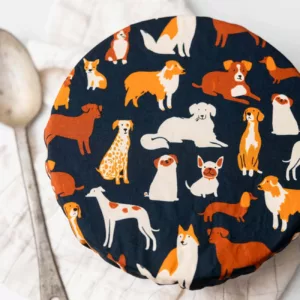
- Silicone food covers and baking mats: Heat-resistant and reusable, these reduce waste and prevent direct contact between food and metal.
Proper Disposal and Recycling of Aluminum Foil
- Aluminum foil is recyclable if it’s clean and free of food residue. Rinsing or scraping off leftover food before recycling helps prevent contamination.
- Avoid throwing foil in the trash if recyclable in your area, as it’s a valuable material that can be reused.
- For food-stained foil, check your local recycling guidelines—it might need to go in regular waste if heavily soiled.
By sticking to these practices, you can safely use aluminum foil without worrying about toxicity. Using foil smartly and choosing alternatives when needed supports both your health and the environment.
Aluminum Foil Quality and What to Look for When Buying
When it comes to aluminum foil, quality matters a lot—especially if you want to keep your food safe and avoid any health risks linked to aluminum exposure. Artfullife, a trusted name in kitchen products, is committed to offering high-quality aluminum foil that meets safety standards and performs well for everyday cooking and storage needs in U.S. households.
Artfullife’s Commitment to Safe Kitchen Products
Artfullife focuses on providing aluminum foil that is:
- Made from food-grade aluminum, ensuring it’s safe for direct contact with food.
- Produced with strict quality controls to minimize contaminants and ensure consistent thickness.
- Designed to resist tearing and prevent unwanted aluminum leaching into food.
- Tested to handle common cooking temperatures safely without breaking down or becoming toxic.
Their quality control helps protect you from issues like aluminum leaching into food, which can happen with lower-grade or damaged foil.
Tips for Choosing High-Quality Aluminum Foil at the Supermarket
When shopping for aluminum foil, keep an eye out for:
- Food-grade labeling: Make sure the packaging states it’s safe for cooking and food storage.
- Thickness: Thicker foil (heavy-duty) is less likely to tear and safer for high-heat cooking or grilling.
- Size and length: Choose based on your typical kitchen needs; bigger rolls offer better value but make sure it’s easy to handle.
- Brand reputation: Stick with trusted brands like Artfullife that emphasize safety and consistent quality.
- Non-toxic assurances: Look for foil labeled as safe for oven use and resistant to chemical leaching, especially if you cook with acidic or salty foods often.
- Sustainability info: If you’re eco-conscious, check for recyclable foil options or brands that promote responsible production.
By choosing high-quality aluminum foil like what Artfullife offers, you minimize the risk of aluminum exposure from cooking and ensure your food stays safe. This is especially important if you cook regularly with foil or wrap food for storage.
Remember: Using a good-quality foil paired with safe cooking practices helps you avoid common aluminum foil health risks and protects your family’s well-being while keeping your kitchen efficient.
Aluminum Foil Toxic FAQ Common Questions Answered
Can aluminum foil cause Alzheimer’s disease
A common worry is whether aluminum foil causes Alzheimer’s or other brain issues. Current scientific evidence does not support a direct link between normal aluminum foil use and Alzheimer’s disease. Aluminum is everywhere—in food, water, and even in some medications—but health agencies like the FDA, WHO, and EFSA agree that typical exposure through cooking is safe. The key is moderation and avoiding unnecessary high exposure.
Is it safe to cook with aluminum foil every day
Yes, cooking with aluminum foil every day is generally safe as long as you follow safe practices. Aluminum foil can leach small amounts of aluminum into food, especially with acidic or salty dishes and at high heat. However, for most people, this exposure stays well below harmful levels. To be cautious:
- Avoid wrapping highly acidic foods (tomatoes, citrus) in foil for long times.
- Use foil at recommended temperature limits (usually up to 400°F).
- Consider alternatives like parchment paper if worried.
For regular household cooking, foil remains a reliable and safe option when used properly.
What should I do if food touches aluminum foil
If your food comes in contact with aluminum foil, there’s usually no need to worry. Small traces of aluminum on food from brief contact are not harmful. Still, keep these tips in mind:
- Avoid wrapping acidic or salty foods in foil for long periods. These can increase aluminum leaching.
- Use foil as a barrier or cover, not as direct wrapping for foods like citrus or pickled items.
- If foil gets burned or blackened, discard it—burnt foil can potentially release toxic compounds.
Proper use helps minimize any health risks — just keep things balanced and you’ll be fine.
By understanding these common questions about aluminum foil toxicity, you can confidently use it in your kitchen while keeping safety top of mind.