
















Are you wondering if foil paper is truly safe for packaging food? With growing concerns about health risks, aluminum leaching, and environmental impact, choosing the right food wrap can feel overwhelming. At Artfullife, we’re passionate about helping you keep your meals safe and sustainable. As eco-conscious food lovers ourselves, we’ve dug into the science and real-world tips to answer your questions. In this guide, you’ll uncover the truth about foil paper safety, learn safe usage tips, and discover eco-friendly alternatives to store your food with confidence. Let’s get started!
What Is Foil Paper and Why Is It Used for Food Packaging
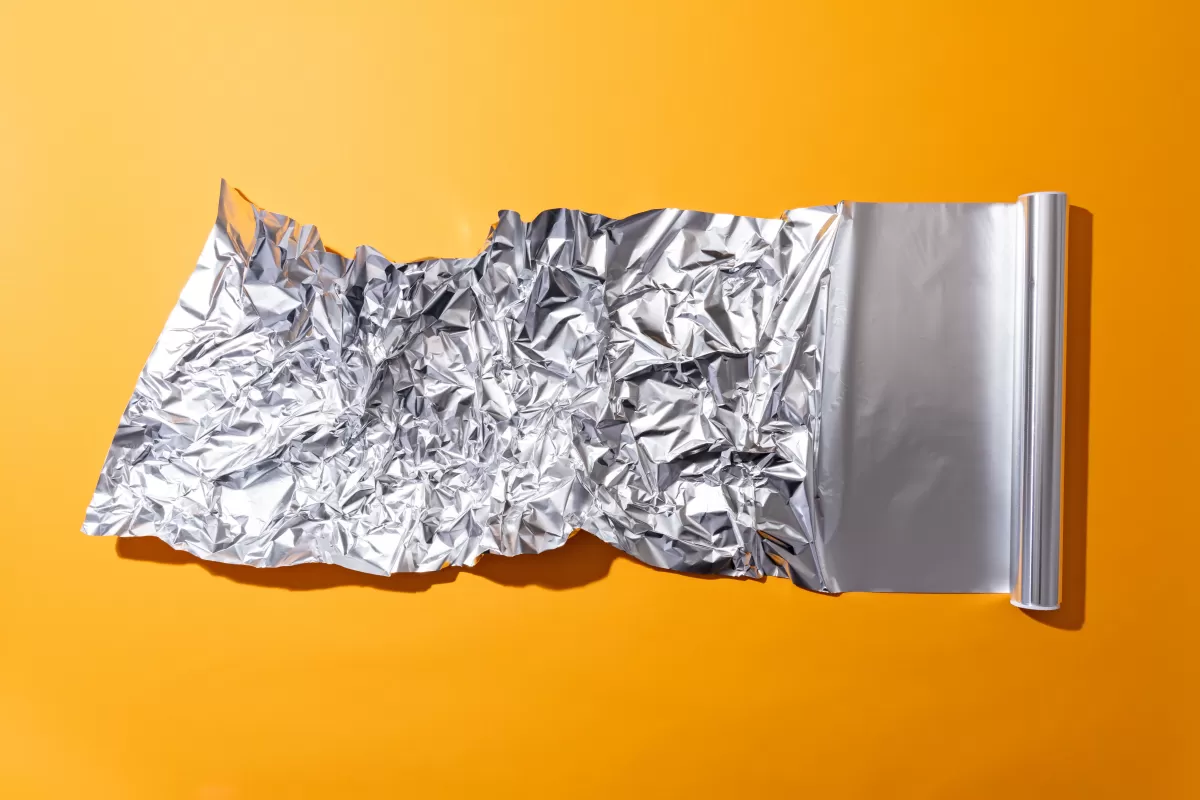
Foil paper, often called aluminum foil, is a thin sheet made from aluminum metal known for its flexibility, durability, and heat resistance. It’s widely used in kitchens and industries because it can easily wrap food, protect it from moisture, light, and air, and withstand high temperatures.
People use foil for wrapping leftovers, baking dishes, grilling meats, and in commercial food packaging to keep products fresh and safe. Its ability to block out oxygen and light helps extend shelf life and prevent spoilage, which is why it’s a popular choice for both home and professional kitchens.
Another big advantage is that aluminum foil is recyclable when clean, making it a practical option for those wanting to reduce waste while keeping food fresh and protected.
Is Foil Paper Safe for Food Packaging The Science Explained
When it comes to aluminum foil safety, a common concern is whether aluminum leaches into food and causes health risks. Aluminum is naturally present in our environment and even in some foods. The main worry is that cooking or storing food in foil could increase aluminum exposure, especially if the foil leaches into the food.
Health Risks of Aluminum Leaching
Research shows that under certain conditions, tiny amounts of aluminum can transfer from foil to food. High aluminum intake over time has been linked to concerns like aluminum poisoning and possible effects on brain health. However, there’s no clear evidence that using foil as intended directly causes serious illnesses or aluminum-related diseases like cancer.
Factors Increasing Leaching
Aluminum leaching is more likely when:
- Wrapping acidic or salty foods (like tomatoes, citrus, or pickles)
- Cooking foods at very high temperatures (like grilling or oven roasting)
- Using damaged or crinkled foil that exposes more surface area
- Storing food wrapped in foil for long periods
When It’s Safe
Using foil safely minimizes any risk of aluminum leaching. It’s generally safe for wrapping or storing most foods for short periods, especially non-acidic items. When cooking, avoid direct contact between foil and acidic or salty foods, and don’t use foil at extremely high heat for extended times. Following these simple steps helps keep foil paper safe for food packaging.
Environmental Impact of Foil Paper
Aluminum foil has both environmental upsides and downsides you should know about.
Pros
- Foil is recyclable if it’s clean and free of food residue. This means you can toss it in with your aluminum recycling to help reduce waste.
- Recycling aluminum uses less energy than making new foil from raw materials, so keeping it out of landfills is a plus.
Cons
- Producing aluminum foil requires a lot of energy and involves mining bauxite, which affects ecosystems and uses significant resources.
- Recycling foil can be tricky because leftover food or grease often contaminates it, making the foil hard to process.
- The energy-intensive production and mining contribute to greenhouse gas emissions, so it’s not the greenest material overall.
Comparison to Plastic Wrap
- Plastic wrap usually isn’t recyclable through curbside pickup and can stick around in landfills for hundreds of years.
- Foil can be a better choice than plastic in terms of recyclability if you keep it clean.
- However, plastic wrap production tends to use less energy than aluminum foil, so both have environmental trade-offs.
Knowing these pros and cons helps you choose the right food packaging that balances convenience with environmental care.
How to Use Foil Paper Safely for Food Packaging
To keep using foil paper safely for your food, here are some easy tips:
-
Avoid direct contact with acidic or salty foods like tomatoes, citrus, or pickles. These can increase aluminum leaching. Use a barrier such as parchment paper between the food and foil to reduce risk.
-
Limit high heat cooking with foil, especially when grilling or roasting. Excessive heat may speed up aluminum transfer to food.
-
Always use undamaged foil. Tears or holes can expose food to more aluminum and reduce protection.
-
Store food briefly in foil. For longer storage, move leftovers to airtight containers made of glass or plastic to keep food fresh and reduce aluminum exposure.
-
Recycle foil properly but only when it’s clean. Dirty foil with food residue often isn’t accepted by recycling programs.
Following these tips can help you enjoy the benefits of aluminum foil while minimizing health risks and environmental impact.
Safer Alternatives to Foil Paper for Food Packaging
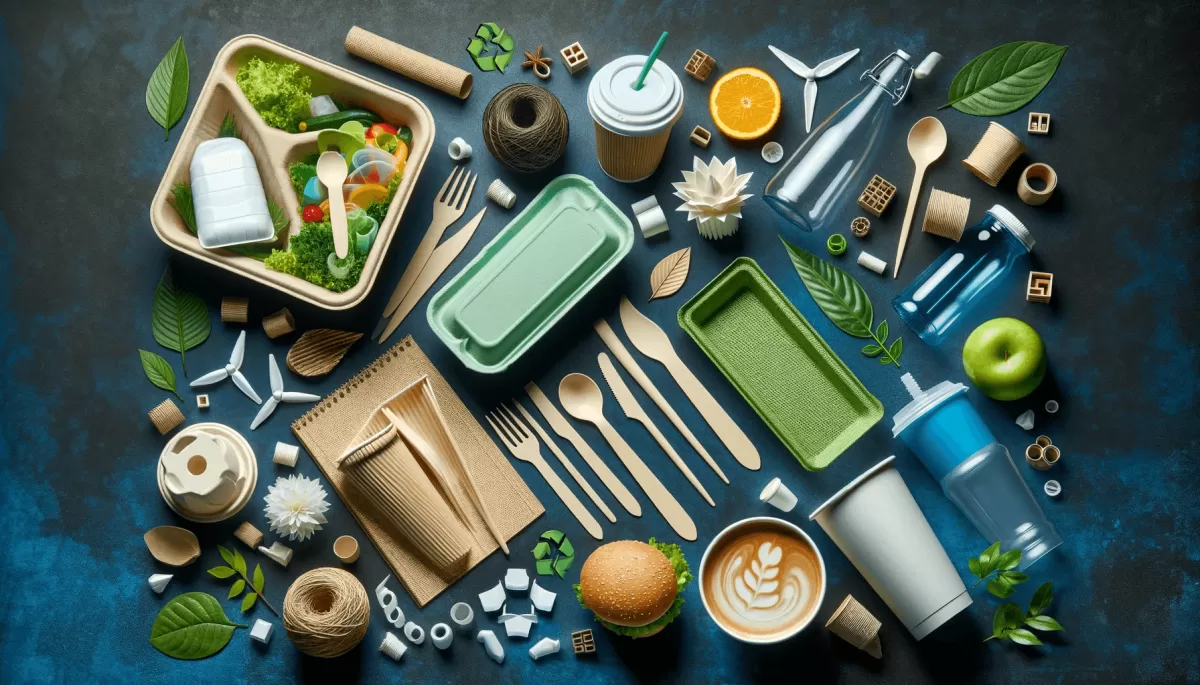
If you’re looking to avoid potential health risks or environmental concerns with aluminum foil, there are some great safer options to consider for food packaging.
Parchment Paper
- Non-stick and heat resistant
- Doesn’t leach chemicals into food
- Great for baking, wrapping sandwiches, or covering dishes
Beeswax Wraps
- Reusable and biodegradable
- Naturally antibacterial and breathable
- Perfect for wrapping snacks, fruits, and vegetables
- Helps reduce single-use plastic waste
Glass or Stainless Steel Containers
- Non-reactive and safe for all food types
- Reusable and durable
- Airtight options help keep food fresh longer
- Suitable for storage, reheating, and transport
Food-Grade Paper Wraps
- Eco-friendly and biodegradable
- Made for safe direct contact with food
- Good for sandwiches, deli foods, and produce
Quick Comparison Table
| Feature | Aluminum Foil | Parchment Paper | Beeswax Wraps | Glass/Stainless Steel Containers |
|---|---|---|---|---|
| Chemical Leaching Risk | Possible with acidic/salty foods | None | None | None |
| Reusability | No | No | Yes | Yes |
| Eco-friendliness | Moderate (depends on recycling) | High | Very High | High |
| Heat Resistance | High | Moderate | Low | High |
| Food Freshness | Good | Good | Very Good | Excellent |
Choosing these alternatives can help keep your food safe, reduce waste, and support a more sustainable kitchen.
Artfullife Commitment to Safe and Sustainable Food Storage
At Artfullife, we take food safety and sustainability seriously. Our range of eco-friendly food wraps and containers is designed to keep your food fresh without the worry of harmful chemicals or environmental damage. Every product is safe for direct food contact, meaning you can trust them to protect your meals without any risk of toxins or aluminum leaching.
Beyond safety, our wraps and containers are made with sustainability in mind, using materials that are reusable, biodegradable, or recyclable. Plus, they come in stylish designs that fit seamlessly into your kitchen and lifestyle.
Ready to switch to safer, greener food storage? Explore Artfullife’s collection today for worry-free, eco-conscious solutions made for your everyday needs.
FAQs
Is aluminum foil safe for baking
Yes, aluminum foil is generally safe for baking as long as it’s used properly. Avoid letting the foil touch very acidic or salty foods during long cooking times to reduce any risk of aluminum leaching. It’s best to use undamaged foil and avoid overheating it directly in open flames.
Can I store acidic foods in foil
Storing highly acidic foods like tomatoes or citrus in foil isn’t recommended for long periods. Acid can cause aluminum to leach into the food. If you need to wrap acidic items, use a barrier like parchment paper between the food and foil to stay safe.
Is foil paper recyclable
Aluminum foil can be recycled, but only if it’s clean and free of food residue. Dirty foil often ends up in the trash. In many communities, clean foil goes in with aluminum cans or mixed metal recycling. Check local rules to be sure.
Best alternative to foil for grilling
Parchment paper and reusable beeswax wraps are great for light grilling or food storage. For higher heat grilling, using a grill basket or stainless steel containers is safer and more sustainable than foil.
How Artfullife ensures food safety
At Artfullife, we prioritize eco-friendly, safe food storage options. Our products are made from food-safe materials that don’t leach chemicals. We focus on reusable, sustainable wraps and containers that protect your food and the environment without compromising safety. Explore our range for worry-free, healthy food storage solutions.