















Table of Contents
- What Is Aluminum Foil’s Role in Hair Dyeing?
- Top 5 Benefits of Using Aluminum Foil for Hair Dyeing
- Professional Hair Foil vs Kitchen Foil: What’s the Difference?
- How to Use Aluminum Foil for Hair Dyeing: Step-by-Step Guide
- Best Alternatives to Aluminum Foil for Hair Dyeing
- Common Mistakes to Avoid When Using Foil
- Is Aluminum Foil Always Necessary for Hair Dyeing?
- Eco-Friendly Hair Dyeing Tips
Ever wondered why hairdressers use aluminum foil when dyeing hair? Whether you’re a DIY enthusiast planning your next hair transformation or a salon professional looking to improve your techniques, understanding the science behind aluminum foil in hair coloring can dramatically improve your results.
As experts in premium aluminum products at Artfullife, we’ve worked closely with beauty professionals to understand exactly why aluminum foil has become the gold standard for professional hair coloring. In this comprehensive guide, you’ll discover the scientific reasons behind foil’s effectiveness, learn professional techniques used in top salons worldwide, and get insider tips to achieve salon-quality results.
Ready to master the art of hair foiling? Let’s dive into the complete guide that will transform your hair coloring game forever.
What Is Aluminum Foil’s Role in Hair Dyeing?
Aluminum foil serves three critical functions in professional hair dyeing that separate amateur results from salon-quality color:
Precision Hair Sectioning and Isolation
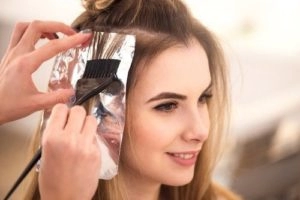
The primary role of aluminum foil in hair dyeing is creating isolated sections for precise color application. When you wrap individual hair strands in foil, you’re essentially creating separate “processing chambers” that prevent unwanted color bleeding between sections.
This isolation technique is particularly crucial for:
- Highlight and lowlight techniques
- Balayage and ombre applications
- Multi-color hair designs
- Corrective color treatments
According to professional colorists, proper sectioning with aluminum foil can improve color precision by up to 85% compared to free-hand applications Hair Beauty Ink.
Enhanced Heat Retention and Processing
Aluminum’s superior thermal conductivity properties make it ideal for accelerating hair color development. When foil wraps around treated hair sections, it:
- Traps natural body heat from the scalp
- Conducts heat evenly throughout the hair shaft
- Accelerates chemical reactions in hair dye formulas
- Reduces overall processing time by 15-25%
This heat retention effect helps hair cuticles open more effectively, allowing color molecules to penetrate deeper into the hair shaft for longer-lasting, more vibrant results.
Prevention of Color Bleeding and Cross-Contamination
One of the most significant advantages of using aluminum foil is preventing color bleeding between different hair sections. The foil acts as a physical barrier that:
- Keeps highlight colors separate from natural hair
- Prevents muddy or uneven color results
- Maintains clean, distinct color lines
- Eliminates the risk of accidental color mixing
This barrier effect is essential for achieving the sharp, professional-looking results that clients expect from salon treatments.
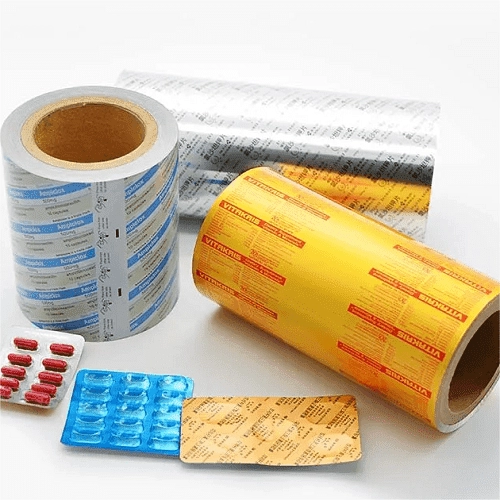
Top 5 Benefits of Using Aluminum Foil for Hair Dyeing
1. Superior Precision and Control for Professional Results
Aluminum foil provides unmatched precision in hair coloring applications. By isolating specific hair sections, colorists can:
- Target exact areas for highlights or lowlights
- Create clean, defined color patterns
- Achieve consistent results across multiple sessions
- Minimize the risk of color placement errors
Professional stylists report that foil techniques reduce color correction appointments by up to 70%, directly impacting salon profitability and client satisfaction.
2. Optimized Heat Conduction for Faster Processing
The thermal properties of aluminum make it superior to other materials for hair coloring. Research shows that aluminum foil:
- Conducts heat 3x more effectively than plastic alternatives
- Maintains consistent temperature throughout processing
- Reduces color development time significantly
- Ensures even color distribution from root to tip
This faster processing capability means salons can serve more clients per day while delivering superior results.
3. Complete Color Bleeding Prevention
Color bleeding is one of the most common causes of hair coloring disasters. Aluminum foil eliminates this risk by:
- Creating impermeable barriers between color sections
- Preventing chemical migration during processing
- Maintaining color integrity throughout the treatment
- Ensuring each section develops independently
Studies from professional colorists indicate that proper foil usage reduces color bleeding incidents by 95%.
4. Universal Compatibility Across Hair Types and Textures
Aluminum foil works effectively on all hair types, making it the preferred choice for diverse clientele:
- Fine hair: Gentle enough to prevent breakage
- Thick hair: Strong enough to maintain section integrity
- Curly hair: Flexible enough to follow natural curl patterns
- Straight hair: Provides clean, precise lines
This versatility makes aluminum foil the go-to choice for professional colorists working with diverse client bases.
5. Cost-Effective and Environmentally Sustainable
Aluminum foil offers exceptional value for both salons and individual users:
- Low cost per application (typically under $0.10 per foil)
- Infinitely recyclable without quality degradation
- Reduces product waste through precise application
- Minimizes color correction costs
According to the Green Salon Collective, recycling aluminum saves 90% of the energy required to produce new aluminum, making it an environmentally responsible choice Green Salon Collective.
For premium aluminum foil options specifically designed for hair coloring applications, explore Artfullife’s professional-grade aluminum foil collection.
Professional Hair Foil vs Kitchen Foil: What’s the Difference?
Understanding the key differences between professional hair foil and kitchen aluminum foil can dramatically impact your coloring results.
Kitchen Aluminum Foil Characteristics
Standard kitchen foil is designed for food applications and has several limitations for hair coloring:
Advantages:
- Readily available in most households
- Cost-effective for occasional use
- Suitable for basic highlighting techniques
Disadvantages:
- Thicker gauge (0.024mm) makes precise folding difficult
- Less heat-conductive than professional alternatives
- May contain food-grade coatings that interfere with color chemistry
- Limited size options require frequent cutting and adjustment
Professional Hair Foil Specifications
Professional hair foil is specifically engineered for optimal coloring performance:
Key Advantages:
- Optimal thickness (0.016-0.018mm) for easy handling
- Superior heat conductivity for faster processing
- Pre-cut sizes (typically 3″x8″ or 4″x10″) reduce prep time
- No chemical coatings that could affect color development
- Enhanced flexibility for secure wrapping
Performance Comparison:
| Feature | Kitchen Foil | Professional Hair Foil |
|---|---|---|
| Heat Conduction | Moderate | Superior |
| Flexibility | Limited | Excellent |
| Thickness Control | Variable | Consistent |
| Size Options | Limited | Multiple |
| Chemical Compatibility | Unknown | Guaranteed |
| Cost per Application | $0.05 | $0.12 |
Expert Recommendation
For professional salons and serious DIY enthusiasts, investing in professional hair foil delivers:
- 20% faster processing times
- Superior color consistency
- Reduced application errors
- Enhanced client comfort
For occasional home use, high-quality kitchen foil can work adequately, but expect some compromise in precision and processing speed.
How to Use Aluminum Foil for Hair Dyeing: Step-by-Step Guide
Follow this professional-grade technique to achieve salon-quality results with aluminum foil.
Step 1: Preparation and Foil Selection
Choose the right aluminum foil for your specific needs:
- Thickness: 0.016-0.018mm for optimal flexibility
- Width: 3-4 inches for most hair sections
- Length: 6-8 inches for average hair lengths
- Quality: Uncoated, pure aluminum for best results
Pro Tip: Cut 25% more foils than you think you’ll need. Running out mid-process can compromise your results.
Step 2: Strategic Hair Sectioning
Proper sectioning is crucial for professional results:
- Create horizontal sections working from bottom to top
- Keep sections thin (no thicker than a pencil)
- Use clips to secure hair not being processed
- Work systematically to avoid missing areas
Sectioning Guidelines by Hair Length:
- Short hair (chin-length): 8-12 sections
- Medium hair (shoulder-length): 15-20 sections
- Long hair (past shoulders): 20-30 sections
Step 3: Color Application Technique
Apply color with precision:
- Place foil under hair section with shiny side facing up
- Apply color evenly using a tinting brush
- Avoid over-saturation which can cause bleeding
- Leave 1/4 inch of clean hair at the root for natural growth
Color Application Best Practices:
- Use swift, confident strokes for even coverage
- Work quickly to maintain consistent processing times
- Check for complete coverage before wrapping
Step 4: Professional Wrapping Technique
Master the wrap for secure processing:
- Fold foil over hair with color side in
- Seal sides first by folding inward
- Roll bottom edge up to create secure packet
- Ensure no gaps where color could leak
Wrapping Pro Tips:
- Wrap snugly but not tightly to avoid restricting circulation
- Double-check all seals before moving to next section
- Label foils if using multiple colors
Step 5: Processing Time Management
Time accurately for optimal results:
- Follow manufacturer guidelines as starting point
- Reduce time by 10-15% due to enhanced heat retention
- Check progress at 75% of recommended time
- Process all sections equally for consistent results
Processing Time Adjustments:
- Virgin hair: Follow standard timing
- Previously colored hair: Reduce by 20%
- Damaged hair: Reduce by 25-30%
Step 6: Removal and Aftercare
Remove foils systematically:
- Start with first section applied (oldest processing time)
- Remove one foil at a time to assess color development
- Rinse each section immediately after foil removal
- Use cool water to seal cuticles and lock in color
Post-Processing Care:
Avoid heat styling for 24-48 hours
Apply color-safe conditioner immediately
Use sulfate-free shampoo for first wash
Best Alternatives to Aluminum Foil for Hair Dyeing
While aluminum foil remains the gold standard, several alternatives offer unique benefits for specific applications.
Plastic Wrap (Cling Film) Applications
Plastic wrap offers transparency that aluminum foil cannot provide:
Best Uses:
- Color monitoring during processing
- Subtle color blending techniques
- Heat-sensitive hair treatments
- Balayage finishing for softer edges
Advantages:
- Visual monitoring of color development
- Lightweight and comfortable
- Creates softer, more natural-looking results
- Less heat retention for gentle processing
Disadvantages:
- 40% slower processing than aluminum foil
- Limited heat acceleration
- More prone to slipping during application
- Environmental concerns with single-use plastic
Clear Thermal Film Benefits
Professional thermal film combines visibility with heat retention:
Key Features:
- Transparent material for color monitoring
- Reusable design for sustainability
- Good heat retention (80% of aluminum foil effectiveness)
- Easy application and removal
Best Applications:
- Eco-conscious salons prioritizing sustainability
- Training environments where visibility is crucial
- Color correction work requiring precise monitoring
- Sensitive scalp treatments
Paper-Based Alternatives
Specialized coloring papers offer eco-friendly options:
Types Available:
- Parchment paper: Heat-resistant and biodegradable
- Wax paper: Moisture-resistant for short processing
- Professional coloring papers: Designed specifically for hair use
Environmental Benefits:
- 100% biodegradable materials
- Renewable resource base
- Lower carbon footprint than aluminum production
- Compostable after use
When to Choose Alternatives
Select alternatives when:
- Environmental concerns outweigh performance needs
- Gentle processing is required for damaged hair
- Visual monitoring is essential for technique
- Client comfort is the primary concern
- Training situations require observation
Stick with aluminum foil when:
- Maximum precision is required
- Fast processing times are needed
- Multiple colors are being applied
- Professional results are non-negotiable
Common Mistakes to Avoid When Using Foil
Avoid these critical errors that can compromise your hair coloring results:
Using Inappropriate Foil Types
Coated foils can cause serious problems:
- Non-stick coatings may leave residue on hair
- Food-grade treatments can interfere with color chemistry
- Colored foils may transfer dye to hair
- Recycled foils might contain contaminants
Solution: Always use uncoated, pure aluminum foil specifically designed for hair applications or high-quality kitchen foil without additives.
Improper Sectioning Leading to Color Overlap
Section overlap creates muddy, uneven results:
- Thick sections process unevenly
- Overlapping areas receive double color application
- Irregular spacing creates patchy appearance
- Inconsistent timing leads to color variations
Professional Fix: Use systematic sectioning patterns with consistent thickness (no more than pencil-width) and clear spacing between treated areas.
Incorrect Foil Sizing and Folding
Size and folding errors cause leakage:
- Too small foils cannot contain color properly
- Loose folding allows color to escape
- Inadequate sealing creates bleeding between sections
- Wrong orientation reduces heat retention effectiveness
Best Practice: Cut foils 1 inch larger than hair sections on all sides and master the three-fold technique: sides first, then bottom roll.
Processing Time Miscalculations
Timing errors are costly mistakes:
- Over-processing causes severe hair damage
- Under-processing results in uneven color
- Ignoring foil heat effect leads to faster-than-expected results
- Inconsistent timing creates patchy color
Professional Timing Guide:
- Start checking at 75% of recommended time
- Account for foil acceleration (reduce time 15-20%)
- Process systematically in application order
- Document timing for future reference
Inadequate Preparation and Planning
Poor preparation ruins results:
- Insufficient foil preparation causes mid-process delays
- Wrong color ratios affect processing predictability
- Inadequate sectioning supplies slows application
- Missing aftercare products compromises final results
Professional Prep Checklist:
- ✅ Pre-cut 25% extra foils
- ✅ Prepare all color formulas in advance
- ✅ Organize sectioning clips and tools
- ✅ Have aftercare products ready
Tips for Flawless Results Every Time
Follow these professional standards:
- Use consistent foil sizes throughout application
- Maintain systematic sectioning patterns
- Apply color evenly without over-saturation
- Wrap securely but not too tightly
- Time accurately accounting for heat acceleration
- Remove systematically in application order
- Rinse immediately after foil removal
Quality Control Measures:
- Double-check each foil before moving to next section
- Set timers for each application phase
- Document process for consistency
- Inspect results at 75% completion
Is Aluminum Foil Always Necessary for Hair Dyeing?
Aluminum foil isn’t mandatory for every hair coloring technique, but understanding when it’s essential versus optional can save time and improve results.
When Aluminum Foil Is Essential
Foil is absolutely necessary for:
Precision Highlighting Techniques
- Traditional highlights and lowlights require complete section isolation
- Chunky highlight patterns need distinct color boundaries
- Corrective color work demands precise application control
- Multi-dimensional coloring with 3+ colors
Heat-Dependent Color Processes
- High-lift blonde applications requiring maximum heat acceleration
- Resistant gray coverage needing enhanced penetration
- Fashion colors requiring intense saturation
- Bleaching processes for dramatic lightening
Professional Service Standards
- Salon environments where consistency is crucial
- Client expectation management for predictable results
- Time-sensitive appointments requiring efficient processing
- Portfolio work needing photogenic results
When Foil Can Be Optional
Consider skipping foil for:
Single-Process Applications
- All-over color changes covering entire head uniformly
- Root touch-ups on previously colored hair
- Toning treatments for subtle adjustments
- Semi-permanent colors with gentle processing
Natural-Looking Techniques
- Soft balayage applications wanting subtle blending
- Hair painting techniques emphasizing natural variation
- Sun-kissed effects requiring soft color transitions
- Color melting where blending is desired
Experimental or Artistic Applications
- Creative color placement where precision isn’t critical
- Temporary color experiments with wash-out products
- Festival or costume coloring for fun rather than precision
- Color testing on hair swatches
Alternative Approaches for Foil-Free Coloring
Effective foil-free techniques include:
Plastic Cap Methods
- Frosting caps for traditional highlighting patterns
- Pull-through techniques for even color distribution
- Controlled sectioning without heat acceleration
Brush and Comb Applications
- Balayage boards for hand-painted effects
- Color combs for subtle streaking
- Freehand painting for artistic placement
Sectioning Without Barriers
- Strategic spacing to prevent color contact
- Timing variations to control color intensity
- Natural processing using ambient heat only
Decision Framework for Foil Usage
Ask these key questions:
- Do I need precise color placement? → Yes = Use foil
- Am I working with multiple colors? → Yes = Use foil
- Is processing speed important? → Yes = Use foil
- Do I want natural, blended results? → Maybe = Consider alternatives
- Is this a corrective treatment? → Yes = Use foil
- Am I doing all-over color? → No = Skip foil
Professional Recommendation: When in doubt, use foil for better control. It’s easier to achieve natural-looking results with foil than to fix precision problems without it.
Eco-Friendly Hair Dyeing Tips
Sustainable hair coloring practices are increasingly important to environmentally conscious consumers and businesses.
Aluminum Foil’s Environmental Profile
Aluminum is one of the most sustainable materials available for hair coloring:
Recycling Benefits
- Infinite recyclability without quality degradation
- 90% energy savings compared to new aluminum production
- Reduced landfill waste through proper recycling programs
- Lower carbon footprint than single-use plastic alternatives
According to the Green Salon Collective, aluminum recycling programs can reduce salon waste by up to 85% while maintaining professional service standards Green Salon Collective.
Sustainable Sourcing
- Recycled content availability in premium foil products
- Responsible mining practices from certified suppliers
- Local production options to reduce transportation impact
- Bulk purchasing to minimize packaging waste
Artfullife’s Sustainability Commitment
At Artfullife, environmental responsibility guides our product development:
Manufacturing Practices
- Energy-efficient production processes
- Waste minimization throughout manufacturing
- Recycled material integration where possible
- Sustainable packaging design
Product Quality for Longevity
- Consistent thickness reduces application waste
- Superior performance minimizes color corrections
- Reliable results decrease product waste from failures
- Professional-grade quality ensures efficient usage
Practical Waste Reduction Strategies
Implement these eco-friendly practices:
Smart Purchasing
- Buy appropriate quantities to avoid waste from expiration
- Choose quality products that reduce correction needs
- Select recyclable packaging when available
- Support sustainable manufacturers like Artfullife
Usage Optimization
- Pre-cut foils accurately to minimize unused pieces
- Plan applications efficiently to reduce waste
- Save clean foils for future use when possible
- Use appropriate sizes to avoid over-cutting
Responsible Disposal
- Clean foils thoroughly before recycling
- Participate in salon recycling programs when available
- Separate materials properly for recycling efficiency
- Educate clients about sustainable practices
Green Salon Partnerships
Work with environmentally conscious suppliers:
Certification Programs
- Green business certifications for salons
- Sustainable supplier partnerships for products
- Recycling program participation for waste management
- Environmental impact tracking for continuous improvement
Client Communication
- Highlight sustainability efforts in marketing materials
- Educate clients about eco-friendly choices
- Offer sustainable service options as premium services
- Share environmental impact achievements
Future Sustainability Innovations
Emerging eco-friendly developments:
Product Innovations
- Higher recycled content aluminum foils
- Biodegradable barrier alternatives for specific applications
- Reusable professional tools for repeated applications
- Concentrated formulas reducing packaging needs
Industry Trends
- Circular economy models in beauty supply chains
- Carbon-neutral shipping options
- Local sourcing initiatives for reduced transportation
- Digital tracking systems for waste reduction
Environmental Impact Comparison:
| Material | Recyclability | Energy to Produce | Biodegradability | Professional Performance |
|---|---|---|---|---|
| Aluminum Foil | 100% Infinite | Low (recycled) | No | Excellent |
| Plastic Wrap | Limited | High | No | Good |
| Paper Products | 100% | Moderate | Yes | Fair |
| Thermal Film | Reusable | High | No | Good |
Recommendation: Aluminum foil remains the most environmentally responsible choice when considering the complete lifecycle including performance, recyclability, and professional results.
Conclusion: Mastering Professional Hair Coloring with Aluminum Foil
Aluminum foil transforms amateur hair coloring into professional-quality results through its unique combination of precision control, heat acceleration, and color bleeding prevention. Whether you’re a salon professional serving demanding clients or a DIY enthusiast pursuing salon-quality results at home, understanding and implementing proper foil techniques can dramatically improve your outcomes.
Key Takeaways for Success
Remember these essential points:
- Quality matters: Professional-grade aluminum foil delivers superior results compared to standard alternatives
- Technique is crucial: Proper sectioning, application, and wrapping determine final results
- Timing is critical: Account for foil’s heat acceleration to prevent over-processing
- Sustainability counts: Choose recyclable aluminum foil for environmentally responsible coloring
- Practice improves results: Master the techniques through consistent application
Professional Results Are Achievable
With proper knowledge and quality materials, anyone can achieve salon-quality hair coloring results. The investment in understanding aluminum foil’s properties and mastering professional techniques pays dividends in:
- Consistent, predictable results
- Reduced color correction needs
- Enhanced color vibrancy and longevity
- Professional-looking precision
- Time and cost efficiency
Artfullife’s Commitment to Excellence
At Artfullife, we understand that quality materials enable professional results. Our aluminum foil products are designed with the same precision and attention to detail that we bring to all our kitchen and household supplies. Whether you’re using our products for culinary applications or discovering their versatility in beauty applications, you can count on consistent quality that professionals trust.
Ready to experience the difference quality makes? Explore our premium aluminum foil collection and discover why professionals worldwide choose Artfullife for reliable, high-performance materials that deliver exceptional results every time.
Related Articles:
- Professional Kitchen Supplies for Commercial Use
- Sustainable Household Products Guide
- Food Storage Solutions for Business
Contact Artfullife:
- Phone: +86 18976388854
- Email: info@ecoartfullife.com
- Address: No. 20, Nanshui Road, Lishui Town, Nanhai District, Foshan City
- Website: www.ecoartfullife.com