
















You might be wondering, what is plastic wrap, and why does it matter for your daily life? Whether you’re wrapping leftovers or packing a lunch, plastic wrap is a household staple—but its environmental impact is sparking conversations. At ecoartfullife, we’re here to break down what plastic wrap is, how it’s made, and why switching to eco-friendly alternatives can transform your habits.
This guide dives into the essentials of plastic wrap, its uses, and sustainable options that align with a greener lifestyle. Ready to make smarter choices for your home and the planet? Let’s get started!
Defining Plastic Wrap
What is plastic wrap? It’s a thin, flexible plastic film used to seal and protect food and other items. You might know it as cling film, Saran wrap, or food wrap. Its main features are transparency, flexibility, and its ability to cling tightly, creating an airtight seal that keeps food fresh. Plastic wrap is usually very thin, about 8 to 12.7 micrometers thick, making it easy to stretch and stick onto containers or directly onto food.
Composition and Manufacturing Process

Plastic wrap is mostly made from a few common plastics. Low-density polyethylene (LDPE) is the most popular because it’s safe and environmentally friendlier than older materials like polyvinyl chloride (PVC) and polyvinylidene chloride (PVDC). In fact, many manufacturers have been moving away from PVC due to health concerns and environmental impact. Today, you’ll also find new biodegradable options like polylactic acid (PLA), made from plant-based sources such as corn starch.
The manufacturing process starts with turning ethylene gas into polyethylene through polymerization. This plastic is then melted and pushed through tiny openings (extrusion) to form thin films. After cooling, the film is stretched and thinned further to get the right thickness — usually around 8 to 12 microns. Finally, the plastic wrap is cut into rolls, making it easy for both homes and industries to use.
Uses of Plastic Wrap
Household Applications
Plastic wrap is a go-to for everyday kitchen tasks. It helps keep your food fresh by sealing in moisture and preventing spoilage, which cuts down on waste. You’ll often find it used to cover leftovers, wrap sandwiches for lunch, or protect dishes stored in the fridge or freezer.
Industrial and Commercial Uses
Beyond the home, plastic wrap plays a big role in business. It’s commonly used to secure pallets during shipping, keeping products stable. In electronics and medical packaging, it protects sensitive items from dust and damage. Shrink wrap, a type of plastic film, is also popular for holding goods tightly together for transport.
Other Creative Uses
Plastic wrap isn’t just for food and shipping. It can be handy in first-aid situations, like covering burn dressings to keep them clean. It’s also used in nail salons to help remove polish or wrap treatments, showing its versatility beyond the usual kitchen or industrial setting.
Environmental Impact of Plastic Wrap
Plastic wrap poses several environmental challenges. Its thin, flexible nature makes it hard to recycle, especially when contaminated with food residue. This results in a lot of plastic wrap ending up in landfills or as litter. In fact, plastic wrap and similar materials contribute to the 141 million tons of plastic packaging waste generated annually in the U.S. alone.
There are also health concerns linked to plastic wrap, such as the potential migration of plasticizers—chemicals used to keep the wrap flexible—into food.
From a sustainability standpoint, producing plastic wrap adds to carbon emissions. The plastics industry is responsible for about 1.8 billion tons of CO2 emissions annually, partly due to manufacturing and transporting products like cling film. Additionally, as plastic wrap breaks down very slowly, it contributes to microplastic pollution found in oceans, rivers, and soil, impacting wildlife and ecosystems.
Understanding these impacts is key to making smarter choices about using and disposing of plastic wrap in everyday life.
Eco-Friendly Alternatives to Plastic Wrap
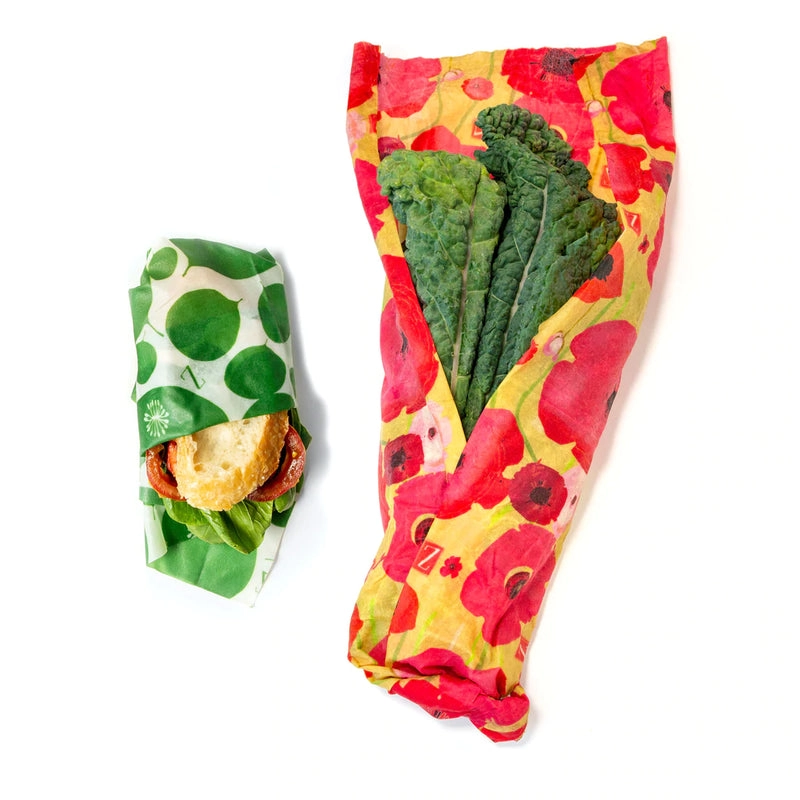
Looking for greener options to replace traditional plastic wrap? There are several eco-friendly choices that work well for everyday use around the home and match the sustainability values many of us care about.
Biodegradable Films
These wraps are made from plant-based materials like corn starch or sugarcane, often using polylactic acid (PLA). They break down naturally over time, unlike regular plastic film, making them a safer bet for the environment without losing the flexibility and clinginess you need.
Compostable Wraps
Made from cellulose, these wraps are perfect for home composting. They’re transparent and flexible like plastic, but after use, you can toss them in your compost bin rather than the trash, helping reduce landfill waste.
Reusable Solutions
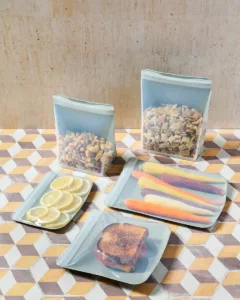
If you want to cut down plastic altogether, reusable wraps are an excellent option. Silicone wraps stretch over bowls and dishes, beeswax wraps cling naturally to food and containers, and woven polypropylene sheets are tough and washable. These can save you money and waste in the long run.
ecoartfullife’s Recommendations
- Choose wraps with clear eco-friendly labels like biodegradable or compostable.
- Start swapping plastic wrap for reusable options in your kitchen first.
- Support brands that prioritize sustainable packaging and materials, like many products offered by ecoartfullife.
- Gradually build a zero-waste routine by combining various sustainable wraps depending on your needs—food storage, freezer use, or covering dishes.
By making small changes and picking the right wraps, it’s easier than you think to reduce plastic wrap waste in daily life without sacrificing convenience.
Practical Tips for Using and Reducing Plastic Wrap
Safe Usage
When using plastic wrap, keep these tips in mind for safety and effectiveness:
- Microwave use: Always leave ventilation holes to prevent steam buildup.
- Avoid contact with fats: Plastic wrap can melt or release chemicals if it touches hot, oily foods. Use a microwave-safe cover instead.
- Freezer storage: Wrap food tightly to prevent freezer burn, but avoid wrapping too thickly to allow some air flow.
Reducing Reliance on Plastic Wrap
Cut down your plastic wrap use by switching to smarter, eco-friendly options:
- Use reusable containers with lids for storage instead of single-use wrap.
- Try beeswax wraps, silicone covers, or compostable wraps for an earth-friendly alternative.
- Support brands committed to sustainable packaging, like ecoartfullife, which offers eco-conscious food storage solutions.
Recycling Tips
Plastic wrap can be tricky to recycle, but you can still do your part:
- Check if your local recycling program accepts soft plastics or film plastics. Some cities have special drop-off points.
- Many grocery stores have bins for recycling plastic bags and wraps—use these for clean, dry plastic wrap.
- Avoid tossing plastic wrap in curbside recycling if unsure, as it can jam sorting machines.
By following these simple steps, you can use plastic wrap responsibly and take part in reducing plastic waste in your home and community.