
















If you’re looking to ditch single-use plastics for good, eco-friendly silicone pouches might just be the game-changer you need. But here’s the thing—not all silicone pouches are created equal. What really makes a silicone pouch truly eco-friendly goes beyond the label and marketing buzz. In this post, you’ll discover the crucial factors that separate sustainable winners from greenwashed gimmicks—think sourcing, durability, and end-of-life impact. If you care about cutting waste without compromising convenience, keep reading. This isn’t just another product pitch; it’s your guide to making informed, planet-positive choices.
Understanding Silicone The Basics and Why It’s Not Just Another Plastic
When it comes to eco-friendly packaging, silicone often gets lumped in with plastics. But silicone is fundamentally different, especially when comparing environmental impact and safety for everyday use. So, what exactly is silicone made from, and how does it stand against plastic?
What Is Silicone Made From
Silicone is a synthetic elastomer composed mainly of silicon, oxygen, carbon, and hydrogen. The core element, silicon, is derived from silica, a natural mineral commonly found in sand and quartz. Unlike traditional plastics made from petroleum-based polymers, silicone’s backbone consists of silicon-oxygen bonds that give it unique properties:
- Heat resistance up to 450°F without degrading
- Flexibility and durability that plastics can’t match
- Non-reactive and food safe qualities, especially when certified food grade
This composition results in a material that’s BPA free and doesn’t leach harmful chemicals, making silicone pouches a superior option for food storage.
Silicone vs Plastic Environmental Impact
Many wonder if silicone truly offers a greener alternative to plastics, especially single-use ones that clog landfills. Comparing silicone with plastic reveals key differences:
| Feature | Silicone | Plastic |
|---|---|---|
| Source | Derived from natural silica with processing | Petroleum-based synthetic polymers |
| Durability | Highly durable, withstands extreme temps | Often brittle or degrades with heat |
| Reusability | Designed for repeated, long-term use | Frequently single-use or limited reuse |
| Chemical Stability | Inert, non-toxic, BPA free | Can release harmful chemicals like BPA |
| End-of-life Options | Recyclable in specialized facilities | Often non-recyclable or downcycled |
| Environmental Persistence | Breaks down very slowly, but durable for decades | Can fragment into microplastics causing pollution |
While silicone isn’t biodegradable in the way some plant-based materials are, its reusability and durability drastically reduce waste, especially when used as a replacement for single-use plastics. Plus, silicone’s heat and cold resistance expand its utility across household and commercial uses, reducing the need for disposable alternatives.
Looking deeper into environmental impact means considering the entire lifecycle — from sourcing and production to end-of-life disposal. Silicone’s advantage lies in its potential to replace thousands of single-use plastic bags without frequent replacement. This means less landfill waste, fewer microplastics, and reduced fossil fuel dependence in the long run.
For those focused on sustainable food packaging alternatives and zero waste kitchen storage, understanding these foundational differences is critical to making informed choices.
To learn more about practical uses and safety of reusable silicone bags, you can explore our detailed guide on eco-friendly silicone food storage bags.
By recognizing that silicone is far more than just another plastic, families and retailers can confidently choose pouches that deliver real environmental benefits without compromising safety or convenience.
Key Criteria for a Truly Eco Friendly Silicone Pouch

Choosing a silicone pouch that’s genuinely eco-friendly means looking beyond just the material itself. Here’s what really matters when assessing the sustainability of reusable silicone bags and sustainable food packaging alternatives for your daily use:
1 Sourcing and Material Purity
The foundation of an eco-friendly silicone pouch starts with ethical silica sourcing. Look for brands that use high-quality, food grade silicone made from pure silica, usually derived from sand, without harmful fillers or additives like BPA or phthalates. The cleaner and purer the material, the safer it is for both your food and the environment.
2 Durability and Reusability Potential
A key advantage of silicone over plastic is its durability. An eco-friendly pouch should be designed to last through hundreds of uses without cracking or losing function. Durable leak proof pouches extend product life and reduce the need for constant replacements, which lowers waste and supports a zero waste kitchen storage lifestyle.
3 Production and Carbon Footprint
While silicone isn’t plastic, it still requires energy to produce. True sustainability means choosing companies that minimize their carbon footprint by using cleaner production methods and renewable energy when possible. Some brands offer transparency about their manufacturing process, which is a big plus.
4 End of Life Recyclability and Disposal
One of the biggest challenges with silicone is its end of life. Unlike plastics, silicone isn’t widely accepted in curbside recycling programs. Instead, look for silicone pouches that are recyclable through specialized programs or can safely break down without releasing toxins. Understanding disposal options upfront helps avoid adding to landfill waste.
5 Certifications and Transparency
Finally, trust comes from certifications and clear product information. Certifications like FDA approval for food safety, BPA free pouch options, or third-party eco labels prove that the pouch meets strict environmental and health standards. Transparency about ingredients, sourcing, and manufacturing practices lets you shop confidently.
By focusing on these five factors—sourcing and purity, durability, carbon footprint, end-of-life options, and trustworthy certifications—you can confidently pick a silicone pouch that’s truly eco-friendly and fits your sustainable lifestyle.
Common Myths About Eco Friendly Silicone Pouches Debunked
When it comes to reusable silicone bags and eco friendly silicone pouches, there’s a lot of misinformation floating around. Let’s clear up some common myths to help you make smarter, greener choices.
Myth 1 All Silicone Is Naturally Biodegradable
Fact: Silicone isn’t biodegradable like some natural materials. It takes a long time to break down in the environment, sometimes hundreds of years. That’s why durability really matters—good quality silicone pouches are designed to last for years, cutting down on single-use plastic waste. So, instead of focusing on biodegradability, look for pouches with high reusability potential to truly reduce your environmental footprint.
Myth 2 Silicone Mining Is Harmless
While silicone itself is made from silica, which comes from sand, the extraction and processing of silica have environmental impacts. Mining silica can disrupt ecosystems and use significant energy. However, ethical sourcing and improved production methods help reduce this footprint. Look for companies that emphasize ethical silica sourcing and transparently share their environmental practices. This ensures you’re choosing more responsible silicone products.
Myth 3 Silicone Is Always Better Than Alternatives
Silicone pouches do offer advantages over traditional plastics, like being BPA free and more durable, but it’s not a one-size-fits-all solution. The full environmental impact depends on factors like production energy use, carbon footprint, and end-of-life recyclability. Sometimes, sustainable food packaging alternatives like compostable bags or glass containers may be better for specific uses.
Choosing the right product means balancing all these factors. For example, durable leak proof pouches that can be recycled properly offer a better sustainability profile than cheap, disposable options. For more insights on food grade silicone safety and eco friendly kitchen choices, check out this guide on are silicone bags safe for food storage.
Understanding these myths helps you pick truly eco-friendly silicone pouches, supporting zero waste kitchen storage and reducing your overall environmental impact.
How Artfullifes Customized Silicone Pouches Deliver True Sustainability
When it comes to eco-friendly silicone pouches, Artfullife stands out by focusing on real, measurable sustainability—especially for supermarkets and everyday users here in the US. Their approach goes beyond just using silicone; it’s about customizing pouches that meet practical needs while minimizing environmental harm.
Tailored for Supermarkets and Everyday Use
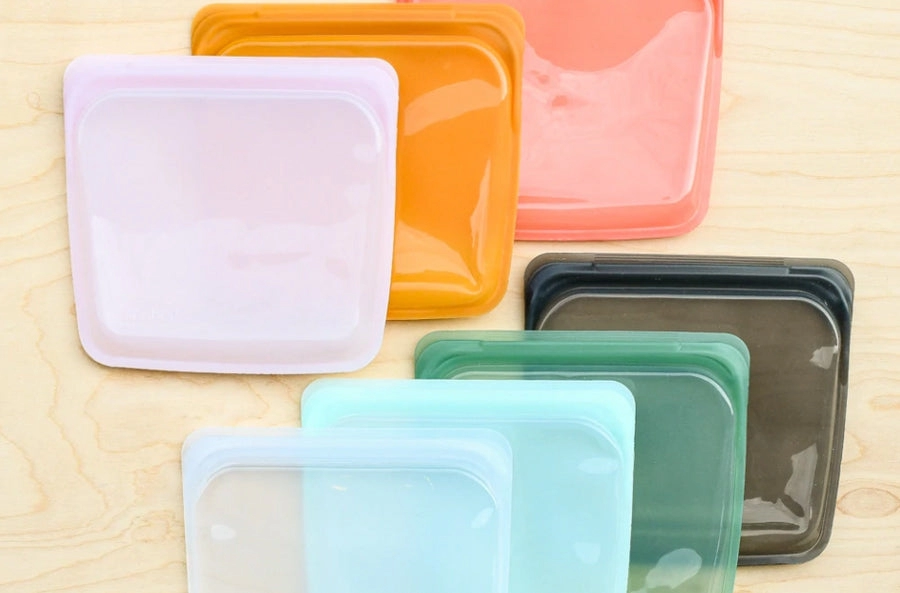
Artfullife designs durable, BPA-free silicone pouches that fit perfectly into supermarket supply chains. These pouches are:
- Reusable and leak-proof, cutting down on single-use plastic bags.
- Made from food grade silicone, ensuring safety and hygiene for all kinds of food storage.
- Sized and shaped based on real shopping habits, so customers get exactly what they need.
- Easy to clean and maintain, supporting zero waste kitchen goals.
By working closely with supermarkets, Artfullife reduces waste before the pouch even reaches consumers. This custom fit means less excess packaging and more efficient use of resources—both big wins for sustainability.
Real Impact Stories
Artfullife’s efforts aren’t just theory. Several supermarkets across the US have reported:
- A significant drop in plastic bag use, thanks to their high-quality reusable silicone pouches.
- Happier customers who appreciate durable, safe, and eco-friendly alternatives for food storage.
- Reduced carbon footprints in their packaging supply chain by switching to recyclable silicone products sourced ethically.
One supermarket chain noted that switching to Artfullife pouches helped them meet new sustainability goals while improving customer satisfaction—a rare balance that proves tailored silicone pouches can make a real difference.
In short, Artfullife combines ethical silica sourcing, smart design, and practical durability to create silicone pouches with genuine environmental benefits. This is what true sustainability looks like for the US market, where shoppers want products that are safe, durable, and actually reduce waste.
Practical Tips for Choosing Using and Maintaining Your Eco Friendly Silicone Pouch
Shopping Guide for Eco Friendly Silicone Pouches
When looking for a truly eco friendly silicone pouch, focus on these essentials:
- Material purity: Choose pouches made from food grade silicone safety-certified materials that are BPA free.
- Durability: Look for durable leak proof pouches that can handle repeated use without wear.
- Size and design: Pick sizes and shapes that fit your storage and lifestyle needs, especially for zero waste kitchen storage.
- Certifications: Check for eco certifications and clear product transparency to ensure ethical silica sourcing and sustainable production.
By choosing wisely, you reduce waste and support sustainable food packaging alternatives that truly minimize your environmental footprint. For options tailored for daily use and supermarkets, explore Artfullifes customized designs here.
Daily Habits for Maximum Impact
Getting the most out of your reusable silicone bags means adopting simple daily habits:
- Clean regularly: Wash pouches with warm water and mild soap soon after use to avoid contamination and extend life.
- Avoid harsh chemicals: Skip abrasive scrubbers or harsh detergents that can degrade silicone over time.
- Use properly: Pair your pouch with fridge storage or lunch packing; avoid exposure to extreme heat beyond recommended limits.
- Rotate use: Have a few pouches on hand to reduce wear and allow full drying between uses.
- Repair small damages: Fix minor tears or cracks early to avoid needing to replace the entire pouch.
These habits contribute to a longer lifespan, reinforcing the pouch’s role as a sustainable food packaging alternative.
Measuring Your Eco Win
Tracking the environmental benefits of your silicone pouch use makes your zero waste commitment clear:
- Count waste avoided: Calculate how many single-use plastic bags you replaced weekly or monthly.
- Monitor wear life: Note how long your pouch lasts compared to disposable options.
- Observe food waste: Silicone pouches can help keep food fresh longer, reducing spoilage.
- Record your carbon footprint: Choose products with lower production footprints and factor in your reuse habits.
Each swap and reuse adds up. For more tips on getting the best from your silicone storage, check out our detailed guide on reusable silicone food storage bags.
By focusing on these points when choosing, using, and maintaining your eco friendly silicone pouch, you ensure it truly delivers on sustainability and durability for everyday life.