













Are PEVA Food Storage Bags Safe? Here’s What You Need to Know
You’re on a mission to make your kitchen safer and more eco-friendly, but with so many options, choosing the right food storage bags can feel overwhelming. Are PEVA food storage bags the non-toxic, sustainable solution you’ve been searching for? Or do they come with hidden risks?
As someone who’s passionate about healthy living and reducing plastic waste, I’ve dug into the science and real-world use of PEVA bags to give you clear, no-nonsense answers. In this guide, you’ll uncover the truth about their safety, how they stack up against silicone and plastic, and why Artfullife PEVA bags might be your kitchen’s new best friend.
Let’s dive in and clear up the confusion!
What Is PEVA Understanding the Material
When you hear about PEVA in food storage, you might wonder what exactly this material is and why it’s becoming popular. PEVA stands for polyethylene vinyl acetate, a non-chlorinated vinyl often used as a safer alternative to PVC (polyvinyl chloride). It’s a soft, flexible plastic made by combining polyethylene and vinyl acetate, giving it a lightweight and durable nature.
Definition and Composition
PEVA is a type of copolymer, meaning it’s made by chemically bonding two different polymers: polyethylene and vinyl acetate. This combination results in a material that’s:
- Non-toxic and free from harmful chemicals like BPA and phthalates
- Flexible yet sturdy enough for repeated use
- Resistant to odors and stains
Because PEVA doesn’t contain chlorine, it avoids some of the environmental and health concerns linked to PVC.
PE Food Wrap vs. PEVA: What’s the Difference?
PE (Polyethylene) food wrap and PEVA (Polyethylene Vinyl Acetate) are distinct materials with differences in composition, properties, and applications. Here’s a detailed comparison:
1. Material Composition
PE (Polyethylene)
A single-component polymer made by polymerizing ethylene monomers, consisting purely of hydrocarbons. It offers high chemical stability and is odorless.
Common PE food wraps primarily use PE, typically low-density polyethylene (LDPE) or high-density polyethylene (HDPE). LDPE, with its good flexibility and high transparency, is more commonly used for food storage purposes.
PEVA (Polyethylene Vinyl Acetate)
A blend of PE and EVA (Ethylene-Vinyl Acetate), incorporating vinyl acetate into the PE structure.
The proportion of vinyl acetate affects PEVA’s properties: a higher ratio creates a softer, more elastic material but may slightly reduce heat resistance.
2. Performance Comparison
| Feature | PE (Common in Food Wraps) | PEVA |
|---|---|---|
| Flexibility | Good, but slightly inferior to PEVA | Softer and more elastic |
| Transparency | High (especially LDPE) | Moderate, may have a slight haze |
| Heat Resistance | Generally -40℃~60℃ (suitable for refrigeration) | Similar range; some variants may withstand slightly higher temperatures |
| Water Resistance | Strong | Strong, but with slightly better breathability than PE |
| Environmental Friendliness | Pure PE is recyclable with low pollution when incinerated | Contains EVA, making recycling slightly more challenging |
| Odor | Essentially odorless | May have a faint odor if EVA content is high |
3. Application Scenarios
- PE food wrap: Primarily used for food preservation (e.g., refrigeration, wrapping ingredients). Due to its high safety (meeting food contact standards) and low cost, it is the first choice for households and supermarkets.
- PEVA: More commonly used in non-food fields, such as making raincoats, shower curtains, moisture-proof bags, and toy films. It can also be used for light packaging (but check if it meets food-grade standards; some PEVA may contain additives unsuitable for food contact).
PE and PEVA are distinct polymers. PE food wrap, based on pure PE, focuses on food preservation, while PEVA, a blended material, is more suited for non-food applications. Their performance and uses differ significantly, so they can not be considered equivalent.
Common Uses in Food Storage
Thanks to these properties, PEVA is widely used in various food storage products, especially reusable food storage bags. These bags are:
- BPA-free and safe for storing snacks, fruits, and leftovers
- Often freezer-safe, making them versatile for different storage needs
- Easy to clean and maintain, supporting eco-friendly kitchen storage habits
PEVA food storage bags are a popular choice for those looking for sustainable food storage solutions that balance safety and convenience. If you want to learn more about reusable food storage bags, check out our reusable food storage bags for detailed options.
Are PEVA Food Storage Bags Safe
When it comes to PEVA food storage safety, many wonder if these bags are a healthy and eco-friendly option. The good news is PEVA bags are generally considered safe for everyday food storage.
Health Safety
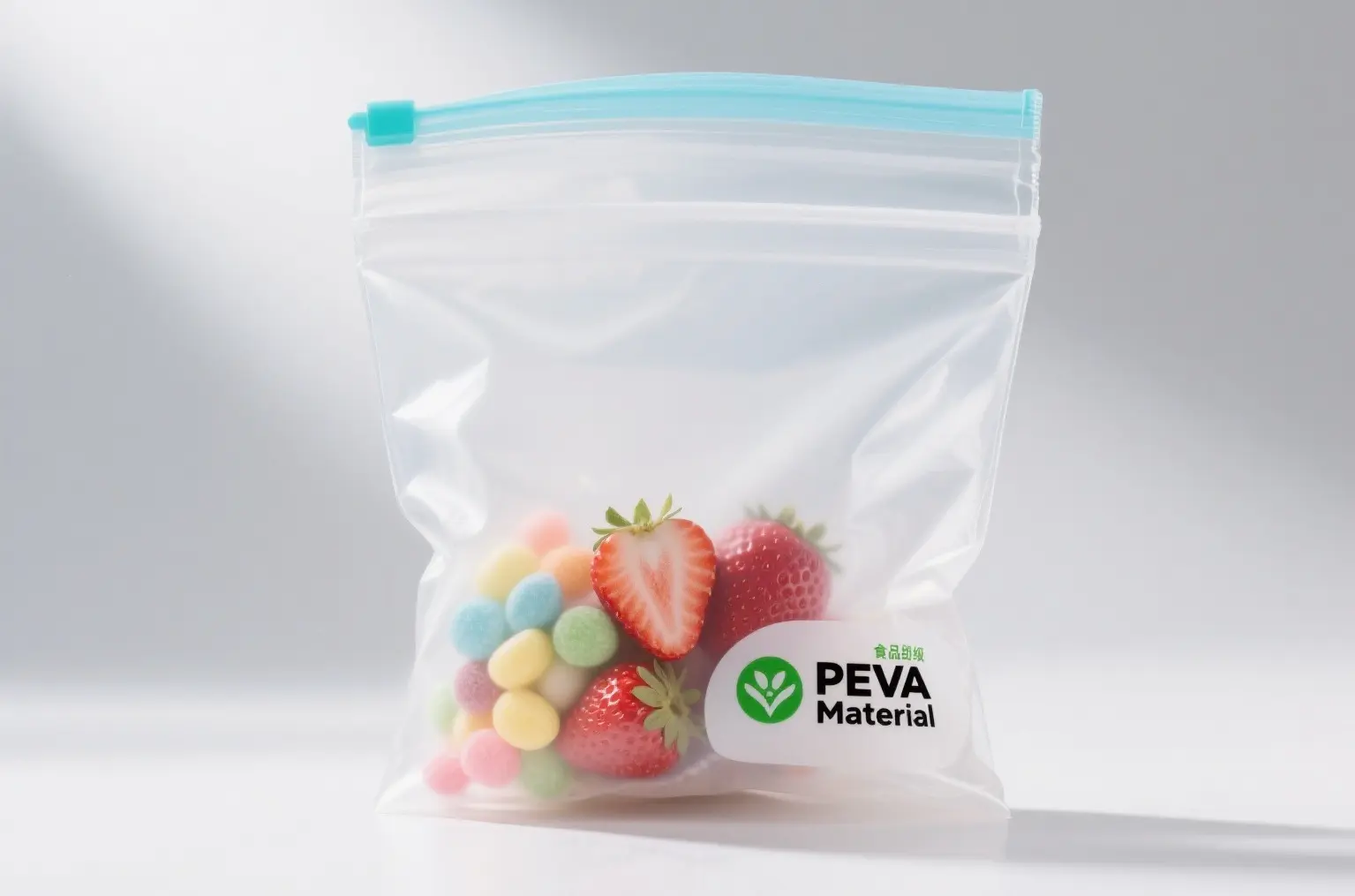
PEVA (polyethylene vinyl acetate) is a non-toxic material that doesn’t contain harmful chemicals like BPA, PVC, or phthalates. Because of this, it’s a popular choice for reusable food storage bags that won’t leach chemicals into your food. PEVA is food-grade, meaning it meets safety standards set by regulatory bodies for direct contact with food. Many PEVA bags are also freezer-safe, making them versatile for storing leftovers or meal prep.
Environmental Safety
From an environmental standpoint, PEVA is a better alternative to traditional plastic bags. It’s chlorine-free and produces fewer toxic byproducts during manufacturing. While PEVA isn’t fully biodegradable, it is more eco-friendly than PVC and can be reused multiple times, reducing single-use plastic waste. That said, it’s important to recycle or dispose of PEVA bags properly to minimize environmental impact.
Certifications and Standards
Look for PEVA food storage bags that come with certifications like FDA approval or LFGB (a German food safety standard). These certifications ensure the material has been tested for food safety and chemical leaching. Choosing bags with these labels gives extra peace of mind that you’re using a safe, reliable product in your kitchen.
PEVA food storage bags are a safe, non-toxic option for storing food, especially when you choose products with proper certifications. They offer a good balance between health safety and environmental friendliness compared to many plastic alternatives.
PEVA vs Silicone vs Plastic Which Is Safer
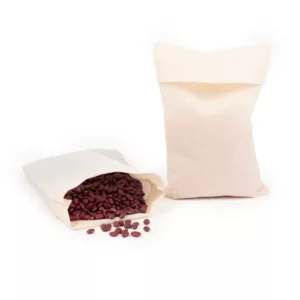
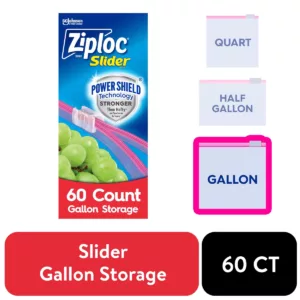
Comparison of the uses of PE food bags

Comparison of the uses of PEVA food bags
Comparison of silicone bags
When choosing reusable food storage bags, safety is a top priority. Here’s a quick look at how PEVA stacks up against silicone and plastic in terms of health and practical use.
Safety Comparison
- PEVA is BPA-free and non-toxic, making it a safer alternative to traditional plastic bags that often contain harmful chemicals like BPA or phthalates. It doesn’t leach chemicals into food, especially when used at room temperature or in the freezer.
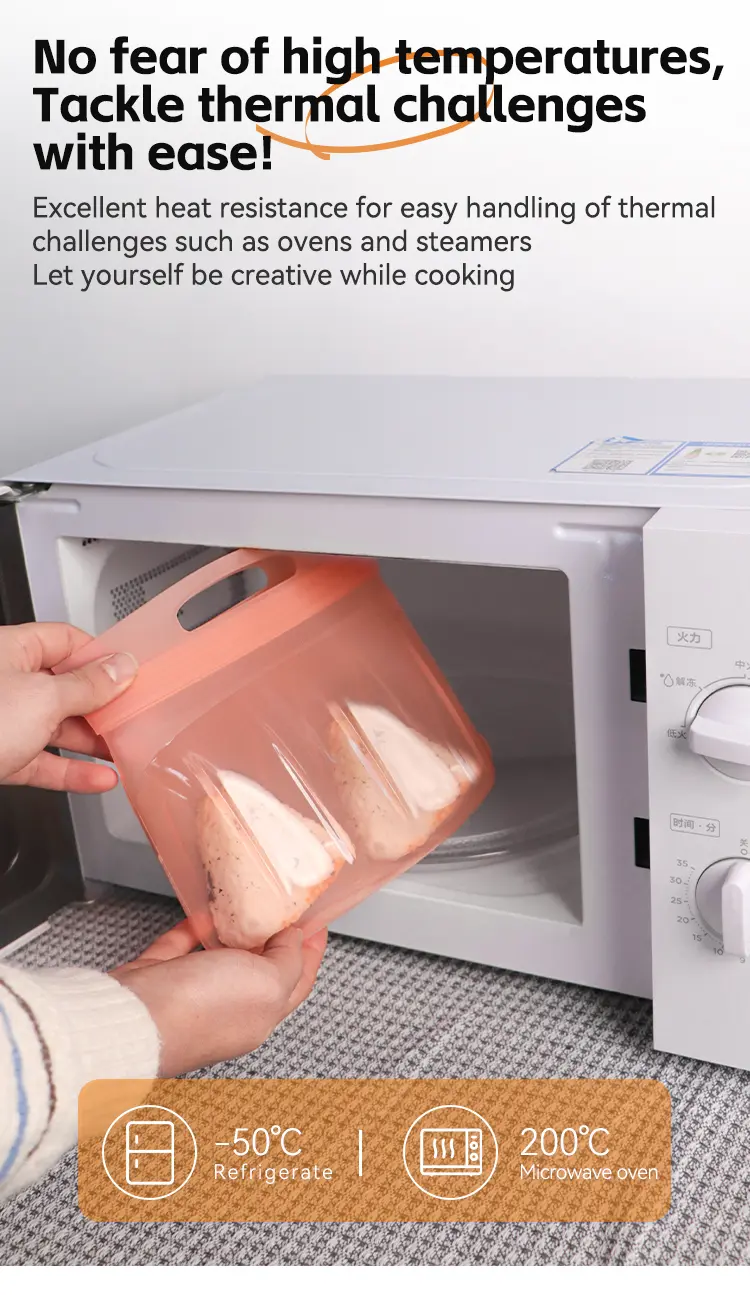
- Silicone is also non-toxic and heat-resistant, so it’s great for hot foods and even cooking. It’s food-grade and doesn’t release harmful substances, making it one of the safest options.
- Plastic bags, especially single-use ones, can contain chemicals that might leach into food, especially when heated. BPA-free plastics are better but still not as eco-friendly or durable as PEVA or silicone.
Practical Considerations
- PEVA bags are lightweight, flexible, and freezer-safe, ideal for snacks, sandwiches, and cold storage. They’re easy to clean and dry quickly.
- Silicone bags are more durable and heat-resistant, perfect for cooking or reheating food in the microwave or oven. They tend to be pricier but last longer.
- Plastic bags are cheap and convenient but less durable and usually single-use, which isn’t great for the environment or long-term food storage.
Best Use Cases
- Use PEVA bags for everyday cold storage, snacks, and eco-friendly kitchen storage where you want a balance of safety and convenience.
- Choose silicone bags if you need heat resistance or want bags that double as cooking tools.
- Reserve plastic bags for quick, one-time use when convenience is key, but try to avoid them for regular food storage to reduce chemical exposure and waste.
In the U.S. market, PEVA food storage bags offer a solid middle ground: safe, eco-friendly, and practical for most households looking to move away from traditional plastics.
Practical Tips for Using PEVA Food Storage Bags Safely
Using PEVA food storage bags the right way helps keep your food fresh and ensures the bags last longer. Here are some simple tips for safe storage, cleaning, and maintenance.
Safe Storage Practices
- Keep bags away from heat: PEVA bags are not designed for microwave or oven use. Avoid exposure to high temperatures to prevent warping or melting.
- Use for cold or room temperature foods: These bags work great for storing snacks, fruits, veggies, and sandwiches in the fridge or pantry.
- Avoid sharp objects: Be careful with knives or forks near the bags to prevent punctures or tears.
- Label your bags: Write dates or contents on the bags to keep track of freshness and avoid food waste.
Cleaning and Maintenance
- Hand wash with mild soap: Use warm water and gentle dish soap to clean PEVA bags. Avoid harsh chemicals or bleach that can damage the material.
- Air dry completely: Let bags dry fully before storing to prevent mold or odors.
- No dishwasher or high heat: Most PEVA bags aren’t dishwasher safe, so stick to hand washing to keep them in good shape.
Maximizing Longevity
- Store bags flat or rolled: Avoid folding them too tightly to prevent creases that weaken the material over time.
- Rotate use: If you have multiple PEVA bags, rotate them regularly to reduce wear on any single bag.
- Inspect regularly: Check for any signs of damage or wear and replace bags if they start to leak or tear.
Following these tips will help you get the most out of your PEVA food storage bags while keeping your food safe and fresh.
Why Choose Artfullife’s PEVA Food Storage Bags
When it comes to PEVA food storage safety, Artfullife stands out for several reasons. First, their bags are made from high-quality, food-grade PEVA material that is BPA-free and non-toxic, ensuring your food stays safe and fresh without any chemical risks. This focus on safety and quality makes them a reliable choice for everyday kitchen use.
Artfullife also shows a strong eco-friendly commitment. Their PEVA bags are reusable and designed to reduce single-use plastic waste, making them an excellent option for those looking for sustainable food storage solutions. Plus, they offer freezer-safe PEVA bags, so you can store your meals without worrying about harmful leaching or damage.
Customer trust is another key factor. Artfullife has built a solid reputation among U.S. shoppers who want safe, durable, and eco-conscious storage options. If you want to explore more about their reusable food storage bags or check out different sizes and styles, you can visit their storage bags for food page to find what fits your kitchen needs best.
Common Concerns and Myths About PEVA
Does PEVA Leach Chemicals
One of the biggest questions about PEVA food storage bags is whether they leach harmful chemicals. The good news is that PEVA is a non-toxic, food-grade material that doesn’t contain BPA or PVC, which are often linked to chemical leaching. When used as intended—storing food at normal temperatures—PEVA bags are generally safe and don’t release harmful substances into your food. Just avoid exposing them to high heat, like microwaving or boiling, to keep them safe.
Is PEVA Truly Biodegradable
PEVA is often marketed as a more eco-friendly alternative to traditional plastics, but it’s not fully biodegradable like some plant-based materials. It breaks down slower than compostable options but faster than PVC plastics. So, while PEVA is better for the environment than many plastics, it’s not a perfect solution if you’re aiming for zero waste. Recycling options for PEVA are limited, so reusing your bags as much as possible is key to reducing environmental impact.
Are PEVA Bags Durable
Durability is another common concern. PEVA bags are flexible and lightweight but not as tough as silicone or heavy-duty plastic bags. They handle everyday use well—like storing snacks, sandwiches, or freezer-safe items—but can tear if overstuffed or handled roughly. Proper care, like gentle cleaning and avoiding sharp objects, helps extend their life. For longer-lasting reusable food storage, combining PEVA bags with sturdier options can be a smart move.
PEVA food storage bags are safe and practical for everyday use, but knowing their limits helps you get the most out of them while staying eco-conscious and healthy.