















Wondering does cling wrap melt in your microwave or oven? You’re not alone—many home cooks worry about the safety of plastic wrap when it’s exposed to heat. As someone who’s navigated the kitchen’s highs and lows, I get it: you want clear answers to keep your food safe and your meals stress-free. In this guide, I’ll break down the melting point of cling wrap, share safe usage tips for Artfullife’s products, and explore eco-friendly alternatives to ease your mind. Let’s dive into the facts and make your kitchen prep safer and smarter!
What Is Cling Wrap and How Does It Work
Cling wrap, also called plastic wrap, Saran wrap, or cling film, is a thin plastic film used to cover food and keep it fresh. It’s designed to stick to surfaces like bowls, plates, and even itself, creating a tight seal that helps lock in moisture and prevent odors from escaping.
Most cling wraps are made from one of two common materials:
- Polyvinyl Chloride (PVC): This plastic sticks well and forms a strong seal but can sometimes contain additives like plasticizers.
- Low-Density Polyethylene (LDPE): A safer alternative, LDPE is less sticky but more environmentally friendly and doesn’t use harmful chemicals.
Artfullife cling wrap is crafted mainly from LDPE, providing a reliable seal to keep your food fresh without the worry of chemicals. Its design balances clinginess with safety, making it a great everyday choice.
Cling wrap has been a kitchen staple since the mid-20th century. It transformed food storage by making it easy to cover leftovers, prevent spills, and extend freshness—all critical in busy modern kitchens where convenience and food quality matter. Today, cling wrap remains essential for short-term food storage, fridge organization, and even microwave reheating when used correctly.
At What Temperature Does Cling Wrap Melt
Cling wrap usually starts melting between 220 and 250°F (104–121°C). This varies depending on the material. For example, PVC cling wrap melts anywhere from 212 to 500°F (100–260°C), while LDPE—the type used in Artfullife cling wrap—melts at a lower temperature but is safer for everyday use.
Artfullife designs its cling wrap specifically to handle low-heat situations like fridge or freezer storage and brief microwave use without melting or releasing harmful chemicals. However, cling wrap can still melt if exposed to direct high heat, especially with fatty or oily foods that hold more heat and for longer cooking times.
So, it’s essential to avoid wrapping hot food or putting cling wrap under direct heat sources like ovens or stovetops to keep it from melting. This helps keep your food safe and your kitchen clean.
Is It Safe to Use Cling Wrap in the Microwave
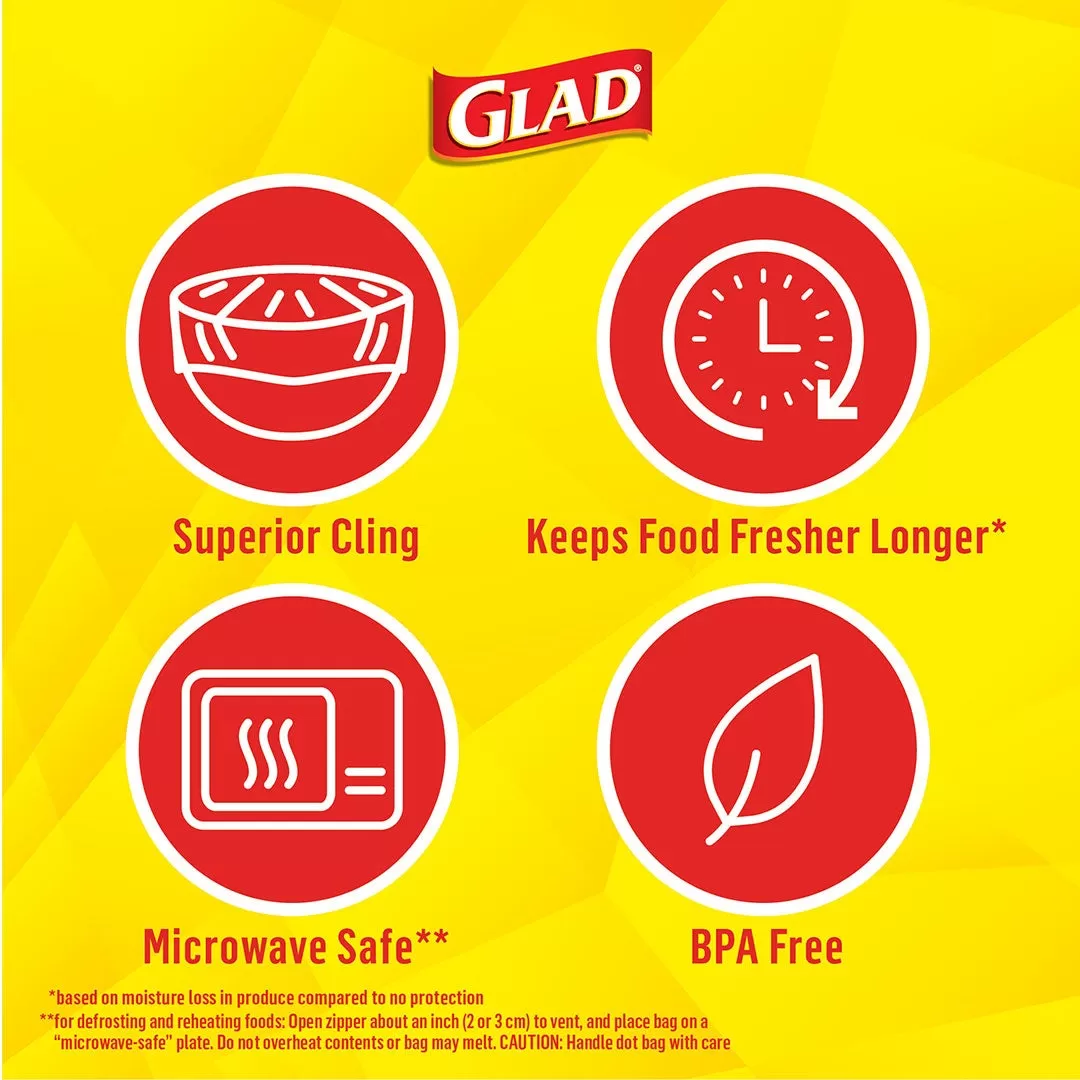
Most cling wraps, including Artfullife’s, are labeled microwave-safe and can be used safely in the microwave when you follow the right guidelines. The key is to avoid letting the wrap touch the food directly, especially fatty or sugary dishes, which can get hotter and cause the plastic to melt or warp.
Here are some best practices to keep in mind:
- Vent the wrap by piercing small holes or leaving the edges loose to let steam escape.
- Use microwave-safe covers or bowls to reduce direct contact between the wrap and food.
- Avoid heating food wrapped tightly in cling wrap for extended periods.
Artfullife’s microwave-safe cling wrap is designed to handle low to moderate microwave heat safely, making it perfect for reheating leftovers or covering food during short heating times.
That said, overheating cling wrap can cause it to melt or release unwanted chemicals like phthalates, which some people worry about for food safety. Sticking to the recommended microwave settings and usage tips helps prevent this risk and keeps your food safe.
For more about materials and safe use, check out how cling film keeps food fresh.
Can You Use Cling Wrap in the Oven
Cling wrap is generally not safe for oven use. It can melt easily when exposed to high heat, which not only ruins the wrap but can also release harmful chemicals into your food. Most standard plastic wraps, including Artfullife cling wrap, are designed for fridge, freezer, and microwave use—not the oven.
There are exceptions, like some professional-grade wraps that can be used with foil at low temperatures around 212°F, usually relying on steam to keep things moist without melting. However, these are specialty products and not what you’d typically find in stores.
Artfullife specifically recommends avoiding putting their cling wrap in the oven to keep you safe and your food fresh. Instead, safer alternatives include aluminum foil, oven bags, or parchment paper for cooking and baking. These options handle oven temperatures without melting or risking chemical leaching.
Health Risks of Melted Cling Wrap
When cling wrap melts, it can release chemicals like plasticizers and dioxins. These substances might leach into your food, especially if the wrap is heated directly or at high temperatures. While the risk is usually low when used properly—like at fridge or freezer temps—it’s still important to be cautious.
Artfullife cling wrap uses safer materials, mainly LDPE, which lowers the chance of harmful chemical leaching compared to traditional PVC wraps. This means Artfullife wrap is a better choice for everyday use, helping you keep your food safe.
If your cling wrap melts onto food or cookware, here’s what to do:
- Don’t eat food that’s in direct contact with melted wrap
- Remove any melted residue carefully, using warm soapy water
- Discard any food that looks or smells off after wrap melting
Following these steps helps you avoid any health risks linked to melted cling wrap.
Eco-Friendly Alternatives to Cling Wrap
Single-use plastics like cling wrap are convenient but they create a lot of waste and harm the environment. That’s why many people in the U.S. are switching to sustainable options that cut down on plastic use.
Here are some popular eco-friendly alternatives:
- Beeswax wraps – These are reusable, breathable, and naturally antimicrobial. Perfect for wrapping sandwiches or covering bowls.
- Silicone lids and covers – Stretchable and Durable, these fit over containers and bowls to keep food fresh without any plastic waste.
- Tupperware and other reusable containers – Long-lasting and great for both storing and reheating food safely.
- Artfullife reusable wraps – Designed to replace single-use cling film, these wraps are easy to clean and reduce your plastic footprint.
Choosing reusable wraps and containers saves money over time, reduces kitchen waste, and supports a greener lifestyle. Artfullife’s eco-conscious products match well with sustainable kitchen practices, helping families in the U.S. make everyday food storage safer for both their health and the planet.
Tips for Using Artfullife Cling Wrap Safely
To get the most out of Artfullife cling wrap and keep your food safe, follow these simple tips:
- Check the label first: Always look for microwave and freezer safety instructions on the packaging before use.
- Cool food before wrapping: Don’t wrap hot food right away. Let it cool to avoid the wrap melting or warping.
- Avoid hot or fatty foods directly: Fatty foods heat up faster and can cause cling wrap to melt, so use extra caution or cover with a paper towel first.
- Use Artfullife cling wrap for cold storage and short microwaving: It’s perfect for wrapping leftovers in the fridge or freezer, and safe for brief microwave reheating when used properly.
- Store in a cool, shaded spot: Heat and sunlight can break down the wrap, so keep your roll in a dry, cool place to maintain its stickiness and strength.
Following these tips will help you use Artfullife cling wrap safely and effectively every day.
Frequently Asked Questions
Can cling wrap be used in a slow cooker
No. Cling wrap is not safe for slow cookers because it can melt at the low, steady heat and release harmful chemicals into your food.
Is melted cling wrap toxic
If cling wrap melts and you don’t eat the affected food, the risk is minimal. Still, it’s best to avoid consuming anything that’s touched melted plastic to stay safe.
How does Artfullife cling wrap compare to other brands
Artfullife cling wrap is made with safer LDPE material, designed for low-temperature use, and provides a tight seal to keep food fresh longer. It’s microwave-safe when used properly and more eco-friendly compared to regular PVC wraps.
What’s the difference between cling wrap and shrink wrap
Cling wrap (plastic wrap) is soft, stretchy, and sticks to surfaces to seal food, while shrink wrap is thicker plastic that shrinks tightly around products when heated, mainly for packaging and shipping—not food storage.