















Understand Your Own Needs First
Before you choose a PE cling film manufacturer in China or anywhere else, you must define exactly what you need. The clearer your specs, the easier it is to filter out unreliable factories and negotiate the right price.
Common Thicknesses and Widths for Retail
For supermarket and retail use, most PE cling film rolls fall into these practical ranges:
-
Thickness (micron / μm)
- 8–10 μm – ultra‑thin, cost‑effective, often used for high‑volume produce wrap
- 10–12 μm – standard retail food wrap for fruit, vegetables, deli use
- 12–15 μm – premium supermarket wrap, better puncture resistance and cling
- 15–25 μm – heavier duty, often for catering, food‑service, and some industrial use
-
Common widths
- 20–30 cm (8–12\”) – home kitchen and small retail rolls
- 30–45 cm (12–18\”) – supermarket counters, food service, deli and butcher use
- Up to 60 cm (24\”) – catering, central kitchens, and industrial food processing lines
You should list the exact widths, thicknesses, roll lengths, and core sizes you use now. This becomes your baseline when talking to a PE cling film factory.
PVC vs PE Cling Film: Why Retail is Moving to PE
Many supermarkets and distributors are actively shifting from PVC cling film to PE cling film for three main reasons:
-
Food-safety perception and regulations
- PE (polyethylene) does not contain plasticizers like phthalates that are often scrutinized in PVC.
- Easier compliance with FDA 21 CFR 177.1520, EU 10/2011, and other food-contact rules when using properly formulated PE.
-
Environmental and recycling benefits
- PE is widely recognized as recyclable in many markets, while PVC is typically not accepted in standard recycling streams.
- Retailers increasingly prefer sustainable PE cling film suppliers to support corporate ESG targets.
-
Odor and taste neutrality
- High-quality PE food wrap is virtually odorless and does not transfer smell to food, which matters for bakery, cheese, and fresh meat.
If your market is sensitive to food safety, eco claims, and regulatory audits (US, EU, UK), moving to PE cling film is usually the safer long-term choice.
Food-Contact vs Industrial-Grade PE Film
Not all PE film is suitable for food. You must clearly distinguish between:
-
Food-contact PE cling film
- Produced from virgin LLDPE / mLLDPE from reputable brands (e.g., ExxonMobil, Dow).
- Supported by food-contact certifications and migration test reports.
- Compliant with standards such as FDA, EU 10/2011, Regulation (EC) 1935/2004, LFGB, REACH, and RoHS.
- Used for supermarkets, restaurants, central kitchens, and home kitchen brands.
-
Industrial-grade PE film
- May use recycled or mixed materials.
- Designed for packaging, pallet wrapping, or non-food protection.
Red Flags When Choosing a PE Cling Film Factory
When you’re picking a PE cling film manufacturer in China or anywhere else, a few warning signs should instantly make you step back.
1. No Real Factory Address or Vague Location
If a so‑called PE cling film manufacturer can’t give you a clear, verifiable factory address, that’s a big problem. Watch out for:
- Only a city name, no street address
- “We have many partner factories” but no details
- Refusal to share Google Maps / Gaode location or basic photos
A serious PE cling film factory will happily share their full address, tax ID, and basic registration info.
2. Extremely Low Pricing With No Logic
If the quote is much lower than other food grade PE wrap suppliers, assume something is off. Common risks:
- Recycled or mixed PE resin instead of virgin LLDPE
- Underweight rolls (less meters, thinner micron than promised)
- No real food-contact testing or compliance (FDA, EU 10/2011, etc.)
Ask them to break down costs (resin, packaging, freight) and show recent resin price trends. If the math doesn’t add up, walk away.
3. No Video Audit or Third-Party Inspection
A reliable PE film exporter is not afraid of being checked. Red flags:
- Refusing live video factory tours
- Rejecting SGS, BV, or Intertek on-site inspections
- Only sending pre-recorded, heavily edited videos
At minimum, you should be able to:
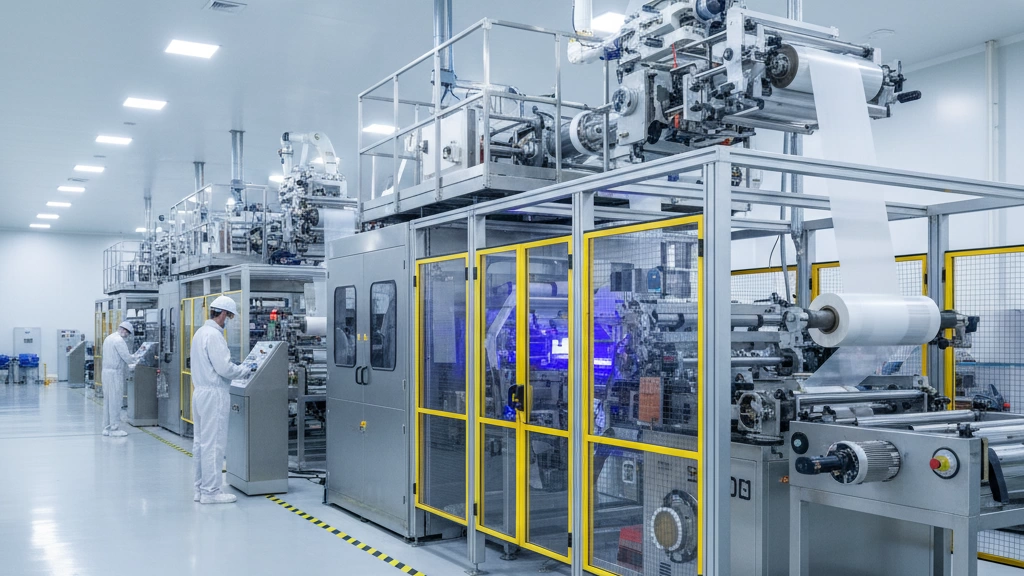
- Do a live video tour of blown film extrusion lines, slitting, and packing
- Hire an independent inspector before shipment
- Review basic internal QC records and PE cling film roll production process steps
If they block transparency, don’t risk your supermarket or distributor brand on their film.
10 Must-Check Criteria for a Reliable PE Cling Film Manufacturer
When you’re choosing a PE cling film manufacturer in China or anywhere else, these 10 checks will tell you very quickly if you’re dealing with a serious, food-grade PE wrap supplier or a risky bet.
1. Factory Ownership & History
Start by confirming who actually owns the cling film factory.
- Established year: Look for manufacturers with at least 8–10 years in PE cling film roll production, not a trading company that just started last year.
- Own plant vs rented: A reliable PE cling film manufacturer should own its plant and key machinery. Ownership usually means long-term investment in quality and compliance.
- Legal info: Ask for the full factory address, business license, and export license. If they hesitate or keep it vague, that’s a serious red flag.
2. Production Capacity & Machinery
You need a factory that can handle your supermarket or distributor volumes without delays.
- Blown film extrusion lines: Ask how many PE blown film lines they run and what type (e.g., multi-layer).
- Capacity: Get real numbers—daily or monthly tonnage, plus maximum width and thickness they can produce.
- Automation level: Check if they have automatic winding, cutting, and packing lines for cling film cutter box OEM orders. More automation = better consistency and fewer delays.
3. Raw Material Sources
Good PE cling film starts with clean, traceable resin.
- Virgin only: Confirm they use 100% virgin LLDPE and, if needed, metallocene PE (mPE) for high-clarity, high-cling films. No recycled content in food-contact products.
- Brand names: Ask which resin brands they use (ExxonMobil, Dow, Sinopec, etc.) and request batch lot traceability.
- Compliance: Raw materials must be suitable for food contact and match your market’s requirements (USA, EU, etc.).
4. Food-Grade Certifications & Test Reports
If the film touches food, you cannot skip this step.
- For supermarkets and food processors, at minimum ask for:
- FDA 21 CFR 177.1520 (for PE in the U.S.)
- EU 10/2011 & Regulation 1935/2004 compliance for the EU
- LFGB (Germany) test reports where relevant
- REACH / RoHS statements for chemical safety
- Clear BPA-free, phthalate-free, and heavy metal test reports
- Request recent lab reports and migration tests, not just old certificates. Many buyers also review general material info similar to what’s shared in guides on food-grade plastic packaging safety.
5. In-House Laboratory & Quality Control
A reliable PE cling film exporter should have its own lab, not rely only on outside labs.
- Lab equipment: Check if they can test thickness, tensile strength, elongation, cling, haze, and sealing performance in-house.
- QC process: Ask to see their SOP—how often do they check film thickness and weight per roll during production? How do they handle non-conforming rolls?
- Traceability: Every batch should be traceable back to resin lot, line, date, and operator.
6. Customization Capabilities
You want a factory that can match your exact retail specs, not force you into generic sizes.
- Size options: Confirm they can customize width, micron (thickness), and roll length for both household and catering rolls.
- Core size: 1\”, 2\”, 3\” cores—make sure they can match your dispensers and supermarket standards.
- Packaging & printing:
- OEM cutter boxes and slide cutter options
- Full-color private label printing
- Shrink film or bulk pack for warehouse clubs and wholesalers
- This flexibility is crucial for supermarket cling film wholesale programs and private label lines.
7. Transparent Pricing & MOQ Policy
A good cling film supplier is clear about costs from day one.
- Resin-based pricing: They should openly explain how virgin PE resin price movements affect your price per kg.
- Clear breakdown: Ask for price per kg, roll, and carton, plus extra charges (printing plates, special packaging, palletizing, etc.).
- Realistic MOQ: Check minimum order quantities by thickness and width—especially for new private label SKUs. A serious manufacturer will suggest practical MOQs, not push you into stock you can’t move.
8. Lead Time Realism & Logistics Support
Fast delivery is pointless if the factory can’t keep promises.
- Standard lead time: For repeat orders, 20–35 days is typical, depending on order size and season.
- Peak season planning: Ask how they handle busy periods (Q3–Q4) and if they offer safety stock or scheduling for big retailers.
- Shipping support: A reliable PE film exporter should help with:
- FOB, CIF, or DDP options
- Booking containers and optimizing carton sizes
- Basic customs documentation for the U.S. and EU
9. Sustainability Practices
More U.S. retailers and food brands now demand sustainable PE cling film solutions.
- Recyclable PE: Confirm the film is mono-material PE and marked with the correct recycling code where possible.
- Resin efficiency: Ask if they offer down-gauged, high-performance films (thinner film, same performance) to cut plastic usage.
- Energy & waste: Some factories will share data on energy use, scrap recycling, and carbon footprint initiatives—this matters for your ESG reporting.
10. Customer References & Export Experience
Finally, make sure they’ve already done what you need them to do.
- Export markets: Look for experience shipping to the USA, Canada, and EU, not just domestic sales.
- Retail & food service clients: Ask (even if anonymized) about current supermarket, restaurant, or distributor clients.
- Proof: Request photos or videos of their branded rolls on shelves (blurring labels if needed), and ask how long those partnerships have lasted.
- Documentation: An experienced PE cling film manufacturer in China will know your documentation needs, from MSDS and test reports to packaging specs and pallet layouts.
Use these 10 criteria as your cling film factory audit checklist, and you’ll quickly separate a truly reliable PE cling film manufacturer from a risky supplier.
Verification Methods That Actually Work in 2026
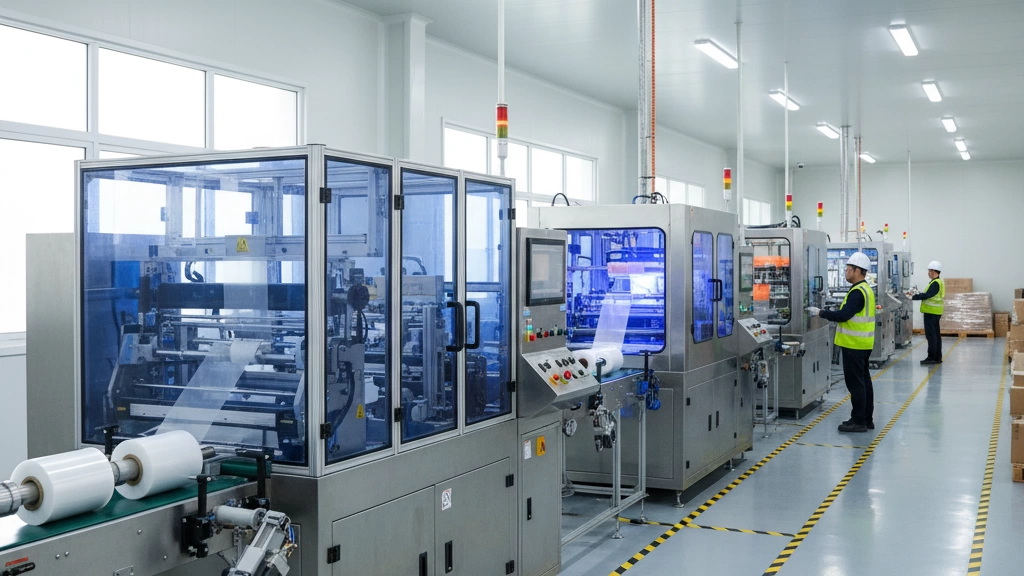
When you’re choosing a PE cling film manufacturer in China for the U.S. market, “trust” needs to be backed by proof. Here’s how I’d verify any PE cling film factory in 2026 before sending a serious PO.
1. Live Video Factory Tour Checklist
Don’t skip the live video tour. It’s the fastest way to expose fake “factories” and trading companies pretending to be producers.
During a live call (Zoom, Teams, WhatsApp), ask them to walk and show, in real time:
-
Factory gate & signboard
- Clear factory name in Chinese and English
- Street address that matches their business license
-
Blown film extrusion lines
- Multiple blown film lines actually running
- Operators feeding virgin PE resin (not recycled flakes)
- On-screen thickness control systems, if they claim high-end quality
-
Rewinding & slitting area
- Rewinding machines making PE cling film rolls
- Different widths and core sizes for supermarket and foodservice rolls
-
Packing & cutter box line
- Automatic or semi-auto lines packing rolls into cutter boxes or slide-cutter boxes
- Private label packaging for existing customers (with brands hidden if needed)
-
Warehouse & finished goods
- Export-style palletizing and outer cartons marked with English specs
- Temperature and cleanliness suitable for food-grade PE wrap
Always record the tour (with permission) so your team can review it later and compare with their documents and photos.
2. Use Trusted Third-Party Inspection Companies
For a serious supermarket or distributor program, I never rely only on what the factory says. Use independent inspectors who know PE film:
- Global players you can trust
- SGS
- Bureau Veritas (BV)
- Intertek
What they can do for you:
-
Factory audit (pre-contract):
- Verify real production capacity, blown film lines, and staff
- Check food safety systems, hygiene, pest control, traceability
- Confirm existence and validity of FDA / EU food-contact test reports
-
Pre-shipment inspection (before loading):
- Check thickness (micron), width, length, and core size
- Test basic cling, clarity, and tensile strength on the spot
- Confirm packaging, barcode, and labeling meet U.S. retail standards
For buyers also sourcing other food packaging like vacuum food storage bags, using the same inspection partner keeps your quality system consistent.
3. Business License + Export License Check
Any reliable PE cling film exporter should share legal documents without drama. Ask for:
-
Business license (Chinese 营业执照)
- Company name (must match PI and bank account)
- Established year (avoid “factories” magically founded last month)
- Registered address (compare with video tour and Google Maps)
- Business scope including plastic film / packaging manufacturing
-
Export license / trading rights
- Either the factory has its own export license, or works through a stable trading arm
- Name on export docs and name on contract should be traceable and consistent
Then:
- Cross-check company name and license number on Chinese government sites (ask them for the official link if you’re not familiar with the portals).
- Make sure the bank account beneficiary name matches the licensed company (or an officially authorized trading company).
4. How to Read a Factory Audit Report (Without Being an Expert)
If you get an audit report from SGS, BV, or Intertek, don’t just look at the cover. Focus on these sections:
-
Basic company profile
- Established year, ownership type, employee count
- Number and model of blown film extrusion lines and converting machines
-
Production & capacity
- Monthly or annual capacity (tons/month) for PE cling film
- Actual number of shifts and utilization rate
-
Quality & food safety systems
- Presence of ISO 9001, ISO 22000, BRC, or HACCP
- Incoming raw material checks (lot traceability for LLDPE / metallocene PE)
- In-house lab tests (thickness, tensile, elongation, migration tests where applicable)
-
Compliance & certifications
- Verification of FDA 21 CFR 177.1520, EU 10/2011, Regulation (EC) 1935/2004, LFGB, REACH, RoHS
- Check if the certificates are valid, current, and match the actual company name
-
Audit grading & major findings
- Look for critical or major non-conformities: contamination risks, poor hygiene, fake documents, unsafe storage
- Check if there’s a corrective action plan and whether the factory has followed up
If something in the report doesn’t line up with what you saw on the live video tour or what’s written in their offer, treat that as a major red flag and slow down before committing your brand to their PE cling film.
Artfullife® – Reliable PE Cling Film Factory for Supermarkets & Retail
If you’re looking for a long-term PE cling film manufacturer in China that actually understands supermarkets and retail in the U.S. and Europe, that’s exactly the lane we’re in.
Quick Company Snapshot
- Brand: Artfullife®
- Founded: 2008
- Factory Ownership: 100% our own plant (not
Price Guide for PE Cling Film (8–15 Micron Retail Grade)
How Virgin PE Resin Affects Your Cost
PE cling film pricing lives or dies on virgin PE resin cost. Resin is usually 60–75% of your total film cost, so when resin moves, your quote moves.
Key points:
- Quoted in USD/ton or USD/kg based on LLDPE / mLLDPE from brands like ExxonMobil, Dow, etc.
- When resin goes up $100/ton, your film price can rise $0.08–0.15/kg, depending on thickness and formula.
- Serious PE cling film manufacturers will:
- Show resin index references (like ICIS, CCF or supplier letters)
- Use price-adjustment clauses on long-term contracts instead of random price jumps
If a supplier’s price stays “too stable” while resin is volatile, they’re probably:
- Cutting resin quality (recycled mix, off-grade material), or
- Planning to renegotiate after you’re locked in.
Typical Price Range per kg (8–15 Micron Retail Grade)
These are reference export prices (FOB China) for standard supermarket / retail rolls, using virgin food-grade PE:
| Thickness (micron) | Typical Use | Approx. Price Range* (USD/kg) |
|---|---|---|
| 8–9 micron | High-yield, light retail rolls | $2.00 – $2.50 |
| 10–12 micron | Standard supermarket / grocery grade | $2.10 – $2.70 |
| 13–15 micron | Heavier rolls, better puncture resistance | $2.20 – $2.90 |
*Ranges change with resin price, specs, packaging, and order volume. Custom printing, cutter boxes, and private label packaging will add $0.10–0.30/kg depending on design and packaging complexity.
Why the Cheapest PE Cling Film Often Becomes the Most Expensive
In PE cling film sourcing, “cheapest” usually means hidden cost. Here’s where buyers in the U.S. get burned:
-
Hidden downgraded material
- Recycled PE mixed into “food-grade” film
- Off-smell, yellowish film, poor clarity, low cling
- Risk of failing FDA 21 CFR 177.1520 or EU 10/2011 tests
-
Roll length and micron cheating
- 300 ft advertised, but only 260–270 ft actual
- 12 micron ordered, but 9–10 micron delivered
- You “save” $0.10/kg on paper but lose 10–20% yield in real use
-
Higher operational and claim costs
- Tears during wrapping, more waste per roll
- More complaints from supermarket stores and end users
- Cost of relabeling, rework, or re-shipment if there’s a compliance issue
-
Regulatory and brand risk
- Non-compliant film in contact with food can trigger:
- Product withdrawals or recalls
- Problems with big-box retailers and auditors
- The brand damage is worth far more than the $0.20/kg you saved.
- Non-compliant film in contact with food can trigger:
A reliable PE cling film manufacturer in China will be priced in the middle, not the bottom of the market. If one quote is 15–25% lower than other FDA-approved cling film factories, assume:
- Lower resin quality,
- Fake or outdated test reports,
- Or intentional under-spec film.
If you’re also buying food bags or related packaging, it’s worth reading this breakdown of typical MOQs and pricing logic for ODM food storage bags so you can align your overall sourcing strategy: typical MOQ for ODM food storage bags explained.
FAQ – PE Cling Film Factory Questions Importers Actually Ask

Below are the questions I get most often from supermarket buyers, distributors, and food brands looking for a reliable PE cling film manufacturer in China.
1. What’s the difference between cling film and stretch film?
They’re not the same product, and mixing them up can cause problems in use and compliance.
-
Cling film (food wrap / PE food wrap)
- Used for direct food contact: meat trays, produce, deli, leftovers.
- Usually 8–15 micron for retail, soft and clear, designed to cling to smooth surfaces and food.
- Must meet food-contact regulations (FDA 21 CFR 177.1520, EU 10/2011, etc.).
-
Stretch film (pallet wrap)
- Used for pallets and shipping, not for direct food wrapping.
- Much thicker (15–30+ micron), higher stretch and puncture resistance.
- Typically industrial grade, different resins and additives.
If you’re a supermarket, restaurant chain, or food packer, you need food grade PE cling film, not standard stretch film.
2. Can you produce cutter box + slide cutter packaging?
Yes. As a private label PE cling film manufacturer, we produce:
- Standard cutter box with metal serrated blade.
- Slide-cutter box (safer and more premium, popular in the U.S. retail market).
- Custom box sizes: 200–300 mm width, 30–300 m length (or customized).
- Full-color printing: up to 8–10 colors, matte or glossy finish.
- Multi-language artwork for the U.S., EU, and other markets.
You can send us your existing box layout, or we can support you with a ready-to-use OEM template.
3. What is your minimum order quantity (MOQ) for new customers?
We keep MOQs practical so new buyers can test the market:
- For standard specs (common widths, microns, and box sizes):
- Typically 1 x 20FT container mixed sizes, around 8–12 tons total.
- For fully customized private label (box artwork + spec):
- Usually 1,000–3,000 cartons per item, depending on roll length and packaging.
If you’re testing a new brand or entering a new chain, we can discuss a trial order with a slightly lower MOQ to help you get started.
4. How long does shipping to Europe / USA usually take?
Transit times are fairly stable, but always plan some buffer:
- Production lead time (after artwork & deposit): usually 20–30 days.
- Sea freight to West Coast USA: around 15–20 days after vessel departure.
- Sea freight to East Coast USA: about 25–35 days.
- Sea freight to main EU ports (e.g., Rotterdam, Hamburg): about 30–40 days.
Door-to-door time depends on your local customs and trucking. In practice, most clients see 40–60 days total from order confirmation to arrival at their warehouse.
5. Do you offer private label service for supermarkets and distributors?
Yes, private label is one of our core services as a PE cling film manufacturer for supermarkets and retail:
- We print your brand logo, design, and marketing claims.
- We follow your barcode, nutritional / usage instructions, and regulatory text.
- We match target retail price points with the right micron, length, and box style.
- We can align packaging with your food spoilage reduction positioning, similar to the benefits discussed in our article on food packaging to prevent spoilage.
You keep full brand control; we handle the manufacturing and quality side.
6. Is your PE cling film FDA and EU compliant?
We focus on food grade PE wrap that meets strict international standards. On request, we provide:
- FDA 21 CFR 177.1520 compliance statement for PE materials.
- EU 10/2011 & Regulation 1935/2004 test reports from accredited labs.
- LFGB, REACH, RoHS where required.
- BPA-free, plasticizer-free declarations (PE cling film does not use phthalate plasticizers like PVC).
We can issue batch test reports for large supermarket programs or national distributors.
7. Can you customize width, thickness, and core size?
Yes. As a blown film extrusion PE wrap factory, we customize:
- Width: typically 200–450 mm for retail and foodservice.
- Thickness (micron): common range 8–15 micron for supermarket/household, thicker for foodservice.
- Core size:
- 1.5–3 inch paper cores for retail rolls.
- Custom core length to match dispenser boxes or foodservice cutters.
Custom specs let you hit your targeted roll weight, shelf price, and margin.
8. What industries use your PE cling film?
Beyond supermarkets and grocery, we supply:
- Food processors & packers (meat, seafood, produce, bakery).
- Central kitchens & catering companies.
- Restaurant chains, cafés, and hotels.
- Cash & carry / wholesale clubs for large foodservice rolls.
- Household brands selling private label cling film in retail and e-commerce.
If you’re in food, there’s a good chance your operation can standardize on PE cling film for safety and consistency.
9. What information do you need to quote PE cling film pricing?
To give you a sharp and realistic price, we usually ask for:
- Film width (e.g., 30 cm / 12\”).
- Roll length or weight (e.g., 100 m / 300 ft / 300 g).
- Thickness (micron) or target quality level.
- Packaging type: cutter box / slide cutter / bulk foodservice.
- Order quantity and port of destination.
- Certification needs: FDA, EU, LFGB, etc.
With this, we can quote per roll and per kg, and show you how resin price and spec choices impact your cost.
10. Do you offer samples before placing a bulk order?
Yes, we do:
- Free standard samples (existing specs) – you only cover courier cost.
- Custom samples with your artwork – small plate/setup fee may apply.
- We can send multiple micron/length options so your team can test clarity, cling, and cutting performance.
Most U.S. and EU buyers approve samples within 1–2 weeks, then move to a trial container.
11. How do you control quality for PE cling film rolls?
We run a strict QC process from resin to final packing:
- Virgin LLDPE / metallocene only, from reputable brands.
- On-line thickness and weight checks during production.
- Clarity, cling, and tensile tests in our in-house lab.
- Random carton drop tests to ensure packaging holds up in transport.
If you require it, a third-party inspection (SGS, BV, Intertek) can check your goods before shipment.
12. Can you help with sustainable PE cling film options?
We know U.S. and EU retailers are pushing for more sustainable packaging:
- We use 100% recyclable PE (no PVC, no harmful plasticizers).
- We can optimize micron and roll design to reduce plastic usage per use.
- Packaging can highlight recyclability and reduced environmental impact to support your ESG or corporate sustainability goals.
If you have retailer-specific sustainability guidelines, send them over and we’ll match our spec and claims accordingly.
Final Checklist – One-Page PE Cling Film Factory Checklist
Use this as a quick, printable checklist before you lock in any PE cling film manufacturer in China or elsewhere.
1. Factory Ownership & Background
- □ Full, verifiable factory address (not just a showroom or trading office)
- □ Business license copy with established year and legal representative
- □ Own plant (not temporary rented workshop) and clear ownership structure
- □ At least 5+ years in PE cling film / blown film extrusion
2. Production Capacity & Machinery
- □ Number of blown film lines and slitting/rewinding machines disclosed
- □ Clear daily / monthly tonnage for PE cling film rolls
- □ Photos/video of production lines and packing area
- □ Ability to handle your peak season volume without delays
3. Raw Materials & Food Safety
- □ Written confirmation of 100% virgin LLDPE / mLLDPE (no recycled in food wrap)
- □ Main resin brands listed (e.g., ExxonMobil, Dow, Sinopec)
- □ Technical data sheets (TDS) for core resins used
- □ No phthalates, BPA, or heavy metals in formulations
4. Food-Grade Certifications & Test Reports
- □ Test reports showing compliance with:
- FDA 21 CFR 177.1520 (food contact PE)
- EU 10/2011 & (EC) 1935/2004
- LFGB migration tests (for EU/Germany buyers)
- □ REACH, RoHS declarations for EU markets
- □ Valid dates, matching factory name and product name
5. In-House Lab & Quality Control
- □ In-house lab with basic test equipment (thickness, tensile, cling, migration)
- □ Written QC procedure from resin incoming to final packing
- □ Retention samples and batch traceability system
- □ Defect rate and complaint handling process shared in writing
6. Customization & Packaging Options
- □ Custom width, thickness (8–25 micron), and roll length available
- □ Core size options (1\”, 2\”, 3\”) and core material (paper / plastic)
- □ OEM/private label packaging: color box, cutter box, slide cutter options
- □ Design support for artwork and barcode printing on boxes
- □ Ability to match your supermarket shelf style and POS display needs
(If you’re also looking at reusable food containers, compare how cling film fits with options like stainless steel lunch box sets with cutlery in your assortment.)
7. Pricing Structure & MOQ
- □ Transparent price breakdown: film spec, packing, FOB/EXW terms
- □ MOQ clearly stated (per size / per design)
- □ Clear policy on price changes when resin price moves
- □ No “too good to be true” prices without a logical explanation
8. Lead Time & Logistics Support
- □ Standard lead time for first order and repeat orders (in days)
- □ Peak season lead time disclosed honestly
- □ Support with shipping to USA/EU (FOB, CIF, DDP if needed)
- □ Export packing standard suitable for ocean freight (no crushed cores)
9. Sustainability Practices
- □ PE cling film is recyclable in standard PE recycling streams
- □ Options for downgauging (thinner film) without losing performance
- □ Any carbon footprint or energy-saving measures in production
- □ Willingness to support retailer sustainability claims with data
10. Customer References & Verification
- □ References from supermarkets, wholesalers, or distributors in the US/EU
- □ Live video tour of the factory (production + warehouse + office)
- □ Third-party audit / inspection reports (SGS, BV, Intertek) available
- □ Company name on test reports, certificates, and export docs all match
Print this checklist, keep it next to your laptop, and don’t skip any box. If a PE cling film supplier can’t confidently tick at least 90% of these items, they’re not a reliable long-term partner for supermarket or retail PE food wrap.