

















Looking to make your kitchen more eco-friendly? Understanding recyclable aluminum foil for households is the first step toward reducing waste and boosting your home’s sustainability. You’ve probably wondered—can aluminum foil really be recycled? And if so, how do you do it correctly without contaminating the recycling process? This guide will walk you through everything you need to know about recycling aluminum foil at home, why it matters for the environment, and smart alternatives that keep your kitchen green without sacrificing convenience.
Ready to turn your everyday kitchen habits into powerful sustainability actions? Let’s dive into how Ecoartfullife’s recyclable aluminum foil products and eco-friendly solutions fit perfectly into your zero-waste lifestyle.
What is Recyclable Aluminum Foil Household Aluminum Foil Recycling Tips
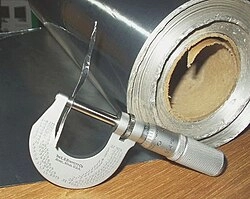
Aluminum foil is a thin sheet made from pure aluminum metal, typically less than 0.2 millimeters thick. It’s widely used in kitchens for cooking, wrapping food, and storage because of its flexibility, heat resistance, and ability to protect food from light and bacteria.
Regular Aluminum Foil vs Recyclable Aluminum Foil
Most regular aluminum foil products are made from the same base metal but often differ in recyclability due to surface treatments or contamination from usage. Some foils have non-aluminum coatings, added plastics, or adhesives that make them hard or impossible to recycle in household programs.
Recyclable aluminum foil, on the other hand, is specifically designed to be free of these additives. It is 100% aluminum without plastic liners or chemical coatings, which means once cleaned, it can be recycled just like aluminum cans.
How Recyclability is Certified and Labeled
To help consumers identify truly recyclable aluminum foil, reputable brands use:
- Clear recycling labels indicating the foil is accepted by curbside or municipal recycling programs.
- Certifications from organizations like the Aluminum Association’s Recycle Aluminum, confirming the product meets recycling standards.
- Some brands, including Ecoartfullife, provide detailed recycling instructions on packaging, reducing confusion and contamination.
When shopping, look for phrases like “100% recyclable aluminum foil” or certifications to ensure the product fits with your home recycling routine.
By understanding what makes aluminum foil recyclable and recognizing proper labels, households can significantly reduce waste and support sustainable kitchen habits.
Can You Recycle Aluminum Foil at Home

Recycling aluminum foil at home is possible, but it comes with some common barriers that many households face. The biggest issue is usually contamination, like leftover food, grease, or sauce stuck on the foil. Most recycling programs will reject foil that isn’t clean because food residue can spoil the recycling process or damage machinery.
Common Barriers to Recycling Aluminum Foil
- Food contamination: Grease, cheese, or other food bits make foil non-recyclable.
- Small pieces: Tiny scraps can fall through sorting machines and end up in landfill.
- Local recycling rules: Some cities don’t accept foil at all due to processing limitations.
Making sure foil is clean and prepared properly helps overcome these barriers and increases the chances it gets recycled instead of trashed.
How to Clean and Prepare Aluminum Foil for Recycling
Follow these simple steps at home to get your foil ready:
- Remove Excess Food – Scrape or wipe off any large food chunks or grease.
- Rinse Quickly – Give the foil a quick rinse under water to remove stuck-on residue.
- Dry Completely – Let the foil dry or wipe it dry to prevent moisture issues in recycling bins.
- Ball It Up – Crumple foil into a tight ball about the size of a tennis ball. This helps recycling centers spot and handle it better.
- Combine Small Pieces – If you have small scraps, combine them into one ball rather than recycling tiny bits separately.
By following these steps, you keep your aluminum foil clean and in a proper form for most recycling programs.
Local Recycling Guidelines and Variations
Recycling aluminum foil can be different depending on where you live. Here’s a quick look at guidelines in common regions:
-
United States and Canada
Most curbside recycling accepts clean, balled foil. However, check with your local recycling program because rules vary by city. Contaminated foil will likely be rejected, so proper cleaning is key.
-
Europe
Many European countries have advanced sorting facilities. Clean aluminum foil is widely accepted, but moisture and food contamination can still cause issues. Some countries ask residents to take foil to special recycling points.
-
Other regions
Availability of foil recycling depends heavily on local infrastructure. When in doubt, consult your local waste management authority.
Key Recycling Tips for Households
- Always clean and dry the foil before recycling.
- Ball up the foil tightly to avoid loose scraps.
- If your local program doesn’t accept foil curbside, look for special drop-off locations.
- Educate your household on why foil needs to be clean to be recyclable.
Following this guidance helps keep aluminum foil out of landfills and supports your household’s sustainable kitchen efforts.
Environmental Benefits of Recycling Aluminum Foil
Recycling aluminum foil at home and in households plays a crucial role in reducing environmental impact. Here’s why it matters:
Significant Energy Savings
One of the biggest benefits of recycling aluminum foil is the massive energy savings compared to producing new (virgin) aluminum. Recycling aluminum uses up to 95% less energy than extracting and processing raw bauxite ore. That means:
- Less fuel consumption in mining and refining
- Reduced greenhouse gas emissions tied to energy use
- Lower overall carbon footprint for aluminum products
This energy efficiency makes aluminum foil recycling a key part of cutting energy waste in your kitchen.
Reduced Landfill Waste and Pollution
Aluminum foil that isn’t recycled often ends up in landfills, where it can take hundreds of years to break down. This contributes to:
- More landfill space being used unnecessarily
- Environmental pollution from metal residues
- Increased methane emissions from nearby organic waste decomposition
By properly recycling foil, households can cut down on waste volume and pollution at the source, which supports a cleaner community.
Carbon Footprint Comparison
When you recycle aluminum foil, the carbon emissions associated with producing new foil drop drastically. To put it simply:
- Producing 1 pound of virgin aluminum can emit over 12 pounds of CO2
- Recycling that same pound emits just around 1 pound of CO2
This stark difference helps reduce your household’s overall environmental footprint—especially when combined with other sustainable kitchen practices.
Recycling aluminum foil smartly at home is a straightforward way to conserve energy, reduce landfill waste, and lower carbon emissions. For guidance on how to clean and prepare foil for recycling according to local guidelines, check out our detailed tips on how to recycle aluminum foil at home.
How to Identify Ecoartfullife’s Recyclable Aluminum Foil Products
Knowing which aluminum foil is truly recyclable can be tricky. That’s why Ecoartfullife’s recyclable aluminum foil products stand out with clear features and trusted certifications that help you make sustainable choices at home.
Unique Features of Ecoartfullife’s Recyclable Aluminum Foil
- Certified Recyclability: Ecoartfullife’s products come with industry-recognized recycling certifications. These labels confirm the foil meets high standards for recyclability, making it easier to recycle clean foil correctly.
- Easy-to-Recognize Packaging: The packaging clearly states that the foil is recyclable and provides simple instructions on how to prepare it for recycling. This transparency helps households reduce contamination and waste.
- High-Quality Aluminum Composition: The foil is made from pure aluminum without mixed materials or coatings that often block recycling. This clean composition means the foil can be processed repeatedly without losing quality.
- Food-Safe and Eco-Friendly Coatings: Some Ecoartfullife foils feature coatings that prevent food sticking but don’t interfere with recycling. These materials break down easily during recycling and don’t add plastic or other contaminants.
- Sustainably Sourced: Beyond recyclability, Ecoartfullife focuses on sourcing materials responsibly, minimizing environmental impact, and encouraging a circular economy in household kitchen products.
How Ecoartfullife Products Fit Your Sustainable Household Lifestyle
Using Ecoartfullife’s recyclable aluminum foil supports daily eco-friendly habits by aligning sustainability with convenience:
- Simple Recycling at Home: The foil’s clean design and clear recycling instructions make it easy to include in your curbside recycling program following local guidelines.
- Reduced Kitchen Waste: Because these products are designed for reuse or proper recycling, you cut down on landfill waste compared to regular foil or non-recyclable alternatives.
- Supports Zero Waste Goals: Ecoartfullife encourages mindful consumption and waste reduction, fitting perfectly into households aiming for a greener kitchen.
- Complement to Other Sustainable Kitchen Products: Whether you pair the foil with reusable food wraps, beeswax wraps, or compostable alternatives, Ecoartfullife’s foil adds another layer of eco-conscious choice for everyday cooking and storage.
By choosing Ecoartfullife’s recyclable aluminum foil, you’re not only getting a high-quality product but also actively contributing to a more sustainable and waste-free home kitchen.
Alternative Eco-Friendly Kitchen Solutions Beyond Aluminum Foil
If you’re looking to reduce aluminum waste and explore eco-friendly aluminum foil alternatives, there are several options worth considering. These alternatives can complement or replace recyclable aluminum foil in a sustainable kitchen.
Compostable Wraps
Compostable wraps are made from plant-based materials like cellulose or bioplastics. They break down naturally in home or industrial compost systems.
Pros:
- Fully biodegradable and reduce landfill waste.
- Great for wrapping fruits, vegetables, and sandwiches.
- Usually free from plastic chemicals.
Cons:
- Not ideal for high-heat cooking or grilling.
- Can be less durable and tear easily.
- Requires proper composting to avoid landfill.
Reusable Silicone Sheets
Silicone baking mats and food covers are versatile alternatives for cooking and storage.
Pros:
- Durable and heat-resistant up to high temperatures.
- Easy to clean and reusable for years.
- Reduces single-use waste dramatically.
Cons:
- Higher upfront cost than aluminum foil.
- Not compostable or biodegradable.
- Requires regular cleaning to avoid cross-contamination.
Beeswax Wraps
Beeswax wraps combine cotton with wax, resin, and oils, creating a moldable, reusable wrap.
Pros:
- Natural and biodegradable.
- Breathable, keeping food fresh longer.
- Soft and flexible for wrap and seal tasks.
Cons:
- Not suitable for raw meat or very hot items.
- Needs hand-washing and occasional re-waxing.
- Can be less convenient for some users.
Integrating Eco-Friendly Alternatives Into Everyday Use
To get the most from these alternatives alongside recyclable aluminum foil, try these tips:
- Use compostable wraps for fresh produce or snacks when you don’t need heat-safe options.
- Swap silicone sheets for baking tasks, roasting veggies, or covering leftovers.
- Choose beeswax wraps for sandwich bags or cheese storage — they’re flexible and breathable.
- Keep some recyclable aluminum foil on hand when you need reliable, disposable heat resistance.
- Combine these products to reduce overall waste and increase kitchen sustainability.
By adopting a mix of these alternatives, you can cut down on aluminum foil use while maintaining convenience and reducing your environmental footprint.
Tips for Reducing Aluminum Waste in Your Kitchen
Cutting down on aluminum waste not only helps the environment but also makes your household more efficient and eco-friendly. Here are some practical habits to minimize foil use and make the most out of your recyclable aluminum foil.
Use Less Aluminum Foil Strategically
- Plan your meals to avoid excess foil coverage, like baking dishes just large enough without needing foil liners.
- Opt for alternative covers when possible, such as reusable lids, silicone baking mats, or glass containers.
- When wrapping food, use just enough foil to cover, avoid unnecessary layers or wrapping.
Reuse Aluminum Foil When Possible
- After using foil, gently clean off any food residue so you can reuse it for light-duty tasks like wrapping snacks or lining trays.
- Flatten and store used foil sheets to keep them handy for reuse rather than tossing right away.
- Use aluminum foil as a scrubbing tool for pans after reuse, extending its life before recycling.
Practice Mindful Consumption of Aluminum Foil
- Keep track of how often you reach for foil and challenge yourself to swap with eco-friendly alternatives like beeswax wraps or silicone covers for everyday food storage.
- Make a habit of checking your local aluminum foil recycling guidelines to avoid contaminating recycling bins.
- Educate your household about the impact of aluminum foil contamination and recycling, fostering shared responsibility.
Additional Tips to Cut Aluminum Waste
- Buy aluminum foil in bulk or eco-friendly brands that emphasize recyclability and minimal packaging.
- Encourage a zero waste kitchen mindset by integrating foil alternatives and thoughtful usage habits.
- Use foil only for oven use or specific needs instead of everyday purposes like sandwich wraps.
By adopting these habits, you can actively reduce your aluminum foil waste, save on costs, and contribute to a more sustainable household. Remember, every small change in your kitchen can add up to a significant environmental impact.
How Ecoartfullife Supports Household Sustainability Goals with Recyclable Aluminum Foil
At Ecoartfullife, sustainability isn’t just a buzzword—it’s the foundation of how we design and deliver our recyclable aluminum foil products. We understand that many households in the United States want to reduce their environmental impact, and our mission is to make that easy and practical with eco-friendly aluminum foil solutions.
Ecoartfullife’s Commitment to Sustainable Product Design and Packaging
We carefully craft our recyclable aluminum foil to meet high standards of recyclability and performance. Unlike regular foil that often ends up in landfills due to contamination or mixed materials, our foil is made from pure aluminum designed for easy recycling. This means:
- Certified recyclable foil: Our products come with clear labeling and certifications that help you know exactly how to recycle them.
- Minimal packaging waste: We use recycled and recyclable packaging to reduce environmental footprint from the start.
- Durability and reusability: Ecoartfullife’s foil is thicker and tougher, making it less likely to tear or be wasted, so you use less per meal.
Customer Success Stories
Many households have shared how switching to Ecoartfullife’s recyclable aluminum foil helped them meet their sustainability goals without sacrificing convenience. One customer remarked:
“Since using Ecoartfullife, I feel better knowing my foil can be recycled, and I have fewer scraps going to the trash. It’s a small change with a big impact.”
Another satisfied user noted:
“The clear recycle labeling made it so simple to educate my family on proper disposal. It’s really helped us reduce waste and be more mindful in the kitchen.”
Make Your Kitchen Greener with Ecoartfullife
Achieving a sustainable kitchen starts with small but consistent choices. Ecoartfullife products fit right into your efforts to create less waste and lower your carbon footprint. By choosing our recyclable aluminum foil, you:
- Support American recycling infrastructure by providing properly designed materials.
- Reduce landfill waste from contaminated or non-recyclable foil.
- Lower energy use by contributing to aluminum recycling, which saves up to 95% energy compared to making new aluminum.
Ready to make the switch? Adopt Ecoartfullife’s recyclable aluminum foil for your household and take a simple, effective step toward a greener kitchen and a healthier planet. Join countless U.S. families committed to eco-friendly kitchen products and zero waste habits.
Together, we can turn everyday kitchen tasks into a powerful way to protect the environment.
Frequently Asked Questions About Recyclable Aluminum Foil Recycling Tips
Can Aluminum Foil Be Recycled If It Has Food On It
Foil contaminated with food residue is a common barrier to recycling aluminum foil at home. Food grease and leftovers can clog recycling machinery and lower the quality of recycled material. To increase recyclability:
- Always clean your aluminum foil before recycling.
- Rinse off or gently wipe away any stuck-on food.
- If the foil has heavy grease or burnt-on food, it may be better to reuse the piece or dispose of it in regular trash to avoid contaminating the recycling batch.
Does Recycling Aluminum Foil Save Energy
Yes, recycling aluminum foil saves a significant amount of energy compared to producing new foil from raw materials. Recycling aluminum uses up to 95% less energy, cutting down carbon emissions and reducing overall environmental impact. This makes recyclable foil an essential component of sustainable kitchen practices, helping households reduce their carbon footprint while cutting waste.
How to Dispose of Foil That Can’t Be Recycled
If your aluminum foil is too dirty or damaged to recycle:
- Do not throw it in compost or green waste bins. Aluminum is a metal and doesn’t break down biologically.
- Place it in your regular trash, but strive to minimize this by reusing foil or switching to alternative eco-friendly kitchen wraps when possible.
- Consider collecting small pieces of foil into a larger ball to reduce litter and make reuse easier.
Are There Differences in Recycling Rules by Region
Yes, aluminum foil recycling varies widely depending on your local municipality or regional recycling program. For example:
- In many parts of North America, clean aluminum foil is accepted curbside if properly prepared.
- European programs often require foil to be sorted separately or taken to specific recycling points.
- Some US cities may not accept aluminum foil due to contamination concerns or lack of processing facilities.
It’s important to check your local recycling guidelines before recycling aluminum foil to ensure it is accepted and can be processed properly. For more details on recyclable aluminum foil and recycling practices, visit Ecoartfullife’s guide to recyclable aluminum foil.
By following these tips and understanding regional rules, you can improve household aluminum foil recycling success and contribute to a more sustainable kitchen.