
















Looking for a smart way to keep your leftovers fresh without the waste? If you’ve ever felt guilty tossing out clumps of plastic wrap or crumpled foil after a single use, you’re not alone. Reusable food covers for fridge storage are quickly becoming the go-to solution for anyone wanting to ditch disposable plastics and make their kitchen more eco-friendly. These covers not only help reduce plastic pollution but also keep your food tasting fresher, longer—and save you money in the process.
In this post, you’ll discover what reusable food covers are, why they’re a healthier and greener alternative, and how to pick the best ones to fit your fridge and lifestyle. Plus, you’ll get a sneak peek at how brands like Artfullife are leading the charge with sustainable solutions that actually work.
Ready to rethink your fridge storage and do your part for the planet? Let’s jump in.
What Are Reusable Food Covers for Fridge Storage
When you think about storing leftovers or keeping your fresh produce safe in the fridge, reusable food covers offer an eco-friendly and practical alternative to single-use plastics. But what exactly are they, and how do they work?
Definition and Types of Reusable Food Covers
Reusable food covers are designed to seal and protect food stored in bowls, plates, or containers without creating waste. They come in various types and materials, each suited for different storage needs:
-
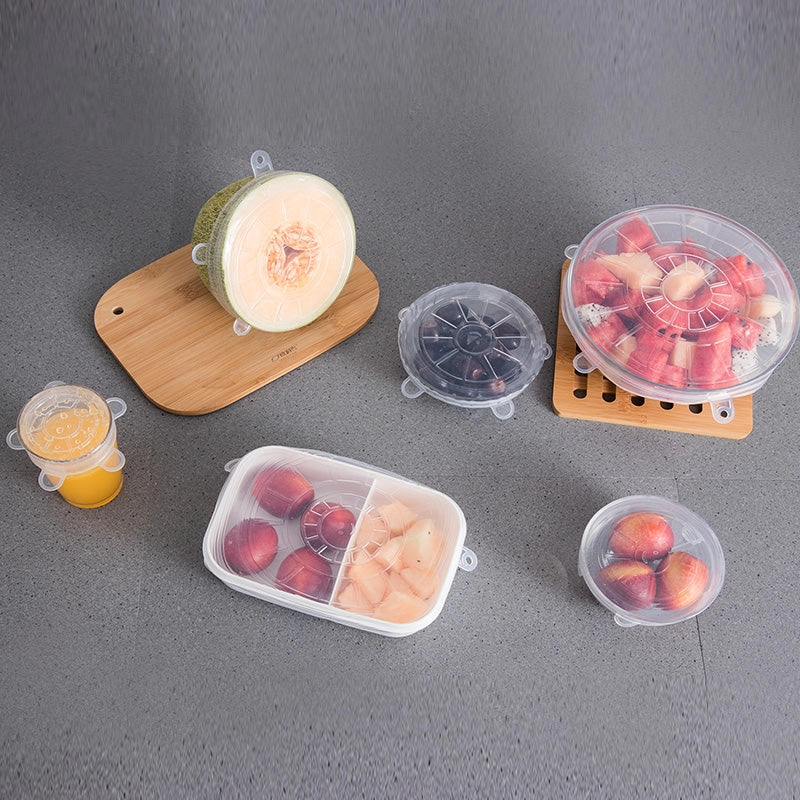
Silicone stretch lids: Flexible, durable, and airtight, these lids stretch over containers of multiple shapes and sizes. Their silicone material creates a tight seal to lock in freshness and prevent spills.
-
Beeswax wraps: Made from cotton infused with beeswax, jojoba oil, and tree resin, these wraps are natural and breathable. They mold easily around food or dishes and allow slight airflow, keeping food fresh without moisture buildup.
-
Fabric covers with elastic edges: Often made from cotton or linen, these washable covers feature an elastic band that secures them snugly over bowls and plates. Ideal for quick cover-ups, they come in customizable sizes and patterns.
How Reusable Covers Function in Fridge Storage
Reusable food covers act as barriers that protect your food from odors, moisture loss, and contamination. Unlike plastic wrap, many allow slight air exchange (especially beeswax wraps), preventing condensation and slowing spoilage. Silicone lids, with their airtight seals, create an environment that preserves freshness longer by limiting exposure to air.
Materials Behind Eco-Friendly Food Covers
Today’s reusable food covers are made from food-safe, durable, and sustainable materials, ensuring safety for your health and the environment:
-
Silicone: BPA-free, heat-resistant, and dishwasher-safe, silicone is long-lasting and easy to clean, making it a popular choice in sustainable kitchen storage products.
-
Beeswax blend fabrics: These are biodegradable and compostable, offering a plastic-free food storage alternative favored in zero waste kitchens.
-
Cotton and linen fabrics with elastic: Generally organic and free from harmful chemicals, these washable covers reduce single-use waste and are safe against direct food contact.
reusable food covers for fridge storage combine practicality with environmental responsibility. They fit seamlessly into eco-friendly food storage solutions, helping reduce plastic waste while keeping your food fresh and safe.
Key Benefits of Using Reusable Food Covers for Fridge Storage
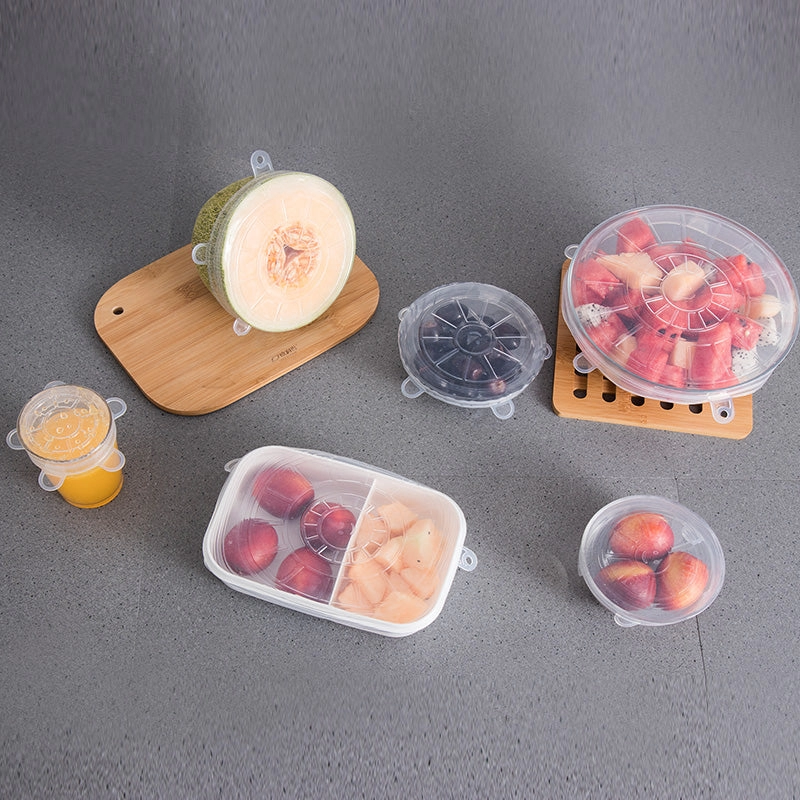
Using reusable food covers for fridge storage offers several important benefits, especially for those of us looking to make smarter choices in the kitchen. Here’s why switching to eco-friendly, durable covers is worth it:
Environmental Advantages Reduce Plastic Waste and Carbon Footprint
Traditional plastic wraps and single-use covers add a ton of waste to landfills—and much of it isn’t recyclable. Reusable food covers help cut down plastic waste significantly, meaning less pollution and less harm to the environment. Plus, because they last for years, they reduce the carbon footprint involved in constantly producing and shipping disposable plastics.
- Reduce single-use plastic wrap in your kitchen
- Minimize contribution to plastic pollution and ocean waste
- Support a zero waste kitchen by switching to sustainable kitchen storage products
Economic Benefits Cost Saving Over Time
While reusable food covers might have a higher upfront cost than disposables, they pay off in the long run. You won’t need to keep buying plastic wrap or aluminum foil. Over time, this leads to major savings on kitchen supplies—making them a smart investment for families and individuals alike.
- No need for frequent repurchasing
- Durable materials last for years with proper care
- Less food waste means savings on groceries
Health and Safety BPA-Free Non Toxic Breathable Covers
Many plastic wraps contain chemicals like BPA and phthalates that can leach into food. Reusable covers, especially silicone stretch lids, beeswax wraps, and fabric covers, are made from food-safe, non-toxic materials free of harmful additives. These options are also breathable, helping to keep food fresher without trapping moisture that can promote bacteria growth.
- BPA-free and phthalate-free materials
- Natural and safe beeswax wraps with organic cotton
- Silicone lids resistant to odors and stains
Improving Food Freshness and Reducing Spoilage
One of the big perks of reusable covers is their ability to keep food fresher longer. A good seal prevents air exposure, slowing down spoilage and preserving flavors and textures. Breathable options like beeswax wraps also maintain the right moisture balance, useful for fruits and vegetables.
- Better air-tight seals than plastic wrap or foil
- Keeps leftovers and fresh produce crisp and flavorful
- Helps reduce food waste by extending shelf life
Switching to reusable food covers for fridge storage is a simple yet effective way to reduce waste, save money, and keep your food safer and fresher.
Popular Types of Reusable Food Covers for Fridge Storage
When it comes to reusable food covers for fridge storage, there are three main types you’ll encounter: silicone stretch lids, beeswax wraps, and fabric elastic covers. Each type has unique benefits, materials, and best uses, so let’s break them down.
Silicone Stretch Lids
Silicone stretch lids are highly versatile and popular for a reason. Made from flexible, food-safe silicone, these covers stretch over bowls, plates, and even fruits. Their key benefits include:
- Seal-tight quality that helps lock in freshness and prevents leaks.
- A variety of sizes for different containers, making it easy to cover leftovers or opened produce.
- Durable and dishwasher safe, so cleaning is quick.
- Silicone is non-toxic, BPA-free, and microwave safe for reheating food.
This type works great if you want a snug fit on containers you already own without needing extra plastic wrap or foil.
Beeswax Wraps
Beeswax wraps are a natural, eco-friendly alternative. They’re made from cotton coated with a blend of beeswax, jojoba oil, and tree resin. Here’s what sets them apart:
- Breathable yet protective, allowing food like cheese and fruits to stay fresh without trapping moisture.
- Molds easily around bowls and food items using body heat.
- Fully compostable and biodegradable, making them a top choice for zero waste kitchens.
- Not ideal for raw meat or very wet foods since they aren’t liquid-proof.
Beeswax wraps work best for wrapping sandwiches, fruit, cheese, and covering bowls with dry or semi-dry leftovers.
Fabric Elastic Covers
Fabric elastic covers typically feature cotton or other natural fabrics with an elastic band sewn around the edge. They offer:
- Washable and reusable design so you can keep them clean and fresh.
- Customizable sizes to fit bowls, plates, and even some containers.
- Often made with food-safe, breathable fabric that helps keep food fresh.
- Lightweight and easy to store for everyday use.
These covers are perfect for those who prioritize an easy-to-use, machine washable option for frequently covering leftovers or baked goods.
Comparison Chart
| Type | Pros | Cons | Best Use Cases |
|---|---|---|---|
| Silicone Stretch Lids | Seal-tight, versatile, durable | Can be pricier, less breathable | Bowls, plates, containers |
| Beeswax Wraps | Natural, breathable, compostable | Not water-resistant, hand wash | Cheese, fruits, sandwiches |
| Fabric Elastic Covers | Washable, customizable, breathable | May not seal tightly, less durable | Bowls, plates, baked goods |
Choosing between silicone food covers, beeswax wraps, and fabric elastic covers depends largely on your lifestyle needs. Silicone lids offer the tightest seal for all kinds of leftovers, beeswax wraps bring a natural option for light, dry foods, and fabric elastic covers provide the ease of washing plus breathability for everyday use.
If you want more eco-friendly cling wrap options, check out Eco Artfullife’s reusable cling wrap for a wider range of alternatives to plastic storage.
How to Choose the Best Reusable Food Covers for Your Fridge
Selecting the right reusable food covers for fridge storage depends on several important factors that match your lifestyle and food habits. Here’s what to focus on when shopping for eco-friendly food storage solutions like silicone food covers, beeswax wraps, or fabric covers with elastic.
Consider Material and Durability
- Silicone covers are flexible, durable, and create an airtight seal, perfect for various container shapes.
- Beeswax wraps are natural and breathable but less durable and need gentle care.
- Fabric elastic covers are washable and come in different sizes but may not be as airtight.
Pick materials that hold up well over time, especially if you frequently store leftovers or baked goods.
Size Variety and Fit
Reusable covers come in multiple sizes. Look for:
- Sets that offer a variety of sizes to cover different bowls, plates, and food items.
- Stretchable options to fit irregular containers or cut fruit.
Having the right fit helps keep food fresh longer and reduces spoilage.
Ease of Cleaning and Maintenance
- Choose covers that are dishwasher safe or easy to hand wash.
- Avoid materials prone to lingering odors or stains.
- Check if the cover dries quickly and resists mold or mildew buildup.
Special Features to Look For
- Microwave-safe options let you heat food without removing the cover.
- Freezer-safe materials won’t crack or lose shape in cold storage.
- Odor-resistant fabrics or silicone reduce smell retention when storing pungent foods.
Tips for Common Food Storage Needs
- Fruit and vegetables: Opt for breathable covers like beeswax wraps or fabric covers to avoid moisture buildup.
- Leftovers: Silicone stretch lids or elastic food bowl covers work well to create tight seals.
- Baked goods: Choose covers that allow some airflow to keep crusts crisp, such as fabric elastic covers.
When choosing reusable food covers for your fridge, focus on material quality, fit, ease of cleaning, and any extra features that match your specific storage needs. This will help you reduce waste, save money, and keep your food fresh longer with safe, practical options.
Tips for Using and Maintaining Reusable Food Covers for Fridge Storage
Using reusable food covers right means they’ll last longer and stay fresh for your leftovers or food prep. Here’s how to keep your eco-friendly food storage solutions in top shape.
Proper Cleaning Techniques to Prolong Life and Hygiene
- Wash covers right after use. Rinse off food residue with warm water before it dries on.
- Use mild soap or dish detergent. Avoid harsh chemicals or bleach that can damage materials like silicone or beeswax wraps.
- Hand wash wraps like beeswax and fabric covers. These are delicate and can lose their shape or coating in the dishwasher.
- Silicone lids are dishwasher safe. Place them on the top rack for easy cleaning and sanitizing.
- Dry thoroughly before storing. Moisture trapped on reusable food covers can cause mold or odors over time.
Storage Tips for Maximum Convenience
- Store covers flat or rolled, not folded, to prevent creases and damage. Beeswax wraps especially can crack if bent sharply.
- Keep silicone lids nested or stacked by size. This saves space and keeps your kitchen organized.
- Use a dedicated container or breathable bag for fabric covers. This prevents dust or dirt and keeps them ready for use.
- Avoid direct sunlight when storing food-safe elasticized bowl covers. Sunlight can weaken elastic and fade colors.
Troubleshooting Common Issues with Reusable Food Covers
- Stickiness in beeswax wraps:
- Slight tackiness is normal and helps the wrap stick, but if it feels too sticky, lightly warm it by rubbing between your hands.
- Avoid overheating, as it can melt the wax coating.
- Odor retention:
- Rinse covers promptly after use, especially if storing strong-smelling foods like onions or garlic.
- For beeswax wraps or fabric covers, air them out thoroughly before storage.
- Elastic stretching or loosening in fabric covers:
- Avoid overstretching when fitting on large bowls to keep elastic tight.
- Replace covers if the elastic becomes too loose to hold food properly.
- Silicone lids not sealing tightly:
- Check that the lid size matches the container to keep the seal airtight.
- Clean the edges well, as food residue can prevent a proper seal.
Following these steps will keep your reusable stretch lids, beeswax wraps, and fabric elastic covers ready to go—helping you reduce plastic waste while keeping food fresh and safe for the fridge.
Environmental Impact of Reusable Food Covers Why Switch Now
The Problem with Plastic Food Storage Waste
Each year, millions of tons of plastic waste come from single-use food storage products like plastic wrap and disposable containers. In the U.S. alone, over 35 billion pounds of plastic packaging is discarded, much of it ending up in landfills or polluting natural environments. Traditional plastic wraps and covers contribute significantly to this problem because they are rarely recycled and break down into microplastics, harming wildlife and water sources.
How Reusable Food Covers Support a Zero Waste Lifestyle
Switching to reusable food covers for fridge storage offers a straightforward way to cut down on this waste. By using durable, eco-friendly options such as silicone lids, beeswax wraps, or fabric covers with elastic bands, you reduce reliance on single-use plastics and lower your carbon footprint. These materials are designed to last, and many are made from food-safe, non-toxic substances that are both safe for you and safe for the planet.
Adopting reusable covers helps:
- Reduce plastic pollution by eliminating disposable wraps and bags
- Save resources and energy needed to produce and transport plastic products
- Promote a sustainable kitchen routine aligned with zero waste principles
- Improve food freshness which lowers food spoilage and waste
The Role of Consumers and Brands in Promoting Sustainability
Consumers hold power through their daily choices. By opting for plastic-free food storage alternatives like reusable covers, U.S. households can significantly cut down on plastic use, encouraging more brands to prioritize sustainability.
Brands like Artfullife, a trusted supplier for supermarket-grade reusable food covers, play a vital role by offering high-quality, certified products made from durable, eco-friendly materials. These companies ensure their products meet safety standards and are designed to last, helping customers switch smoothly to greener kitchen habits.
Choosing reusable food covers isn’t just an individual win—it pushes the entire market towards cleaner, safer, and more sustainable kitchen storage solutions.
Why Now
- Plastic pollution continues to grow, threatening ecosystems
- Food storage waste contributes to landfill overflow
- More zero waste resources and products are available
- Consumers are seeking healthier, eco-friendly kitchen options
Making the switch today with reusable food covers is a meaningful step toward a more sustainable and environmentally friendly kitchen and community.
Where to Buy Quality Reusable Food Covers for Fridge Storage
Finding reliable sources for reusable food covers is key to getting durable, safe, and eco-friendly products that actually work. When shopping for covers like silicone lids, beeswax wraps, or fabric covers with elastic, it’s important to focus on trusted suppliers who prioritize food-safe materials, certifications, and product quality.
What Makes a Quality Reusable Food Cover
Look for these features to identify a quality product:
- Food-safe and non-toxic materials — BPA-free silicone, organic cotton, or sustainably sourced beeswax
- Durability and reusability — covers that withstand repeated washing and maintain seal-tight or breathable qualities
- Certifications and material assurances — FDA approval or equivalent safety certifications add peace of mind
- Eco-friendly packaging — suppliers committed to plastic-free or minimal packaging reduce your overall footprint
Artfullife Supermarket Grade Reusable Food Covers
Artfullife offers a solid range of reusable food covers designed for everyday fridge storage needs. Their products stand out because they:
- Use high-quality materials like food-grade silicone and organic cotton blends
- Are designed for convenience with various sizes and elastic fits to cover bowls, plates, and leftovers easily
- Offer long-lasting durability that saves money over single-use plastics
- Align with the zero-waste movement, perfect for those looking for plastic-free food storage alternatives
Choosing From Trusted Suppliers
When selecting reusable food covers, it’s smart to buy from suppliers who:
- Clearly list product materials and safety information
- Have positive customer reviews citing performance and longevity
- Offer warranties or satisfaction guarantees for peace of mind
- Provide detailed care instructions to help you maintain your covers for years
By sticking to trusted brands like Artfullife and checking for these quality details, you ensure your investment in eco-friendly food storage solutions pays off — both for your kitchen and the planet.