

















Are you confused about the difference between tin foil vs aluminum foil? You’re not alone. Many people use these terms interchangeably, but there are important differences that affect how you should use them in your kitchen and beyond. Choosing the right foil can impact your cooking results, food safety, and even your environmental footprint.
In this article, you’ll discover what tin foil really is, why aluminum foil replaced it in most homes, and when to pick one over the other. Whether you’re wrapping leftovers, baking, or crafting, this clear, no-nonsense guide by Artfullife will help you make smart choices for your kitchen and family.
Ready to cut through the confusion and learn which foil you should use? Let’s get started!
What is Tin Foil Understanding Its History and Composition
When we hear tin foil, many wonder if it’s the same as aluminum foil. Tin foil is actually a thin sheet made of tin metal, and it’s quite different from the aluminum foil we use today.
Historical Context and Origin of Tin Foil
Tin foil was widely used in the late 19th and early 20th centuries before aluminum foil became common. It was originally developed as a practical material because tin was more affordable and easier to produce in thin sheets than silver, which was used for wrapping foods earlier. Tin foil gained popularity for packaging, cooking, and wrapping household items. However, because of its weight and tendency to wrinkle easily, it was eventually replaced.
Material Composition and Manufacturing Process
Tin foil is made from pure tin metal or tin alloys. It involves rolling blocks of tin into very thin sheets, a process known as cold rolling. This thinness allows tin foil to be flexible yet strong enough for everyday uses. However, tin is softer than aluminum, so the sheets are thicker to maintain durability.
Typical Uses Then and Now
Originally, tin foil was popular for wrapping food, preventing contamination and preserving freshness. People also used it in insulation, craft work, and decorative purposes. These days, tin foil is rarely used commercially for food storage or cooking because it reacts with some foods and is less durable compared to aluminum foil. It’s still found in some specialty applications like art projects or niche food packaging.
Availability of Tin Foil in Markets Today
Tin foil is harder to find in stores compared to aluminum foil. Most supermarkets and retailers stock aluminum foil exclusively due to its versatility and lower cost. If you want tin foil, it’s usually available through specialty suppliers or online retailers targeting crafts and industrial use rather than everyday cooking or food storage.
tin foil is an older material made of pure tin, valued in history for food wrapping and household use. Its limited availability and physical properties have made it mostly a historical footnote today, replaced by more efficient and safer aluminum foil. Understanding this helps clear confusion about the differences and when tin foil might still be relevant.
What is Aluminum Foil Material Composition and Production
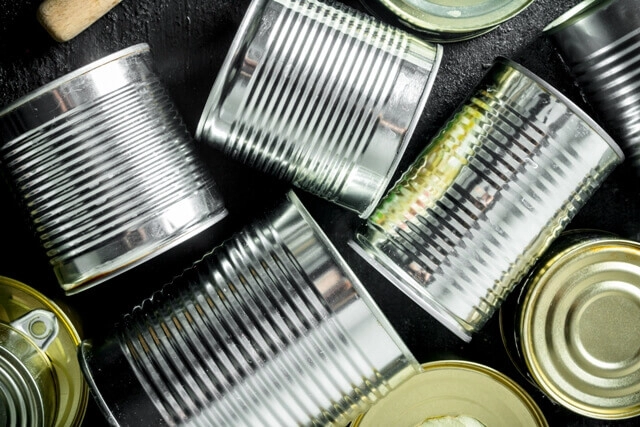
Aluminum foil is made from thin sheets of aluminum metal rolled out to just a few thousandths of an inch thick. The production process involves rolling large slabs of aluminum through heavy rollers, sometimes doubling the sheets to get the right thickness and strength for your everyday use. Unlike tin foil, aluminum doesn’t sprout a metallic taste or react much with foods, which is a big plus in cooking and storage.
Aluminum foil replaced tin foil mainly because of cost efficiency, better flexibility, and improved durability. Aluminum is more abundant and cheaper to produce compared to tin, making it the preferred choice in most kitchens and industries since the mid-20th century.
Why Aluminum Foil Replaced Tin Foil
- Cost-effective and abundant: Aluminum is easier and less expensive to source.
- More durable and less prone to tearing: Aluminum foil is stronger and more flexible.
- Does not leave a metallic taste: Aluminum doesn’t react much with food, unlike tin.
- Better heat resistance and conductivity: Great for cooking applications.
Main Uses and Types of Aluminum Foil
Aluminum foil comes in a few common forms to fit different needs:
- Household foil: Lightweight, thin sheets ideal for wrapping, storing, or baking typical home-cooked meals.
- Heavy-duty foil: Thicker and stronger, perfect for grilling, roasting, or wrapping large, heavy foods.
- Non-stick foil: Coated with a special layer to prevent food from sticking, handy for baking or fatty foods.
You’ll find aluminum foil in kitchens nationwide in the US, from supermarkets to big-box stores, often branded with added features like non-stick coatings or extra strength.
Recycling and Environmental Considerations
Aluminum foil is highly recyclable, which helps reduce its environmental footprint compared to tin foil or other materials. However, you should:
- Clean off food residues before recycling to avoid contamination.
- Recognize that production still requires mining bauxite, which impacts the environment.
- Consider that recycling aluminum uses significantly less energy than producing new aluminum, making it a more sustainable choice.
Choosing aluminum foil means balancing convenience, cost, and environmental responsibility. When recycling properly, it can be a solid eco-friendly option for American households.
Key Differences Between Tin Foil and Aluminum Foil
When you compare tin foil vs aluminum foil, several important differences stand out, especially in physical traits, chemical behavior, durability, and cost. Understanding these can help you decide which foil fits your needs better.
Physical Characteristics
- Thickness and Texture: Tin foil is generally thicker and less flexible than aluminum foil. It feels stiffer and doesn’t mold as easily around food or containers. Aluminum foil is thinner, more pliable, and easier to shape, which is why it’s preferred for most kitchen uses today.
- Malleability: Aluminum foil is much more malleable, meaning you can fold or crumple it without tearing easily. Tin foil is more prone to cracking and breaking when bent sharply, limiting its versatility.
Chemical Properties and Reactivity
- Reactivity with Food: Tin foil is less reactive with acidic or strong-flavored foods, so it was historically favored for wrapping items like cheese or lemons. Aluminum foil, on the other hand, can react slightly with acidic foods (like tomatoes or vinegar), sometimes imparting a metallic taste or causing the foil to weaken.
- Oxidation Potential: Aluminum forms a thin, protective oxide layer naturally, which helps resist corrosion. Tin foil can tarnish or oxidize more noticeably over time, affecting appearance and possibly flavor.
Durability and Heat Resistance
- Durability: Aluminum foil is more durable under high heat and handles a wider variety of cooking methods, like grilling and baking. Tin foil’s lower heat tolerance makes it less suitable for direct heat applications.
- Heat Resistance: Aluminum foil can withstand higher temperatures without melting or breaking down, which is why it’s the go-to option for oven use. Tin foil tends to become brittle and degrade quicker under intense heat.
Cost and Availability
- Cost: Aluminum foil is cheaper to produce, making it more affordable and widely available in grocery stores all across the United States. Tin foil, once common, is now rare and usually costs more due to limited manufacturing and demand.
- Market Availability: Aluminum foil dominates the market today. If you’re shopping in local supermarkets, you’re almost certainly grabbing aluminum foil unless you specifically seek out specialty tin foil for niche uses.
of Key Differences
| Feature | Tin Foil | Aluminum Foil |
|---|---|---|
| Thickness | Thicker, less flexible | Thinner, more flexible |
| Texture | Stiffer, rougher | Smooth, soft |
| Malleability | Cracks easily under stress | Highly malleable |
| Reactivity with Food | Less reactive, better for acids | Slight reaction with acidic foods |
| Oxidation | Tarnishes over time | Naturally forms protective oxide layer |
| Heat Resistance | Lower tolerance to heat | High heat resistance |
| Durability | Less durable | More durable |
| Cost | More expensive, less common | Cheaper, widely available |
Knowing these differences means you can pick the right foil confidently, whether it’s for cooking, food storage, or a special project. For everyday American kitchens, aluminum foil remains the best all-around choice due to its flexibility, durability, and cost-effectiveness. But tin foil may still have a place where food reactivity or specialized uses take priority.
Common Uses When to Use Tin Foil or Aluminum Foil
Knowing when to use tin foil vs aluminum foil helps you get the best results in the kitchen and beyond. Each has its unique strengths, especially when it comes to cooking, food storage, and specialized projects.
Cooking and Baking
- Aluminum foil is the go-to for cooking and baking. It conducts heat efficiently, making it perfect for lining pans, wrapping food, and grilling. It also holds up well under high temperatures.
- Tin foil was used in the past but is thicker and less flexible, which made it harder to seal foods tightly. Today, it’s rarely used for cooking.
- If you’re cooking acidic foods like tomato sauce or citrus, aluminum foil can sometimes react and cause a metallic taste or discoloration. In rare cases, tin foil might be less reactive, but since it’s mostly unavailable, people usually line food with parchment paper first or use specialized cooking wraps.
Food Storage and Preservation
- Aluminum foil is excellent for food storage. It seals in freshness, prevents odors from escaping, and keeps moisture out, which helps preserve leftovers and keeps food tasting fresh.
- Tin foil can also serve for storage but is not widely sold today, so it’s less practical.
- For long-term storage of acidic or salty foods, avoid direct contact with aluminum foil or use a layer of wax or parchment paper to prevent metal transfer.
Specialized Uses
- Art and crafts: Tin foil’s malleability was prized for creative projects, but aluminum foil now fills that role with more flexibility and availability.
- Insulation: Aluminum foil is often used as an insulating material due to its reflective properties.
- Tin foil, due to its thickness, was occasionally used for insulation too but largely has been replaced.
Health and Safety Considerations
- Is aluminum foil safe? Generally, yes. It’s widely used in American homes and commercial kitchens. Concerns about aluminum leaching into food mostly come from extreme conditions like prolonged cooking of acidic foods or very high heat.
- Tin foil safety: Since tin foil contains tin metal, it is also considered safe but is rare in the market.
- For both types, avoid cooking acidic or salty foods wrapped directly without an extra barrier to prevent any metal taste or reaction.
- Microwaving with foil can cause sparks; never use aluminum or tin foil in a microwave unless the product states it’s microwave-safe.
- When grilling or roasting, foil’s heat resistance and ability to lock in moisture make it invaluable.
| Use Case | Aluminum Foil | Tin Foil |
|---|---|---|
| Cooking & Baking | Great heat conduction, versatile | Thicker, less flexible, rare |
| Acidic Food Contact | Can react, use parchment barrier | Slightly less reactive, rare |
| Food Storage | Excellent for freshness and odor control | Similar but less available |
| Art, Crafts, Insulation | Common for creative and insulating uses | Older option, less common today |
| Health & Safety | Safe with precautions, avoid microwaves | Safe but generally obsolete |
Using aluminum foil is the best choice for most cooking with tin foil vs aluminum foil needs in the US kitchen today. Tin foil has niche uses but is mostly phased out of regular household use.
Myths and Facts About Tin Foil vs Aluminum Foil
When it comes to tin foil vs aluminum foil, there are a lot of myths floating around, especially about safety and usage. Let’s clear those up so you can make informed choices in your kitchen.
Debunking Aluminum Foil Toxicity Fears
One common worry is that aluminum foil is toxic or unsafe for cooking. Research shows that aluminum foil is generally safe for everyday cooking and food storage. While small amounts of aluminum can transfer to food—especially acidic or spicy dishes—it’s well within safe limits for most people.
- Avoid using aluminum foil with very acidic foods (like tomatoes or citrus) for long periods to minimize any metal transfer.
- Using heavy-duty or non-stick aluminum foil can reduce food contact and prevent piercing, making cooking safer and cleaner.
Is Tin Foil Still Relevant Today
Tin foil, once common in kitchens, has largely been replaced by aluminum foil due to cost and performance benefits. However, tin foil is still around but in niche uses, like specialty crafts or certain industrial processes. For everyday cooking and food storage in the U.S., tin foil is rarely found or used.
Safety Guidelines for Using Foil in Microwaves Grills and Ovens
- Microwaves: Avoid placing aluminum foil inside a microwave unless the manufacturer specifically says it’s safe. Foil can cause sparks and fires in microwaves.
- Grills: Using aluminum foil on grills is common and safe, but avoid wrapping food too tightly or blocking air vents to prevent flare-ups.
- Ovens: Aluminum foil is great for lining baking sheets, covering dishes, or wrapping food to lock in moisture. Just avoid contact with oven heating elements to prevent melting or burning.
Key Takeaways
- Aluminum foil is safe for cooking and storage when used properly.
- Tin foil is mostly outdated and not widely used anymore.
- Always follow product guidelines to avoid safety hazards, especially with microwaves.
- For acidic or long-term food storage, consider non-stick or heavy-duty aluminum foil for peace of mind.
By understanding these facts, you can skip the myths and use the right foil safely and effectively in your kitchen.
How to Choose the Right Foil for Your Needs
Choosing between tin foil and aluminum foil comes down to a few key factors that matter most for your cooking, storage, and environmental goals.
Factors to Consider
-
Purpose
Decide what you’ll mainly use the foil for. Aluminum foil is versatile and works well for cooking, baking, and food storage. Tin foil might be preferred for specialized vintage recipes or craft projects but is rarely found in modern kitchens.
-
Cost
Aluminum foil is widely available and generally more affordable than tin foil, especially when shopping at U.S. supermarkets like Artfullife. This makes aluminum the go-to choice for everyday use.
-
Health and Safety
Aluminum foil is safe for most cooking applications — just avoid wrapping acidic foods for long periods as it can react slightly. Tin foil is less reactive but harder to find and more costly. Both are non-toxic when used properly.
-
Environmental Impact
Aluminum foil is recyclable if clean, making it more eco-friendly when disposed of correctly. Tin foil is rare, so recycling options might be limited. Keep in mind, producing aluminum foil uses energy, so reuse it when possible.
Shopping Tips at Supermarkets Like Artfullife
- Look for household aluminum foil options that suit your needs: regular, heavy-duty, or non-stick.
- Check the packaging for thickness details — heavy-duty foil lasts longer during cooking and protects better from leaks.
- Consider Eco-friendly lines or foils labeled recyclable. Artfullife occasionally stocks brands with sustainable packaging, which helps reduce waste.
Storage and Disposal Tips
- Store foil in a cool, dry place to keep it clean and ready for use.
- Avoid crushing foil before you recycle it to ensure it can be processed efficiently.
- Rinse off food residue before recycling aluminum foil to prevent contamination.
- When foil is too damaged or soiled, throw it in the trash to avoid issues at recycling centers.
By focusing on your cooking needs, budget, and environmental concerns, you can confidently pick the foil that fits your kitchen routine best. For most U.S. customers, aluminum foil from trusted suppliers like Artfullife offers the ideal balance of performance, price, and sustainability.
Environmental Impact and Sustainability of Tin Foil vs Aluminum Foil
When it comes to choosing between tin foil and aluminum foil, understanding their environmental impact is key. Both materials have different footprints and recycling potentials, which can affect how eco-friendly your choice really is.
Recycling Potential of Aluminum Foil Compared to Tin Foil
- Aluminum foil is highly recyclable and can be reprocessed repeatedly without losing quality. This makes it a more sustainable option when properly cleaned and recycled.
- Tin foil, on the other hand, is less common today, and because it’s rarely produced in large volumes, it’s not widely accepted in curbside recycling programs. It may contaminate recycling streams if mixed with aluminum foil.
- To recycle aluminum foil correctly:
- Make sure it’s clean and free of food residue.
- Ball small pieces together to make collection easier.
- Tin foil often ends up in landfills due to lack of recycling infrastructure, contributing to unnecessary waste.
Environmental Footprint of Production
- Producing aluminum foil requires significant energy and mining activity, mainly bauxite extraction, which has environmental risks like habitat disruption and water pollution.
- However, because aluminum can be recycled indefinitely, the energy footprint decreases drastically if recycled material is used rather than fresh mining.
- Tin production also involves mining and smelting, with its own environmental challenges including soil degradation and emissions. Since tin foil is rarely manufactured now, the environmental cost per unit tends to be higher due to less efficient, smaller-scale production.
How Consumers Can Minimize Environmental Impact
As consumers in the US, here’s how you can reduce the environmental footprint of your foil use:
- Choose aluminum foil over tin foil for easier recycling and better sustainability.
- Reuse foil when possible, especially heavy-duty or non-stick varieties designed for multiple uses.
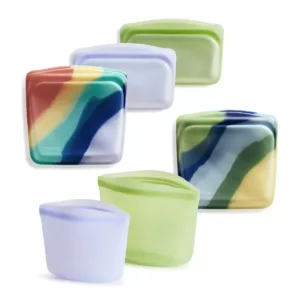
- Avoid single-use foil where alternatives exist: use reusable silicone lids, beeswax wraps, or glass containers for food storage.
- Always clean foil before recycling to ensure it is accepted by local recycling centers.
- Consider product lines with eco-friendly certifications and brands that use recycled aluminum content, like Artfullife’s sustainable products.
- Limit foil use in disposable applications such as lining pans or wrapping takeout food if other options exist.
By focusing on these points, you contribute to a more sustainable lifestyle and reduce your environmental footprint without sacrificing convenience or quality. Remember – good recycling habits combined with thoughtful foil usage make the biggest difference.