
















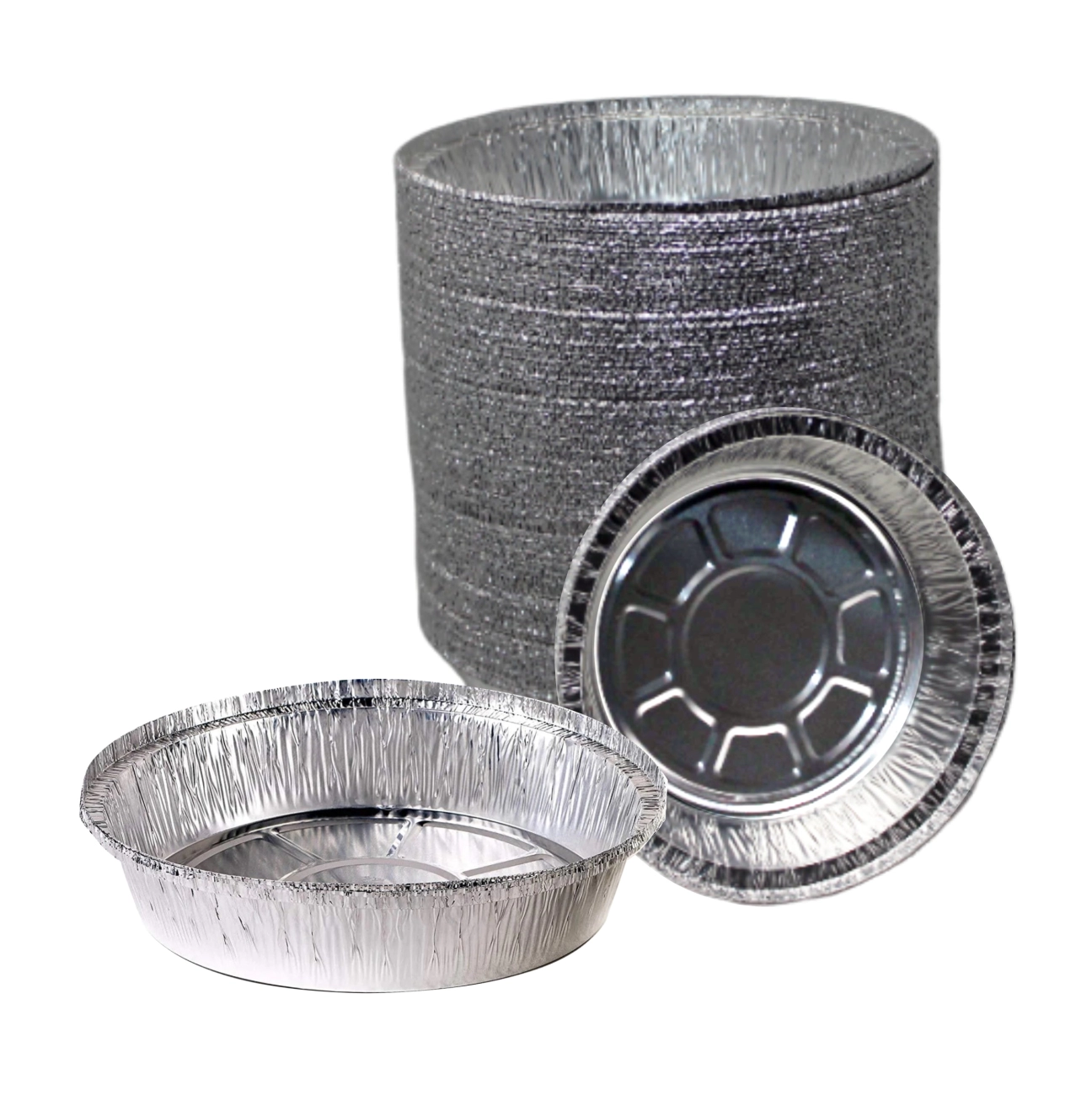
If you’re serious about meal prep and food storage, you’ve probably noticed aluminum foil popping up as a household star. But how exactly does aluminum foil for meal prep and storage make your kitchen life easier, safer, and more eco-friendly? In this guide, you’ll get practical tips on using aluminum foil effectively—from wrapping meals perfectly to keeping food fresh longer. Plus, we’ll tackle common questions about its safety and show you why it might just be the most versatile tool in your food storage arsenal. Ready to streamline your meal prep with confidence and care? Let’s jump right in!
Benefits of Using Aluminum Foil for Meal Prep and Food Storage
When it comes to efficient meal prep and food storage, aluminum foil stands out as a versatile and reliable choice. Here’s why so many people trust aluminum foil for meal prep and storage in their daily routines.
Versatility for Cooking and Storing Various Foods
One of the biggest benefits of aluminum foil is its flexibility. Whether you’re working with meats, vegetables, or baked goods, foil adapts easily. It’s perfect for:
- Wrapping leftovers to keep them fresh
- Covering dishes during baking or roasting
- Separating portions for easy grab-and-go meals
- Lining pans and trays for easy cleanup
This versatility makes it a kitchen must-have that handles a wide range of food prep and storage tasks with ease.
Heat Retention and Moisture Locking Properties
A key advantage of aluminum foil is its ability to retain heat and lock in moisture. This helps your meals stay warm and juicy, whether you’re reheating or storing leftovers.
- Foil traps heat efficiently, reducing cooking time
- It prevents moisture loss, keeping foods tender and flavorful
- Makes it ideal for oven use and reheating without drying out meals
This makes aluminum foil a great option when you want to maintain the quality of your food over time.
Easy to Mold and Seal for Airtight Storage
Aluminum foil is incredibly easy to mold around any shape or size, creating a tight seal that locks in freshness. Simply folding or crimping the edges forms an airtight barrier to:
- Prevent exposure to air and contaminants
- Reduce odors mixing in the fridge or freezer
- Keep food safe from freezer burn or drying out
This airtight feature simplifies long-term storage and helps keep your meals delicious.
Compatibility with Oven Freezer and Grill Use
Unlike many other wraps or containers, aluminum foil works well in many environments:
- Safe to use in ovens without melting or warping
- Perfect for freezing meals, protecting food from freezer burn
- Suitable for outdoor grilling, wrapping veggies or meat for even cooking
This multi-use functionality means you can prep, freeze, and cook all with the same foil, streamlining your meal prep process.
Cost-Effectiveness and Convenience
Aluminum foil is a budget-friendly meal prep solution. It’s widely available, affordable, and disposable, offering great value for busy households. Some of the ways it saves you time and money include:
- Eliminating the need for extra containers in many cases
- Reducing cleanup effort by lining trays or covering dishes
- Being lightweight and easy to store in any kitchen setup
Choosing aluminum foil adds convenience without breaking your budget.
using aluminum foil for meal prep and storage delivers unmatched versatility, excellent heat retention, airtight sealing, multi-environment compatibility, all at a low cost. For anyone looking to simplify food prep and keep meals fresh longer, it’s a smart, practical choice.
How to Use Aluminum Foil Effectively for Meal Prep and Storage
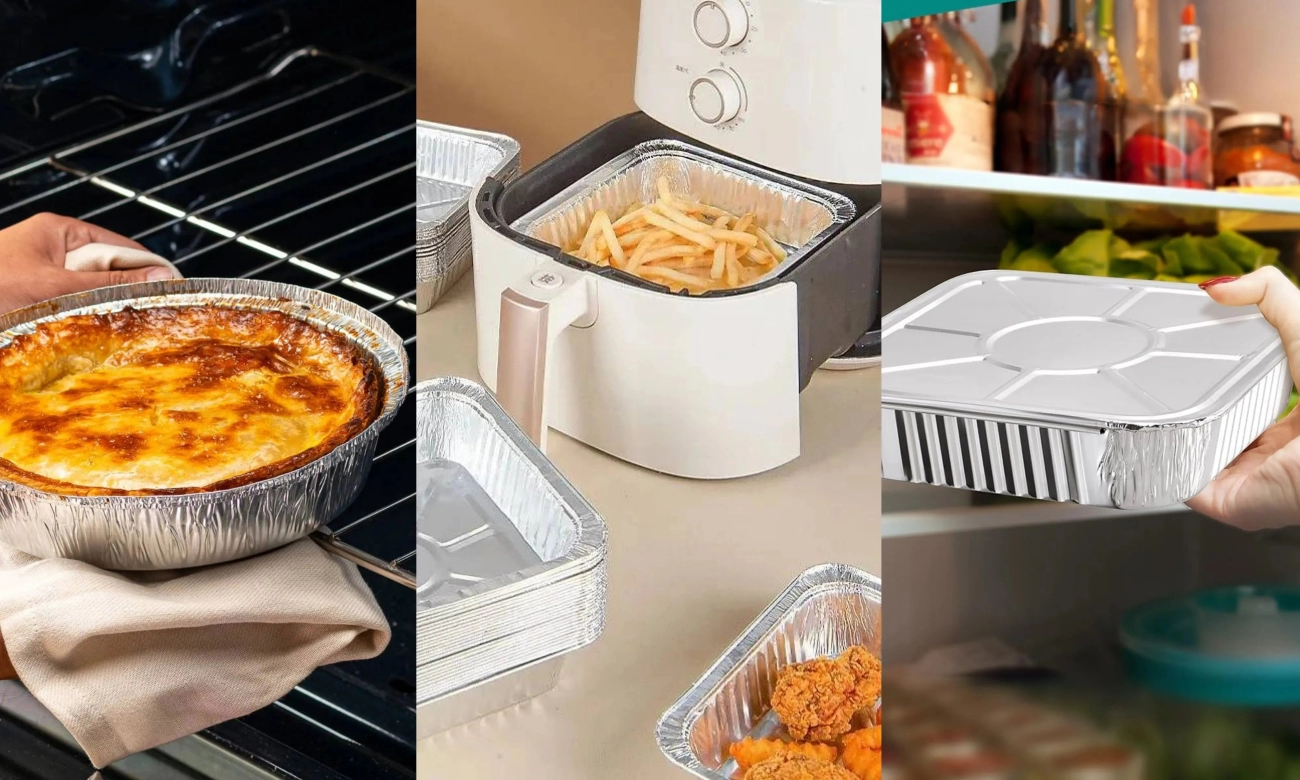
Using aluminum foil for meal prep and food storage can simplify your kitchen routine while keeping meals fresh and organized. Here’s how to get the most out of it:
Wrapping Techniques for Different Foods
- Meats: Wrap tightly to lock in juices and prevent leaks. Use a double layer of foil if the meat is particularly greasy or marinated.
- Vegetables: Wrap loosely to avoid crushing and allow some airflow, especially if you plan to roast or grill directly in foil.
- Baked Goods: Cover baked items like bread or muffins with foil to maintain moisture and freshness, but avoid wrapping too tightly to prevent sogginess.
Portioning and Labeling Meals with Foil
- Divide meals into single or family-sized portions before wrapping.
- Label each foil package with the contents and date using a permanent marker. This helps track how long items have been stored, especially in the freezer.
- Use color-coded markers or stickers to identify meal types quickly and streamline your meal prep routine.
Layering and Stacking for Freezer Storage
- Place wrapped portions in a single layer on a baking sheet, freeze until firm, then stack vertically in a freezer-safe container or bag to save space.
- This method helps prevent packages from sticking together and makes grabbing individual meals hassle-free.
- Keep aluminum foil-wrapped items away from direct contact with freezer walls to reduce ice buildup and foil tears.
Tips for Avoiding Leaks and Contamination
- Always use the shiny side facing in (though both sides work, some find shiny side helps with heat reflection).
- Double wrap oily or juicy foods to minimize leaks.
- Avoid puncturing foil with sharp utensils or teeth.
- When reheating foods in foil, pierce a few small holes for steam to escape if needed, but avoid loose wrapping that may cause spillage.
- To reduce cross-contamination, never reuse foil that had raw meat or seafood unless it’s been thoroughly cleaned.
Using these practical techniques will help you get the best results from your aluminum foil meal prep ideas, keeping food fresh, organized, and easy to store or reheat.
Safety and Health Considerations for Aluminum Foil in Meal Prep and Storage
When it comes to aluminum foil for meal prep and food storage, many people wonder if it’s safe to use regularly. Let’s clear up some common concerns and share how to use it safely.
Does Aluminum Foil Cause Health Risks
There’s a persistent myth that aluminum foil causes health problems, including aluminum build-up linked to conditions like Alzheimer’s. However, current research shows that normal use of aluminum foil poses minimal risk to your health. The small amount of aluminum that might leach into food is generally considered safe by health authorities.
Still, it’s smart to use aluminum foil correctly to avoid unnecessary exposure.
Safe Usage Guidelines to Prevent Aluminum Leaching
Here’s how to use aluminum foil safely to minimize any chance of aluminum getting into your food:
- Avoid wrapping highly acidic or salty foods (like tomato sauce or citrus) directly in foil. Acidic ingredients can cause small amounts of aluminum to leach.
- Use parchment paper as a buffer layer between food and foil when prepping acidic dishes.
- Refrain from reheating food wrapped in foil in the microwave, as this can cause sparks and uneven heating (more on this in FAQs).
- For oven or grill use, foil is safe, but be mindful not to use it for very long cooking times with acidic foods.
- Use Ecoartfullife’s aluminum foil designed to minimize leaching and meet strict safety standards for food contact.
Proper Disposal and Recycling Practices
When it comes to disposing of aluminum foil, don’t just toss it out with regular trash. Recycling aluminum foil helps reduce environmental impact and supports a circular economy.
To recycle aluminum foil properly:
- Make sure the foil is clean and free from food residue. Rinse or wipe off any stuck-on food.
- Crumple used foil into a ball. Small pieces can be hard to sort at recycling centers.
- Check your local recycling guidelines since practices vary across U.S. cities.
For more on how to recycle aluminum foil responsibly, check out Ecoartfullife’s aluminum foil recycling guide.
Ecoartfullife Aluminum Foil Combines Safety with Eco-Consciousness
At Ecoartfullife, safety and sustainability come first. Their aluminum foil is crafted to be durable, food-safe, and environmentally friendly. It’s a smart choice for those who want reliable performance without compromising on health or the planet.
In :
- Use aluminum foil for meal prep with care to avoid contact with acidic foods.
- Follow safe reheating tips to prevent aluminum leaching.
- Dispose of foil properly by cleaning and recycling whenever possible.
- Consider Ecoartfullife brand for high-quality and eco-friendly aluminum foil options.
This way, you get the benefits of aluminum foil for food storage without any of the health or environmental concerns.
Aluminum Foil vs Other Storage Solutions for Meal Prep and Food Storage
When it comes to meal prep and food storage, aluminum foil competes with options like plastic wrap, silicone lids, glass containers, and beeswax wraps. Each has its strengths and weaknesses depending on your needs.
Comparing Aluminum Foil to Common Storage Alternatives
-
Plastic Wrap
- Pros: Clings tightly, inexpensive, lightweight
- Cons: Single-use, less heat-resistant, can’t use in the oven or grill
- Aluminum foil wins for heat tolerance and durability but loses some on eco-friendliness since plastic waste is a major issue.
-
Silicone Lids and Bags
- Pros: Reusable, flexible, dishwasher safe, good for airtight sealing
- Cons: Higher upfront cost, not as great for freezing heavy or sharp foods
- Aluminum foil is better for one-time, cost-effective meal prep and works well with grills and ovens, while silicone is ideal for reusable storage without waste.
-
Glass Containers
- Pros: Durable, reusable, microwave and oven safe
- Cons: Heavy, bulky, higher cost, can break
- Use glass when you want long-term storage that’s reusable and eco-friendly. Aluminum foil offers compact and versatile wrap options but is not reusable.
-
Beeswax Wraps
- Pros: Natural, reusable, breathable for some foods
- Cons: Not heat resistant, can’t use for hot or frozen items
- Aluminum foil is better suited for freezing meals or reheating leftovers, thanks to its heat resistance and moisture-locking ability.
Pros and Cons of Aluminum Foil for Sustainability Durability and Cost
| Feature | Aluminum Foil | Other Options |
|---|---|---|
| Sustainability | Recyclable if clean, but often single-use | Silicone and glass are reusable; beeswax is natural |
| Durability | Strong, heat resistant, molds easily | Plastic wrap less durable; glass breakable; silicone very durable |
| Cost | Affordable, widely available | Higher upfront for glass and silicone; beeswax wraps mid-range |
When to Choose Aluminum Foil Over Other Options
- Need quick, affordable wrapping or covering for a variety of foods
- Planning to freeze meals or reheat in an oven or on the grill
- Wrapping irregularly shaped foods or packages that require molding for airtight storage
- Wanting a lightweight, disposable option that’s recyclable if properly cleaned
When to Use Alternatives Instead
- You prefer reusable, eco-friendly storage that reduces waste
- Need microwave-safe containers that won’t rip or puncture
- Desire transparent storage that lets you see the food without unwrapping
- Want breathable covers for fresh produce, like beeswax wraps
aluminum foil is a versatile, cost-effective choice for meal prep and food storage in the U.S., especially where heat tolerance and ease of use matter. But for reusable and environmentally friendly options, silicone lids, glass containers, and beeswax wraps have clear advantages. Choosing the right storage depends on your habits, budget, and sustainability goals.
Tips for Eco-Friendly Use of Aluminum Foil for Meal Prep and Storage
Using aluminum foil for meal prep and food storage doesn’t have to harm the planet. With a few smart habits, you can reuse and recycle foil effectively while keeping your meals safe and fresh.
Reusing Aluminum Foil Without Compromising Food Safety
You can often reuse aluminum foil a few times if you handle it carefully:
- Gently clean foil that’s not torn, scraping off leftover food bits.
- Use reused foil for wrapping dry foods like bread or veggies instead of greasy or wet foods.
- Avoid reusing foil that held raw meat or very oily foods to reduce contamination risks.
- When reusing, fold the foil so the clean side faces inwards to protect the food from any residue.
Proper Recycling of Aluminum Foil
Recycling foil properly helps keep it out of landfills and conserves energy:
- Always remove food scraps and grease before recycling. Dirty foil can’t be recycled easily.
- Check your local recycling program to confirm if they accept aluminum foil. Many curbside programs do, but some don’t.
- When accepted, ball up foil into a 2-inch or larger ball because small pieces can get lost during recycling.
- Avoid mixing foil with other types of waste or recycling bins.
Choosing Ecoartfullife’s Eco-Certified Aluminum Foil
Ecoartfullife offers eco-certified aluminum foil designed with the environment and safety in mind:
- Made from recycled aluminum, reducing the need to mine new ore.
- Manufactured with processes that cut down on emissions and waste.
- Fully recyclable and safe for oven, freezer, and grill use, making it a versatile and sustainable choice for U.S. households.
Best Practices to Reduce Waste and Environmental Impact
To make your aluminum foil use greener, follow these tips:
- Use foil sheets only as large as needed to avoid excess waste.
- Prioritize reuse whenever possible before recycling.
- Combine foil with other reusable storage options for variety and less waste over time.
- Plan meals to reduce overpackaging and food waste.
- Educate family members about foil reuse and recycling to boost household eco-friendliness.
With these smart steps, you can enjoy the convenience of aluminum foil for meal prep and storage while keeping your environmental footprint as low as possible. Ecoartfullife’s products make this easier by marrying quality with eco-conscious design tailored for U.S. users.
Frequently Asked Questions about Aluminum Foil for Meal Prep and Storage
Can Aluminum Foil Be Used in Microwaves
No, it’s not safe to use aluminum foil in a microwave. The metal can cause sparks and damage your microwave or even start a fire. If you need to microwave food, transfer it from foil to a microwave-safe container first.
Is Aluminum Foil Suitable for Freezing Meals Long-Term
Yes, aluminum foil is great for freezing meals. It locks in moisture and prevents freezer burn when wrapped tightly. For best results, combine foil with an airtight container or a resealable freezer bag to keep food fresh longer.
Can Aluminum Foil Be Composted
Aluminum foil itself is not compostable. It’s made from metal, so it doesn’t break down like organic waste. However, you can recycle clean aluminum foil in most curbside recycling programs. Just make sure to remove any food residue before recycling.
How to Avoid Aluminum Foil Sticking to Food
To prevent sticking, try these tips:
- Lightly grease the foil with cooking spray or oil before wrapping sticky foods like cheese or baked goods.
- Use non-stick aluminum foil designed specifically for this purpose.
- For really sticky foods, wrap them first in parchment paper, then wrap that in foil for extra protection.
Are There Alternatives for Those Avoiding Aluminum Foil
If you prefer not to use aluminum foil, consider these options:
- Beeswax wraps for short-term storage of vegetables and sandwiches.
- Silicone lids and food wraps, which are reusable and oven-safe.
- Glass or BPA-free plastic containers work well for meal prep and freezing.
- Parchment paper is great for baking and wrapping foods that don’t need airtight seal.
These alternatives are often reusable and can reduce waste, but aluminum foil remains one of the most convenient, versatile, and cost-effective options for meal prep and food storage in everyday U.S. kitchens.