
















Are you wondering if aluminum foil on windows really helps to keep heat out and lower your energy bills?You’re not alone. Many homeowners and renters look for affordable, quick fixes to beat the summer heat and improve indoor comfort without breaking the bank.
In this guide, you’ll discover how aluminum foil works to block heat, step-by-step tips on applying it effectively, and the real pros and cons you need to know before you try. Plus, we’ll explore other smart, budget-friendly solutions that can help keep your space cooler.
If you want practical advice and reliable products from a trusted local supplier, you’re in the right place. Let’s dive into whether aluminum foil on windows to keep heat out is the right choice for you!
Why Do Windows Let Heat In
Windows are a major source of heat gain in homes, especially during hot summer months. Understanding how and why this happens helps us find the best ways to reduce indoor heat and save on energy bills.
Solar Heat Gain Through Glass
Sunlight passes through glass windows, bringing in a mix of visible light, ultraviolet (UV) rays, and infrared radiation. While visible light is what we see, the real heat energy mostly comes from infrared rays. When these rays hit your floors, walls, or furniture, they convert into heat, warming up your indoor space.
Role of Sunlight UV Rays and Infrared Radiation
- UV rays contribute to fading of furniture and fabrics but add minimal heat.
- Infrared radiation is the main culprit for heat transfer through windows.
- The glass lets infrared energy pass directly or allows sunlight to warm surfaces inside, causing your home to heat up.
How Heat Affects Indoor Comfort and Energy Bills
Excessive heat entering through windows can make rooms stuffy and uncomfortable. This often leads to cranking up the air conditioning, which spikes electricity bills. The struggle to keep cool means your HVAC system works harder, increasing wear and tear and energy costs.
In short, windows that aren’t well protected let in unwanted heat that impacts comfort and forces higher energy use. That’s why effective solutions like aluminum foil or other reflective window coverings matter to control heat gain through windows efficiently.
How Aluminum Foil Works to Keep Heat Out
Aluminum foil is a simple but effective way to reduce heat coming through your windows. Its main power lies in reflectivity and insulation. Let’s break down how it works to keep your home cooler and help lower those energy bills.
Reflectivity is Key
Aluminum foil shines in blocking radiant heat — the kind of heat you get from the sun’s rays. The foil’s shiny surface reflects a large portion of solar heat gain back outside, preventing it from entering your room. This includes visible light, infrared radiation, and UV rays, which all carry heat energy through the glass.
- Reflective surface sends sunlight and infrared rays bouncing off
- This keeps the indoor temperature more stable and comfortable
- Helps stop furniture and floors from heating up too much
Blocking Radiant Heat vs Conductive Heat
While aluminum foil is great at reflecting radiant heat, it does not block conductive or convective heat as well. This means:
- Conductive heat (heat transferred through solid materials) can still pass through the glass and window frame
- Convective heat (heat transfer through moving air) won’t be stopped by foil on its own — it doesn’t insulate against warm air flowing inside or outside
Aluminum foil mainly tackles the radiant heat part of the problem, which is a big chunk of summer heat gain through windows.
Why Aluminum Foil Mimics Reflective Window Coatings
Many energy-saving window films and coatings used in homes rely on the same principle as aluminum foil — reflecting infrared and visible light to reduce heat gain. Professionals install special reflective window coverings or films with metal layers designed for this purpose.
Aluminum foil acts like a DIY version of these commercial coatings:
- It has a high reflectivity that mimics the metal-based layers in window films
- It’s an affordable, accessible option to replicate professional heat-blocking technology at home without special tools
- While it’s less refined and can block much of your natural light, it works well if your priority is keeping heat out and lowering cooling costs
aluminum foil works by reflecting solar radiation back outside, significantly reducing radiant heat entering through windows. Although it won’t stop all types of heat transfer, its high reflectivity makes it a practical choice for those looking to control heat with an inexpensive, simple solution.
Step by Step Guide to Applying Aluminum Foil on Windows to Keep Heat Out
Using aluminum foil on your windows is one of the simplest DIY window insulation ideas to reduce heat gain. Here’s how to do it right for the best results.
Materials Needed for Aluminum Foil Window Heat Blocking
- Aluminum foil types: Regular kitchen aluminum foil works well, but thicker heavy-duty foil lasts longer and reflects heat better.
- Tape: Double-sided tape or painter’s tape works best to avoid damage to window frames or walls.
- Scissors: For trimming the foil to fit your window size exactly.
- Optional: A ruler or measuring tape to get precise cuts.
How to Install Aluminum Foil on Windows for Maximum Heat Reflection
- Measure your window carefully so the foil covers the entire glass surface without gaps.
- Cut the aluminum foil to the measured size — slightly bigger for easy attachment but avoid overlaps that cause wrinkles.
- Apply tape to the edges of the window frame or the window glass depending on your setup.
- Press the foil firmly against the tape or frame, shiny side facing outward to reflect sunlight and radiant heat.
- Smooth out air bubbles or wrinkles for a neat finish — this helps maximize the heat-reflective effect.
Tips for Neatness and Setup Options
- For a temporary setup, use painter’s tape so you can peel the foil off easily after summer.
- For a more permanent solution, opt for strong double-sided tape to keep the foil in place all season.
- Trim excess foil neatly around edges to keep a clean look.
- Avoid overlapping multiple layers of foil. One smooth layer reflects heat effectively.
- Consider adding a window insulation film underneath for extra protection if you want more comfort.
Safety Advice When Using Aluminum Foil on Windows
- Ensure proper ventilation; foil blocks natural airflow, so don’t seal windows completely if fresh air is needed.
- Keep the foil away from heating vents or light bulbs to avoid overheating, which could create fire hazards.
- Use fire-safe tape and avoid placing foil near flammable materials.
- Regularly check for moisture buildup or condensation behind the foil, which can cause window damage over time—remove and dry if necessary.
By following these steps, you can create a simple yet effective reflective window covering that helps reduce indoor heat, keeps your home cooler, and potentially lowers your air conditioning bills.
Pros and Cons of Using Aluminum Foil on Windows to Keep Heat Out
When thinking about aluminum foil on windows to keep heat out, it’s important to weigh both the benefits and drawbacks. This helps you decide if it’s the right DIY option for your home’s indoor heat management.
Pros of Aluminum Foil Window Heat Blocking
-
Very low cost and easy availability
Aluminum foil is inexpensive and you can find it at almost any grocery or hardware store. This makes it a quick, budget-friendly choice when you want to reduce solar heat gain through glass without spending a lot.
-
Good reflectivity for radiant heat
The shiny surface of aluminum foil reflects a large portion of the sun’s infrared rays and UV light, which play a big role in heating up your space. This can help lower the indoor temperature and potentially reduce AC energy bills during hot months.
-
Simple DIY solution without special tools
Installing aluminum foil on windows is straightforward. You just need basic household materials like foil, tape, and scissors. No special skills or professional help required, making it accessible for quick summer insulation projects.
Cons of Aluminum Foil Window Heat Blocking
-
Aesthetic drawbacks and appearance issues
Aluminum foil on windows looks quite utilitarian—it’s shiny and obviously different from traditional window treatments. This can be off-putting if you care about curb appeal or want to keep your home’s interior stylish.
-
May reduce natural daylight inside
While it reflects heat, the foil also blocks a lot of sunlight. This can make indoor spaces darker than desired, affecting comfort and possibly increasing your need for artificial lighting in the daytime.
-
Possible condensation and window damage risks if not installed correctly
Improper installation can trap moisture between foil and glass, leading to condensation. Over time, this can affect window seals or cause mold issues. Proper ventilation and care are critical to avoid these problems.
-
Temporary solution versus professional window films or shades
Aluminum foil is a quick fix but not designed for long-term use. Professional reflective window films, thermal curtains, or energy-efficient windows provide better durability, appearance, and a more balanced heat-blocking effect over time.
By understanding both the advantages and limitations of using aluminum foil on windows to keep heat out, you can better decide if it matches your needs for indoor temperature control, energy saving, and home comfort during hot seasons.
Alternative and Complementary Heat Blocking Solutions for Windows
While aluminum foil is a quick and affordable way to keep heat out, there are other effective window heat blocking options that can boost comfort and lower energy bills, especially in the hot U.S. summer months. Using these solutions alongside aluminum foil or as standalone treatments offers better indoor heat management and energy savings.
Window Films Tinted and Reflective Options
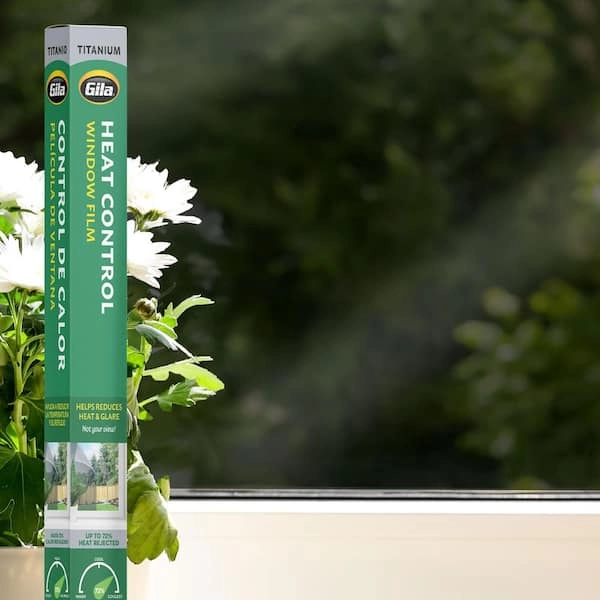
One popular way to reduce heat gain is reflective or tinted window films. These adhesive films work by reflecting infrared light and UV rays before they enter your home, cutting down on solar heat gain without blocking your view completely.
- Benefits: Reduces heat and glare, protects furniture from fading, cheaper than full glass replacement
- Considerations: Needs proper installation; some film types can slightly darken rooms
For more on aluminum foam and reflective coatings, see our guide on aluminum foil materials.
Thermal Curtains and Blinds
Heavy or thermal-lined curtains and blinds add insulation by blocking heat from windows. They trap heat outside during hot days and keep warmth inside during cold months, offering a year-round advantage.
- Advantages: Easy to install, provides privacy, improves room aesthetics
- Drawbacks: May limit the amount of natural light entering rooms
External Shading Options Including Awnings and Shutters
Shading devices on the exterior of windows stop much of the sunlight before it hits your glass. Options like awnings, shutters, or outdoor blinds are highly effective:
- Awnings: Extend over windows to block direct sun; come in fixed or retractable types
- Shutters: Can be closed or angled to control light and airflow while blocking heat
- Benefits: Protect windows from UV damage, reduce cooling loads significantly, add curb appeal
- Limitations: Installation can be more involved and may be pricier upfront
Energy Efficient Window Replacements
For a long-term, permanent solution, energy-efficient windows with low-emissivity (Low-E) coatings and double or triple glazing offer the best heat control. These windows reflect infrared heat and reduce conductive and convective heat loss or gain.
- Pros: Significant energy savings, increased home value, improved comfort
- Cons: Higher initial cost and professional installation needed
Heat Control Products Available at Artfullife Supermarket
At Artfullife, customers in the U.S. will find a wide range of heat control products designed for DIY solutions and professional upgrades:
- Various grades and rolls of aluminum foil perfect for window heat reflectors
- Reflective tapes and installation accessories for neat, durable setups
- Tinted and reflective window films for easy application
- Thermal curtains and blinds tailored for American homes
- Innovative shading and window accessories for exterior heat blocking
Buying locally at Artfullife means quick access to quality heat blocking products with expert advice on installation and usage tailored to hot U.S. climates. Check out the selection and shop for your heat control needs today to start saving on energy and
Real User Testimonials and Comparisons on Aluminum Foil Window Heat Blocking
When it comes to aluminum foil on windows to keep heat out, many homeowners in the U.S. have shared straightforward feedback based on their real experiences. Here’s a quick look at what users say and how it stacks up against other heat-blocking methods.
What Users Are Saying About Aluminum Foil for Heat Control
- Effective at reducing heat gain: Many users report a noticeable drop in indoor temperature, especially during peak sunlight hours. They appreciate how aluminum foil reflects sunlight before it even hits the glass, cutting down on solar heat gain.
- Cost-effective and simple: The top highlight is how cheap and easy it is to install compared to pricey window films or energy-efficient glass replacements. People like that they don’t need special tools or professional help.
- Light blocking can be a downside: Several reviewers mention the obvious aesthetic trade-off since aluminum foil blocks most visible light, making rooms darker. Some find this an acceptable compromise during extreme heat waves.
- Temporary but practical: Users see it mostly as a short-term or emergency solution—great for quick heat control but not something they want as a permanent fix.
Comparing Aluminum Foil with Other Heat Blocking Solutions
- Window Films: While window films offer better aesthetics and allow some natural light, they come with a higher price tag and often require professional installation. Some users report that reflective window films don’t block as much radiant heat as aluminum foil does.
- Thermal Curtains and Blinds: Curtains help with insulation and light control but don’t reflect radiant heat as effectively. Users combine thermal curtains with aluminum foil for improved results.
- External Shading (Awnings and Shutters): These options prevent sunlight from hitting windows directly, which can be more effective and visually pleasing. But they are usually more expensive and not always feasible for renters.
- Energy-Efficient Window Replacements: Long-term and costly, these offer the best overall heat control and indoor comfort. Yet, many users find aluminum foil a great low-cost alternative while saving for these upgrades.
of User Preferences
- Aluminum foil is praised for its price and efficiency in reflecting heat but is less popular when it comes to appearance and natural daylight.
- Users often use aluminum foil as part of a larger indoor heat management strategy, pairing it with curtains or blinds.
- For those needing a quick, low-cost fix that reduces energy bills by lowering air conditioning use, aluminum foil remains a trusted DIY option.
Overall, real user feedback confirms aluminum foil as a valuable and practical tool for those focused on simple, affordable heat blocking without upfront investment or complicated setup.
Where to Buy Quality Aluminum Foil on Windows to Keep Heat Out and Heat Control Products
When looking for top-quality aluminum foil for windows to keep heat out, Artfullife is your go-to supermarket supplier. They offer a wide range of aluminum foils, including standard, heavy-duty, and industrial-grade types, perfect for reflecting solar heat and reducing indoor temperatures. Besides foils, Artfullife stocks specialized adhesive tapes designed for easy, secure installation on your window frames, making your DIY heat control project hassle-free.
Artfullife’s Heat Control Product Range
- Multiple aluminum foil types suited to different window sizes and heat blocking needs
- Reflective tapes and dispensers crafted to maintain a neat, durable setup
- Alternative heat control products such as thermal curtains, window films, and shades to complement or replace foil solutions
Buying locally from Artfullife means faster delivery, easy returns, and access to expert advice. Their products suit a variety of budgets, from quick temporary fixes to longer-term energy-saving setups.
Why Choose Artfullife for Your Window Heat Blocking Needs
- Local availability ensures stock ready when you need it—no long waiting times
- Competitive pricing on bulk and retail aluminum foil and accessories
- Expert consultation to help pick the right foil type and installation method for your home
- Special offers and seasonal deals to help you reduce your cooling costs affordably
Ready to make your windows work for you this summer? Shop now at Artfullife to get reliable, affordable aluminum foil and other heat control products. Take advantage of their expert support and start cutting down your air conditioning bills today!
For more on choosing the right aluminum foil, check out Artfullife’s range of heavy duty and regular aluminum foils and learn about their various uses.