
















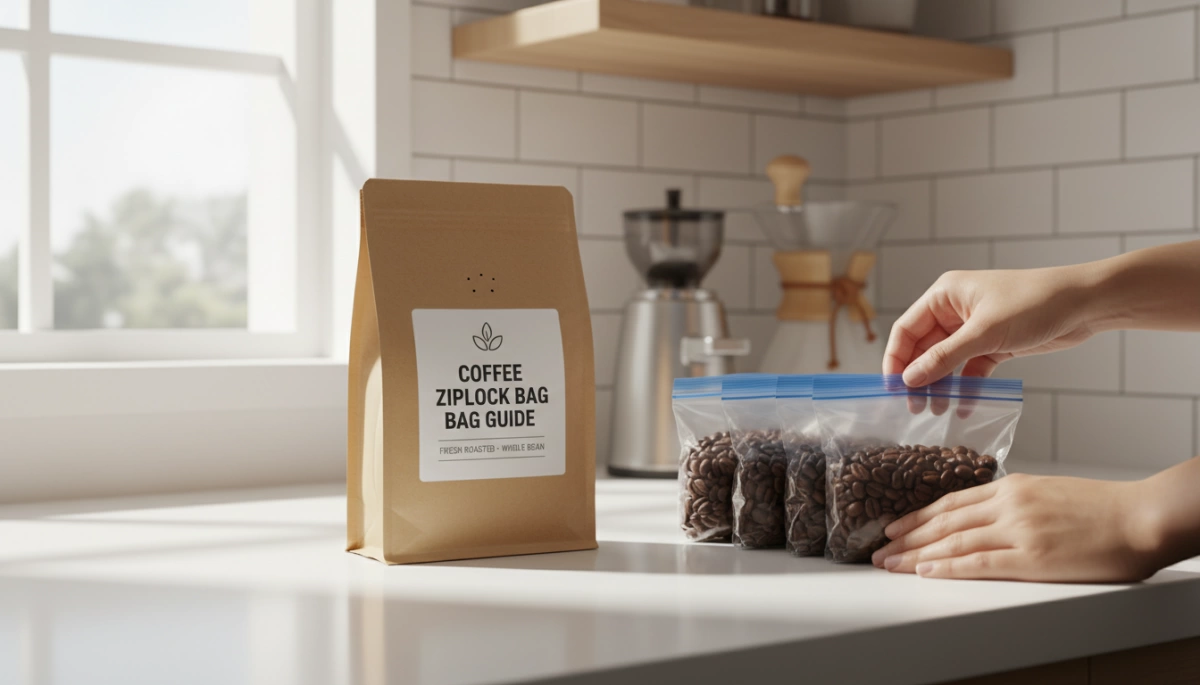
Why Coffee Ziplock Bags Are Essential for Freshness
For coffee roasters and consumers alike, the battle against staling begins the moment beans leave the cooling tray. High-quality packaging is not just a vessel; it is a preservation system. Coffee ziplock bags serve as the primary defense line, ensuring that the complex flavor profiles and aromatics developed during roasting remain intact until the final brew. Without a reliable resealable mechanism, coffee rapidly loses its character, turning flat and stale within days of opening.
The Role of Resealable Closures in Preserving Aroma
The aroma of coffee is volatile. Once a package is breached, the clock starts ticking. Resealable closures are critical for extending the usable life of the product by minimizing air exchange after the initial opening.
High-performance zippers, such as standard press-to-close or advanced pocket zippers, allow consumers to create an airtight seal repeatedly. This functionality traps volatile organic compounds (VOCs) inside the bag, ensuring that the rich scent greets the customer every time they reach for their morning cup. For roasters, investing in quality zippers means protecting brand reputation by delivering a consistent sensory experience from the first scoop to the last.
Protecting Against Oxidation, Light, and Moisture
Coffee beans are highly susceptible to environmental factors. To maintain peak freshness, packaging must provide a robust moisture barrier and shield against UV light and oxygen.
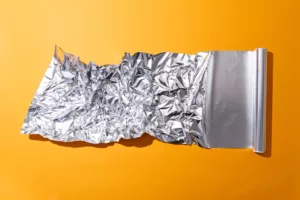
- Oxidation: Oxygen is the primary enemy of freshness, causing oils in the coffee to turn rancid. Multi-layer structures using Aluminum Foil or VMPET (metalized PET) create an impermeable wall against oxygen ingress.
- Moisture: Humidity can ruin coffee texture and encourage mold growth. High-barrier films prevent ambient moisture from penetrating the bag.
- Light: UV rays degrade coffee oils and accelerate staling. Opaque materials or metalized linings are essential for blocking light, unlike clear containers which offer no protection.
Understanding One-Way Degassing Valves vs. Ziplock Seals
A common misconception is that a ziplock alone is sufficient for fresh coffee. However, a complete packaging solution requires the synergy between a ziplock seal and a one-way degassing valve.
Freshly roasted coffee releases carbon dioxide (CO2) in a process called degassing. If a bag is completely sealed without a vent, this gas build-up can cause the package to bloat or even burst. The one-way degassing valve allows this CO2 to escape without letting oxygen enter. The ziplock functions separately to reseal the bag after the consumer opens it. Together, they form a comprehensive system: the valve manages internal pressure during shelf life, while the zipper manages freshness during consumption.
Common Types of Coffee Ziplock Bag Structures
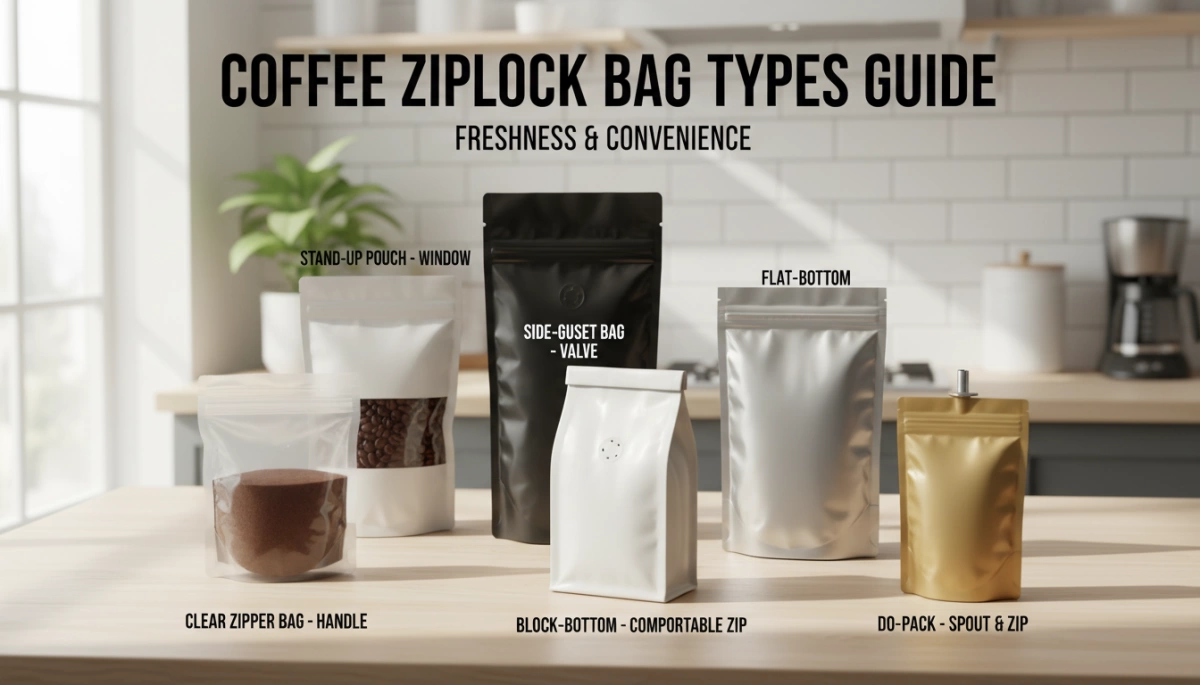
Selecting the right shape is about balancing shelf appeal with functionality. As a manufacturer, we see how different structures impact both the branding real estate and the consumer’s experience. Here is a breakdown of the most effective structures we supply to roasters.
Stand-Up Pouches (Doypack) with Zippers
The stand-up pouch is the industry standard for a reason. Featuring a bottom gusset that expands when filled, these bags stand upright on retail shelves, ensuring your brand is always visible.
* **Visibility:** Excellent front-facing display area.
* **Usability:** Standard press-to-close zippers make them easy for customers to reseal.
* **Capacity:** Ideal for standard 12 oz and 1 lb retail sizes.
Flat-Bottom and Box Bottom Bags
For a premium aesthetic, flat-bottom bags (also known as box bottom bags) are the top choice. They mimic a box shape, providing a completely flat base that offers superior stability.
* **Branding:** Offers five printable surfaces (front, back, bottom, and two side gussets).
* **Efficiency:** The square shape packs densely in shipping cartons, reducing wasted space.
* **Structure:** Holds its shape well on the shelf, even as the coffee is consumed.
Side-Gusseted Bags with Integrated Resealable Strips
This is the traditional “coffee bag” look. The sides expand to accommodate bulkier volumes, making them efficient for storage. While older versions relied on tin ties, modern manufacturing allows us to integrate **pocket zippers** or resealable strips directly into the bag. This upgrade ensures a tight seal to maintain the **moisture barrier** without the hassle of folding and taping.
Quad-Seal and Stabilo Bags
Quad-seal bags are similar to side-gusseted bags but feature seals on all four corners. This reinforcement gives the bag a more rigid structure that holds its shape better than a standard gusseted bag. The distinct side seals allow for uninterrupted graphics on the front and back panels, giving your packaging a sleek, professional finish that stands out in a crowded market.
Key Material Options for Coffee Packaging
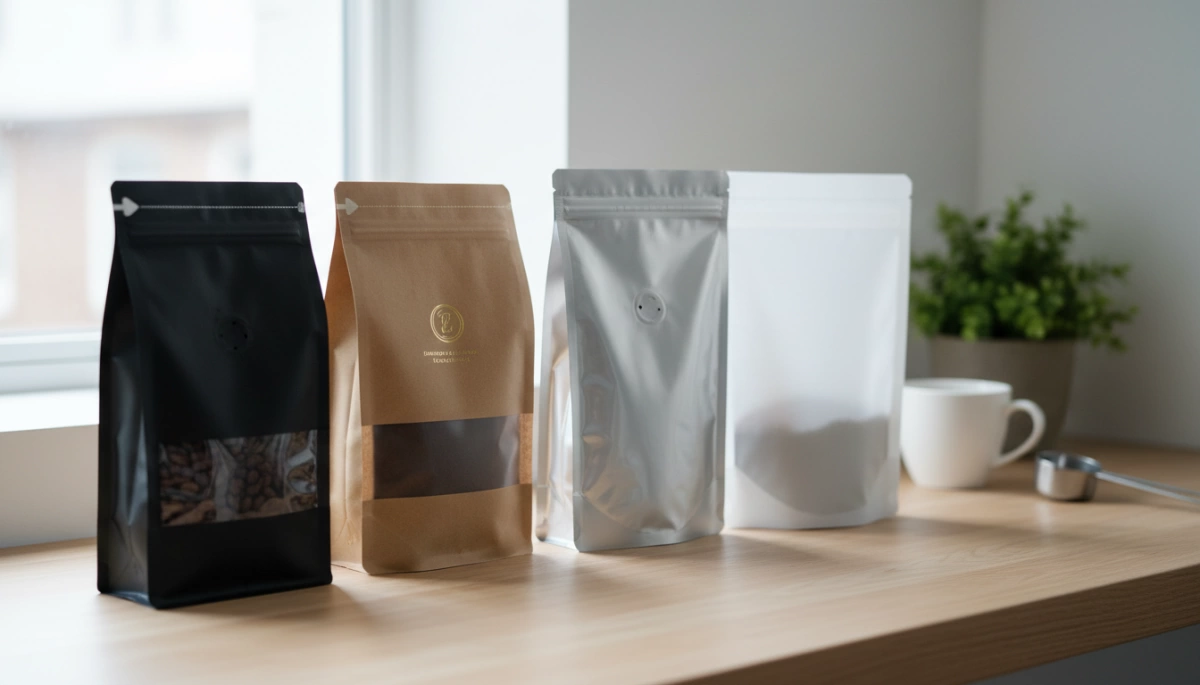
Selecting the right material is the most critical decision in our Coffee Ziplock Bag Guide. The material structure dictates not only the aesthetic appeal of the bag on the shelf but also its ability to maintain a robust moisture barrier and prevent oxidation. We utilize specific laminates to ensure the coffee inside remains as fresh as the day it was roasted.
Multi-Layer Composite Films for Maximum Barrier
For the highest level of protection, we engineer bags using multi-layer composite films. A single layer of plastic is rarely enough to stop oxygen ingress. Instead, we laminate several distinct materials together to create a shield.
Common structures include:
- MOPP (Matte BOPP): Provides a premium matte finish and excellent printability.
- VMPET (Metalized PET): Acts as a high-barrier layer against light and oxygen, similar to foil but more cost-effective.
- PE (Polyethylene): The inner food-grade layer that allows the bag to heat seal securely.
Kraft Paper Bags with Ziplock Liners
Kraft paper is a top choice for roasters aiming for an organic, artisanal look. However, paper alone is porous and cannot preserve coffee. To solve this, we laminate the Kraft paper with an inner lining of foil or VMPET and a sealing layer of PE. This combination gives you the natural texture of paper on the outside while maintaining a high-performance barrier on the inside to lock in aromatics.
Aluminum Foil vs. Metal-Free Protection
When deciding between aluminum foil and metal-free options, the choice often comes down to shelf-life requirements versus marketing goals.
| Feature | Aluminum Foil (AL) | Metal-Free (VMPET/Clear) |
|---|---|---|
| Barrier Quality | Ultimate protection against light, moisture, and O2. | High protection, sufficient for most retail turnovers. |
| Appearance | Opaque, metallic feel. | Can allow for material transparency (windows). |
| Flexibility | Rigid, holds shape well (dead-fold). | More flexible, softer feel. |
Eco-Friendly, Compostable, and Recyclable Alternatives
Sustainability is reshaping the coffee industry. We offer sustainable materials that do not compromise on barrier performance. Our recyclable pouches are typically made from mono-materials (like LDPE) which can be processed in standard recycling streams, unlike complex multi-layer laminates. Alternatively, compostable options utilizing PLA (Polylactic Acid) derived from cornstarch provide a biodegradable solution. Working with a specialized ziploc bags manufacturer allows you to access these advanced eco-materials that meet both environmental standards and strict food safety regulations.
Choosing the Right Size for Your Coffee Bags
Selecting the correct bag capacity is about more than just volume; it determines your shelf presence, shipping costs, and customer convenience. Whether you are targeting home brewers or wholesale cafe accounts, the size of your coffee storage container dictates the material strength and zipper type required.
Standard Sizes: 8 oz, 12 oz, and 1 lb Options
For the retail market in the United States, the 12 oz (340g) bag is the industry standard for specialty coffee. It offers a perfect balance between price point and consumption rate, ensuring beans are used up before they stale.
- 8 oz (227g): Ideal for expensive micro-lots or limited-edition roasts where a lower price point is necessary.
- 12 oz (340g): The “Goldilocks” size for most specialty roasters.
- 16 oz (1 lb / 454g): Preferred by value-conscious consumers and families.
We often recommend Flat Bottom or Stand-Up Pouches for these sizes to maximize shelf visibility.
Bulk Packaging Sizes for Roasteries (5 lb and Above)
When supplying cafes, restaurants, or office breakrooms, durability is the priority. Bulk bags, typically ranging from 2 lbs to 5 lbs (and up to 5kg), require thicker laminate structures to support the weight of the beans without bursting.
For these large formats, a high-quality ziplock is crucial. It allows baristas to open and reseal the bag repeatedly during service, maintaining a moisture barrier that protects the remaining beans. Side gusset bags are the most common choice here due to their efficient storage shape.
Single-Serve and Sample Size Sachet Options
Sample sizes are powerful marketing tools for subscription boxes and promotional events. These small recyclable pouches typically hold between 1.5 oz to 4 oz of coffee—enough for one or two pots.
| Capacity | Best Application | Recommended Style |
|---|---|---|
| 1.5 oz – 2 oz | Single-pot samples, event giveaways | 3-Side Seal Flat Pouch |
| 4 oz | Gift sets, “taster” packs | Small Stand-Up Pouch |
| 5 lb+ | Wholesale, food service | Side Gusset / Quad Seal |
Using a 3-side seal flat pouch for samples reduces material usage and shipping bulk, making it a cost-effective way to get your product into new hands.
Essential Features and Customizations
Creating the perfect packaging goes beyond just picking a size. In this part of our Coffee Ziplock Bag Guide, we break down the specific add-ons that transform a standard pouch into a high-performance storage solution. These features ensure your product handles the rigors of shipping while maintaining peak freshness on the shelf.
One-Way Exhaust Valves for Freshly Roasted Beans
If you are packaging freshly roasted coffee, a one-way degassing valve is non-negotiable. Fresh beans release carbon dioxide (CO2) for days after roasting. Without a valve, this gas builds up inside the sealed bag, causing it to bloat and potentially burst.
Our valves function by allowing CO2 to escape while preventing oxygen from entering. This maintains the integrity of the bag and protects the coffee from oxidation, which is the primary enemy of flavor. This simple component is the difference between a bag that looks professional and one that looks like a balloon.
Tear Notches and Easy-Open Zippers
Convenience drives repeat purchases in the US market. We equip our bags with precise tear notches located just above the zipper line. This allows customers to open the package cleanly by hand, without needing scissors or destroying the bag header.
Once opened, the resealable zipper is critical. We offer standard press-to-close zippers and pocket zippers (pull-tab) that provide a tactile, secure seal. A high-quality zipper ensures that the moisture barrier remains effective after the first use, keeping the beans from going stale in the customer’s pantry.
Transparent Viewing Windows vs. Opaque Barriers
Choosing between visibility and protection is a common dilemma. Here is a quick comparison to help you decide:
| Feature | Transparent Window | Opaque (Foil/Metallized) |
|---|---|---|
| Visibility | High material transparency lets customers see the bean quality. | Zero visibility; relies on package design. |
| UV Protection | Low; light accelerates degradation. | Maximum protection against UV light. |
| Barrier Strength | Moderate; window area has lower barrier properties. | High; often uses aluminum or VMPET layers. |
| Best For | High-turnover retail items where visual appeal is key. | Long-term storage and premium roasts. |
For the highest level of protection, opaque bags often utilize certified materials similar to those found in top-tier aluminum foil manufacturing standards, ensuring zero light penetration.
Branding and Labelling for Professional Appeal
Your bag is your billboard. We support full-service customization, including rotogravure and digital printing, to make your brand pop. Whether you prefer a tactile matte finish that feels organic or a glossy finish that highlights vibrant colors, the print quality reflects the quality of the coffee inside.
For smaller runs or seasonal blends, many roasters opt for plain stock bags (Kraft or Matte Black) and apply custom pressure-sensitive labels. This allows for flexibility without committing to the high Minimum Order Quantities (MOQs) associated with fully printed cylinders.
Best Practices for Coffee Storage and Usage
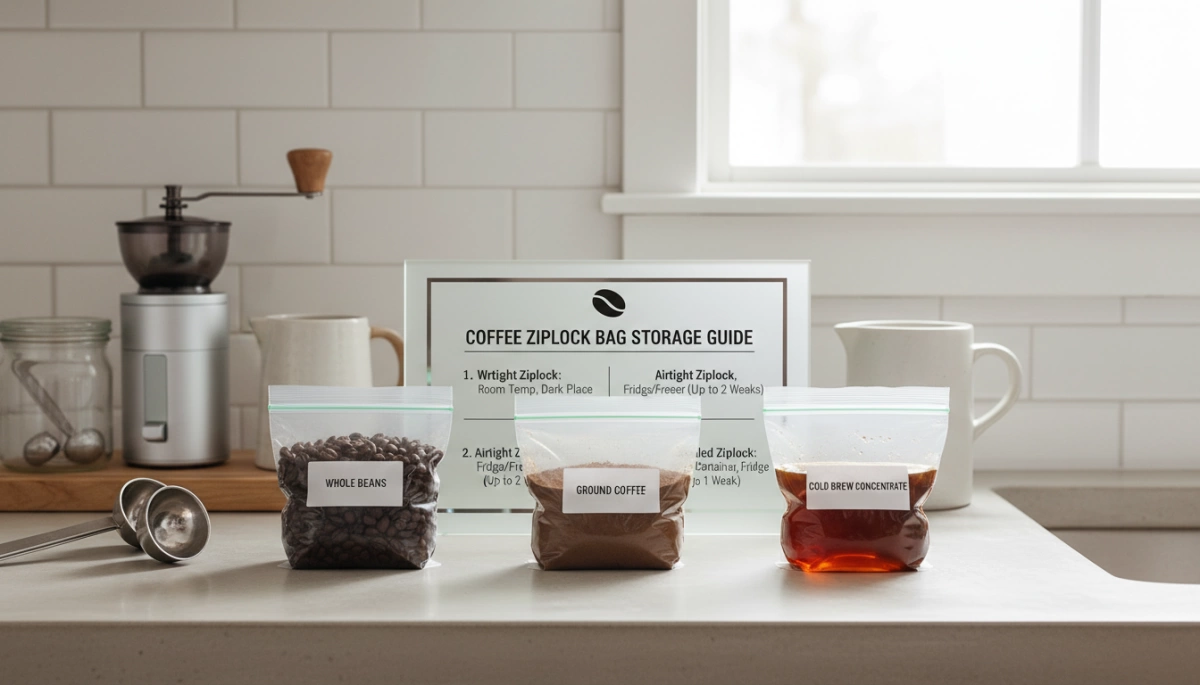
Even with the highest quality packaging, how the end-user handles the product impacts the final cup. As manufacturers, we design our bags to be the ultimate coffee storage container, but educating customers on proper storage habits ensures they get the most out of every roast.
Storing Whole Bean vs. Pre-Ground Coffee
Whole beans and pre-ground coffee behave differently inside the package. Whole beans continue to release carbon dioxide for days after roasting, which is why we integrate one-way degassing valves into our ziplock bags. This allows gas to escape without letting air in.
Pre-ground coffee, however, has a much larger surface area exposed to oxygen, making it go stale significantly faster. For ground coffee, the priority is an immediate, airtight seal. We recommend keeping the coffee in its original high-barrier bag rather than transferring it to a clear canister, as our opaque materials (like VMPET and Aluminum Foil) block light that degrades oils.
Managing Temperature and Humidity Post-Purchase
The four enemies of coffee are heat, light, oxygen, and moisture. Our multi-layer bags provide a robust moisture barrier, but external storage conditions still matter.
- Avoid the Fridge: Storing coffee in the refrigerator can cause condensation to form inside the bag when it is taken out, ruining the beans.
- Cool and Dry: The best spot is a pantry or a cool, dark cabinet away from the oven or sunlight.
- Material Matters: Understanding the specific materials used in food storage bags production helps in realizing why our multi-layer films are superior to simple paper bags for blocking ambient humidity.
How to Properly Use Ziplock Seals to Extend Shelf Life
The ziplock is the first line of defense after the factory seal is broken. To maximize freshness, users should not just close the bag, but actively manage the air inside.
- Squeeze the Air Out: Before sealing, press down on the bag to evacuate as much excess air (headspace) as possible through the valve or open top.
- Align the Tracks: Ensure the zipper tracks are perfectly aligned. Our high-quality zippers provide a tactile “snap” or click to confirm closure.
- Keep the Valve Clear: Ensure no coffee grounds are blocking the degassing valve or the zipper tracks, as this can compromise the seal integrity.
Buying Guide: Selecting the Best Supplier and Machine
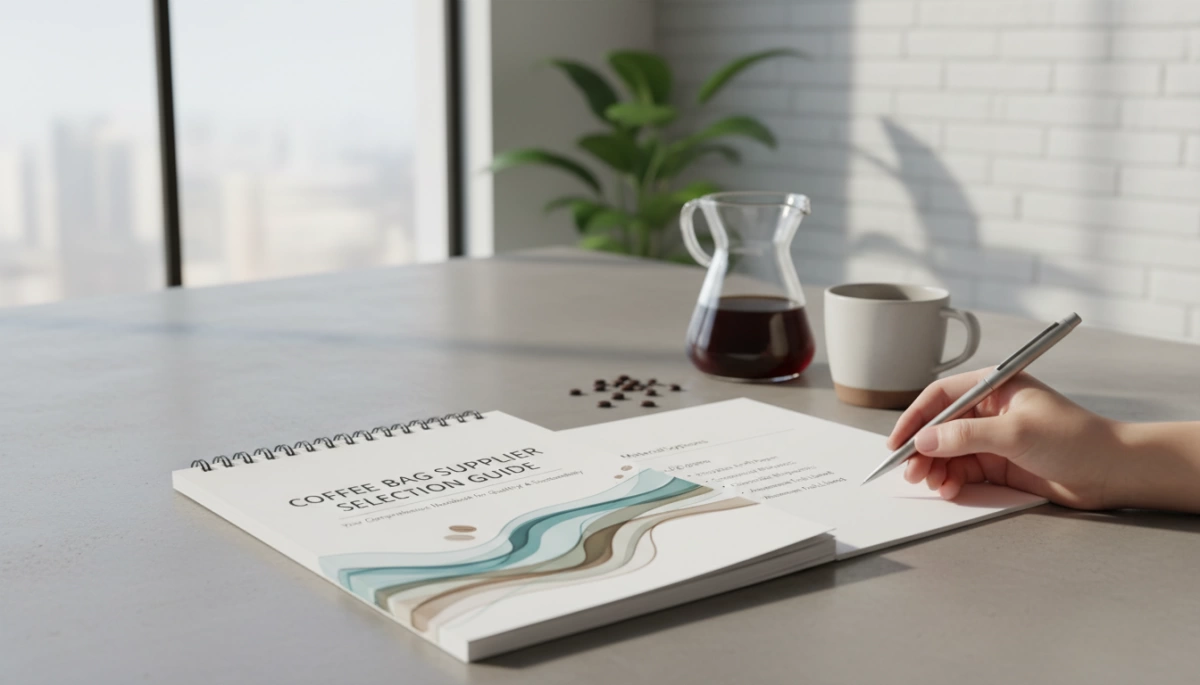
Matching Bag Style to Your Filling Equipment
When sourcing packaging, compatibility with your filling machinery is just as critical as the bag design itself. Not every **coffee storage container** format works with every machine. If you are using automated filling equipment, **stand-up pouches** are often the most compatible choice due to their wide openings and stable bases. Conversely, side-gusset bags may require specialized chutes or manual handling to ensure the gussets don’t fold incorrectly during the sealing process. Always confirm the zipper placement—standard press-to-close zippers are easier for semi-automatic fillers, while pocket zippers might require specific machine adjustments to avoid jamming.
Factors Influencing Wholesale Costs and Minimum Orders
Pricing in the flexible packaging industry is driven by material choice, bag dimensions, and print complexity. Opting for **sustainable materials** or **recyclable pouches** often carries a different price point than standard multi-layer laminates.
* **Printing Method:** Digital printing usually allows for lower Minimum Order Quantities (MOQs), making it ideal for small batch roasts, whereas gravure printing offers lower per-unit costs but requires higher volume commitments.
* **Material Structure:** The number of layers (e.g., MOPP/VMPET/PE) impacts cost. Understanding the nuances of [plastic zip lock bag structures](http://65.21.89.238/news/plastic-zip-lock-bags/) can help you select a material that balances budget with barrier performance.
* **Add-ons:** Features like high-quality degassing valves and tear notches add value but also influence the final quote.
Evaluating Manufacturer Certifications and Quality Standards
Reliability is non-negotiable when protecting a perishable product like coffee. You need a supplier who offers full **material transparency**, ensuring that every layer in contact with your beans is food-grade and safe. Ask for technical data sheets that verify the **moisture barrier** and oxygen transmission rates. A reputable manufacturer should be able to provide samples for you to test the seal strength and valve performance under real-world conditions. Prioritize suppliers who view packaging as a science, offering consistent quality that prevents bag bursts and preserves freshness from the roastery to the customer’s kitchen.
Frequently Asked Questions About Coffee Ziplock Bags
Can I reuse coffee bags with ziplocks?
Technically, yes. The high-quality zippers we manufacture are designed for durability and repeated access, meaning the mechanical seal remains effective long after the original beans are gone. However, from a quality standpoint, reusing a bag for a different roast isn’t always ideal. Coffee oils tend to cling to the inner lining, which can turn rancid over time and affect the flavor of a fresh refill. If you do reuse them, it is best to stick to the same type of bean or use the bag for non-food storage. The reliability of our [zip locking mechanisms](http://65.21.89.238/news/zip-locking/) ensures the seal stays tight, protecting contents from spills and air exposure during secondary use.
Is a ziplock enough to keep coffee fresh without a valve?
For freshly roasted coffee, a ziplock alone is not sufficient. While the zipper is excellent at creating a **moisture barrier** and keeping oxygen out, it does not address the carbon dioxide (CO2) that roasted beans naturally release. Without a one-way degassing valve, that trapped gas will cause the bag to bloat and potentially burst. A comprehensive **Coffee Ziplock Bag Guide** will always recommend pairing a resealable zipper with a degassing valve. The valve lets CO2 escape without letting air in, while the ziplock allows the customer to reseal the package after opening to maintain freshness.
Are there biodegradable ziplock options available?
Yes, the industry has shifted significantly toward **sustainable materials**. We offer eco-friendly alternatives that replace traditional plastic laminates with compostable materials like PLA (Polylactic Acid) and Kraft paper. These bags function just like standard pouches but are designed to break down under specific composting conditions. While **recyclable pouches** and compostable options are great for the environment, it is important to verify that the barrier properties match your shelf-life requirements, as natural films sometimes offer different protection levels compared to aluminum-lined bags.