
















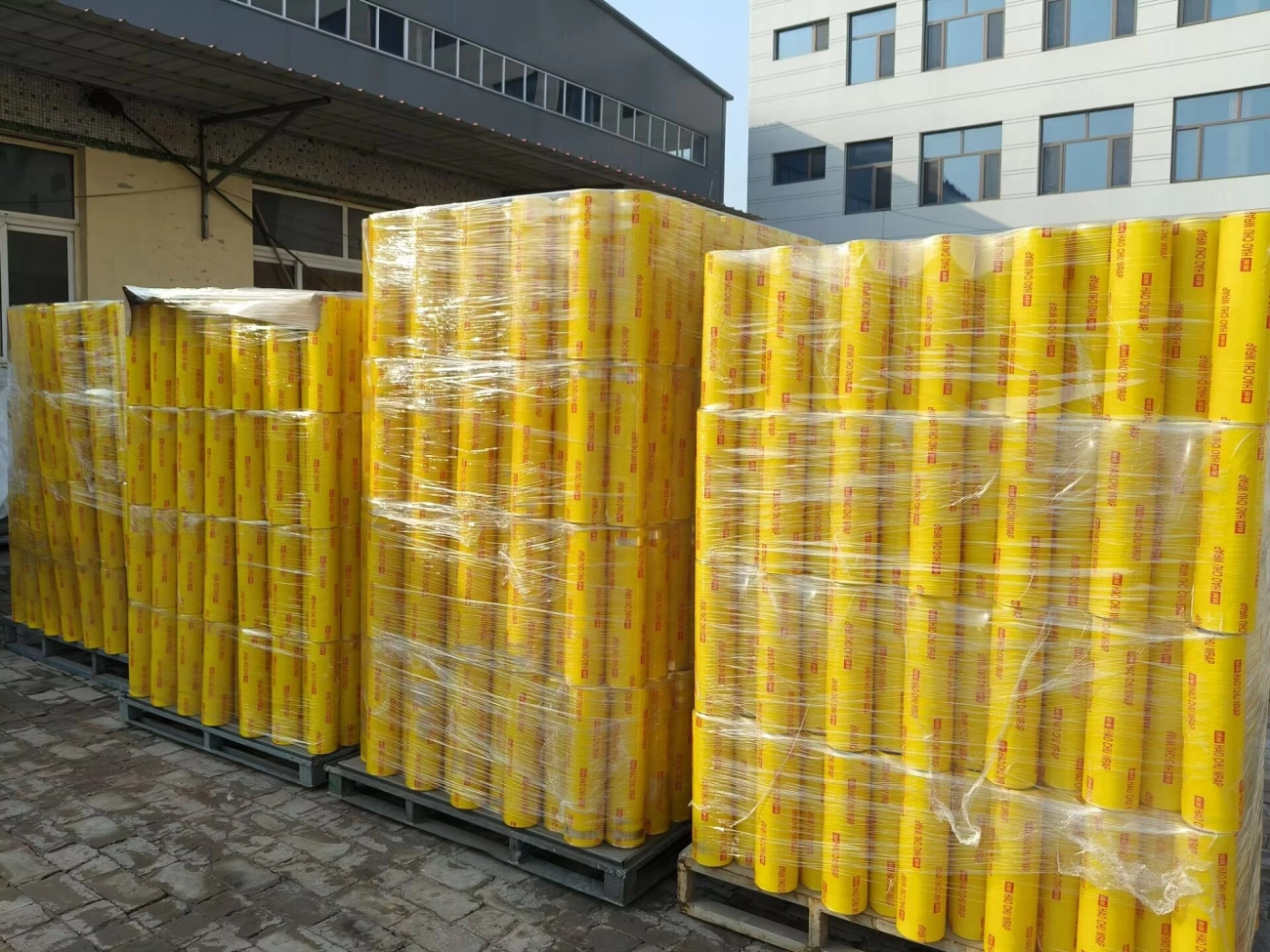
Key Requirements for Cling Film in Food Retail
When I choose food retail cling film for a supermarket, deli, or grocery store, I look at six core requirements: food safety, performance, breathability, ease of use, equipment fit, and hygiene. If any of these fail, you see it fast on the shelf and in your shrink.
Food Safety and Compliance
Your food grade plastic wrap must be legally clean and safe, not just “looks okay.”
Non‑negotiables I require:
- FDA compliant for direct food contact (21 CFR)
- EU food contact compliant if you run imports/private label
- BPA‑free, phthalate‑free, low migration formulations
- Clear documentation: Declarations of Compliance (DoC) and Certificates of Analysis (CoA)
| Checkpoint | What I Demand in a Supplier |
|---|---|
| Regulations | Clear FDA / EU food contact statement |
| Heavy metals / plasticizers | Written confirmation of limits or absence |
| Lot traceability | Batch codes on every supermarket cling film roll |
Performance: Cling, Stretch, Puncture Resistance
In daily retail use, your wrap has to keep up with your team, not slow them down.
Key specs I focus on:
- Strong cling: film sticks to trays and itself without tape
- Good stretch: wraps odd shapes without whitening or tearing
- High puncture resistance: bones, crusty bread, and sharp corners don’t break through
For retail deli film and meat wrapping film, I usually specify:
- PVC cling film or tough PE cling film roll
- Medium–high tack for tight, secure wrapping in busy counters
Breathability vs. Airtight Seal
Different departments need different behavior from the same food packaging film.
-
Produce wrapping film:
- Slightly breathable to reduce sweating and mold
- Good for fresh herbs, leafy greens, and cut fruit
-
Meat and seafood wrap:
- More airtight, often high barrier food film
- Helps color retention, slows drip and odor
-
Bakery display wrap:
- Balanced breathability so bread doesn’t go soggy
- Tight enough to keep that “just baked” look
Ease of Use: Dispensers and Cutter Boxes
In a high‑volume store, ease of use is a cost issue, not a comfort issue.
I make sure our commercial cling wrap works smoothly with:
- Cling film dispensers on prep tables
- Commercial cling wrap cutter boxes for back‑of‑house
- High‑volume wrapping stations in meat and deli
Look for:
- Rolls that unwind smoothly, no telescoping
- Cutter bars that give clean, straight cuts
- Core sizes that match your existing cling film dispenser
Compatibility With Store Equipment
Your food packaging film must fit the equipment you already own.
I always check:
- Roll widths and diameters fit automatic and semi‑automatic wrappers
- Correct core size for existing racks and machines
- Suitable film type: PVC vs PE cling film based on heat bars, tension, and cutting style
If the film doesn’t match your machines, you pay in downtime, training, and waste.
Hygiene and Cross‑Contamination Control
Cling film is a frontline tool for hygiene and food safety in retail.
My basic hygiene rules:
- Use single‑use wrap practices only—never reuse film
- Separate rolls by zone: raw meat, ready‑to‑eat, bakery, produce
- Store rolls in covered holders, away from splash zones
- Train staff to avoid touching the food side of the film
| Area | Film Practice |
|---|---|
| Raw meat | Dedicated meat wrapping film, color coded |
| Deli ready‑to‑eat | Separate retail deli film roll |
| Bakery | Clean, dry station; no shared meat wrap |
When these requirements are locked in, your supermarket cling film works the way it should: safer food, better display, faster prep, and less waste.
Types of Food Retail Cling Film
When I choose food retail cling film for a store, I always start with the material. Each type behaves differently on the counter, in the case, and in the customer’s fridge. Here’s how I break it down.
PVC Cling Film for Supermarkets
PVC supermarket cling film is still the workhorse in many U.S. delis and meat rooms because it’s:
- Very clear and glossy – great for high‑clarity food film displays
- High cling and stretch – hugs trays tightly, ideal meat wrapping film and deli counter plastic wrap
- Good breathability – helps fresh meat keep a bright color in open cases
Key safety points I always look for:
- Food‑grade, BPA‑free, phthalate‑compliant formulations
- FDA approved cling film or EU food contact compliant film status clearly stated
- Documented low migration food contact film test reports from the supplier
PVC is strong and cost‑effective, but I avoid it where local rules or brand standards lean hard into “PVC‑free” or stricter chemical policies.
PE Cling Film in Food Retail
PE cling film rolls are my go‑to when:
- The store wants PVC‑free or simpler recycling messaging
- We need better performance in freezer safe food film applications
- There’s more focus on microwave safe cling film use at home
Pros:
- Naturally BPA‑free, no plasticizers required
- Good for produce wrapping film and light bakery display wrap
- Often easier to position as recyclable cling film where local programs accept it
Compared to PVC, PE usually has:
- Slightly less “auto‑cling” and stretch
- Softer feel, often better for commercial kitchen plastic wrap back‑of‑house use
PVDC and High‑Barrier Food Films
For meat, seafood, and high‑value items, I look at PVDC or other high‑barrier food film when:
- We need oxygen barrier cling wrap to slow browning and spoilage
- Products sit longer in chilled display or go through distribution before hitting the case
Use cases:
- Premium steaks, marinated meats, and high‑end seafood
- Ready‑to‑eat items that must hold color and juices longer
These are usually more expensive, but they can extend shelf life enough to offset shrink and waste. For a deeper material breakdown, I often reference technical overviews similar to this guide on the key materials used in commercial cling film: what are the key materials used in commercial cling film.
Compostable Cling Wrap Options
For eco‑focused retailers, compostable cling wrap can work in:
- Small artisan deli setups
- Natural and organic grocers
- Specialty sustainable deli packaging programs
What I insist on:
- Clear compostable food packaging film certifications (ASTM D6400, EN 13432)
- Realistic messaging: “compostable in industrial facilities,” not backyard, unless proven
- Field testing on puncture resistant wrap performance with bread, produce, and light deli items
They still can’t match PVC on stretch and toughness, so I use them where loads are lighter and the brand story justifies the trade‑offs.
Bio‑Based and Recyclable Cling Film
Bio‑based cling film and sustainable plastic wrap made from plant‑derived resins or mass‑balance programs help hit ESG targets without completely changing performance.
Why I like them for U.S. grocery stores:
- Let you position as eco‑friendly cling film while keeping good clarity and cling
- Can be combined with recyclable cling film messaging where infrastructure exists
- Good fit for eco‑friendly supermarket packaging and private‑label “green” programs
Always confirm:
- Actual bio‑based content (e.g., certified percentage)
- Compatibility with existing cling film dispenser setups and cutter boxes
How Material Impacts Shelf Life and Freshness
The cling film material directly affects food shelf life and freshness:
-
PVC cling film
- Breathable, keeps fresh meat looking bright
- Good for short‑term display in open cases
-
PE cling film
- Lower barrier, great for produce wrapping film where some gas exchange is helpful
- Solid for daily turnover items
-
High‑barrier PVDC or specialty films
- Longer shelf life for meat wrapping film, seafood, and premium items
- Helps reduce purge, odor transfer, and freezer burn
-
Compostable and bio‑based options
- Shelf life often close to standard PE, but I always test them on actual store products
- Best used where speed of sale is high and the sustainability story drives value
In practice, I don’t pick “one best” food retail cling film. I match PVC, PE, high‑barrier, or sustainable wraps to the department, turnover speed, and brand promise of each store.
Cling Film Specs That Really Matter in Food Retail
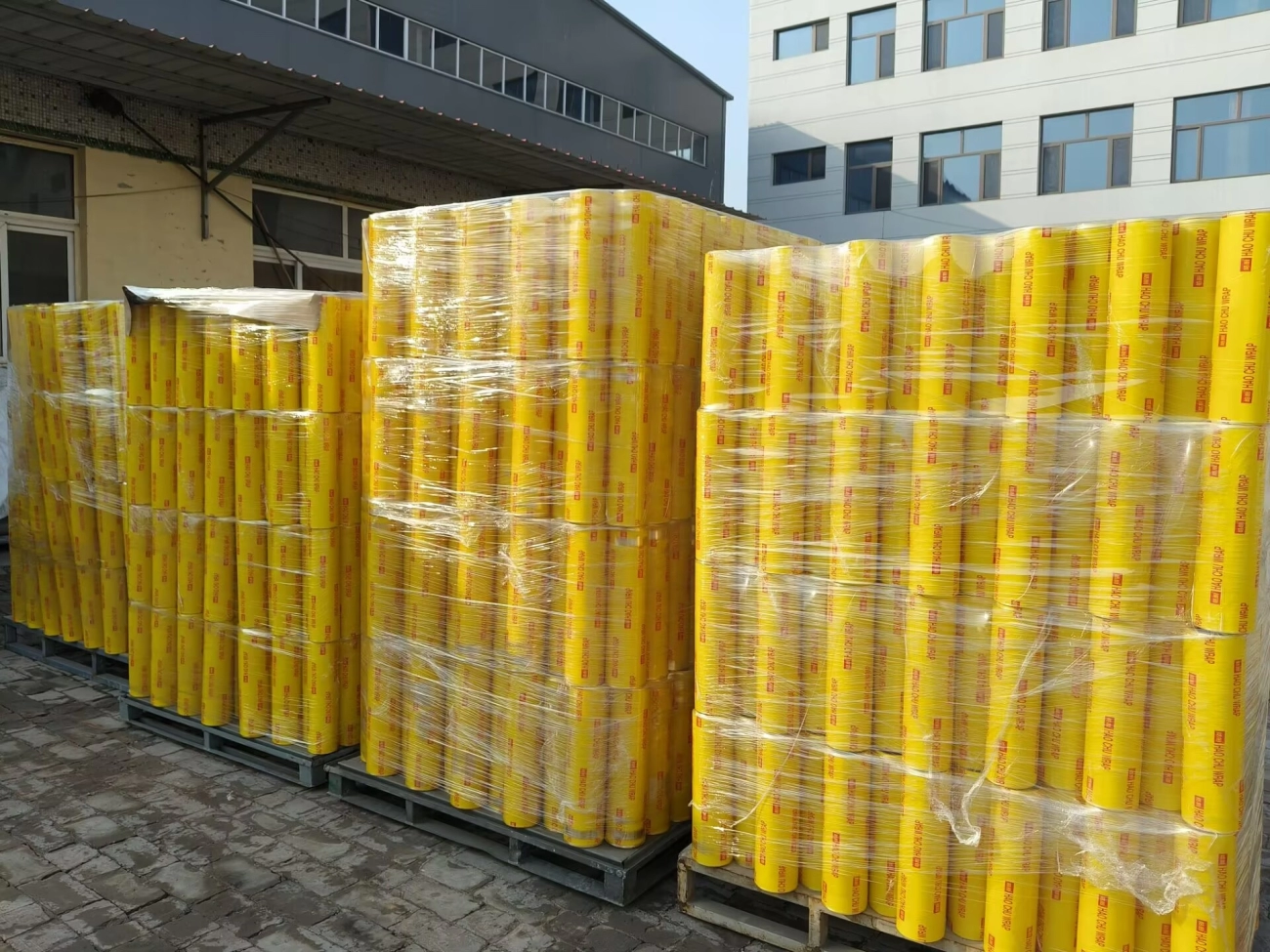
When I’m choosing food retail cling film for supermarkets or delis, I don’t start with price—I start with specs. These details decide if the film actually works on the counter, in the case, and in front of the customer.
Thickness (micron/gauge) for retail use
For most supermarket cling film jobs in the U.S.:
- 8–10 micron (≈ 30–40 gauge) – light wraps, produce, short display time
- 10–12 micron (≈ 40–50 gauge) – deli, bakery, prepared foods (my “everyday” spec)
- 12–15+ micron (≈ 50–60+ gauge) – meat wrapping film, bone-in cuts, heavier trays
Thicker film usually means:
- Better puncture resistance
- Less film wasted from tears
- Higher puncture resistant wrap performance on busy deli and meat counters
Standard roll widths and lengths
To keep operations smooth, I match bulk cling film rolls to station type:
- 12 in – small deli counter, sandwiches, bakery items
- 15 in – standard deli counter plastic wrap and prepared foods
- 18 in – meat trays, produce trays, family packs
- Lengths: 2,000–3,000 ft for high‑volume retail to cut changeovers and downtime
Always confirm roll core size fits your cling film dispenser and cutter boxes.
Clarity, gloss, and tint
High‑clarity food grade plastic wrap sells more food. I look for:
- High clarity and gloss – sharp, clean product visibility
- Neutral or very light tint – no color shift on meat or produce
- Smooth, “glass-like” look – ideal high clarity food film for premium cases
Poor clarity makes fresh food look old fast.
Cling strength and tack level
For commercial food wrap, cling is non‑negotiable:
- Medium–high tack – tight, drum‑skin wrap on trays and pans
- Consistent cling at cold temps (refrigerated cases)
- Film should grip to itself and common trays without leaving residue
Weak cling = loose wrap, leaking trays, and rewrap labor.
Anti-fog and anti-mist properties
In chilled display cases, I strongly prefer anti‑fog cling film:
- Reduces water droplets and hazy film
- Keeps color and detail visible on produce, meat, and deli items
- Helps food look “just packed” even after hours in the cold case
The same anti-fog thinking applies across other packaging, like innovative aluminum foil solutions that balance clarity, barrier, and durability in food displays (example guide here).
Temperature resistance: freezer, microwave, hot cases
I always check real‑world temperature specs:
- Freezer safe food film – no cracking or brittleness below 0°F
- Microwave safe cling film – clearly labeled, with venting guidelines
- Hot hold / heat‑lamp compatible – film shouldn’t shrink or melt onto food
If you use one wrap across departments, confirm it’s rated for all your use cases.
Odor, taste neutrality, and migration
For FDA approved cling film or EU food contact compliant film, I expect:
- No plastic smell, no flavor transfer to cheese, meat, or bakery
- Low migration performance, especially for fatty foods (meats, cheeses, sauces)
- BPA free cling film and compliant with relevant food contact regulations
If I unwrap product and smell plastic, that film is off my list.
Display and Merchandising Impact of Food Retail Cling Film
Clarity and Shelf Appeal
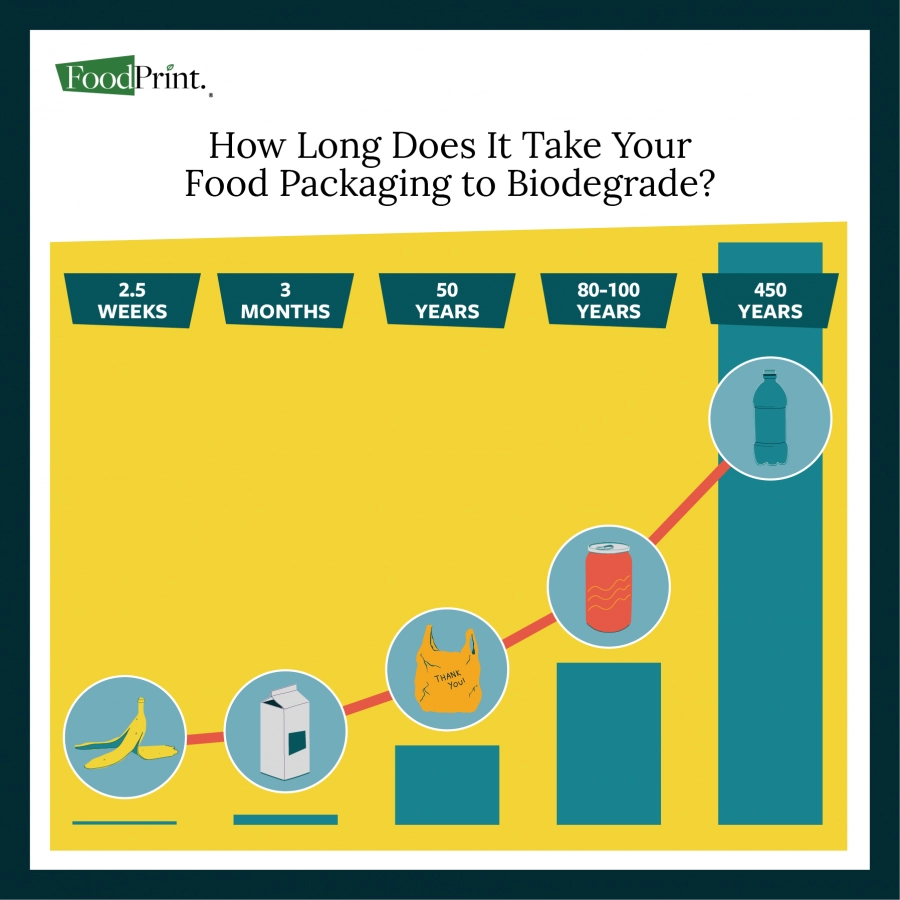
In retail, clarity sells. The more transparent your food retail cling film, the fresher and higher quality your products look.
- Use high clarity, high gloss supermarket cling film so color and texture pop in the case.
- Avoid cloudy or tinted wrap on fresh produce and deli items; it makes food look old or cheap.
- For premium sets, I always spec a high clarity food film that looks almost invisible on the product.
If you’re running large displays or global programs, a premium food-grade cling film for wholesale and retail that keeps product visibility high is non‑negotiable; that’s exactly the angle I take with our own premium food‑grade cling film solutions for supermarkets and distributors.
Tight Wrap vs Loose Wrap
How you wrap changes how shoppers think about quality:
-
Tight wrap
- Signals “just packed,” clean, and handled with care.
- Works best for meat wrapping film, deli counter plastic wrap, and bakery display wrap.
- Reduces leaks and keeps labels flat and readable.
-
Loose wrap
- Can make items look handled or rewrapped.
- Sometimes fine for bulk produce wrapping film to avoid bruising, but I still keep it controlled, not sloppy.
My rule: if it’s going in a tray or case-style setup, I want a tight, smooth wrap 95% of the time.
Controlling Condensation in Cases
Fogged film kills impulse buys. For chilled meat and produce, I always look for anti-fog cling film:
- Keeps moisture from beading up inside the wrap.
- Maintains clear visibility in cold, high-humidity cases.
- Especially important for meat, seafood, and cut fruit where cloudy packs look unsafe.
For high-volume chilled displays, pairing anti-fog commercial food wrap with the right case temperature settings gives a huge lift in perceived freshness.
“Just Prepared” Look for Bakery and Deli
In bakery and deli, the goal is simple: make everything look like it just came out of the oven or off the slicer.
- Use high clarity, low-haze retail deli film so crusts, toppings, and marbling are easy to see.
- Tight, smooth wraps on deli salads, sliced meats, and cakes project “chef prepared” instead of “factory packed.”
- Choose food grade plastic wrap that doesn’t wrinkle easily; wrinkles read as “old.”
For catering and large bakery runs, I like large-format cling film rolls that work smoothly with wrap stations and still keep that “freshly made” look, similar to the approach behind our large-format cling film rolls for catering and events.
Branding and Premium Positioning
Cling film can quietly support your brand positioning:
- Consistent film quality across stores (same clarity, same gloss, same tension) makes your deli, meat, and bakery sets feel branded even without printed film.
- Using eco-friendly cling film or sustainable plastic wrap and calling it out on shelf tags or labels supports ESG messaging and premium perception.
- A higher-end high clarity supermarket cling film pairs well with artisan labels, craft trays, and premium pricing.
Case-Style Setups: Trays, Wrap, Labels
Great merchandising happens when trays, wrap, and labels work as one system:
- Choose trays that match your film:
- Dark trays + high clarity cling film = strong color contrast for meat and seafood.
- Clear trays + clear wrap for salads and fruit to show 360° freshness.
- Spec film that grips trays well so labels sit flat and barcodes scan clean.
- Keep label size in mind; the right commercial cling wrap lets labels adhere smoothly without lifting at the edges.
I design these setups so the film disappears and the product, label, and price are what customers see first—clean, fresh, and worth paying for.
Cost and Bulk Buying Strategy for Food Retail Cling Film
Comparing price per square foot
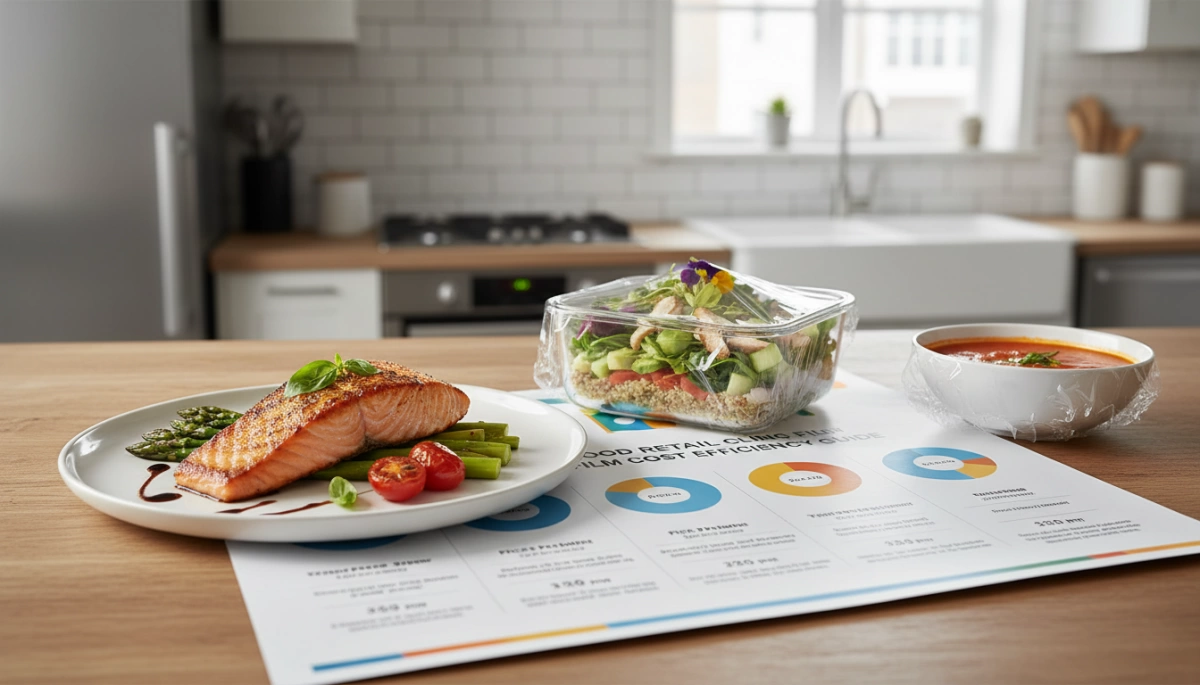
When I compare supermarket cling film, I never look at roll price alone. I break it down to cost per square foot so I can compare PVC, PE, and eco‑friendly cling film on the same level.
Simple formula:
Roll price ÷ (roll width in feet × roll length in feet) = price per sq ft
PVC often looks cheaper upfront, but high‑clarity PE or high‑barrier meat wrapping film can deliver better shelf life, which lowers total shrink and write‑offs.
Balancing cost, performance, and waste
Cheap food grade plastic wrap that tears, tunnels, or won’t cling is expensive in real life. I watch three things:
- Speed: Does it slow down deli or meat counter staff?
- Waste rate: How often are we double‑wrapping or tossing bad wraps?
- Shrink: Does it actually keep food fresh long enough?
A slightly higher cost high clarity food film with better cling strength and puncture resistance usually pays back in less waste and better-looking displays.
Roll yield and film thickness
Film thickness (in microns/gauge) directly affects real cost:
- Thinner film (8–10 microns): More square feet per roll, good for light produce and bakery display wrap.
- Medium film (10–12 microns): Good all‑rounder for deli counter plastic wrap.
- Thicker film (12–15+ microns): Better puncture resistant wrap for meat wrapping film and bony cuts.
I always compare roll yield (total square footage) plus breakage rate. A thinner film that keeps snapping on busy commercial cling film dispensers ends up costing more per usable wrap. If you want to see how better packaging cuts spoilage, this breakdown on food packaging to prevent spoilage lines up well with what I see in stores.
Bulk buying tips for supermarkets and delis
For high‑volume grocery store packaging film, buying bulk cling film rolls is a must. My rules:
- Standardize core size, width, and thickness across locations where possible.
- Lock in quarterly or semi‑annual orders with your supermarket food wrap supplier.
- Mix: keep one premium film for meat/seafood and one value film for bakery/produce.
For chains, this also simplifies training and stocking, especially when you’re using commercial cling wrap cutter boxes and automatic dispensers.
Working with suppliers for stable pricing
I treat cling film like any other strategic supply:
- Ask for volume discounts based on annual usage, not single orders.
- Request price locks for 6–12 months where resin pricing allows.
- Have suppliers provide spec sheets (thickness, oxygen barrier, anti‑fog, microwave safe cling film, freezer safe food film, FDA/EU compliance).
For sustainable plastic wrap options (bio‑based cling film, recyclable cling film, compostable cling wrap), I also ask for end‑of‑life guidance so we can build ESG‑friendly food packaging into our store policies.
Calculating ROI for higher quality or sustainable cling film
When I test a new commercial food wrap, I measure ROI on:
- Shrink reduction: Less food thrown out from drying, spoilage, or off‑odors.
- Labor savings: Faster wrapping at deli and meat counters.
- Customer impact: Better looking displays, fewer complaints about leaks or foggy packs.
- ESG value: If compostable or biodegradable food wrap helps hit ESG targets or supports marketing, that has real value too.
Run a small A/B test in one or two stores, track waste and labor time for 2–4 weeks, and compare against your current bulk plastic food wrap. That’s how I decide if upgrading to a higher quality or more eco‑friendly cling film is worth rolling out chainwide.
Sustainable Cling Film Choices for Food Retail
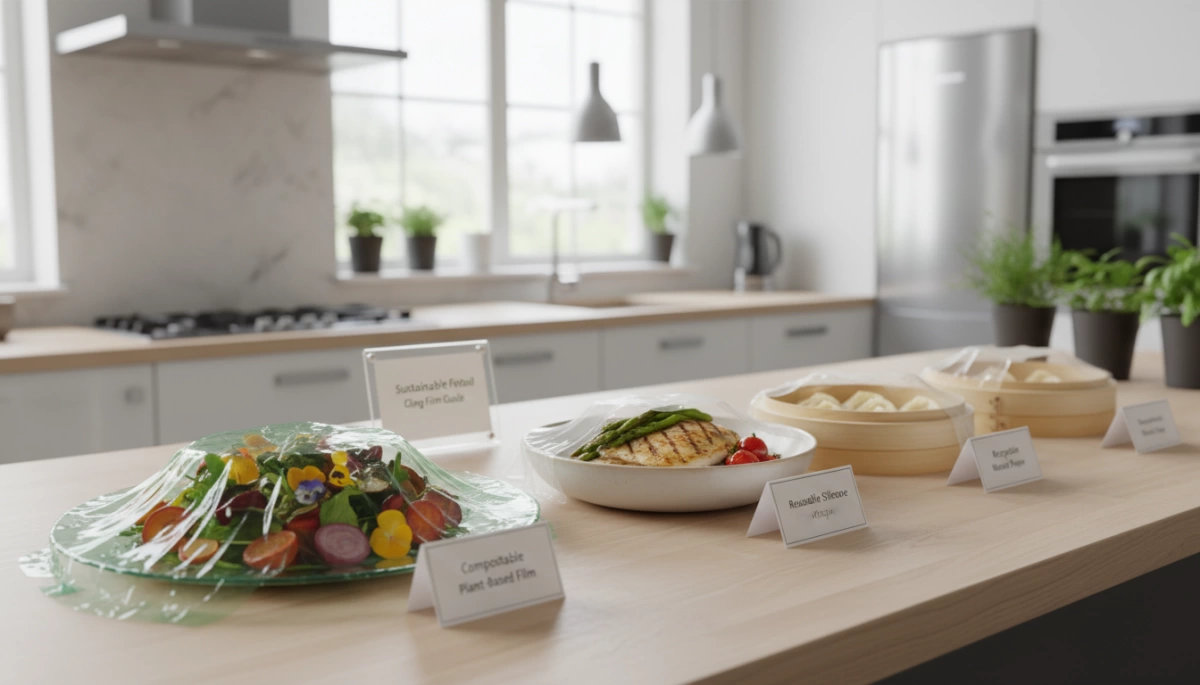
Environmental issues with traditional plastic food wrap in retail
Most supermarket cling film is PVC or PE. It works, but it sticks around in landfills for decades and is rarely recycled in the U.S. For high‑volume stores, that means:
- Tons of waste from deli, meat, produce, and bakery every year
- More pressure from customers, regulators, and corporate ESG teams
- Higher risk that your brand looks “behind the times” on sustainability
That’s why I’m shifting more clients toward sustainable food retail cling film options instead of traditional bulk plastic food wrap.
Biodegradable cling film options for supermarkets and grocery stores
Biodegradable cling film (often from modified PE or blends) is designed to break down faster under the right conditions. In retail, I mainly use it when:
- Stores want a “greener than standard” film but still need solid strength and clarity
- There’s no commercial composting nearby, so full compostables don’t make sense yet
Key points I look for:
- Food grade and FDA/EU compliant
- Clear, strong, and good cling strength
- Honest claims (degradation tested, not just buzzwords)
If you want to dig into performance details first, I’d start with this cling film performance and technical specifications guide.
Compostable food wrap: standards and real‑world use
Compostable cling wrap is the next step up. It’s usually plant‑based (PLA, PBAT, starch blends, etc.) and should meet:
- ASTM D6400 (U.S. standard for compostability)
- EN 13432 (EU industrial compost standard)
- Certifications like OK Compost or BPI
Real‑world tips from stores I work with:
- Works best in produce and bakery, where moderate shelf life is okay
- Needs clear labeling so it doesn’t get tossed in regular recycling
- Pair it with local commercial compost partners if possible
Recyclable cling film and store take‑back programs
If composting isn’t realistic, a recyclable cling film strategy can still move the needle:
- Use mono‑material PE films that fit into “#2 or #4 film” recycling streams
- Offer store drop‑off bins for clean film (back‑of‑house and possibly customer‑facing)
- Work with local recyclers who accept commercial film bales
For some chains, a hybrid approach works best: recyclable PE for back‑of‑house use, compostable wrap for certain consumer‑facing areas.
How to talk sustainability with customers at the shelf
Customers want simple, honest info right where they shop. What works in U.S. stores:
- Short front‑of‑pack claims like “Compostable in industrial facilities” or “Recyclable PE film”
- A small icon set (compost, recycle, landfill) with one clear “what to do”
- Shelf talkers or QR codes explaining why you chose this eco‑friendly cling film
Avoid vague terms like “eco” and “green.” Be specific: compostable, recyclable, bio‑based, or reduced plastic.
Meeting regulations and ESG goals with greener cling film
If you’re running multiple locations or a chain, sustainable cling film is an easy ESG win:
- Helps prepare for stricter single‑use plastic rules at city and state levels
- Supports corporate ESG and CSR reports with measurable packaging changes
- Lets you align with broader sustainable packaging strategies and market trends, especially if you track changes in your packaging mix (you can see how other brands are doing this in this overview of market trends and opportunities in sustainable packaging).
My rule of thumb: move one department at a time (usually produce or bakery first), lock in a film that hits food safety, performance, and sustainability, then roll that standard across the chain with clear specs and training.
Choosing the Right Food Retail Cling Film for Your Store
Picking the right food retail cling film isn’t “one size fits all.” Each department has different needs, and the wrong choice can hurt shelf life, food safety, and margins.
Match cling film to each department
Meat & seafood (butcher & service case)
- Use: PVC or PVDC high‑barrier meat wrapping film
- Key specs:
- Medium‑high cling strength and stretch
- Strong puncture resistance for bones
- Good oxygen barrier to slow color loss
- Anti‑fog for chilled cases
- Avoid films that are too loose or thin; they tear, leak, and look cheap.
Produce (wet racks & cut fruit)
- Whole produce: breathable PE cling film or perforated wrap to avoid sweating.
- Cut fruit/veg: higher clarity anti‑fog cling film with enough stretch for tight seals.
- Focus on: breathability vs. airtight, moisture control, and a clean, glossy look.
Bakery (in‑store baked & premium items)
- Use: high clarity food film (PVC or PE) with strong gloss for display.
- Specs that matter:
- Crystal clarity so icing and toppings pop
- Medium cling for tight but not crushed wrap
- Good low migration and odor neutrality for delicate flavors
Deli & prepared foods
- Use: retail deli film with strong tack and stretch.
- Must work smoothly on cling film dispensers and cutter boxes.
- Look for:
- Reliable cling strength to paper and foam trays
- Fast release from roll, no excessive static
- Microwave safe cling film if customers reheat in-pack
Checklist for evaluating cling film suppliers
When I vet a supermarket cling film or grocery store packaging film supplier, this is my short list:
- Food safety documentation
- FDA compliant / EU food contact compliant
- Statements on BPA‑free cling film, plasticizers, and migration testing
- Material options
- Clear options for PVC vs PE cling film, plus high‑barrier and eco‑friendly choices
- Specs by department
- Different thickness (microns) and widths for meat, deli, bakery, produce
- Operational support
- Compatibility with existing cling film dispensers and wrapping equipment
- Training or guides for store teams
- Sustainability roadmap
- Access to bio‑based cling film, recyclable cling film, or compostable cling wrap
- Clear claims and certifications (not greenwashing)
- Pricing and terms
- Stable pricing for bulk bulk cling film rolls
- Lead times and backup stock strategy
If you’re also reviewing other packaging formats (bags, pouches, or vacuum films), it helps to compare performance across materials using resources like this guide to vacuum food storage bags for retail.
How I test sample rolls before approving a film
Never switch commercial food wrap without testing it in real operations. Here’s what I run through in one store per department:
- Wrap test
- Speed‑wrap 20–30 packs in each department.
- Check for tear rate, rewraps, and how easily staff handles the roll.
- Display test (24–48 hours)
- Look at fogging, condensation, and how “fresh” it still looks.
- Compare clarity and gloss next to your current film.
- Hold test (shelf life)
- Compare drip on meat, dehydration on produce, and staling on bakery items.
- Note any odor or flavor transfer.
- Equipment test
- Run on cutters, hot wires, and manual dispensers.
- Confirm it doesn’t jam, stick, or bunch up.
- Customer test (simple)
- Ask staff and a few regulars which wrap looks better on shelf.
Common mistakes when switching cling film in busy stores
These are the pitfalls that cost time and margin:
- Switching all departments to one film
One “universal” wrap usually underperforms somewhere (often meat or bakery). - Not checking temperature range
Using a film that isn’t truly freezer safe food film or not safe in hot displays or microwaves. - Ignoring dispenser compatibility
New rolls that don’t fit existing cutter boxes slow down lines and frustrate staff. - Under‑spec’ing thickness to save money
Too thin = more tears, more waste, more rewraps, and higher labor. - No training for staff
Even a better film fails if teams don’t know its stretch, cut angle, or safe use.
Set specs and standards across locations
To keep things simple across multiple U.S. locations, I lock in standard specs per department:
- By department:
- Meat: material, thickness, roll width, and barrier level
- Deli: film type, roll length, and dispenser type
- Produce: breathable vs. anti‑fog options
- Bakery: clarity level and preferred tint (clear vs light tint)
- By performance:
- Minimum cling strength
- Max fogging allowed in cold cases
- Migrant and odor standards
- By sustainability:
- Where we use eco‑friendly cling film (e.g., bakery and produce)
- Where we keep traditional high‑barrier wrap for food safety
Document these specs and keep them tied to SKUs so procurement doesn’t accidentally swap to the wrong film.
Build a simple cling film selection policy for your team
Your cling film selection guide for managers should be short and direct:
- Start with food safety
- Must be food grade plastic wrap, FDA compliant, correct temperature rating.
- Match the film to the job
- Use a simple table: department → approved film type & thickness.
- Prioritize display
- For front‑of‑house, require high clarity food film and anti‑fog where needed.
- Layer in sustainability
- Use biodegradable food wrap or sustainable plastic wrap where performance allows, and explain clearly to team and customers. Resources comparing film vs. food preservation, like this breakdown on film preservation vs food preservation, can help shape those choices.
- Monitor cost per wrap, not just price per roll
- Track rewraps, shrink, and labor when evaluating new films.
- Review yearly
- Revisit suppliers, new eco‑friendly supermarket packaging, and changing ESG requirements.
Once this is in place, your managers can make fast, consistent decisions on supermarket cling film without guessing, while you keep food safety, display quality, cost, and sustainability in balance.
FAQ: Food Retail Cling Film Selection
What is the safest cling film for food retail use?
The safest food retail cling film is one that is:
- FDA approved / EU food contact compliant (ask for FDA 21 CFR + EU 10/2011 statements)
- BPA-free and plasticizer-safe (especially for PVC cling film)
- Low migration, tested under the intended time/temperature conditions
- Clearly labeled food grade plastic wrap and supplied with full declaration of compliance (DoC)
I always ask suppliers for:
- Written food-contact compliance certificates
- Migration test reports for fatty, acidic, and aqueous foods
- Clear instructions on temperature limits (microwave / hot hold / freezer)
For a deeper look at compliance and safety, I walk through more detail in this guide on food safety with high‑quality cling film.
Is PVC cling film still okay to use in supermarkets?
Yes, food-safe PVC cling film is still widely used in U.S. supermarkets and delis, especially for meat, produce, and deli counters, as long as:
- It’s specifically formulated for food use
- It meets FDA and/or EU food contact rules
- The store follows the temperature and use limits (no misuse on high‑fat foods at high temperatures if not approved)
PVC vs PE cling film is more about performance + compliance than “good vs bad.” PVC has stronger cling and stretch, while PE is often chosen when retailers want PVC-free or simpler recyclability.
Are biodegradable cling films as strong and clear as regular wrap?
Biodegradable and compostable cling wrap has improved, but it’s not always a 1:1 swap with traditional supermarket cling film:
- Strength & puncture resistance: Usually a bit lower than premium PVC or PE, especially in busy deli counter plastic wrap use
- Clarity & gloss: Good on newer grades, but still can be slightly less “crystal clear” than high-clarity food film
- Shelf life: Oxygen and moisture barrier can be different, so you must test on your actual products
In practice, I tell stores:
- Use biodegradable food wrap first on bakery, sandwiches, and ready‑to‑eat where shelf life is shorter
- Test for tear resistance, cling strength, and anti‑fog in your chillers before rolling out chain‑wide
How much does bulk retail cling film usually cost?
Ballpark U.S. pricing for bulk plastic food wrap (wholesale, per roll, depending on thickness and width):
- Standard PVC or PE deli film: roughly $15–$40 per roll
- High‑barrier / specialty meat wrapping film: often $30–$70+ per roll
- Eco‑friendly cling film (bio‑based or compostable): typically 20–60% higher than standard
What really matters is cost per square foot and waste rate, not just roll price. Thicker film with better cling can reduce:
- Rewraps
- Product leaks
- Shrink loss
Those savings often offset the higher price, especially in high-volume grocery store packaging film setups.
Can eco‑friendly cling film go in the microwave or freezer?
Not always. You need to check each eco‑friendly cling film spec sheet:
- Freezer safe food film: Many bio‑based or PE options handle freezing well, but some compostable films get brittle
- Microwave safe cling film: Only use films explicitly labeled microwave safe; some compostable and biodegradable supermarket wrap is not rated for high heat or direct contact with hot fat
I always confirm:
- Temperature range (e.g. -18°C / 0°F freezer to +100°C / 212°F)
- Whether the film is allowed to touch food during microwaving, or must be vented / not touching
How do I know if cling film meets FDA or EU food contact rules?
For any commercial food wrap or supermarket cling film, I require this minimum documentation from the supplier:
- Written statement of compliance with:
- FDA 21 CFR (U.S. food contact regulations)
- EU 10/2011 (if you’re selling under EU rules)
- Migration test reports showing limits are met under your real‑world conditions
- Confirmation that the film is food grade, including all inks, additives, and plasticizers
- Clear labeling for intended uses:
- Microwave safe or not
- Freezer safe or not
- Suitable for fatty, acidic, or aqueous foods
If a wholesale cling film supplier can’t quickly provide this paperwork, I don’t approve that film for food retail cling film use in any store I manage.