
















How Oxygen Affects Food Quality and Shelf Life
If your meat turns brown, chips go stale, or nuts taste “off” way too fast, oxygen is almost always involved. As a PE cling film factory focused on oxygen barrier and food shelf life, we watch this every day in real packaging tests.
Key Ways Oxygen Triggers Food Spoilage
When air gets through low-barrier or basic plastic wrap, oxygen starts four main problems:
-
Oxidation of fats and oils
- Causes rancidity in nuts, oils, snacks, and bakery
- Leads to bitter, paint-like off-flavors and strange smells
-
Color loss and browning
- Fresh meat turns from bright red to brown
- Cut produce (apples, avocados, lettuce) browns and looks old
- Coffee and spices fade in color and aroma
-
Nutrient breakdown
- Oxygen breaks down vitamin C, A, and some B vitamins
- Long storage in poor packaging = food that fills you up, but with fewer nutrients
-
Texture and freshness loss
- Snacks and crackers lose crispness
- Bread and bakery dry out faster
- Frozen foods get freezer burn when oxygen sneaks in
This is why oxygen barrier packaging and low oxygen transmission rate (OTR) matter so much for real shelf life extension.
Foods Most Sensitive to Oxygen Exposure
Some foods spoil incredibly fast when exposed to oxygen:
- Meat & poultry – color change, off-odors, faster microbial growth
- Dairy & cheese – rancid flavors, mold growth, yellowing of fats
- Nuts, seeds, and nut butters – rancidity, bitter taste, loss of healthy oils
- Snacks & bakery (chips, crackers, cookies) – staling and flavor fade
- Fresh produce (salads, cut fruit, herbs) – browning, wilting, texture loss
- Coffee & cocoa – aroma loss, “flat” flavor even if still within date
These are exactly the categories where high barrier food packaging films and oxygen barrier cling film deliver the biggest benefit.
Real-World Shelf Life: With vs Without Oxygen Barrier
Below is a simplified look at how oxygen barrier packaging can change shelf life. Numbers vary by recipe and storage temperature, but the pattern is consistent in lab and industry studies:
| Product (Chilled/Ambient) | Standard PE Wrap / Low Barrier | High Oxygen Barrier Film* |
|---|---|---|
| Fresh beef (chilled) | 2–3 days | 7–10 days |
| Sliced cheese (chilled) | 5–7 days | 3–4 weeks |
| Nuts / trail mix (room temp) | 1–2 months | 6–9 months |
| Potato chips (room temp) | 4–6 weeks | 4–6 months |
| Ground coffee (room temp, sealed) | 1–2 months | 6–12 months |
*Using low-OTR, high barrier films combined with proper sealing and, in many cases, modified atmosphere or vacuum.
In our own PE-based and sustainable barrier development, we see that dropping OTR even slightly can add days or weeks of usable life, which directly cuts food waste, protects flavor, and improves the value of everything you store or sell.
Oxygen Barrier Basics in Food Packaging
What Is an Oxygen Barrier and Why It Matters
An oxygen barrier in food packaging is any material or film that slows down how much oxygen can pass through it and reach the food. The lower the oxygen passing through, the longer the food keeps its taste, color, and nutrients.
For oxygen‑sensitive foods like meat, cheese, nuts, coffee, and snacks, oxygen barrier packaging helps:
- Cut down oxidation and rancidity in oils and fats
- Slow color loss in meat and produce
- Protect flavors and aromas in coffee, chips, and baked snacks
- Support safer, longer food shelf life during shipping and storage
In the U.S. market, where food often travels long distances and sits in distribution for weeks, dialing in the right oxygen barrier is one of the easiest ways to reduce food waste and complaints about stale or “off” products.
Oxygen Transmission Rate (OTR) Explained
Oxygen Transmission Rate (OTR) tells you how much oxygen passes through a packaging material over time. It’s usually measured as:
cc/m² · day · atm (cubic centimeters of oxygen per square meter, per day, per atmosphere of pressure)
Key points:
- Lower OTR = stronger oxygen barrier
- OTR is tested in a lab at set temperature and humidity
- Real performance changes with storage conditions (cold, hot, humid, frozen)
If you’re comparing films or bags, always ask for OTR data at conditions close to your real use (for example, 73°F and 50% RH for room‑temp snacks, or chilled conditions for meat and cheese).
Common High Oxygen Barrier Materials
In today’s high barrier food packaging films, you’ll usually see one or more of these materials:
- EVOH (Ethylene Vinyl Alcohol) – Excellent oxygen barrier, often used as a thin layer in multilayer films. Sensitive to moisture, so it’s usually protected by PE or PP layers.
- PVDC (Polyvinylidene Chloride) – Strong traditional barrier used on films and coatings, but has environmental and recycling drawbacks.
- Metallized films (e.g., metallized PET or OPP) – A very thin metal layer gives a powerful oxygen and light barrier for snacks, coffee, and dry foods.
- High‑density PE or multilayer PE structures – Can be engineered for better barrier while staying closer to common recycling streams.
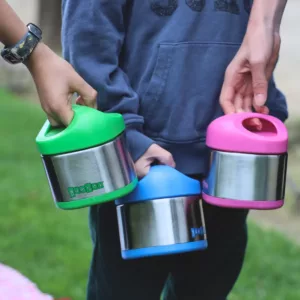
For home use and on‑the‑go meals, pairing barrier wraps or bags with durable stainless steel food containers gives solid oxygen and physical protection in daily life, especially for lunches and meal prep on the move, as shown in our stainless steel food container guide.
As a PE cling film manufacturer, I focus on combining practical oxygen barrier, safe materials, and real‑world usability for U.S. households, food brands, and food‑service operators who need simple, reliable ways to keep food fresher longer.
Traditional Oxygen Barrier Materials
Overview: EVOH, PVDC, Metallized Films
When people talk about oxygen barrier packaging in the food industry, they usually mean three traditional workhorses:
-
EVOH (Ethylene Vinyl Alcohol)
EVOH is a very strong oxygen barrier layer used inside multilayer films and trays. It has an extremely low oxygen transmission rate (OTR), so it’s popular in meat, cheese, sauces, and baby food packaging. -
PVDC (Polyvinylidene Chloride)
PVDC has long been used in high barrier food packaging films and wraps. It blocks both oxygen and moisture well, which helps protect oxygen-sensitive foods like meat, dairy, and cured products. -
Metallized films (like metallized PET or OPP)
These are plastic films with a very thin metal coating (often aluminum). They deliver strong oxygen barrier and light barrier, which is why you see them in coffee, snacks, and chips where oxidation and rancidity in foods are a concern.
Strengths for Shelf Life Extension
These conventional materials are used because, simply put, they work:
- Very low OTR for long shelf life extension packaging
- Reliable protection against food spoilage caused by oxygen, including:
- Rancidity in nuts, oils, and snacks
- Color loss in meat and cheese
- Off-flavors and nutrient loss
- Proven performance in barrier properties for meat packaging and barrier properties for cheese packaging
- Compatible with MAP (modified atmosphere) and vacuum systems that rely on strong oxygen barrier and food shelf life performance
When we build cling films or bags that need serious oxygen protection, this is the benchmark we measure against, even as we move to more sustainable options.
Limits and Downsides: Recycling, Multilayers, Waste
The tradeoff: traditional barriers are strong, but they’re not very eco-friendly:
-
Multilayer structures
EVOH and PVDC are usually sandwiched between different plastics (PE, PET, etc.). That mix makes recycling tough because the layers can’t be easily separated. -
Recycling issues
- PVDC and metallized films are rarely accepted in curbside recycling in the U.S.
- High-barrier laminates usually end up in landfills.
-
Waste and environmental impact
- Higher carbon footprint and long-term persistence in the environment
- Limited compatibility with circular systems that focus on recyclable or reusable solutions
That’s exactly why I focus on upgrading to sustainable food packaging solutions—materials that keep a strong oxygen barrier and food shelf life performance while cutting down on waste. For example, many of our customers now pair high-barrier wraps with reusable containers like stainless steel lunch box containers to reduce single-use plastic in daily food storage.
Sustainable Oxygen Barrier Packaging Options
I focus on oxygen barrier & food shelf life solutions that don’t wreck recycling or create more waste. Here are the main sustainable paths brands and homes in the U.S. are moving toward.
Bio‑Based Polymers With Oxygen Barrier Performance
Bio-based polymers are made from plants instead of fossil fuels and can still deliver strong oxygen barrier packaging.
Common bio-based barrier materials
| Material Type | Source | Barrier Strength (OTR) | Typical Use Cases |
|---|---|---|---|
| PLA blends | Corn/sugar | Medium | Produce, bakery, short shelf life snacks |
| Bio‑PE + barrier layer | Sugarcane | Medium–High (with coat) | Cling films, pouches, frozen foods |
| Bio‑PBS/PBSA blends | Plant-based | Medium | Compostable bags, liners, wraps |
Why I use them:
- Cut fossil plastic use while keeping good barrier properties
- Compatible with high barrier food packaging films and multilayer structures
- Can be tuned for biodegradable oxygen barrier film or recyclable solutions, depending on the setup
Cellulose and Paper‑Based High Barrier Structures
When customers ask for “plastic-free look” but still need oxygen barrier & food shelf life, I turn to cellulose and paper-based barriers.
Key options
| Structure Type | Barrier Level | Best For |
|---|---|---|
| Coated paper (barrier layer) | Medium–High | Dry snacks, bakery, cereals |
| Regenerated cellulose film | High | Coffee, tea, premium snacks |
| Paper + bio‑coating | Medium | To-go packs, deli wraps, pouches |
Benefits:
- Paper feel and printability with real oxygen barrier packaging performance
- Strong consumer perception of “eco,” especially in the U.S. grocery and DTC space
- Can be designed for recyclability in paper streams (where local rules allow)
For supermarkets and meal-prep services, I often pair these with our own eco storage bags setups; you can see how we build that system in our guide to eco storage bags for supermarket use.
Plant‑Based Coatings for Improved Oxygen Protection
Plant-based coatings are thin layers added to film or paper to cut oxygen transmission rate (OTR) without heavy metals or halogenated plastics.
Typical plant-based coatings
- Starch or protein coatings – add moderate barrier, good for dry foods
- Bio-based polyurethane or acrylic coatings – higher barrier, better grease and moisture resistance
- Lipid/wax coatings – boost water and oxygen barrier for snacks, crackers, and bakery
Why I like plant-based barrier coatings:
- Upgrade simple PE, paper, or cellulose into true high barrier materials
- Support compostable food packaging barrier designs or recyclable paper structures
- Flexible for both industrial food brands and home use (for example, pairing with high-quality cling film as shown in our breakdown of food safety with high‑quality cling film).
Used correctly, these sustainable barrier options can protect oxygen‑sensitive foods while still fitting U.S. expectations on sustainability, recycling, and clean labeling.
Comparing Traditional vs Sustainable Oxygen Barrier Packaging
OTR performance: traditional vs eco options
When we talk oxygen barrier and food shelf life, the first thing I look at is oxygen transmission rate (OTR).
- Traditional high barrier (EVOH, PVDC, metallized film)
- Extremely low OTR: ideal for meat, cheese, coffee, nuts, and snacks
- Great for long distribution routes and long ambient storage
- Sustainable oxygen barrier packaging (bio-based, paper/cellulose, plant‑based coatings)
- Newer biodegradable oxygen barrier films can now reach OTR levels close to EVOH for many chilled foods
- Paper and cellulose‑based high barrier structures work well when they’re combined with thin barrier coatings or layers
For everyday U.S. home use and most food brands, I match OTR to the food type and shelf life target, rather than automatically defaulting to the most “extreme” barrier.
Durability, heat resistance, and food protection
Traditional high barrier food packaging films still win on pure robustness, but sustainable options are catching up fast.
- Traditional materials
- Strong, puncture‑resistant, high heat resistance
- Better for hot‑fill, retort, and rough supply chains
- Sustainable materials
- Bio‑based and compostable films are improving in toughness but can be:
- More sensitive to high heat
- Less tolerant of sharp or rigid products
- Work great for chilled, frozen, and dry foods when you choose the right thickness and structure
- Bio‑based and compostable films are improving in toughness but can be:
For U.S. consumers, I usually recommend: traditional for extreme conditions, sustainable barriers for day‑to‑day fridge, freezer, and pantry use.
Environmental footprint: recyclability, compostability, carbon
This is where sustainable oxygen barrier packaging really pushes ahead.
- Traditional barriers (EVOH, PVDC, metallized film)
- Often used in multilayer films that are hard to recycle
- PVDC and heavy metallization are especially problematic for recyclers
- Good shelf life, but more plastic waste long term
- Sustainable oxygen barrier options
- Recyclable high barrier materials and paper‑based structures fit better with curbside programs in many U.S. cities
- Compostable food packaging barriers can reduce landfill load when industrial composting is available
- Bio‑based materials can offer a lower carbon footprint over their full life cycle
If you’re thinking about upgrading your home storage or retail packaging strategy, pairing a high barrier, eco-friendly wrap or bag with smart storage habits (like those in this guide on the best way to store food for long‑term storage: http://65.21.89.238/news/what-is-the-best-way-to-store-food-for-longterm-storage/) gives you both longer shelf life and less waste.
How Oxygen Barriers Extend Food Shelf Life
Oxygen barrier packaging is one of the fastest ways to lock in freshness and cut food waste. By blocking oxygen, we slow down oxidation, rancidity, color loss, and texture damage that usually kill shelf life.
Shelf life gains for different foods
Here’s what strong oxygen barrier films can do in real life (numbers vary by product and storage temp, but this is the ballpark):
- Meat & poultry
- With barrier: color stays bright, drip loss is lower, flavor stays “fresh.”
- Typical gain: 2–3x longer chilled shelf life vs. basic PE wrap.
- Cheese
- With barrier: less mold growth, less drying and cracking, better flavor.
- Typical gain: 2–4x longer vs. non-barrier plastic.
- Snacks & bakery (chips, crackers, cookies)
- With barrier: fats don’t go rancid as fast, crunch and aroma last longer.
- Typical gain: weeks to months more at ambient storage.
- Coffee & tea
- With barrier: aroma compounds stay locked in, oils don’t oxidize quickly.
- Typical gain: 2–3x longer flavor quality window.
- Fresh produce
- With barrier + the right permeability: slower browning, less wilting.
- Typical gain: several extra days of marketable life in the fridge.
What oxygen barriers actually prevent
When we upgrade from basic PE cling film to a true high oxygen barrier packaging structure, we cut down on:
- Rancidity in nuts, chips, oils, and baked snacks
- Off-flavors and stale notes in coffee, cereals, and snacks
- Discoloration in red meat, avocado, cut fruit, and leafy greens
- Texture loss like soggy chips, chewy crackers, or dried-out cheese
For homes, pairing barrier wraps and reusable high-barrier containers can dramatically reduce weekly food waste and protect meal prep, leftovers, and bulk buys from Costco or Sam’s Club. If you’re curious about long-life options beyond film, our breakdown of durable and reusable food containers for daily use explains how barrier performance and reusability work together: durable and reusable food containers.
How oxygen control supports food safety and quality
Oxygen barrier packaging doesn’t replace refrigeration or hygiene, but it strongly supports them:
- Keeps pathogen growth slower in chilled foods by reducing oxygen for aerobic microbes
- Helps maintain safe color and appearance, so you can see when food is no longer good
- Stabilizes nutrients, flavors, and textures over the entire distribution chain
- Cuts food waste at home, in restaurants, and across the supply chain by keeping products usable longer
In short, the right oxygen barrier and food shelf life strategy means less spoilage, more stable quality, and better value for every pound of food you bring into your kitchen or business.
Oxygen Barrier, MAP, and Vacuum Sealing
How Modified Atmosphere Packaging Works with Oxygen Barriers
Modified atmosphere packaging (MAP) and oxygen barrier films work together to slow spoilage and extend food shelf life. In MAP, we flush the pack with a gas mix (like high CO₂/low O₂ for meat or nitrogen for snacks), then seal it in a high oxygen barrier packaging so that gas mix doesn’t drift back toward normal air.
For oxygen‑sensitive foods, the combo is simple:
- MAP controls the inside gas (low oxygen, right CO₂/N₂ balance).
- Low OTR barrier film keeps that gas mix stable for weeks or months.
- Result: less oxidation, rancidity, and color loss from farm to fridge.
If you’re a brand looking to launch or customize MAP pouches or trays, it’s worth working directly with a flexible packaging OEM. We support this kind of work and share how to find OEM manufacturers for custom food storage bags in our guide at how to find OEM manufacturers for custom food storage bags.
Vacuum Sealing + Barrier Films for Long-Term Storage
Vacuum sealing pulls air (and oxygen) out of the package, then relies on high barrier food packaging films to keep oxygen from creeping back in. Without a real oxygen barrier, even a strong vacuum loses its benefit in days or weeks.
With low oxygen transmission rate (OTR) films, vacuum sealing can:
- Keep meat and cheese fresher for much longer.
- Slow rancidity in nuts, coffee, and oily snacks.
- Protect frozen foods from freezer burn and off-flavors.
At home, switching from basic PE bags to biodegradable oxygen barrier film or recyclable high barrier bags lets your vacuum sealer actually deliver long-term results, not just a tighter bag.
Best Use Combos for Chilled, Frozen, and Ambient Foods
Different foods and storage temps need different oxygen barrier + atmosphere combos:
-
Chilled foods (fresh meat, seafood, ready meals)
- Best: MAP + high oxygen barrier tray or pouch
- Focus: keep color, flavor, and drip loss under control while meeting shelf life targets.
-
Frozen foods (meat cuts, veggies, prepared meals)
- Best: Vacuum sealing + barrier bags with low OTR and good puncture resistance
- Focus: stop freezer burn, oxidation, and flavor loss over months.
-
Ambient foods (coffee, nuts, snacks, bakery)
- Best: Nitrogen-flushed MAP + high barrier films (often multi-layer)
- Focus: prevent rancidity, staleness, and aroma loss on the shelf.
If you need custom high‑barrier formats (rolls, bags, or liners) at scale, our OEM and ODM experience in eco-friendly food storage wrap and barrier bags means we can match OTR levels to your product and distribution needs.
Evidence and Case Studies on Oxygen Barrier Performance
Key findings: low OTR = longer shelf life
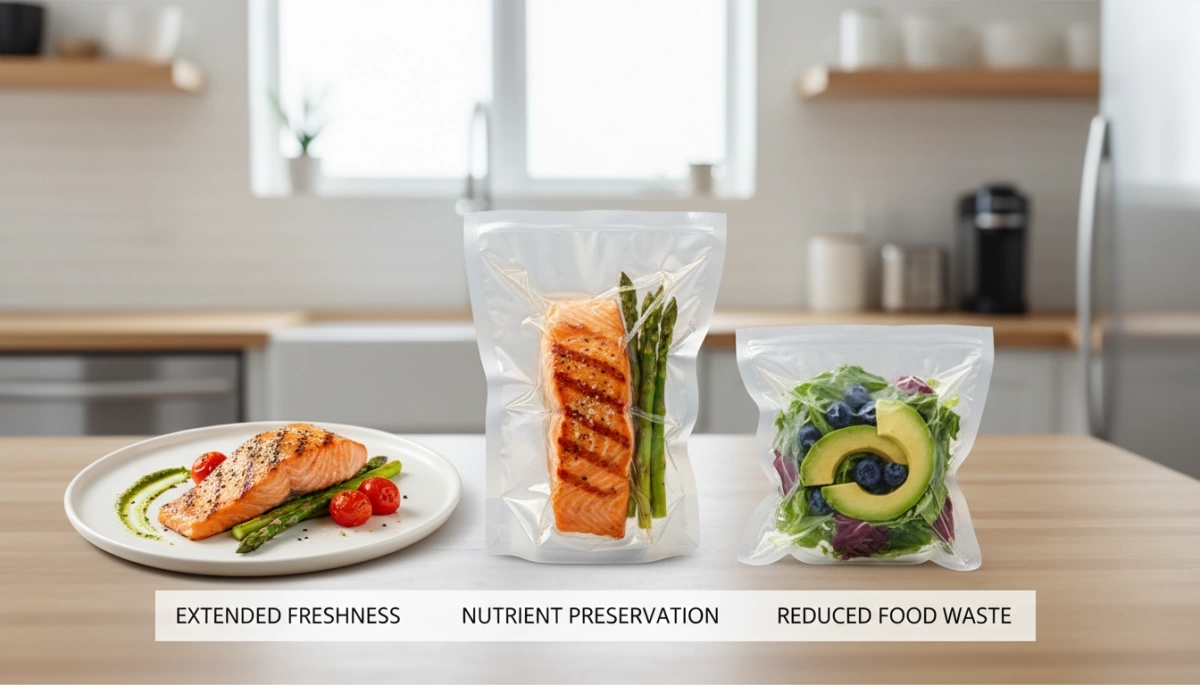
From the data I’ve seen, the pattern is clear: when oxygen transmission rate (OTR) drops, food shelf life goes up—often dramatically.
- Low-OTR (≤1 cc/m²·day) high barrier food packaging films can:
- Double or triple the shelf life of nuts and snacks by slowing oxidation and rancidity.
- Extend sliced cheese from 2–3 weeks to 6–8 weeks in the cold chain.
- Keep roasted coffee flavor stable 3–6 months longer by blocking oxygen and aroma loss.
- Studies on oxygen barrier packaging consistently show:
- Up to 70–90% lower peroxide values (less rancidity) in nuts and oils.
- Much slower color loss in fresh meat when OTR is cut from “medium” to “high barrier” levels.
- Better retention of sensitive vitamins (like vitamin C) in oxygen-sensitive foods.
In short, when we control oxygen transmission rate OTR, we directly control how fast food quality drops off.
Real food case studies with high barrier packaging
In real products, switching to high barrier materials changes both shelf life and returns:
- Snacks & chips
- Moving from standard PE to metallized film oxygen barrier bags increased crispness retention from ~3–4 months to 6–9 months, with fewer stale complaints.
- Barrier properties for meat packaging
- Fresh beef in high barrier trays (EVOH barrier layer) showed much better color and 50–100% longer display life compared to standard PE films.
- Barrier properties for cheese packaging
- Semi-hard cheeses in high oxygen barrier films stayed mold-free and held flavor for several extra weeks under proper refrigeration.
- Coffee & dry foods
- Coffee beans and powdered products in low-OTR bags kept aroma and flavor intensity significantly longer vs. standard flexible pouches.
If you’re comparing material options, it helps to understand the materials used in food storage bags production and how they affect OTR and sealing performance; this breakdown is covered in detail in our guide on food storage bag materials and performance.
Impact on food waste and supply chains
For U.S. brands and food-service operations, better oxygen barrier and shelf life extension packaging isn’t just about quality—it’s about waste and cost:
- Less food waste
- Fewer out-of-date write-offs at retail.
- Lower spoilage rates in long-haul and e-commerce distribution.
- Supply chain efficiency
- Longer shelf life means more flexible logistics: slower turns, longer shipping lanes, and better use of cold storage.
- Reduced safety stock because products last longer on shelf and in warehouses.
- Sustainability impact
- Every extra week of safe shelf life helps cut the climate impact tied to food waste, especially for high-footprint foods like meat and dairy.
- When we combine barrier packaging to reduce food waste with recyclable or reusable formats—like durable silicone and stainless systems highlighted in our piece on supply chain sustainability with reusable food containers—the total environmental benefit is even higher.
The takeaway: strong oxygen barrier performance is a direct lever for better shelf life, lower returns, and a cleaner, more efficient food supply chain.
Artfullife® Sustainable Oxygen Barrier Solutions
At Artfullife®, I focus on oxygen barrier packaging that actually protects food and still fits modern sustainability goals. For U.S. homes, food brands, and food-service buyers, that means low OTR, strong cling, and simpler end-of-life (recycling, composting, or reusing) instead of just more plastic waste.
Biodegradable and Recyclable Oxygen Barrier Lines
I offer several sustainable oxygen barrier options designed to replace traditional multilayer plastics:
- Biodegradable high-barrier film – plant-based and engineered for oxygen barrier and food shelf life protection.
- Recyclable PE-based barrier wrap – compatible with PE recycling streams, ideal for retailers and chains wanting recyclable high barrier materials.
- Reusable barrier solutions – durable, high-clarity wraps and bags that cut disposable use in home kitchens and commercial prep.
For large buyers, I back these with strict quality systems similar to those used in our premium food-grade cling film solutions for supermarkets and distributors.
How We Achieve Low OTR with Eco-Friendly Materials
To get low oxygen transmission rate (OTR) without relying on heavy metallized or PVDC layers, I combine:
- Optimized PE structures for tight polymer packing and better oxygen barrier packaging performance.
- Bio-based barrier coatings that improve barrier properties for meat and cheese packaging while staying food-safe.
- Multi-functional layers that deliver high barrier food packaging films with less total material and simpler recycling.
All films are tested for OTR performance and consistent cling, so you’re not trading barrier for convenience.
Use Cases: Home, Brands, and Food-Service
Artfullife® sustainable oxygen barrier packaging is built for real-life workflows in the U.S.:
-
At home
- Wrap meats, cheese, snacks, and cut produce to slow food spoilage caused by oxygen.
- Pair with vacuum sealers or reusable containers for high-value items like steaks, nuts, and coffee.
-
For food brands
- Branded rolls, bags, and wraps for chilled, frozen, or ambient products needing shelf life extension packaging.
- Better barrier for nuts, snacks, and bakery to prevent oxidation and rancidity in foods.
-
For food-service operations
- Line pans, wrap bulk cheeses and meats, and protect prepped ingredients with eco-friendly food storage wrap.
- Support waste reduction and food safety while aligning with sustainability policies and corporate goals.
With Artfullife®, you get oxygen barrier and food shelf life performance plus packaging that’s built around U.S. sustainability expectations—not just more layers of plastic.
How to Choose the Right Oxygen Barrier for Your Food
Choosing the right oxygen barrier depends on what you’re packing, how long you need it to last, and where it’s going. I’ll keep it simple and practical.
Match Barrier Level to Food & Shelf Life
Use this as a quick guide:
| Food Type | Oxygen Sensitivity | Recommended Barrier Level | Typical Packaging Options |
|---|---|---|---|
| Fresh red meat, poultry | Very high | Ultra-high barrier | High-barrier film, MAP trays, vacuum pouches |
| Cheese, deli meats | High | High barrier | Barrier bags, PE cling with oxygen barrier layer |
| Nuts, snacks, chips | High (rancidity) | High barrier | Metallized / barrier film bags, lidding films |
| Coffee, cocoa, spices | High (aroma loss) | High barrier | Barrier pouches, valve bags |
| Bakery, tortillas | Medium | Medium barrier | PE with barrier coating, high-barrier wraps |
| Fresh produce, salads | Medium–low | Balanced barrier | Breathable + light barrier films |
| Frozen foods | Medium | Medium–high barrier | Barrier bags, cling film with good OTR control |
- For very oxygen-sensitive foods (meat, cheese, nuts, coffee), choose low OTR, high barrier films.
- For short-life, ready-to-eat items, a medium barrier PE cling film is usually enough.
- If you’re unsure, start by upgrading the most expensive or most wasted products first.
Factor In Temperature, Humidity & Distance
These three decide how “hard” your oxygen barrier has to work:
-
Storage temperature
- Chilled (32–41°F): Oxidation slows, but not stopped. High barrier still matters for meat, dairy, and ready meals.
- Frozen: Oxygen damage is slower, but long storage still needs a steady barrier to prevent off-flavors and freezer burn.
- Room temperature: Snacks, nuts, and coffee need strong barriers to stop rancidity.
-
Humidity
- High humidity (coastal states, hot summers) can weaken some paper or starch-based films.
- Choose moisture-resistant oxygen barrier films or coated paper for these regions.
-
Distribution distance
- Local, short routes = you can sometimes use medium barrier.
- National shipping or long warehousing = go high barrier to survive transport, handling, and shelf time.
If you’re working in retail or food-service, it helps to pair barrier choice with your storage plan. For example, when we help chains plan sustainable food storage solutions for retail we look at cold-chain reliability, turnover, and store layout (see our breakdown of sustainable food storage solutions for retail chains).
Switch From Conventional Plastic to Greener Options
You don’t have to go “all or nothing.” Move in smart steps:
1. Start with “easy wins”
- Replace standard PE wrap on:
- Prepared foods
- Cut fruit & veg
- Store bakery
- Use biodegradable or recyclable oxygen barrier cling films that match or beat your current OTR.
2. Check compatibility
- Make sure new barrier films:
- Seal on your existing machines
- Work with your MAP or vacuum setup
- Handle your fill speed and line temperature
3. Test on a few products first
- Run side-by-side shelf life tests:
- Old vs. new film
- Check color, odor, off-flavors, texture, and waste rate
- Track product returns, markdowns, and throwaways to see the real impact.
4. Think about end-of-life
- For the US market, look at:
- Recyclable mono-material films where local recycling exists
- Compostable films for food-service and prepared foods in cities with compost programs
- Train staff and customers with simple disposal labels: “Recycle where facilities exist” or “Commercial composting only.”
5. Balance cost vs. waste
- A slightly more expensive high-barrier sustainable film can pay off if:
- It adds 3–7 extra days of shelf life on chilled food
- It cuts shrink and throwaway on high-value items
If you’re also exploring different formats like aluminum foil, you may want to compare barrier levels and thicknesses; we break that down in our guide on the different grades and thicknesses of aluminum foil for food packaging.
Bottom line:
Pick the right oxygen barrier level for the food, adjust for temperature and distance, and then step into greener materials where they can match or beat the performance of your current plastic.
Frequently Asked Questions: Oxygen Barrier & Food Shelf Life
Best oxygen barrier options for home food storage
For everyday home use in the U.S., I look at three tiers:
- Good:
- Thick PE cling film with solid cling and tight wrapping
- Zip bags with “freezer” grade material
- Better:
- Vacuum sealing with barrier bags (great for meat, cheese, bulk buys) – see our guide to vacuum food storage bags
- Rigid or semi-rigid containers with tight lids plus a wrap layer
- Best (sustainable):
- Reusable silicone pouches (excellent oxygen barrier, freezer-safe, reusable hundreds of times) – we break this down in our article on reusable silicone food storage bags
- Compostable or recyclable biodegradable oxygen barrier film for items where single-use is still needed
For raw meat, cheese, and nuts, I always pair a tight wrap with the coldest part of the fridge or freezer to really take advantage of the barrier.
How much shelf life extension can I expect?
Avg. U.S. home conditions (food stored correctly, 35–40°F fridge, -0 to 0°F freezer):
- Fresh meat:
- Standard wrap: 2–3 days in fridge
- High barrier + tight wrap or vacuum: 5–7 days (sometimes more, depending on cut and hygiene)
- Cheese:
- Opened, loosely wrapped: 3–5 days before drying/mold spots
- Good oxygen barrier wrap or bag: 2–3+ weeks for hard/semi-hard cheese
- Nuts & snacks:
- Original bag casually folded: a few weeks before staling or rancidity
- Resealed in high barrier or vacuum bag: often 2–4× longer
- Coffee beans/ground:
- Thin bag with air: flavor drop in 1–2 weeks
- High barrier valve bag, resealed tight: noticeably better for 4–6+ weeks
These are typical ranges, not guarantees. Temperature control and hygiene matter as much as the barrier.
What oxygen barriers can and cannot prevent
What oxygen barriers CAN help with:
- Slowing oxidation and rancidity in nuts, oils, meat, snacks
- Reducing color loss in meat and produce
- Protecting aroma and flavor in coffee, cheese, baked goods
- Delaying texture loss (going stale, soft, or chewy)
What they CANNOT fully stop:
- Growth of bacteria if food is already contaminated or stored too warm
- Enzymatic browning in some produce (e.g., cut apples) without other treatments
- Freezer burn if the seal is poor or there’s trapped moisture
- Natural aging – food still has a finite life, even with low OTR
Think of oxygen barrier packaging as a strong “slow-down button,” not an on/off switch for spoilage.
Costs, safety, and disposal of sustainable barrier packaging
Costs (U.S. market reality):
- Reusable silicone pouches: Higher upfront, but they replace hundreds of single-use bags. Over a year, they’re usually cheaper per use.
- Compostable / bio-based barrier films: Slightly higher unit cost than regular PE, but you get better eco profile and branding advantages if you’re a food business.
- Vacuum barrier bags: Mid-range cost; big savings if you buy meat/cheese in bulk.
Safety:
- I only work with food-safety certified cling film and barrier materials (FDA-compliant, BPA-free where relevant). If you want a sense of the standards we follow, check our notes on food-safe PE cling film in our article on food safety certified cling film for global markets.
- Use materials as labeled: fridge, freezer, microwave, and oven limits matter.
Disposal:
- PE and some barrier films: Check local store drop-off recycling programs; some accept clean film.
- Compostable films: Prefer certified compostable; best in commercial composting where available.
- Reusable silicone: Not curbside recyclable in most U.S. cities yet, but the point is reuse, not quick disposal.
I always recommend this rule:
First, reuse. Second, recycle where possible. Third, compost if you’re using certified compostables. That’s how you balance strong oxygen barrier performance with a smaller environmental footprint.