

















What Is Anti-Fog Cling Film and How Does Steam-Control Work?
As a manufacturer with over 18 years of experience in kitchen and household supplies, we understand that clarity is king in food presentation. Steam-control Anti-fog Cling Film is an engineered packaging solution designed to maintain visibility and freshness, regardless of temperature fluctuations. While traditional films are often made from PE (Polyethylene) or PVC, the industry is shifting. At Artfullife, we emphasize eco-friendly materials and sustainable innovation, moving toward biodegradable options that perform just as well as conventional plastics without the environmental burden.
Hot Fog vs. Cold Fog: Why Condensation Happens
To choose the right anti-fog food wrap, you first need to understand the enemy: condensation. Fogging occurs when water vapor condenses into tiny droplets on the film’s surface, scattering light and obscuring the product. This happens in two main scenarios:
- Hot Fog (Steam): Occurs when warm foods (like rotisserie chicken or fresh bakery items) release steam that hits the cooler film surface.
- Cold Fog (Refrigeration): Happens when ambient humidity condenses on chilled packages or when there are temperature fluctuations within a display case.
Both types of fog ruin product appeal and can accelerate spoilage by trapping excess moisture in concentrated pools.
The Science: Hydrophilic Technology for Clarity
The magic behind condensation control packaging lies in surface tension modification. Standard plastic is hydrophobic (water-repelling), causing moisture to bead up into droplets.
Our approach to food packaging clarity involves using hydrophilic (water-loving) additives. Here is how it works:
- Surface Tension Reduction: The additives lower the surface tension of the water.
- Non-Drip Action: Instead of forming droplets, the moisture spreads out into a thin, continuous, and transparent layer of water.
- Result: Light passes through the film without refraction, keeping the contents clearly visible to the consumer.
Internal Additives vs. Topical Coatings
When sourcing steam resistant plastic wrap, the method of applying the anti-fog agent matters for performance longevity.
- Topical Coatings: The anti-fog agent is sprayed or coated onto the surface of the film. This is cost-effective but less durable, as the coating can wash away or wear off during handling.
- Internal Additives (Masterbatch): The anti-fog agents are mixed directly into the raw material (resin) before extrusion. This method—often preferred for high-quality commercial applications—ensures the anti-fog properties remain effective throughout the product’s shelf life.
Through our strict quality control and comprehensive OEM/ODM services, we ensure that whether you need hot fog cling film or cold fog prevention, the material science supports your specific application.
Key Benefits of Steam-Control Anti-Fog Cling Film
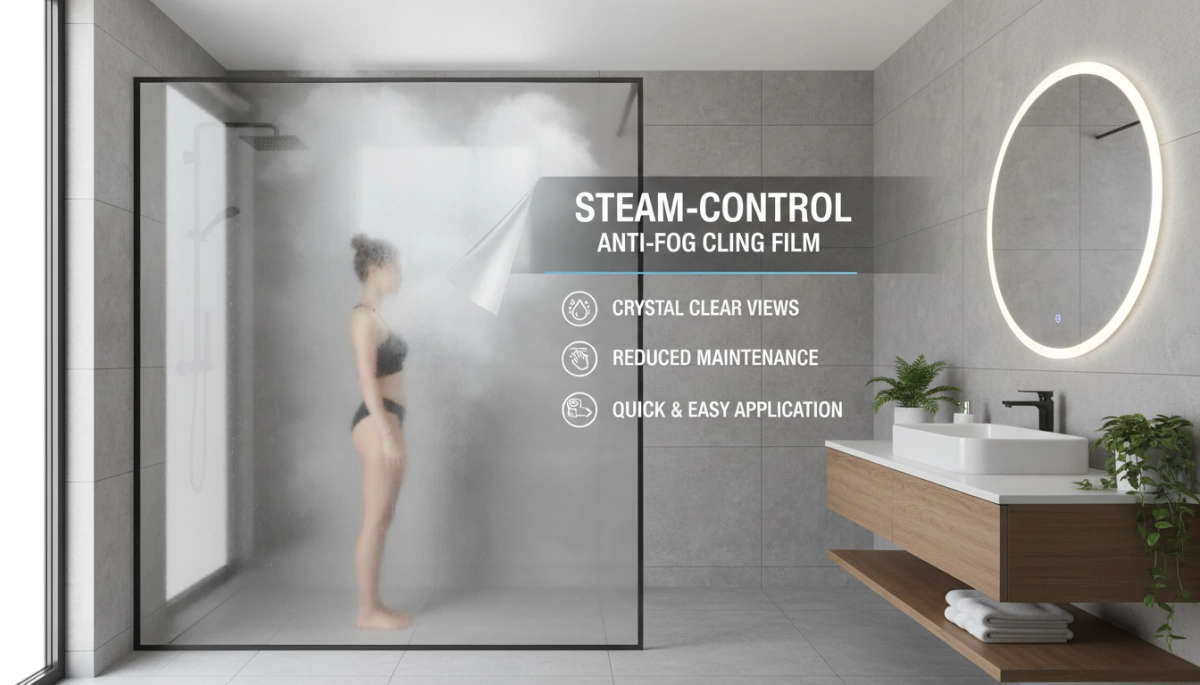
As a manufacturer with over 18 years of experience serving retailers and distributors, we know that packaging performance directly impacts the bottom line. Utilizing high-quality steam-control anti-fog cling film offers critical advantages over standard wraps, particularly for hot foods and fresh produce displays.
Superior Product Presentation
The primary advantage of anti-fog food wrap is visibility. Standard films often cloud up immediately when exposed to temperature changes or steam, obscuring the product. Our films utilize advanced additives to maintain food packaging clarity, ensuring the vibrant colors of fresh meats, vegetables, and baked goods remain visible. This visual appeal is essential for driving consumer impulse purchases.
Moisture Management and Shelf Life
Condensation control packaging plays a vital role in preservation. When water droplets form and pool on food, they accelerate spoilage and bacterial growth. By dispersing moisture into a thin, transparent layer, our films prevent water accumulation on the food surface. This mechanism is similar to the technology found in various types of food preservative films, where controlling the internal package environment is key to extending shelf life.
Hygiene and Safety
In commercial settings, hot fog cling film prevents the “raining” effect inside packages, where condensation drips back onto the food. This maintains a hygienic environment within display cases and storage units, reducing the risk of cross-contamination and keeping products looking fresh and clean.
Core Advantages at a Glance:
| Feature | Business Benefit |
|---|---|
| Crystal Clarity | Enhances product visibility and “color pop” for better sales appeal. |
| Steam Resistance | Prevents fogging on hot items like rotisserie chickens or fresh bakery goods. |
| Moisture Control | Reduces surface moisture to slow bacterial growth and spoilage. |
| Display Hygiene | Keeps produce display film clean, dry, and professional in refrigerated cases. |
Technical Specifications for High-Performance Anti-Fog Film

When sourcing cling film for commercial use, understanding the technical data is just as critical as the price point. As a manufacturer with over 18 years of experience, we know that the difference between a functional wrap and a failure lies in the specific film structure and physical properties. Here is the breakdown of the metrics we prioritize to ensure reliability for our B2B partners.
Essential Physical Properties
- Thickness: We typically recommend a range of 8-15 microns. This gauge offers the ideal balance—thin enough for excellent cling and cost-efficiency, yet thick enough to prevent tearing during high-speed wrapping.
- Clarity and Haze: Food packaging clarity is measured by haze values (often per ASTM D1003). Lower haze percentages mean higher transparency, allowing the consumer to see the product clearly without visual distortion.
- Anti-Fog Rating: Effective films must pass rigorous testing for both hot and cold fog resistance. This ensures the film remains clear whether it is covering hot roasted chicken (steam control) or refrigerated produce (condensation control).
- Durability: You need puncture resistant cling film to handle sharp edges like bone-in meats or rigid vegetable stems. We also measure tensile strength to ensure the film stretches adequately without snapping.
- Temperature Tolerance: The material must maintain integrity across a wide range, from deep refrigeration to moderate heat for hot food uses.
Material Comparison: Traditional vs. Sustainable
For buyers navigating B2B food packaging solutions, choosing between traditional plastics and modern eco-friendly options is a major decision. Here is how the specifications compare:
| Feature | Traditional PE/PVC Film | Biodegradable/Compostable Options |
|---|---|---|
| Primary Material | Fossil-fuel based polymers | Plant-based (PLA/PBAT blends) |
| Breathability | Low to Medium | High (Excellent for fresh produce) |
| Anti-Fog Method | Chemical additives | Bio-based additives/inherent properties |
| Disposal | Landfill or limited recycling | Industrial or Home Compostable |
| Elasticity | High stretch | Moderate to High (improving rapidly) |
Selecting the right specifications ensures your product looks premium on the shelf while minimizing waste in the supply chain.
Applications and Best Practices
Understanding where and how to apply steam-control films is just as critical as the material itself. As a manufacturer with over 18 years of experience serving retailers and brands, we know that the right application drives sales by keeping food looking fresh and appetizing. Here is how to maximize the performance of anti-fog cling film across different food service environments.
Bakery and Hot Foods: Managing Steam
For bakeries and delis, hot fog cling film is essential. When warm baked goods like breads, pastries, or roasted chickens are wrapped immediately, they release steam. Standard films trap this moisture as large droplets, making the crust soggy and obscuring the product.
- Steam Control: Our films utilize hydrophilic additives that disperse water molecules into a thin, invisible layer rather than droplets.
- Visual Appeal: This ensures bakery packaging solutions remain crystal clear, allowing the “golden brown” colors to pop on the shelf.
- Texture Preservation: Proper moisture transmission prevents water from dripping back onto the food, maintaining that crucial crisp texture.
Fresh Produce: Breathability and Hydration
Vegetables and fruits are living organisms that continue to respire after harvest. Produce display film must strike a balance between retaining moisture to prevent wilting and allowing excess gas to escape.
- Dehydration Prevention: A tight seal with anti-fog properties prevents the “sweating” inside the pack that leads to rot.
- Gas Exchange: We engineer films with specific permeability rates to suit high-respiration items like broccoli or leafy greens.
- Sales Impact: Clear, fog-free wrapping implies freshness to the consumer, directly reducing food waste in retail settings.
Meat, Seafood, and Deli: Cold Fog Prevention
In refrigerated display cases, temperature fluctuations—such as customers opening doors or defrost cycles—cause cold fog.
- Chilled Clarity: Cold fog prevention technology ensures that steaks, fish fillets, and deli slices remain visible without the hazy “whiteout” effect common in cheaper films.
- Hygiene: By preventing condensation pools inside the package, we reduce the risk of bacterial growth on raw proteins.
- Durability: These films are designed to be puncture-resistant to handle bone-in cuts while maintaining a hermetic seal.
Restaurant Prep and Storage Tips
Commercial kitchens rely on speed and reliability. Whether you are prepping ingredients for the line or storing bulk items, the film needs to cling instantly and stay clear for inventory checks.
- Label Visibility: Anti-fog properties mean chefs can see exactly what is in a container without unwrapping it, improving kitchen efficiency.
- Cross-Contamination: A superior cling ensures a tight seal on stainless steel or ceramic containers, protecting against cross-contamination.
- Inventory Mix: While cling film is the go-to for covering pans, many commercial kitchens also stock reusable options. For specific storage needs, understanding if are PEVA food storage bags safe for your specific ingredients can help optimize your back-of-house operations.
Usage Guidelines for Maximum Performance
To get the most out of your steam resistant plastic wrap, follow these best practices:
- Tension is Key: Stretch the film tight across the container or product. A taut surface helps the anti-fog additives function correctly by preventing water from pooling in wrinkles.
- Temperature Management: Ensure the film grade matches the application. Don’t use a standard cold-use film for hot rotisserie chickens; verify the temperature tolerance first.
- Testing: We always recommend our B2B partners conduct a “shelf test.” Wrap your specific product and place it in your actual display case environment for 24 hours to verify clarity and seal integrity.
- Storage: Store unused rolls in a cool, dry place away from direct sunlight to maintain the efficacy of the anti-fog additives over time.
Choosing the Right Anti-Fog Cling Film: Traditional vs. Sustainable Options

For retailers and distributors, the decision between conventional plastics and eco-friendly food packaging often balances budget against brand responsibility. While traditional options have been the industry standard for decades, the market is rapidly shifting toward sustainable solutions that do not compromise on performance.
Conventional Films vs. Biodegradable Alternatives
Traditional PE (Polyethylene) and PVC films are widely used because they are cost-effective and offer excellent clarity. However, their environmental footprint is significant, often leading to long-term waste issues. In contrast, the rise of biodegradable cling film and compostable food wrap—typically utilizing PLA (polylactic acid) and PBAT blends derived from renewable sources—offers a responsible path forward.
These modern materials are engineered to match the steam resistant plastic wrap capabilities of traditional plastics, ensuring that hot foods remain visible without condensation buildup while significantly reducing environmental impact.
Comparison: Traditional vs. Sustainable Films
| Feature | Traditional Films (PE/PVC) | Sustainable Options (PLA/PBAT) |
|---|---|---|
| Source Material | Fossil fuels (Petroleum) | Renewable resources (Plant-based) |
| Disposal | Landfill or limited recycling | Compostable or Biodegradable |
| Anti-Fog Performance | High (with additives) | High (naturally breathable) |
| Cost | Low | Moderate (Value-added) |
Why Sustainability Matters in Packaging
Adopting compostable food wrap is more than just a trend; it is a strategic move to reduce plastic waste while maintaining product integrity. Modern consumers and B2B buyers actively seek brands that prioritize environmental stewardship. By switching to sustainable films, businesses can enhance their brand image and meet evolving regulatory standards without sacrificing the food packaging clarity required for attractive displays.
You can see how high-performance specifications translate into retail success in our detailed cling film for supermarket packaging case studies, which highlight the balance between durability and presentation.
The Artfullife® Advantage
At Artfullife, we bridge the gap between ecological responsibility and commercial viability. With over 18 years of experience as a direct factory manufacturer, we specialize in OEM/ODM customization for global brands. Our approach focuses on “Innovate. Sustain. Inspire.”
We provide 100% biodegradable, recyclable, and reusable products that deliver superior anti-fog properties and breathability. Unlike generic suppliers, our strict quality control ensures that every roll of produce display film meets rigorous standards for strength and clarity. We offer flexible MOQs starting from 5,000 pieces, allowing partners to scale their sustainable packaging lines efficiently.
Artfullife® Steam-Control Anti-Fog Solutions
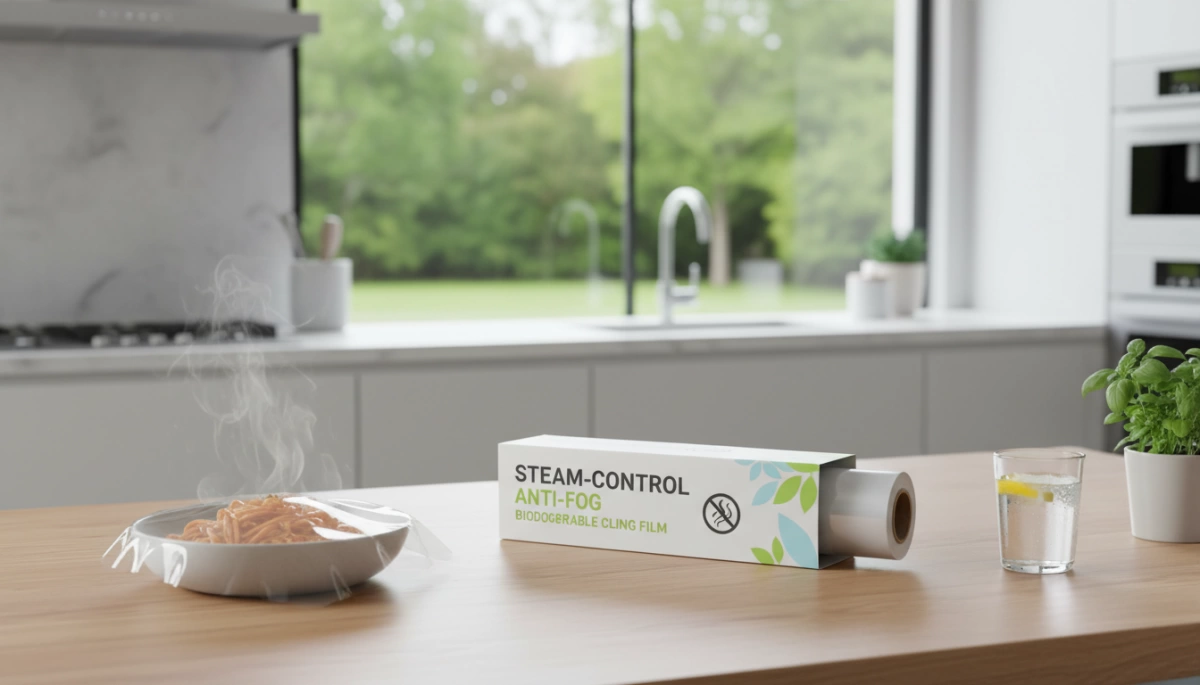
At Artfullife, we combine over 18 years of manufacturing expertise with a commitment to “Innovate Green.” Our biodegradable cling film lineup is engineered to solve the common issues of traditional plastic wrap while eliminating environmental guilt. We understand that businesses need reliable steam-control anti-fog performance without compromising on sustainability.
Plant-Based Materials with Superior Performance
Our films are crafted from renewable, plant-based sources, offering a robust alternative to conventional plastics. Unlike standard wraps that trap condensation, our compostable food wrap features high oxygen and moisture permeability. This breathability allows hot vapors to escape while keeping contaminants out, ensuring your hot foods remain visible and crisp rather than soggy and obscured by fog.
Key Technical Advantages:
- High Clarity & Anti-Fog: Advanced formulation prevents water droplets from forming, maintaining a crystal-clear view for produce display film and hot food merchandising.
- Puncture Resistance: Despite being eco-friendly, our films maintain high tensile strength to prevent tearing during wrapping.
- Safety Compliance: Fully compliant with FDA and EU food safety standards, ensuring no harmful chemicals leach into your food.
Certified Quality and Real-World Application
We don’t just claim sustainability; we verify it. Our products align with rigorous international standards, including EN13432, ASTM D6400, and OK Compost certifications. This ensures that after the film has served its purpose in your kitchen or facility, it breaks down efficiently in industrial composting environments.
For retailers and brands looking to capitalize on market trends and opportunities in sustainable packaging, our OEM/ODM services allow for full customization. Whether you need specific thickness for heavy-duty deli use or a lighter gauge for bakery items, we provide flexible solutions starting with a friendly MOQ of 5,000 pieces. Our direct factory control ensures that every roll of steam resistant plastic wrap meets strict quality benchmarks before it ships.
Frequently Asked Questions About Anti-Fog Cling Film
As a manufacturer with over 18 years of experience serving retailers and brands, we encounter many technical questions regarding steam-control anti-fog cling film. Ensuring you have the right answers helps in selecting the best product for your inventory.
Common Queries & Expert Answers
| Question | Expert Insight |
|---|---|
| How long does the anti-fog effect last? | High-quality anti-fog additives are designed to maintain clarity for the duration of the food’s shelf life, typically holding up well for several days in refrigerated displays. |
| Is it microwave-safe? | Most steam resistant plastic wrap is safe for reheating. However, it is crucial to vent the film to allow excess steam to escape and prevent bursting. |
| Can it handle high-fat foods? | Caution is advised. High-fat foods (like cheese or greasy meats) can reach high temperatures quickly in a microwave, potentially causing the film to melt. Leave a gap between the film and the food. |
| Commercial vs. Home Use? | Commercial rolls are significantly longer and often thicker to withstand high-volume kitchen prep. Home versions prioritize compact boxes and ease of use. |
Disposal and Sustainability
With the industry shifting toward eco-friendly food packaging, disposal is a top concern. Traditional PE films are recyclable in specific streams, but they often end up in landfills.
At Artfullife, we emphasize biodegradable cling film options. These materials are designed to break down in industrial composting environments, reducing long-term plastic waste. For brands looking to develop a custom sustainable line, understanding the advantages and disadvantages of using an ODM vs an OEM is vital for securing the right certifications and material specifications. We support clients with flexible MOQs starting at 5,000 pieces to make this transition easier.