
















How to Use Aluminum Foil: Your Ultimate Guide to Kitchen and Home Hacks
Ever wondered how to make the most of that roll of aluminum foil sitting in your kitchen? This versatile tool is more than just a wrap for leftovers—it’s a game-changer for cooking, storage, and even household hacks! At Artfullife, your trusted supermarket supplier, we’re here to share expert tips to unlock the full potential of aluminum foil. From grilling juicy meals to tackling tricky cleaning tasks, this guide has you covered with practical, creative ideas that’ll save you time and effort. Ready to dive into the shiny world of aluminum foil? Let’s get started!
Different Types of Aluminum Foil and How to Use Aluminum Foil
When deciding how to use aluminum foil effectively, understanding the different types available is essential. Aluminum foil comes mainly in two varieties: standard and heavy-duty. Each type serves specific purposes in the kitchen and beyond. Choosing the right foil depends on your cooking, storage, and household needs.
Standard vs Heavy-Duty Aluminum Foil What’s the Difference
- Standard aluminum foil is thinner and more flexible. It’s perfect for light tasks like wrapping sandwiches, lining baking trays, or covering dishes.
- Heavy-duty aluminum foil is thicker, more durable, and tear-resistant. Use this for grilling, roasting large cuts of meat, or when you need extra protection from heat and moisture. It’s especially useful for heavier or sharper foods that could puncture thinner foil.
Knowing when to select heavy-duty over standard foil can save you from foil tears, prevent leaks, and improve cooking outcomes such as better heat retention and food protection.
Choosing the Right Aluminum Foil for Your Needs
When choosing aluminum foil, consider:
- Purpose: For daily kitchen use and food storage, standard foil usually works. For grilling, roasting, or freezing, heavy-duty foil is better.
- Size and length: Larger rolls are cost-efficient if you use foil frequently.
- Thickness: Thicker foil resists heat better and prevents sticking or burning, ideal for ovens and grills.
- Brand quality matters: Reliable brands like Artfullife Aluminum Foil provide consistent thickness and durability, making cooking and storage easier and more effective.
Eco-Friendly Options and Recyclability
Many users worry about the environmental impact of aluminum foil. Here’s what to know:
- Aluminum foil is recyclable when clean and free from food residue. Rinse or wipe it before recycling.
- Look for eco-friendly foil options that use recycled aluminum or have minimal packaging.
- Reusable aluminum foil products are gaining popularity, offering sustainable alternatives for everyday use.
- Choosing eco-friendly foils aligns with responsible kitchen habits and reduces waste, without compromising on durability or convenience.
Using the right type of aluminum foil and being mindful of recycling practices can make your foil use both efficient and environmentally conscious. At Artfullife, we prioritize offering products that balance quality with sustainability, ensuring you get the best foil experience.
Aluminum Foil in Cooking Tips and Tricks
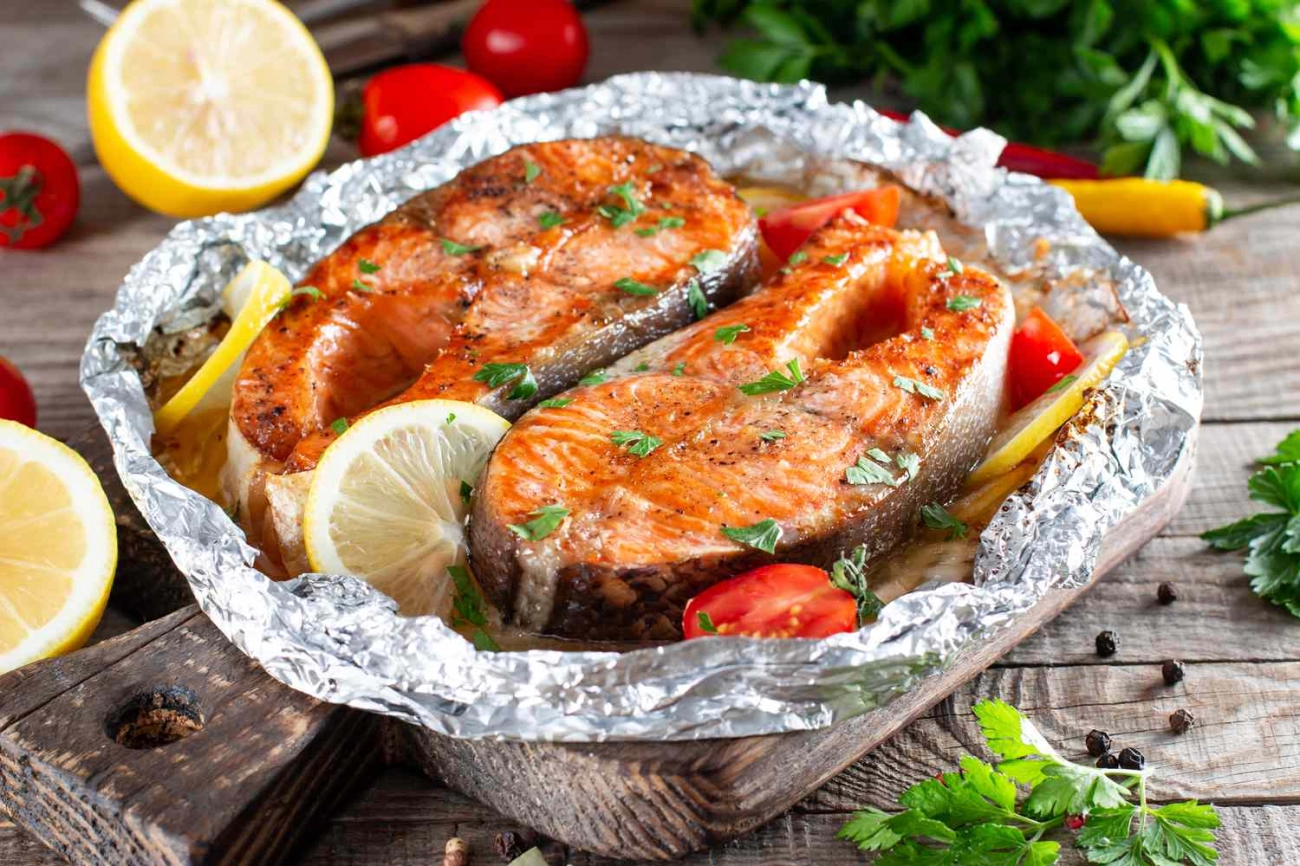
Aluminum foil is a kitchen staple when it comes to baking, grilling, roasting, and steaming. Knowing how to use it right can make your cooking easier and your food taste better. Here’s how to get the most out of aluminum foil in your kitchen.
Wrapping Food for Baking and Grilling
- Wrap tight but not too tight. When using foil to wrap food like potatoes, fish, or corn on the cob, make sure the foil is snug to lock in moisture but allow a bit of space so steam can circulate.
- Shiny side in or out? It doesn’t really matter much for cooking, but flipping the foil’s shiny side outward helps reflect heat better when grilling or baking.
- Seal edges well to prevent juices from escaping, which also helps keep the oven or grill clean.
Using Foil for Roasting and Steaming Vegetables and Meats
- Foil packets are a great way to steam veggies or cook meats with minimal cleanup. Wrap your veggies or seasoned meat in foil, add a splash of water or broth, and seal tightly.
- Place packets on the grill or in the oven at moderate heat for even cooking.
- This method locks in flavors and moisture without drying out your food.
How to Prevent Sticking and Burning with Foil
- Lightly grease the foil with cooking spray or a bit of oil when placing sticky or delicate items like fish or baked goods.
- Use a layer of parchment paper between the foil and food for extra protection.
- For grilling, avoid direct contact between foil and food that can burn easily by placing a layer of vegetables or lemon slices underneath.
- Tent the foil (don’t wrap tightly) over roasts to avoid burning the surface but still trap heat.
Creative Foil Uses in Cooking
- Foil packets are perfect for cooking mixed meals — combine proteins, veggies, and seasoning in one packet for an easy, all-in-one dinner.
- Use foil to make grilling baskets when you don’t have one handy — fold and shape the foil into a shallow basket to cook smaller food like shrimp or chopped veggies without losing them through the grill grates.
- Foil can also serve as a liner for baking sheets or pans, reducing cleanup and keeping your pans fresh.
Using aluminum foil smartly in cooking not only saves time but also enhances your food’s flavor and texture. Whether you’re grilling in the backyard or roasting in the oven, a little foil know-how goes a long way.
Food Storage and Preservation with Aluminum Foil
Using aluminum foil for food storage is a simple, effective way to keep your leftovers fresh and your freezer organized. It’s one of those kitchen essentials that does a great job when used correctly.
Wrapping Leftovers to Maintain Freshness
When you wrap leftovers in aluminum foil, make sure to cover the food tightly. This helps prevent moisture loss and stops air from getting in, which can cause food to dry out or spoil faster. For best results:
- Wrap leftovers as soon as they’ve cooled to room temperature.
- Use heavy-duty foil for items with sharp edges or bones to avoid tears.
- Label wrapped packages with the date to keep track of freshness.
Freezing Food Safely with Aluminum Foil
Aluminum foil is excellent for freezer storage because it provides a strong barrier against moisture and odors. To freeze food properly:
- Wrap food tightly in foil and then place it in a freezer-safe bag or container for extra protection.
- Double wrap delicate items like baked goods or meats to prevent freezer burn.
- Flatten wrapped packages to save space and allow for even freezing.
Combining Aluminum Foil with Other Storage Methods
For optimal food preservation, combine aluminum foil with other storage solutions:
- Use foil inside airtight containers to add an extra layer of protection.
- When freezing, wrap food in plastic wrap first, then cover with foil for a moisture-proof seal.
- For fridge storage, foil works well alone for solid foods but pair it with resealable plastic bags for liquids or sauces to avoid leaks.
By using aluminum foil alongside containers and plastic wrap, you can extend the shelf life of your food and reduce waste, which is exactly what you want in any busy American household.
Household and Non Culinary Uses of Aluminum Foil
Aluminum foil isn’t just for cooking and food storage. It’s a surprisingly handy tool for a variety of household tasks. Here’s how you can use aluminum foil around your home beyond the kitchen.
Cleaning with Aluminum Foil
- Scrubbing pans and grills: Crumple a piece of aluminum foil into a ball and use it as a scrubber to clean stubborn baked-on food from pots, pans, and grill grates. It’s tougher than a sponge but gentle enough not to damage most surfaces.
- Sharpening scissors: Fold a sheet of foil several times and cut through it with dull scissors. This sharpens the blades by honing their edges.
- Removing rust: Wrap aluminum foil around rusty tools or kitchenware and rub gently to lift rust without harsh chemicals.
Insulation and Heat Retention
- Keep heat in your pipes: Wrap your water pipes with aluminum foil before insulating them further to reflect heat and prevent freezing.
- Heat retention for food or rooms: Use foil sheets to cover vents or radiators to better direct heat into the room. You can also wrap hot water bottles to keep them warm longer.
- Draft blockers: Combine foil with weatherstripping to block cold air drafts around window sills and doors.
Craft DIY Projects and Protective Covers
- Craft projects: Aluminum foil is great for school or home art projects. Its malleability lets you create shapes or embossed designs easily.
- Protective covers: Line shelves, drawers, or work surfaces with foil to protect from spills, dirt, or paint. It’s disposable and makes cleanup quick.
- Gardening: Use foil strips as natural bird deterrents by hanging shiny strips in your garden to keep birds and pests away from plants.
Using aluminum foil this way helps you save money on specialized products and reduces waste by making the most out of what you already have. These practical household hacks make aluminum foil a versatile must-have for any American home.
Safety Tips and Precautions for Using Aluminum Foil

When using aluminum foil in cooking and storage, following safety guidelines is key to avoid problems like unwanted chemical reactions, health risks, or damage to your kitchenware.
Avoid Chemical Reactions with Acidic Foods
Aluminum foil can react with acidic foods such as tomatoes, citrus, vinegar, or onions. This reaction can cause the foil to break down, potentially imparting a metallic taste and even leaching small amounts of aluminum into your food. To prevent this:
- Avoid wrapping highly acidic or salty foods directly in aluminum foil.
- Instead, use a layer of parchment paper between the foil and food.
- Consider using glass or ceramic baking dishes for acidic recipes.
Safe Use of Aluminum Foil in the Oven and Microwave
Aluminum foil is great for oven use but requires caution, especially in microwaves.
- In the oven, use standard or heavy-duty foil to cover dishes or line pans for easy cleanup and heat retention. Make sure foil doesn’t touch heating elements to avoid fire hazards.
- Avoid placing foil in the microwave unless it’s a very small amount and strictly following your microwave manufacturer’s guidelines. Foil can cause arcing and fires if improperly used.
- When reheating food wrapped in foil, remove the foil before microwaving or transfer the food to a microwave-safe dish.
Health Considerations
Concerns about aluminum exposure exist, but occasional use of aluminum foil in cooking is considered safe by health authorities, including the FDA and WHO. To further reduce any risk:
- Avoid cooking on foil at extremely high temperatures for long periods.
- Do not use foil if it becomes heavily scratched or torn.
- Use foil sparingly with highly acidic or salty foods.
Recycling and Eco-Friendly Disposal
Aluminum foil is 100% recyclable when clean and free of food residue. Here’s how to recycle it properly:
- Rinse off any food scraps.
- Crumple used foil into a ball at least two inches wide to make it easier for recycling facilities to process.
- Check with your local recycling program to confirm if foil is accepted.
For those wanting to reduce waste, consider reusable alternatives like silicone baking mats or wax paper lining alongside using recyclable or compostable products.
By following these safety and recycling guidelines, you can enjoy the benefits of aluminum foil with confidence and minimize environmental impact.
Why Choose Artfullife Aluminum Foil for Your Kitchen Needs
When it comes to aluminum foil, quality and reliability matter. Artfullife Aluminum Foil stands out thanks to its superior durability and consistent performance, making it a trusted choice for cooking, food storage, and household uses.
Superior Quality and Durability
Artfullife uses high-grade materials to produce foils that are stronger and less prone to tearing than many standard brands. Whether you need heavy-duty aluminum foil for grilling or a lighter option for wrapping leftovers, you can depend on Artfullife’s foils to hold up through all your kitchen tasks. This means better heat retention, less mess, and no worries about ripping or breaking when you need it most.
Competitive Pricing and Easy Availability
One of the biggest perks of Artfullife Aluminum Foil is that it offers great value without compromising quality. You can find it easily in your local supermarkets across the US, so there’s no need to hunt for specialty store options or pay extra for premium packaging. This makes Artfullife a practical choice for everyday kitchens and large family meals alike.
Insights and Tips from Artfullife Experts
Artfullife isn’t just about selling foil; they focus on helping you get the most out of it. Many users share how simple tricks like folding edges tightly or layering foil for roasting dishes improve their cooking results. Here are a few expert tips:
- Use the shiny side facing inward to reflect heat back onto your food for faster cooking.
- Combine foil with parchment paper in the oven to avoid sticking.
- For grills, make foil packets with vegetables and seasoning to lock in moisture and flavor.
- When wrapping leftovers, double-wrap with foil and plastic wrap to keep foods fresher longer.
With Artfullife, you’re not just buying a product—you’re getting dependable quality and practical advice that make cooking and food storage easier.
Choosing Artfullife Aluminum Foil means you get durable, affordable, and easy-to-use foil that fits perfectly into any American household’s kitchen routine. Whether cooking, preserving, or cleaning, Artfullife supports your daily needs with trusted products and helpful tips.