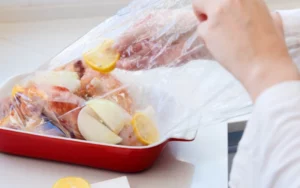


















If you’ve ever wondered how PE bags keep food fresh longer, you’re not alone. Preserving the crispness of your fruits or the freshness of baked goods can sometimes feel like a daily challenge—and that’s where polyethylene (PE) bags come into play. These simple yet powerful packaging solutions are making a big difference in food storage, helping households and businesses cut down on waste while keeping food tasting its best.
In this post, you’ll get a clear look at what makes PE bags essential for food preservation, how their unique properties protect your food, and why they’re a smart choice over other materials. Plus, we’ll share practical tips to get the most out of your PE bags and explain how Artfullife’s high-quality options can help you store smarter. Ready to dive in? Let’s explore the science and benefits behind PE bags and longer-lasting freshness.
What Are PE Bags Food Storage Bags Explained
Polyethylene bags, commonly known as PE bags, are a popular type of food packaging solution designed to keep food fresh longer. These bags are made from polyethylene, a versatile plastic polymer known for its strength, flexibility, and safety in contact with food.
Types of Polyethylene Bags Used for Food Storage
There are two main types of polyethylene bags used in food storage: LDPE (Low-Density Polyethylene) and HDPE (High-Density Polyethylene). Each type offers unique benefits that make them suitable for different food preservation needs.
-
LDPE Bags
LDPE bags are soft, flexible, and clear. These bags are perfect for storing fresh fruits, vegetables, nuts, and baked goods. Their flexibility allows easy sealing and they provide a good balance of breathability and moisture retention, making them ideal for freshness preservation techniques where gentle airflow is beneficial.
-
HDPE Bags
HDPE bags are tougher and more rigid compared to LDPE. They offer better barrier properties against moisture and air but are less flexible. Thanks to their durability, HDPE bags are commonly used for packaging heavier or sharper items. They are great for foods needing an extra level of protection from external contaminants.
Material Properties Relevant to Food Preservation
Polyethylene bags offer several key properties that make them excellent as food preservation materials:
-
Flexibility
The flexible nature of PE bags allows them to conform to the shape of the food product and create a tight seal, reducing air exposure and preventing moisture loss.
-
Clarity
Most PE bags are clear, allowing easy visibility of the contents without opening the bag. This helps monitor freshness without disturbing the packaging and cutting down on waste.
-
Durability
PE bags are strong enough to resist tearing, punctures, and leaks. This durability is crucial in maintaining an airtight environment that slows spoilage and protects food from contamination during storage and transport.
Together, these properties make polyethylene food bags a reliable, cost-effective choice for extending shelf life and protecting freshness across a wide range of food types.
How PE Bags Keep Food Fresh Longer with Effective Barrier Properties
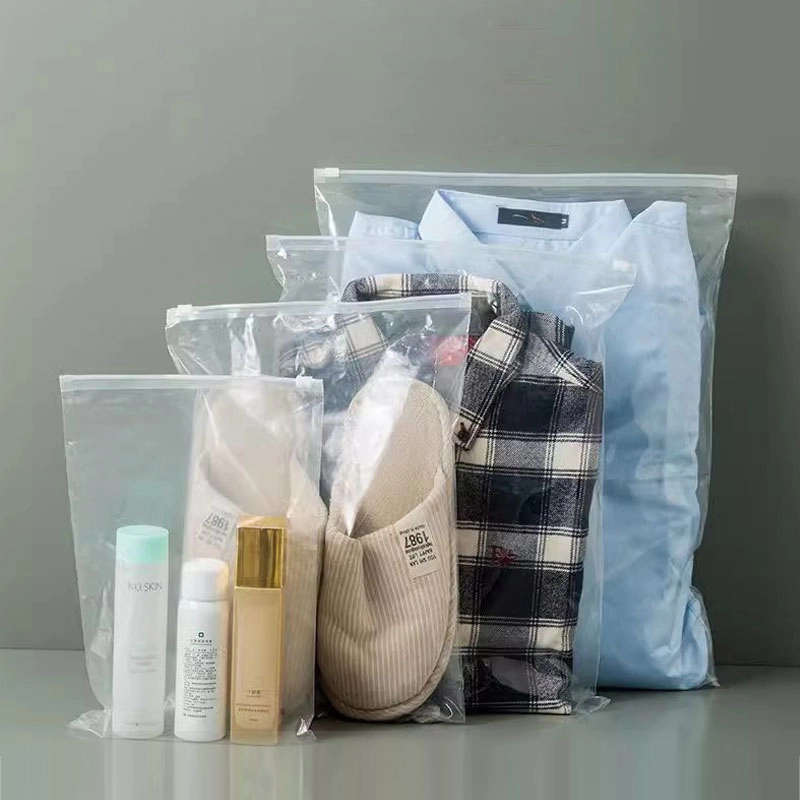
Polyethylene food bags work by creating a strong barrier that protects your food from moisture, air, and contaminants. This barrier is key to extending shelf life and keeping food safe.
Controlling Oxygen Exposure and Slowing Oxidation
Oxygen is one of the biggest enemies of food freshness. When food is exposed to oxygen, it starts to spoil faster through oxidation, which affects flavor, color, and texture. PE bags control the amount of oxygen that reaches the food, slowing down this process and helping food stay fresh longer.
Retaining Natural Humidity and Preventing Dehydration
PE bags are great at trapping the natural moisture inside, which prevents food from drying out. This is especially helpful for fruits and vegetables that tend to lose their crispness and freshness when exposed to dry air.
Reducing Bacterial Growth and Spoilage
By limiting air and moisture exposure, PE bags help reduce the environment where bacteria and mold thrive. This helps slow down spoilage, keeping food safer for a longer time compared to leaving it exposed.
Comparison with Other Packaging Materials
Compared to paper or biodegradable bags, polyethylene food packaging offers:
- Better moisture and air barrier properties
- Greater durability and flexibility without tearing easily
- Maintains freshness even under refrigeration or freezer storage
While biodegradable bags are eco-friendly, they often don’t provide the same level of protection against oxygen and moisture, which means food may not last as long.
By keeping oxygen, moisture, and contaminants at bay, PE bags stand out as one of the best food storage bags for preserving freshness and extending shelf life reliably.
Advantages of Using PE Bags for Food Storage
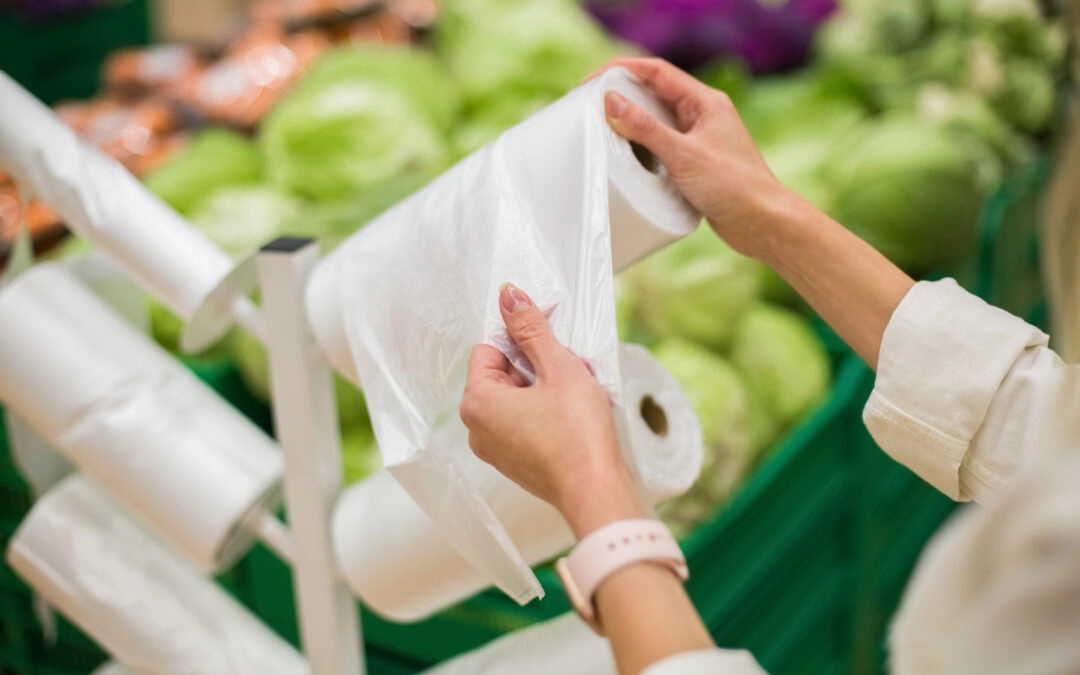
When it comes to polyethylene food bags, there are several clear benefits that make them a top choice for keeping your food fresh longer while meeting everyday needs.
Lightweight and Flexible for Convenience
PE bags are lightweight and easy to handle, making them perfect for quick storage and transport. Their flexibility allows them to conform tightly around various food shapes, minimizing air pockets that can cause spoilage. This adaptability helps protect everything from leafy greens to bulkier baked goods without adding extra weight or bulk.
Cost-Effective and Widely Available
One major advantage is their affordability and easy availability. Unlike some specialty storage options, PE bags are budget-friendly and stocked in most supermarkets and stores. This makes them a practical option for families and businesses alike who want effective food packaging solutions without overspending.
Safe and Food-Grade Certified
PE bags used for food storage are made from food-grade certified materials, ensuring they don’t release harmful chemicals or affect your food’s taste and safety. This safety aspect is key in the U.S. market, where consumers demand reliable, non-toxic packaging that complies with FDA standards.
Reusable and Recyclable Aspects
Many PE bags are designed to be reusable, allowing for multiple uses before recycling. This not only cuts down on waste but also provides additional value over disposable options. Plus, polyethylene is widely accepted in recycling programs, making these bags a more sustainable choice compared to other plastics.
Versatility in Storing Various Food Types
Perhaps the biggest benefit is how versatile PE bags are. They can easily store an array of foods including:
- Fruits like berries and apples
- Vegetables such as carrots and greens
- Nuts and seeds that respond well to air and moisture control
- Baked goods including bread and pastries, which stay softer longer
This versatility makes PE bags a staple in kitchens, supermarkets, and food supply chains.
For those interested in exploring more specialized food storage options, consider checking out Pe Bags for Food Preservation to see how these materials perform in real-world applications.
All these advantages come together to make PE bags a reliable, cost-effective, and safe choice for anyone serious about keeping food fresh longer in a practical, everyday way.
Practical Tips for Using PE Bags to Maximize Freshness with Food Storage Bags
Using polyethylene (PE) bags effectively can make a big difference in keeping your food fresh longer. Here are some key tips to get the most out of your PE food storage bags:
Choose the Right Size and Thickness for Your Food
- Match bag size to the food portion: Avoid excess air by selecting a bag that fits snugly around your produce, nuts, or baked goods.
- Consider thickness based on food type: Thicker bags (like HDPE) are better for heavier or sharper items, while thinner bags (LDPE) work well for fruits and vegetables.
- Use food-grade PE bags for safety and to avoid contamination.
Seal Properly to Maintain Airtight Conditions
- Use airtight seals like zip-lock or heat-sealed closures to cut off oxygen and moisture.
- Remove as much air as possible before sealing to slow oxidation and bacterial growth.
- Regularly check seals if storing foods long-term to ensure freshness.
Mind the Storage Temperature
- Store PE bags in recommended temperatures—usually cool and dry places for nuts and baked goods.
- For fresh fruits and vegetables, refrigeration combined with PE bags helps maintain natural humidity and slows spoilage.
- Avoid freezing thin PE bags unless designed for freezer use to prevent damage.
Safely Reuse PE Bags When Possible
- Rinse and dry bags thoroughly before reuse to reduce contamination.
- Avoid reusing bags that stored raw meats or highly perishable items to prevent cross-contamination.
- Reusable PE bags can be a cost-effective and eco-friendlier choice when handled properly.
Combine PE Bags with Other Storage Methods
- Vacuum sealing plus PE bags can greatly extend shelf life by removing almost all air.
- Using PE bags inside airtight containers adds an extra layer of protection.
- Refrigeration or freezing along with PE bags maximizes freshness and slows down spoilage.
By following these practical tips, you’ll get the most out of your polyethylene food bags, helping you keep your food fresh, safe, and ready to enjoy longer.
PE Bags and Sustainability Balancing Freshness and Environment
When it comes to keeping food fresh, PE bags are a top choice across many American households and businesses. But there’s more to the story — these bags also play a role in sustainability, something that’s becoming increasingly important for shoppers and suppliers alike.
Environmental Considerations of PE Bags
Polyethylene bags are lightweight and use less material compared to many other packaging options, which reduces overall waste and energy in production. However, traditional PE bags are made from plastic, raising concerns about plastic pollution. While they do contribute to plastic waste if not properly managed, PE bags are fully recyclable when processed through the right channels. The key lies in responsible disposal and recycling programs that keep these materials out of landfills and oceans.
Innovations in Eco-Friendly PE Bags and Recycling Programs
The food packaging industry, including suppliers like Artfullife, is investing heavily in eco-friendly PE bags. These newer versions often use:
- Recycled polyethylene materials to lower virgin plastic use
- Bio-based polyethylene options derived partly from renewable sources
- Designs that support easy recycling and reuse
Coupled with local and national recycling programs, these improvements help reduce the environmental footprint of PE food storage bags.
Artfullife’s Commitment to Sustainable Packaging Solutions
At Artfullife, we understand the delicate balance between food freshness and environmental care. That’s why we prioritize sustainable PE bags that meet strict food safety standards while also supporting greener practices. Our range includes bags designed for maximum reusability and efficient recycling, helping supermarkets and food suppliers in the U.S. minimize waste without sacrificing quality.
We continually work on expanding our eco-friendly product line and collaborating with partners to promote better recycling habits. By choosing Artfullife PE bags, you’re not only protecting your food—it’s a commitment toward a cleaner, more sustainable future.
Why Choose Artfullife PE Bags for Food Storage Solutions
When it comes to polyethylene food bags that keep your products fresh and safe, Artfullife stands out. We understand the unique demands of U.S. supermarkets and food suppliers, and our food packaging solutions are crafted with that in mind.
Quality Assurance and Food Safety Certifications
Artfullife PE bags are made following the highest standards. Each batch goes through strict quality checks to ensure they meet food safety regulations. Our bags are FDA-approved and food-grade certified, meaning you can trust them to protect your food without harmful chemicals or contamination. This kind of reliability is crucial for preserving freshness and extending shelf life across a wide range of foods.
Customizable PE Bags for Supermarkets and Food Suppliers
Every food business is different, and Artfullife provides customizable PE bags to fit your specific needs. Whether it’s the right size, thickness, or seal type, we tailor solutions to match various products—fruits, vegetables, nuts, baked goods, and more. This flexibility means you get the perfect fit for your food storage requirement, helping maintain quality and reduce waste.
Real Customer Testimonials and Case Studies
We’re proud of the feedback from supermarkets and food suppliers across the country. Our customers consistently report:
- Improved food freshness and longer shelf life
- Greater convenience with lightweight, flexible bags
- Cost savings through reduced spoilage and bag reusability
Case studies show how switching to Artfullife PE bags helped retailers lower waste and keep customers happier with fresher produce.
Easy Ordering and Reliable Customer Support from Artfullife
Ordering your PE bags is straightforward, with quick turnaround times and shipping options that work for your business. Plus, our customer service team is always ready to assist—whether you need help choosing the right product, advice on storage, or support with bulk orders.
Choosing Artfullife means choosing trusted food packaging materials designed for freshness, safety, and your convenience.