
















Aluminum foil plays a vital role in modern industries and households. Its production begins with raw aluminum, a material derived from bauxite ore. Factories refine this ore into alumina and then transform it into pure aluminum through electrolysis. This pure aluminum undergoes a meticulous process to become the thin, flexible sheets you use daily. Since its introduction in 1913, aluminum foil has revolutionized packaging and other applications. Today, the global aluminum foil market continues to grow, with projections reaching over $39 billion by 2030, driven by its versatility and demand.
Key Takeaways
- Aluminum foil production starts with bauxite ore, which is refined into alumina and then transformed into pure aluminum through electrolysis.
- The manufacturing process involves multiple stages, including casting, rolling, and annealing, to achieve the desired thickness and flexibility of the foil.
- Quality control is crucial; manufacturers use advanced instruments to ensure consistent thickness and inspect for surface defects throughout production.
- Aluminum foil is highly recyclable, saving up to 95% of the energy needed to produce new aluminum, making it an eco-friendly choice.
- Innovations in technology and energy-efficient practices are shaping the future of aluminum foil production, focusing on sustainability and waste reduction.
- Aluminum foil’s versatility makes it essential for various applications, from cooking and food storage to packaging and insulation in industrial settings.
- By choosing aluminum foil, consumers support sustainable practices and contribute to reducing waste and conserving natural resources.
Raw Materials and Preparation for Aluminum Foil
Sourcing Aluminum
Mining and refining bauxite into alumina
The journey of aluminum foil begins with bauxite, a reddish-brown ore rich in aluminum content. You might not know this, but bauxite is the primary source of aluminum worldwide. Factories extract this ore from open-pit mines, often located in tropical and subtropical regions. Once mined, the bauxite undergoes the Bayer process, a refining method that separates aluminum oxide, also known as alumina, from impurities like iron oxide and silica. This step ensures that the raw material is pure enough for the next stage of production.
Did you know? Around 90% of all bauxite mined globally is refined into alumina, which eventually becomes aluminum. The remaining 10% finds use in other industries, such as abrasives and chemicals.
Electrolysis to produce pure aluminum
After refining, the alumina is ready for transformation into pure aluminum. This happens through a process called electrolysis, specifically the Hall-Héroult method. In this step, factories dissolve alumina in molten cryolite, a compound that lowers the melting point of alumina. By passing an electric current through the solution, aluminum separates and collects at the bottom of the electrolytic cell. This pure aluminum serves as the foundation for creating aluminum foil. The precision of this process ensures high-quality aluminum, which is essential for producing durable and versatile foil sheets.
Preparing Aluminum Ingots
Casting aluminum into large blocks or ingots
Once the aluminum is purified, it is cast into large blocks known as ingots. These ingots act as the raw material for rolling aluminum into thinner forms. Factories pour molten aluminum into molds, allowing it to cool and solidify into these massive blocks. This casting process ensures that the aluminum is easy to handle and transport within the production facility.
Cleaning and inspecting ingots for impurities
Before moving forward, the ingots undergo thorough cleaning and inspection. This step removes any surface contaminants or residues that could affect the quality of the final product. Advanced tools and techniques help detect impurities or structural flaws within the ingots. By ensuring the purity and integrity of the aluminum at this stage, manufacturers set the foundation for producing high-quality aluminum foil that meets industry standards.
The Aluminum Foil Manufacturing Process
Casting and Initial Rolling
Heating and shaping aluminum ingots into slabs
The process begins with heating aluminum ingots to a high temperature. This step softens the metal, making it easier to shape. Factories use specialized furnaces to ensure the ingots reach the optimal temperature for processing. Once heated, the ingots are shaped into slabs. These slabs serve as the starting point for creating aluminum foil. By controlling the temperature and shaping process, manufacturers prepare the aluminum for the next stage of production.
Rolling slabs into thinner sheets through multiple passes
After shaping, the slabs undergo rolling to reduce their thickness. Large rollers press the slabs, gradually transforming them into thinner sheets. This process requires multiple passes through the rolling mills. Each pass reduces the thickness further, ensuring the sheets meet specific requirements. Rolling oil is applied during this stage to minimize friction and prevent damage to the aluminum. This step lays the groundwork for achieving the thinness required for aluminum foil.
Cold Rolling and Annealing
Successive cold rolling to achieve desired thickness
Cold rolling follows the initial rolling process. Unlike hot rolling, cold rolling occurs at room temperature. This method enhances the precision of thickness reduction. The aluminum sheets pass through rollers repeatedly, becoming thinner with each pass. For very thin sheets, manufacturers use a technique called pack rolling. In this method, two sheets are rolled together to achieve the final gauge. Cold rolling ensures the aluminum foil reaches the desired thickness while maintaining its structural integrity.
Annealing to enhance flexibility and strength
Annealing comes next to improve the foil’s properties. This process involves heating the aluminum sheets in a controlled environment. Annealing softens the metal, making it more flexible and durable. It also removes any residual stress from the rolling process. By carefully managing the temperature and duration, manufacturers enhance the foil’s strength and usability. This step ensures the aluminum foil can withstand various applications without tearing or breaking.
Final Rolling and Surface Finishing
Rolling two layers of foil simultaneously for final thickness
In the final rolling stage, two layers of aluminum foil are rolled together. This technique prevents the foil from tearing during the process. The layers are separated after rolling, resulting in two sheets of foil. This method allows manufacturers to achieve extremely thin gauges, often less than 10 microns. The precision of this step ensures the foil meets industry standards for thickness and quality.
Achieving bright and matte finishes through rolling techniques
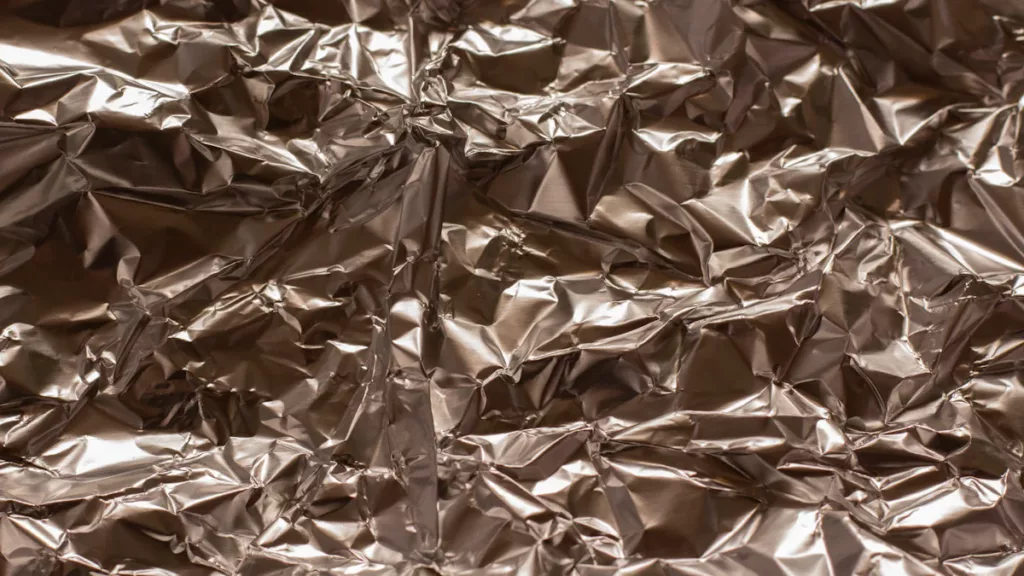
The rolling process also determines the foil’s surface finish. One side of the foil becomes bright, while the other side remains matte. This happens because the two layers of foil are in contact during rolling. The side that touches the polished rollers becomes shiny, while the other side retains a matte texture. These finishes add versatility to aluminum foil, making it suitable for various uses, from packaging to insulation.
Cutting and Packaging
Cutting foil to size for various applications
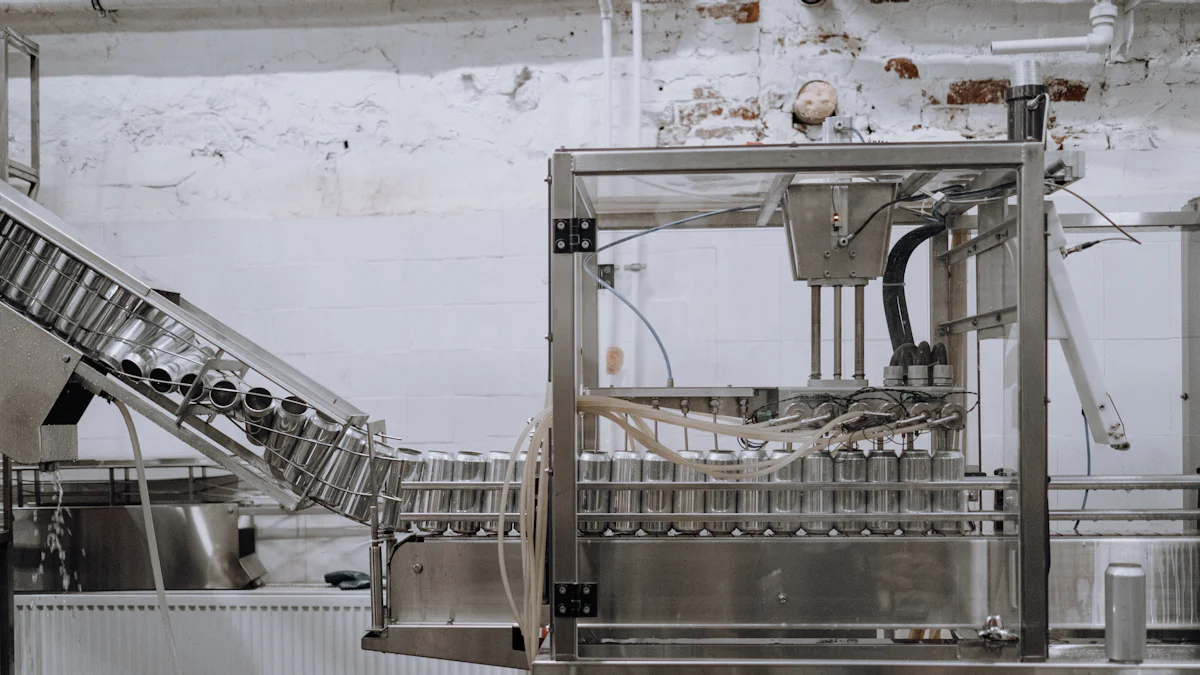
Once the aluminum foil reaches its final thickness, it undergoes precise cutting to meet specific application needs. Factories use advanced cutting machines to slice the foil into various widths and lengths. These machines ensure accuracy, allowing the foil to fit perfectly for its intended purpose. Whether you need foil for food packaging, insulation, or industrial use, this step guarantees that the product meets your requirements.
The cutting process also minimizes waste. Manufacturers carefully plan the dimensions to maximize material usage. This approach not only reduces costs but also supports sustainable production practices. As a result, you receive a product that is both efficient and environmentally friendly.
Expert Insight: CHAL Aluminium Corporation, a leading supplier, highlights the importance of monitoring every stage of aluminum foil production. This attention to detail ensures high-quality foil that meets your expectations.
Packaging for distribution and storage
After cutting, the aluminum foil moves to the packaging stage. Factories wrap the foil in protective materials to prevent damage during transportation and storage. This step shields the foil from moisture, dust, and other contaminants. Proper packaging ensures that the foil remains in excellent condition until it reaches your hands.
Manufacturers often customize the packaging to suit different markets. For example, household aluminum foil may come in rolls with easy-to-use dispensers, while industrial foil might be packed in bulk. These tailored solutions make the product more convenient for you to use.
Did you know? The thickness of aluminum foil can vary slightly due to the challenges of controlling it during production. Despite this, manufacturers maintain strict quality standards to deliver consistent results.
By the time the aluminum foil is ready for distribution, it has undergone rigorous processes to ensure durability and usability. From cutting to packaging, every step focuses on delivering a product that meets your needs while maintaining high quality.
Quality Control in Aluminum Foil Production
Ensuring Thickness and Consistency
Using precision instruments to measure foil thickness
Maintaining precise thickness is crucial in aluminum foil production. Factories use advanced precision instruments, such as laser micrometers and ultrasonic gauges, to measure the thickness of the foil. These tools provide real-time data, ensuring that every sheet meets the required specifications. By continuously monitoring the thickness, manufacturers can quickly identify and correct any deviations during the production process. This approach guarantees that the foil you use delivers consistent performance, whether for household or industrial applications.
Fun Fact: The thickness of aluminum foil can range from 0.006 mm to 0.2 mm, depending on its intended use. Precision instruments ensure this variation stays within acceptable limits.
Maintaining uniformity across the entire sheet
Uniformity plays a key role in the quality of aluminum foil. Factories rely on automated systems equipped with sensors and cameras to inspect the foil as it moves through the production line. These systems detect inconsistencies, such as uneven thickness or irregular edges, and alert operators to make adjustments. By maintaining uniformity, manufacturers ensure that the foil performs reliably, whether you’re using it for cooking, packaging, or insulation. This meticulous attention to detail reflects the high standards upheld in aluminum foil production.
Durability and Surface Inspections
Testing for strength, flexibility, and resistance to tearing
Durability testing ensures that aluminum foil can withstand various applications without failing. Factories conduct rigorous tests to evaluate the foil’s strength, flexibility, and resistance to tearing. For example, tensile strength tests measure how much force the foil can endure before breaking. Flexibility tests assess its ability to bend without cracking. These evaluations help manufacturers produce foil that meets your expectations for reliability and performance. Whether you’re wrapping food or using foil in industrial settings, these tests ensure the product holds up under pressure.
Industry Insight: Automated testing systems have replaced many manual inspections, improving accuracy and efficiency in quality control.
Inspecting for surface defects or contamination
Surface quality is another critical aspect of aluminum foil production. High-resolution cameras and sensors scan the foil for defects like scratches, dents, or contamination. These inspections occur at multiple stages of the manufacturing process, ensuring that any issues are addressed promptly. Clean, defect-free surfaces enhance the foil’s functionality and appearance, making it suitable for a wide range of uses. By prioritizing surface inspections, manufacturers deliver a product that meets both aesthetic and practical requirements.
Did you know? Automated inspection systems can detect even microscopic defects, ensuring that the foil you receive is of the highest quality.
Environmental Considerations in Aluminum Foil Production
Recycling Aluminum Foil
The recyclability of aluminum and its environmental benefits
Aluminum foil stands out as one of the most recyclable materials available today. Unlike many other packaging materials, aluminum can be recycled indefinitely without losing its quality. This unique property makes it a sustainable choice for both manufacturers and consumers. Recycling aluminum saves up to 95% of the energy required to produce new aluminum from raw materials. This significant energy reduction not only lowers production costs but also minimizes greenhouse gas emissions.
Recycling programs have grown substantially over the years. In the United States, more than 80% of aluminum production now comes from recycled materials. This shift has doubled the amount of aluminum collected for recycling compared to the 1980s. By choosing to recycle aluminum foil, you contribute to reducing waste in landfills and conserving natural resources.
Did you know? Nearly 75% of all aluminum ever produced is still in use today, thanks to its recyclability. This highlights the long-term environmental benefits of aluminum products.
How recycled aluminum is integrated into foil production
Recycled aluminum plays a crucial role in the production of new aluminum foil. Once collected, used aluminum products are melted down in specialized facilities. This process removes impurities and prepares the material for reuse. The molten aluminum is then cast into ingots, which serve as the starting point for manufacturing new foil.
Factories seamlessly integrate recycled aluminum into their production lines. This approach not only reduces the demand for raw bauxite but also supports a circular economy. Advances in recycling technology have made it possible to recycle even flexible foil packaging, which was once considered challenging. By supporting recycling initiatives, you help ensure that aluminum foil remains an eco-friendly option for future generations.
Scientific Research Findings: A study by the International Aluminium Institute revealed that effective global recycling of aluminum cans could save 60 million tonnes of CO2 emissions annually by 2030.
Energy Efficiency and Waste Reduction
Innovations in energy-efficient manufacturing processes
Modern aluminum foil production has embraced energy-efficient technologies to reduce its environmental footprint. Factories now use advanced furnaces and rolling mills designed to consume less energy while maintaining high production standards. These innovations include heat recovery systems that capture and reuse energy during the manufacturing process. By adopting these methods, manufacturers significantly lower their energy consumption and carbon emissions.
Automation also plays a key role in improving energy efficiency. Smart systems monitor and optimize every stage of production, ensuring minimal energy waste. These advancements not only benefit the environment but also make aluminum foil production more cost-effective. As a consumer, you indirectly support these sustainable practices by choosing products made with energy-efficient methods.
Industry Insight: Recycling aluminum requires only 5% of the energy needed to produce new aluminum, making it one of the most energy-efficient materials to recycle.
Minimizing production waste and emissions
Waste reduction is another critical focus in aluminum foil production. Factories strive to minimize scrap material by optimizing cutting and rolling processes. Any leftover aluminum is collected, melted, and reused, ensuring that no material goes to waste. This closed-loop system reduces the need for raw materials and supports sustainable manufacturing.
Efforts to cut emissions have also gained momentum. Many factories now use cleaner energy sources, such as natural gas or renewable energy, to power their operations. Additionally, advanced filtration systems capture and neutralize harmful emissions before they are released into the atmosphere. These measures align with global efforts to combat climate change and promote sustainable industrial practices.
Fun Fact: Aluminum waste does not release harmful contaminants into the soil or water, making it an environmentally friendly material to recycle and reuse.
By supporting energy-efficient and waste-reducing practices, you play a part in creating a more sustainable future. Aluminum foil production continues to evolve, prioritizing environmental responsibility without compromising quality or performance.
Applications of Aluminum Foil in Daily Life
Household Uses
Cooking, food storage, and insulation
Aluminum foil has become an essential tool in your kitchen. Its heat-resistant properties make it perfect for cooking and baking. You can wrap food in foil to lock in moisture and flavor while roasting or grilling. It also works as a barrier to prevent food from sticking to pans, saving you time during cleanup. When storing leftovers, aluminum foil helps preserve freshness by sealing out air and moisture. This keeps your food safe and flavorful for longer periods.
Foil also serves as an excellent insulator. You can use it to keep your meals warm by wrapping them tightly. For outdoor enthusiasts, aluminum foil is a campsite hero. It can be shaped into makeshift cooking utensils or used to create a reflective surface to direct heat. Its versatility ensures that you always have a reliable solution for your cooking and storage needs.
Fun Tip: If you need to clean tarnished silverware, line a pan with aluminum foil, add cold water and table salt, and soak your silverware for five minutes. Rinse and dry to reveal sparkling results!
Industrial and Commercial Uses
Packaging, electronics, and construction materials
In industries, aluminum foil plays a critical role in packaging. Its ability to block light, oxygen, and moisture makes it ideal for preserving food, beverages, and pharmaceuticals. You’ll often find it in flexible packaging for snacks, coffee, and even medicine blister packs. Its lightweight nature reduces shipping costs, making it a preferred choice for manufacturers.
In electronics, aluminum foil acts as a conductor and shield. It protects sensitive components from electromagnetic interference, ensuring devices function properly. You’ll find it in cables, capacitors, and even batteries. Its durability and conductivity make it indispensable in modern technology.
In construction, aluminum foil contributes to energy efficiency. Builders use it as a reflective insulation material to regulate indoor temperatures. It reflects heat away during summer and retains warmth in winter, reducing energy consumption. Its corrosion resistance and lightweight properties make it a practical choice for long-term applications in building projects.
Did you know? Aluminum foil’s recyclability and versatility make it a sustainable option for both household and industrial purposes.
Future Trends in Aluminum Foil Manufacturing
Advancements in Technology
Automation and precision engineering in production
The future of aluminum foil manufacturing lies in advanced technology. Automation is transforming production lines, making them faster and more efficient. Machines equipped with artificial intelligence (AI) now monitor every stage of the process. These systems detect errors in real time, ensuring consistent quality. You benefit from this precision, as it results in aluminum foil that meets exact specifications for thickness, strength, and durability.
Precision engineering also plays a vital role. Modern rolling mills use state-of-the-art technology to achieve ultra-thin gauges. These machines operate with incredible accuracy, reducing material waste. This innovation not only improves production efficiency but also supports sustainability. By adopting these advancements, manufacturers can produce high-quality aluminum foil while minimizing environmental impact.
Scientific Research Findings: A study on Trends in Household Use Aluminum Foil Market highlights how technological advancements are shaping the industry. These innovations enhance production speed and quality, meeting the growing demand for versatile and reliable aluminum foil.
Sustainability and Eco-Friendly Practices
Developing greener production methods and materials
Sustainability is becoming a cornerstone of aluminum foil manufacturing. Factories are now focusing on greener production methods to reduce their environmental footprint. Energy-efficient furnaces and rolling mills consume less power, cutting down on greenhouse gas emissions. Heat recovery systems capture and reuse energy, further enhancing efficiency. These practices align with global efforts to combat climate change.
Manufacturers are also exploring eco-friendly materials. Recycled aluminum is increasingly integrated into production lines. This approach reduces the need for raw bauxite, conserving natural resources. Recycling aluminum saves up to 95% of the energy required to produce new aluminum. By choosing products made from recycled materials, you contribute to a circular economy.
Did you know? According to a study on Sustainable Innovations in Aluminum Foil Tray Production, ongoing research into sustainable materials will lead to even more eco-friendly aluminum foil products in the future.
Efforts to minimize waste are also gaining momentum. Factories optimize cutting processes to reduce scrap material. Any leftover aluminum is collected, melted, and reused. This closed-loop system ensures that no material goes to waste. By supporting these initiatives, you help promote a more sustainable future for aluminum foil production.
Fun Fact: Nearly 75% of all aluminum ever produced is still in use today, thanks to its recyclability. This makes aluminum foil one of the most sustainable materials available.
Aluminum foil undergoes a detailed process to transform raw aluminum into thin, flexible sheets that serve countless purposes. Manufacturers ensure its quality through rigorous inspections, maintaining high standards for thickness, durability, and surface finish. Recycling and energy-efficient production methods make aluminum foil an environmentally responsible choice. Its versatility supports both household and industrial applications, from food preservation to advanced electronics. As innovations in technology and sustainability continue, aluminum foil remains a vital material, meeting the growing demands of modern industries and eco-conscious consumers.
FAQ
How is aluminum foil made?
Aluminum foil starts its journey as bauxite ore, which is refined into alumina and then transformed into pure aluminum through electrolysis. Factories cast this aluminum into ingots, roll it into thin sheets, and process it further to achieve the desired thickness and surface finish. The final steps include cutting and packaging the foil for various applications.
Why does aluminum foil have a shiny and matte side?
The shiny and matte sides result from the final rolling process. During this stage, two layers of foil are rolled together. The side that touches the polished rollers becomes shiny, while the other side remains matte. Both sides perform equally well for most uses, so you can use either side based on your preference.
Can aluminum foil be recycled?
Yes, aluminum foil is 100% recyclable. Recycling aluminum saves up to 95% of the energy required to produce new aluminum from raw materials. To recycle foil, ensure it is clean and free of food residue. Many recycling programs accept aluminum foil, making it an eco-friendly choice.
Fun Fact: Nearly 75% of all aluminum ever produced is still in use today due to its recyclability.
What makes aluminum foil so versatile?
Aluminum foil is lightweight, flexible, and resistant to heat, moisture, and light. These properties make it suitable for cooking, food storage, insulation, and industrial applications. Its ability to block oxygen and light also makes it ideal for preserving the freshness of food and pharmaceuticals.
Why is aluminum spelled differently in some countries?
The spelling difference stems from historical variations in the word’s adoption. In the United States, “aluminum” is the standard spelling, while “aluminium” is used in British English. Both terms refer to the same metal, and the difference is purely linguistic.
How thin can aluminum foil get?
Aluminum foil can be as thin as 0.006 mm, depending on its intended use. Manufacturers achieve this thinness through precise rolling techniques. Despite its thinness, aluminum foil remains durable and effective for various applications.
Is aluminum foil safe for cooking?
Yes, aluminum foil is safe for cooking. It withstands high temperatures and does not release harmful substances when used correctly. You can use it to wrap food, line baking trays, or create makeshift cooking tools. However, avoid using foil with acidic foods for extended periods, as this may cause slight reactions.
What are the environmental benefits of using aluminum foil?
Aluminum foil is highly sustainable due to its recyclability. Recycling aluminum reduces energy consumption and greenhouse gas emissions. Additionally, its lightweight nature lowers transportation costs and energy use. By choosing aluminum foil, you contribute to reducing waste and conserving resources.
How does aluminum foil help in insulation?
Aluminum foil reflects heat, making it an excellent insulator. It helps regulate temperatures by reflecting heat away in summer and retaining warmth in winter. This property makes it useful in construction, packaging, and even household applications like keeping food warm.
What should I do if I have more questions about aluminum foil?
If you have additional questions about aluminum foil or its production, feel free to reach out to manufacturers or suppliers. Many companies, like CHAL Aluminium Corporation, provide detailed information and support. You can also explore online resources or contact local recycling programs for specific queries.