















Are you wondering what is cling film and how it can simplify your daily life? Choosing the right cling film can transform the way you store food, protect items, and even reduce waste.
As a sustainability enthusiast, I’ve seen firsthand how the right food wrap makes a difference in both convenience and eco-conscious living. With Artfullife, you get practical solutions that balance functionality with environmental care.
In this guide, you’ll uncover everything about cling film—from its materials and uses to eco-friendly options that align with modern needs. Let’s dive in and explore how Artfullife’s sustainable cling film can elevate your storage game!
What is Cling Film
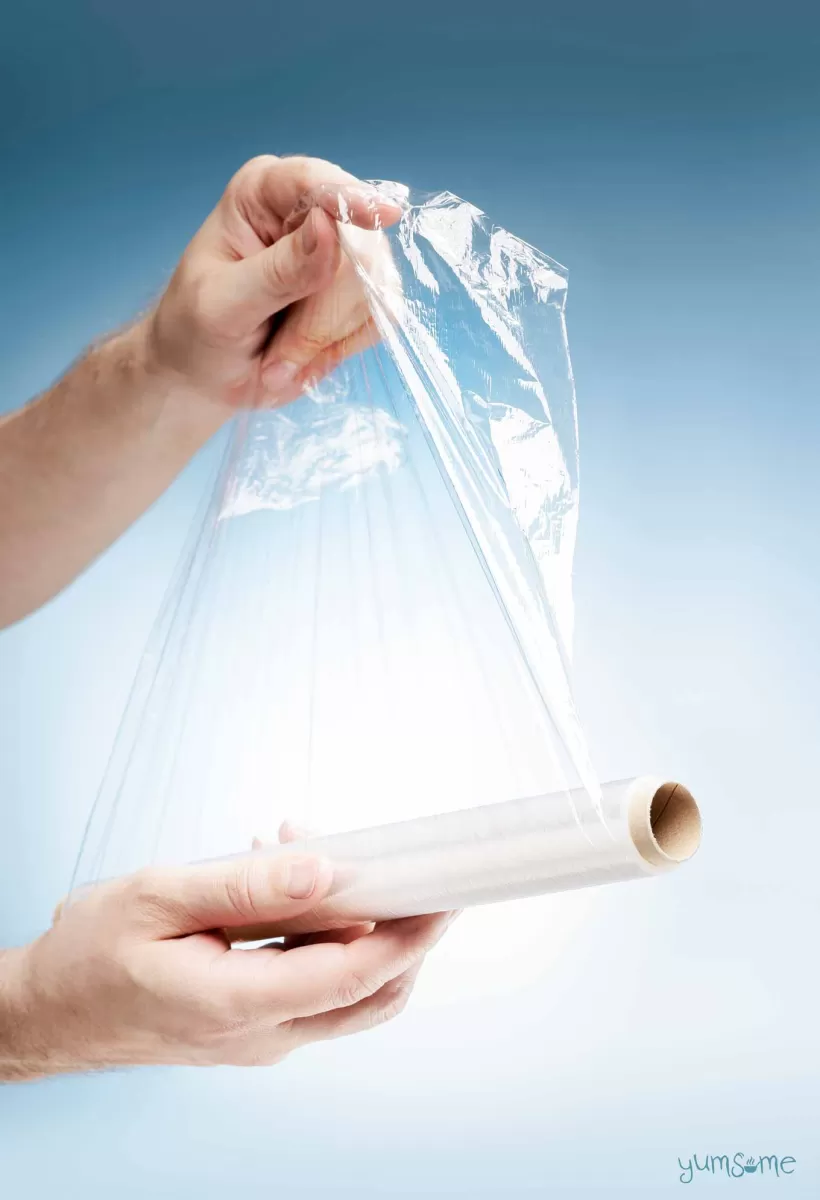
Cling film, also known as plastic wrap, cling wrap, or food wrap, is a thin, transparent plastic film used to cover and seal food items. It sticks (or “clings”) to surfaces and itself, creating a tight seal that helps keep food fresh. This handy product is common in kitchens across the United States and around the world.
Materials
Cling film is typically made from different types of plastics:
- Polyvinyl chloride (PVC): Known for its strong cling and easy-to-use qualities.
- Polyethylene (PE): A safer, more eco-friendly option that is less sticky but more flexible.
- Polyvinylidene chloride (PVDC): Sometimes used for high barrier properties, though less common today.
Some versions are now biodegradable or compostable, catering to eco-conscious consumers.
Types of Cling Film
There are several types to suit different needs:
- Regular cling film: Best for everyday food storage.
- Microwave-safe cling film: Designed to withstand microwave heat without melting or releasing harmful chemicals.
- Eco-friendly cling film: Made from sustainable materials and better for the environment.
History
Cling film was invented in the mid-20th century as plastic production grew. It revolutionized food storage by replacing foil and wax paper with a flexible, transparent, and reusable option. Over time, the materials and production methods improved, leading to safer, more convenient, and environmentally sensitive options today.
Understanding what cling film is and its different types helps you choose the best wrap for your kitchen needs, whether for home, commercial, or even artistic purposes.
Common Uses of Cling Film
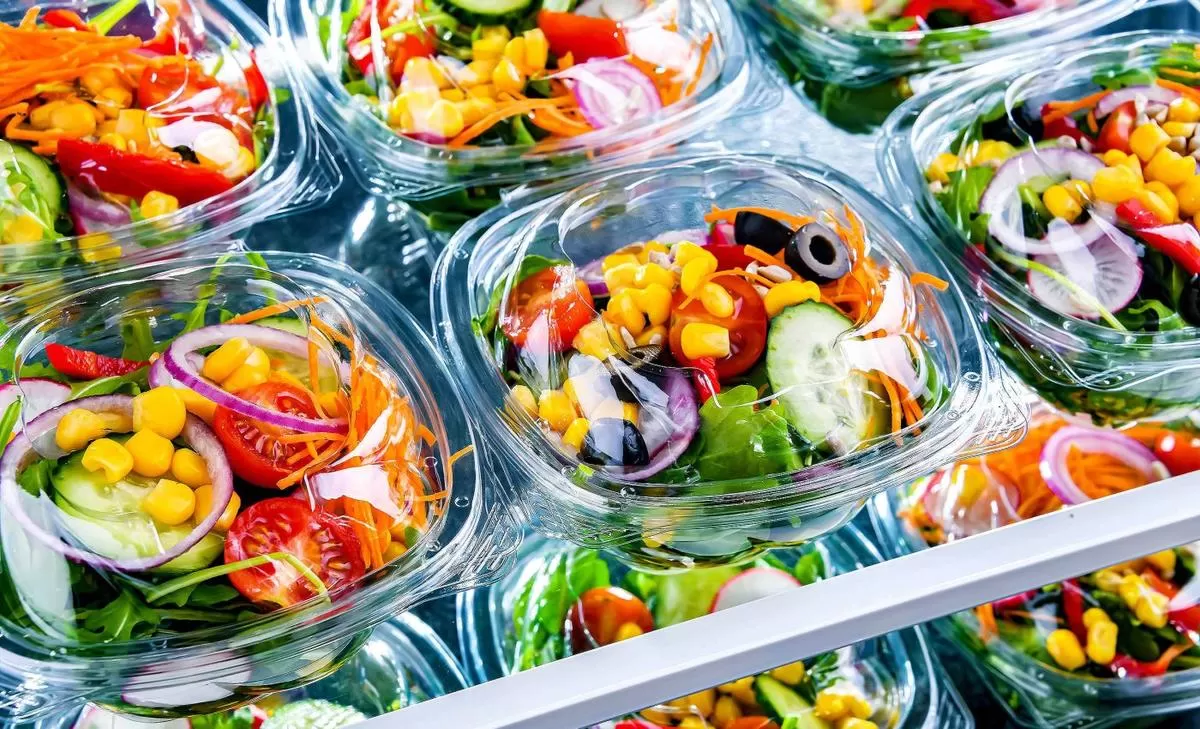
Cling film, also known as plastic wrap or cling wrap, is a go-to in many homes and businesses across the U.S. Its main job is food preservation, keeping leftovers fresh and preventing spills. Whether wrapping sandwiches for lunch or covering bowls of salad, cling film helps lock in moisture and stop foods from drying out.
At home, cling film goes beyond the kitchen. It’s great for covering dishes in the fridge, sealing paint cans, or even protecting plants. It’s a simple way to tidy things up and keep items fresh or contained.
In commercial and industrial settings, cling film plays a bigger role. Restaurants rely on it to safely store ingredients and prepped food. Factories and warehouses use it to secure products on pallets for shipping. It’s a reliable wrap that keeps goods clean and intact during handling and transport.
Artfullife offers cling film specially designed to meet these everyday needs while focusing on durability and ease of use. Their films provide strong cling, easy tear, and excellent food safety, making them a smart choice for U.S. households and businesses alike.
Benefits of Using Cling Film
Cling film offers great convenience for everyday use. It’s quick and easy to wrap leftover food, keeping it fresh without hassle. This quick seal helps prevent spills and keeps your fridge organized.
Protection is another big plus. Cling wrap seals out air and moisture, slowing down food spoilage and locking in flavors. It’s perfect for everything from fruits and veggies to cooked meals.
Cost effectiveness makes cling film a smart choice. Compared to other storage options, it’s usually affordable and available in various sizes, so you only use what you need without waste.
Versatility is key. Cling film isn’t just for food – you can use it for covering bowls, wrapping sandwiches, or even crafting projects. It’s great for household and commercial needs alike.
With Artfullife cling film, you get all these benefits wrapped in one product that stands out in the US market. Their range balances quality, eco-awareness, and affordability, making it a smart pick for your kitchen and beyond.
Safety and Environmental Concerns
When using cling film, safety is key, especially for food storage. Most cling wraps are made from PVC or polyethylene, which are generally safe if used as directed. However, avoid microwaving food wrapped in plastic wrap unless the product states it’s microwave-safe. This helps prevent chemicals from leaching into your food.
On the environmental side, traditional cling film isn’t great. It can take hundreds of years to break down in landfills and isn’t always recyclable through curbside programs. This contributes to plastic pollution, a growing concern in the U.S. and worldwide.
Thankfully, there are sustainable alternatives available now. Biodegradable cling films and eco-friendly wraps made from plant-based materials are better for the planet. They break down faster and have less environmental impact.
For safer and greener use:
- Look for cling film labeled microwave and food-safe.
- Choose biodegradable or eco-friendly versions when possible.
- Avoid single-use plastic wrap when alternatives like beeswax wraps or reusable silicone covers will work.
- Dispose of cling film properly—check local recycling rules.
- Store cling wrap away from heat sources to prevent melting or release of harmful substances.
By keeping these tips in mind, you can protect your family’s health and reduce your environmental footprint.
How to Choose the Right Cling Film
Picking the right cling film depends on what you need it for and your personal preferences. Here are the key factors to keep in mind:
Factors to Consider
- Purpose: Are you wrapping leftovers, covering food in the fridge, or preparing items for freezing or cooking? Different uses might require different types of cling film.
- Material: Cling film mainly comes in two types — PVC (polyvinyl chloride) and PE (polyethylene).
- Stickiness and Cling: Some films cling better to surfaces than others. Depending on what you’re wrapping, you might want stronger cling or easier release.
- Thickness and Strength: Thicker films offer better protection and prevent tears, especially for freezing or handling sharp-edged food.
- Food Safety: Always check if the film is food-safe and BPA-free to keep your food fresh and safe.
PVC vs PE Cling Film
- PVC Cling Film: It clings tightly and is great for sealing and protecting food. However, it’s less eco-friendly and can sometimes transfer plasticizers if heated.
- PE Cling Film: This is more eco-friendly, often less sticky, and better for the environment. It’s a good choice if you prioritize sustainable packaging.
Artfullife Range
Artfullife offers a variety of cling films designed with both convenience and sustainability in mind. Their product range includes eco-friendly cling wrap options that balance strong cling with environmental impact reduction—perfect for everyday home use or commercial needs.
Consumer Preferences
Many U.S. customers now lean toward sustainable and safe cling films without sacrificing performance. Artfullife’s products meet these needs by combining food safety with easy handling and responsible materials.
When choosing cling film, think about your specific use and environmental values. Opt for products like Artfullife that provide quality, safety, and eco-conscious options.
Artfullife Commitment to Sustainability
At Artfullife, we believe eco-friendly cling film is the future of food wrap. Our commitment to sustainability means we focus on creating products that reduce environmental impact without sacrificing quality or convenience. We use biodegradable and recyclable materials wherever possible, aiming to minimize plastic waste in landfills and oceans.
With growing global trends toward sustainable packaging, Artfullife stays ahead by offering cling films made from renewable resources and designed for safer disposal. This approach helps lower carbon footprints and supports a healthier planet.
By choosing Artfullife cling film, you’re not only getting reliable food preservation but also contributing to environmental impact reduction—making it easier for homes and businesses across the U.S. to adopt greener habits.
Learn more about how to choose sustainable cling film with Artfullife’s range here.
FAQs about Cling Film
What is cling film made of?
Most cling films are made from either PVC (polyvinyl chloride) or PE (polyethylene) film. PVC cling film offers excellent cling and stretch, while PE film tends to be more eco-friendly and safer for food use. Artfullife provides a variety of options, including biodegradable and sustainable alternatives, to meet different needs.
Is cling film safe for food storage?
Yes, cling film designed for food storage is safe when used properly. Food-grade cling wrap from trusted brands like Artfullife meets strict safety standards to prevent contamination. Always check that the film is labeled food-safe and avoid using it in high-heat situations unless specified.
Can cling film be recycled?
Recycling cling film depends on the material. PE cling film has a better recycling potential compared to PVC, which is less commonly recycled. Many local recycling programs do not accept cling wrap due to contamination and sorting challenges. Artfullife is proud to work on eco-friendly cling film solutions to reduce waste.
What are eco-friendly cling film alternatives?
Options include biodegradable cling films made from plant-based materials, reusable silicone wraps, beeswax wraps, and other sustainable packaging. Artfullife is committed to expanding its range of eco-friendly cling films that support sustainability without compromising on quality.
How is Artfullife cling film different?
Artfullife cling film stands out by offering a blend of high-quality materials with a focus on sustainability. Their products combine effective food preservation with reduced environmental impact, such as using recyclable materials and biodegradable options. Plus, Artfullife provides customized solutions for both household and commercial use, keeping the U.S. market’s priorities in mind.
For more on choosing the right cling film for your needs, check out this guide on how to choose the best food cling film.