

















Are you wondering are silicone food storage bags safe for your family and kitchen? With concerns about plastic waste and chemical leaching, choosing the right food storage solution can feel overwhelming. As a sustainability enthusiast, I’ve researched the science and tested top products to bring you clear, trustworthy answers. In this guide, you’ll discover why silicone food storage bags are a safe, eco-friendly choice, backed by certifications and real-world benefits. Let’s dive in and explore how Artfullife’s non-toxic bags can transform your kitchen!
What Are Silicone Food Storage Bags
Silicone food storage bags are reusable containers made from food-grade silicone, designed to store and preserve food safely. Unlike traditional plastic bags, these bags are flexible, durable, and free from harmful chemicals like BPA and phthalates.
Difference from Plastic Bags
- Made from non-toxic, heat-resistant silicone instead of single-use plastic
- More durable and long-lasting, reducing waste
- Often thicker with a resealable airtight closure for better food protection
Common Uses
- Storing leftovers, snacks, fruits, and vegetables
- Freezer-safe for preserving meats and frozen goods
- Microwave and oven-safe for reheating or cooking
- Ideal for packing lunches or organizing pantry items
Silicone food storage bags offer a safer, eco-friendly alternative to plastic, blending convenience with sustainability for everyday kitchen use.
Are Silicone Food Storage Bags Safe for Health
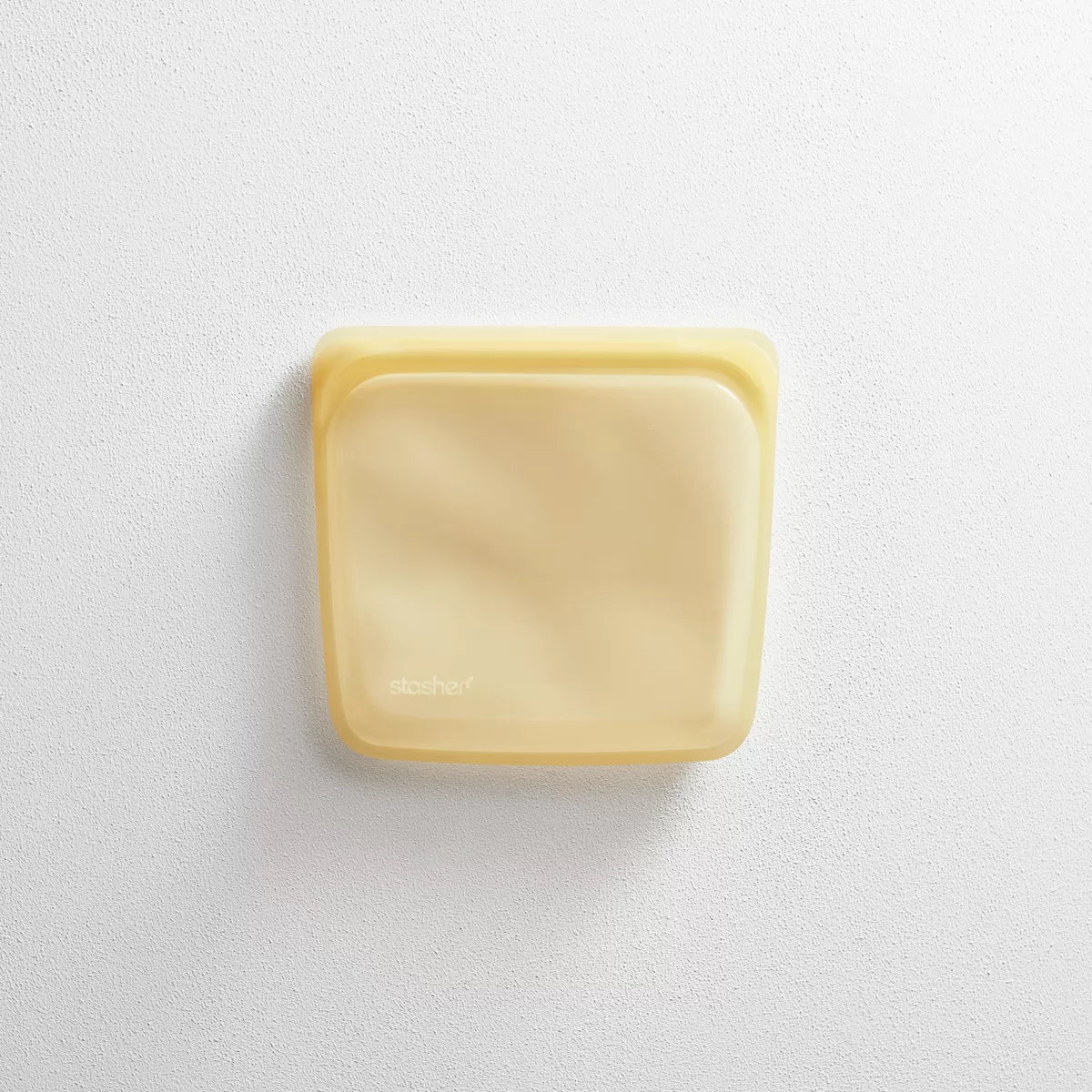
Silicone food storage bags are generally safe for health because they are made from food-grade silicone, which is non-toxic and free from harmful chemicals like BPA, phthalates, and PVC. Unlike some plastics, high-quality silicone doesn’t release dangerous substances when heated or used for storing food.
Many silicone bags meet strict safety certifications such as FDA (Food and Drug Administration) approval in the U.S. and LFGB certification from Germany, which are trusted standards ensuring the material is safe for food contact. These certifications mean the bags have passed tests for chemical stability and don’t leach toxins into your food.
Leaching concerns are much lower with silicone compared to plastic bags. While plastics can break down and release chemicals, especially when heated, silicone remains stable across a wide temperature range. Health experts and agencies like the FDA and Health Canada recognize food-grade silicone as safe for everyday use.
To make sure you’re getting quality silicone bags, try the pinch test: squeeze the material gently. Real silicone feels flexible and bounces back quickly, while bags with fillers or lower-quality silicone can feel stiff or brittle. Choosing certified, reputable brands helps avoid bags that might contain unsafe additives.
In short, silicone food storage bags are a safer alternative to many plastics, offering peace of mind for storing and heating your food.
Environmental Safety and Sustainability
Silicone food storage bags are a smart choice if you want to cut down on plastic waste. Unlike single-use plastic bags, silicone bags are reusable and durable, which means fewer bags end up in landfills or oceans. This helps reduce the growing problem of microplastics—tiny plastic particles that harm wildlife and contaminate water sources.
When it comes to recyclability, silicone isn’t accepted in most curbside programs because it requires specialized facilities to break down properly. However, its long lifespan means you won’t need to replace it as often, which balances out the recycling challenge.
Cleaning silicone bags is easy and uses less energy compared to constantly buying new plastic bags. Over time, this reduces your environmental footprint and can save money. Considering their durability and eco-friendly benefits, silicone bags offer a sustainable alternative to plastic storage options.
For more on choosing eco-friendly kitchen storage, check out silicone food storage bags for practical and green solutions.
Practical Benefits of Silicone Food Storage Bags
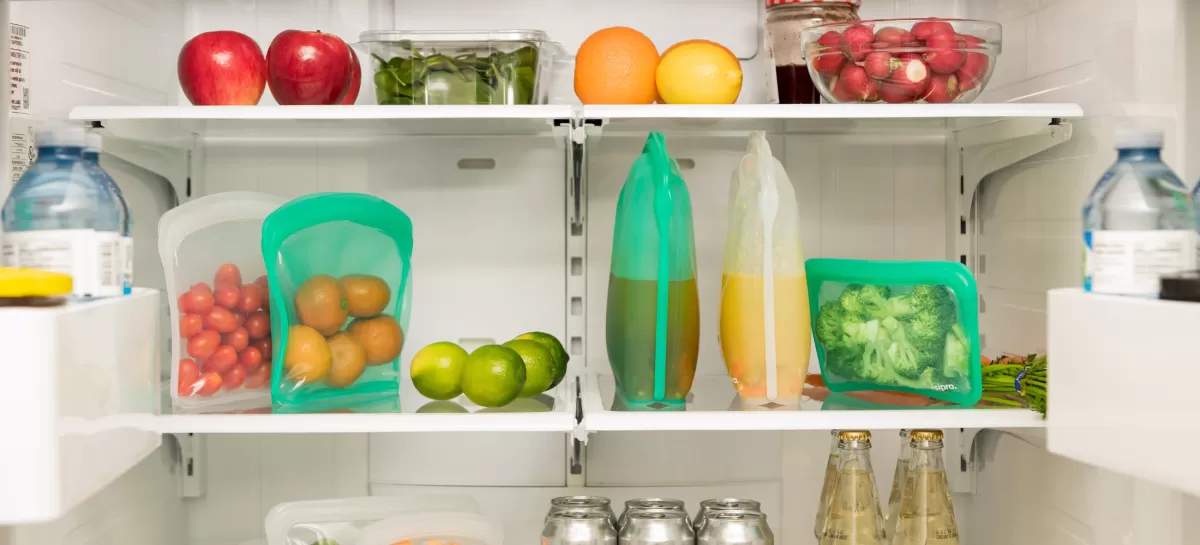
Silicone food storage bags offer several practical benefits that make them a smart choice for everyday use. First off, they are incredibly durable and can handle a wide range of temperatures. Whether you’re freezing leftovers, microwaving meals, or even using them in the oven, these bags hold up without melting or warping. Plus, they’re dishwasher safe, which makes cleanup a breeze.
One of the biggest perks is their leak-proof, airtight design. This keeps your food fresh longer and prevents spills in your fridge or bag. Silicone’s non-porous surface also means they resist stains and odors better than plastic bags, so your food stays tasting fresh and your bags stay looking clean.
If you’re looking for quality, Artfullife silicone bags stand out. They combine durability with smart design, offering multiple sizes and easy-to-use seals. Their products are made with food-grade, BPA-free silicone, ensuring safety and long-term use. For anyone wanting a reliable, eco-friendly alternative to plastic, Artfullife bags cover all the bases with practical features and trusted quality.
For more on how silicone bags compare to other options, check out this guide on silicone bags the future of food storage.
Potential Drawbacks and Considerations
Silicone food storage bags do come with some downsides to keep in mind. First, they usually cost more upfront compared to plastic bags. However, because they’re reusable and durable, you often save money over time by not buying single-use bags constantly.
Recycling silicone is another challenge. Unlike plastic, most curbside programs don’t accept silicone, so you’ll need to find specialized recycling facilities, which aren’t always easy to access.
Some users notice staining or lingering odors, especially if the bags are used for strong-smelling or colorful foods. This can vary depending on the silicone quality, so picking a high-grade, food-grade silicone like LFGB or FDA-certified helps reduce these issues.
There are also common misconceptions about silicone’s chemical stability. Some worry it might leach chemicals, but high-quality, food-grade silicone is non-toxic and stable under normal kitchen use. Just avoid low-quality silicone products that might contain fillers or unsafe additives. Doing a simple pinch test can help spot pure silicone versus mixed materials.
How to Choose Safe Silicone Food Storage Bags
When picking silicone food storage bags, safety and quality should be your top priorities. Here’s how to make sure you get the best:
-
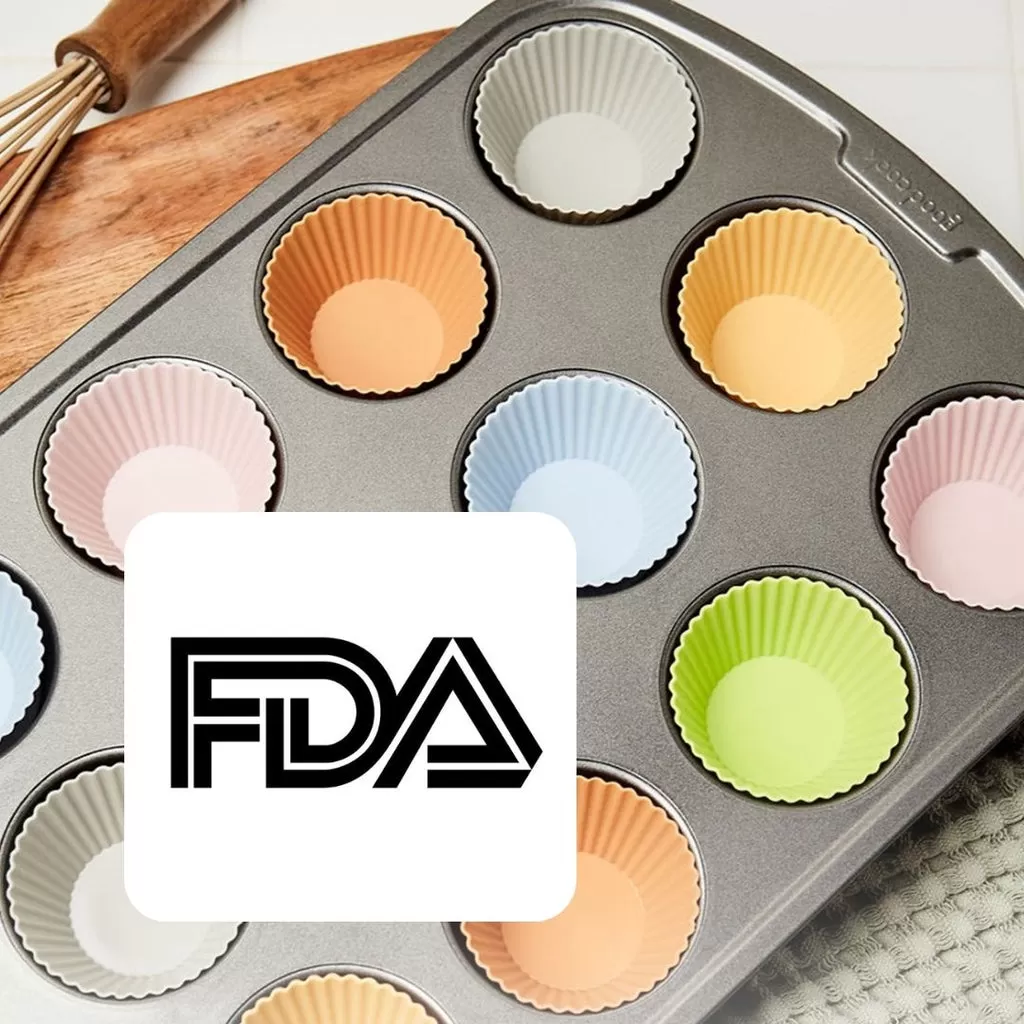
Look for FDA or LFGB Certification
These certifications mean the silicone meets strict safety standards for food contact. FDA (U.S. Food and Drug Administration) and LFGB (German food safety) approvals are signs the bags are non-toxic and safe for everyday use.
-
Avoid Fillers and Use the Pinch Test
Some cheaper bags mix silicone with fillers that can reduce safety and durability. To check, pinch the bag—real silicone feels soft, flexible, and bounces back quickly. If it feels stiff or plasticky, it might contain fillers.
-
Choose Reputable Brands Like Artfullife
Trusted brands invest in quality materials and testing. Artfullife silicone bags are FDA and LFGB certified, BPA-free, and designed for durability and safety. Buying from known suppliers helps avoid low-quality products.
-
Consider Size and Functionality
Pick bags that fit your typical food storage needs. Whether you want small snack bags or large freezer-safe options, choose sizes that work for your kitchen. Also, look for features like leak-proof seals and dishwasher-safe materials for easy use.
By focusing on these points, you can confidently choose safe silicone food storage bags that protect your health and last longer.
Alternatives to Silicone Food Storage Bags
If you’re exploring options beyond silicone food storage bags, here are some popular alternatives and what to expect from each:
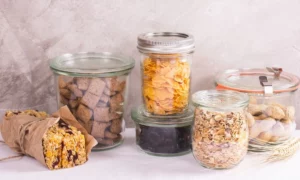
Glass Containers
- Pros: Non-toxic, durable, and don’t retain odors or stains. Great for storing leftovers and reheating.
- Cons: Heavier and breakable, not as portable or space-saving as silicone bags.
Stainless Steel Containers
- Pros: Extremely durable, rust-resistant, and safe for food storage. Perfect for on-the-go meals.
- Cons: Not microwave-safe and can be bulky for some uses.
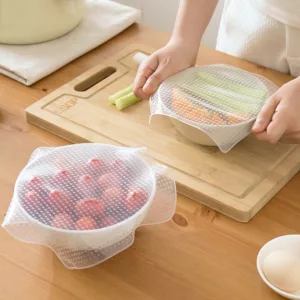
Beeswax Wraps
- Pros: Natural, biodegradable, and great for wrapping sandwiches or covering bowls.
- Cons: Less airtight, not suitable for liquids or long-term storage, and require regular replacement.
Mylar Bags
- Pros: Excellent for dry food storage with long shelf life, moisture and light-resistant.
- Cons: Single-use or limited reuse, not ideal for wet foods or freezing.
While these alternatives have their place, silicone food storage bags like those from Artfullife hit a sweet spot between practicality and sustainability. They’re reusable, flexible, freezer and microwave safe, and designed to reduce plastic waste without sacrificing convenience. For many, Artfullife silicone bags offer a balanced solution that fits everyday kitchen needs while supporting eco-friendly goals.
For more on choosing the right reusable storage, check out our guide on reusable food storage bags.
FAQs About Silicone Food Storage Bags
Are silicone food storage bags safe for microwave and freezer use
Yes, silicone bags like Artfullife are designed to handle a wide temperature range. You can safely use them in the microwave to reheat food or in the freezer to store leftovers. Just avoid direct contact with heating elements or open flames.
How do I clean silicone food storage bags
Cleaning is simple. Most silicone bags are dishwasher safe, but you can also wash them by hand with warm soapy water. For stubborn stains or odors, soaking in baking soda and water helps. Silicone’s non-porous surface resists stains better than plastic.
Do silicone bags leach chemicals into food
Food-grade silicone, especially those meeting FDA and LFGB standards like Artfullife, is non-toxic and doesn’t leach harmful chemicals. Unlike some plastics, silicone is stable and safe even with hot or acidic foods.
Can I recycle Artfullife silicone bags
Silicone recycling isn’t as common as plastic, but specialized facilities do accept silicone products. Artfullife bags are made from high-quality silicone designed for long use, reducing waste overall. Check local recycling options or consider repurposing bags for other storage needs.
How do silicone bags compare environmentally to plastic
Silicone bags are a more eco-friendly choice because they’re reusable and reduce single-use plastic waste. They don’t break down into microplastics like plastic bags do, which helps protect the environment. Over time, using silicone bags like Artfullife can lower your kitchen’s carbon footprint.
For more details on using silicone bags in the freezer, check out can you use storage bags in the freezer. To explore more about reusable options, visit reusable food storage bags.