

















Are you wondering is aluminum foil recyclable and how to do it right? Sorting out your kitchen waste can feel tricky, but getting it right makes a huge difference for the planet. As sustainability enthusiasts, we at Artfullife are here to share practical, real-world tips based on our expertise in eco-friendly packaging. In this guide, you’ll discover if aluminum foil can be recycled, simple steps to prepare it, and why it’s a win for the environment. Let’s jump in and make sustainable kitchen practices easy and rewarding!
Is Aluminum Foil Recyclable The Basics
Yes, aluminum foil is recyclable, but there are important conditions you need to know. Aluminum foil is made from aluminum, one of the most recyclable metals available. It can be reused to create new products over and over without losing quality, making it a valuable material in the recycling stream.
Challenges Recycling Aluminum Foil
While aluminum itself is highly recyclable, recycling aluminum foil comes with challenges:
- Food contamination is a major issue. Foil covered in grease, sauce, or food scraps can contaminate the recycling batch, causing facilities to reject it.
- Local recycling programs differ widely. Some accept aluminum foil curbside, while others don’t. Always check your local guidelines before tossing foil in the bin.
Why Recycling Aluminum Foil Matters
Recycling aluminum foil is more than just saving the planet—it has real environmental and economic benefits:
- Recycling uses 95% less energy compared to producing aluminum from raw materials.
- It reduces landfill waste by keeping foil out of trash bins.
- Conserves natural resources by lowering the demand for bauxite mining, which is the main source of aluminum.
- Over 75% of the aluminum ever produced is still being used today, proving how effective recycling aluminum products can be when done right.
By recycling aluminum foil properly, we contribute to a more sustainable cycle, saving energy, cutting down waste, and protecting natural resources for future generations.
How to Recycle Aluminum Foil Properly Step by Step
Recycling aluminum foil is great, but you have to prepare it right to make sure it actually gets recycled. Here’s a simple guide to help you handle aluminum foil recycling the right way.
Clean the Foil Thoroughly
Before tossing aluminum foil in your recycling bin, make sure it’s free of food residue and grease. Dirty foil can contaminate entire recycling batches and cause problems at recycling facilities. Rinse or wipe off any stuck-on food or oils.
Separate Foil from Non-Recyclable Materials
Be careful to keep aluminum foil separate from plastics, paper, or other non-recyclable materials that might be stuck to it. For example, if your foil has a plastic lining or paper backing, those parts need to be removed and recycled separately or discarded properly.
Crumple Foil Into a Ball
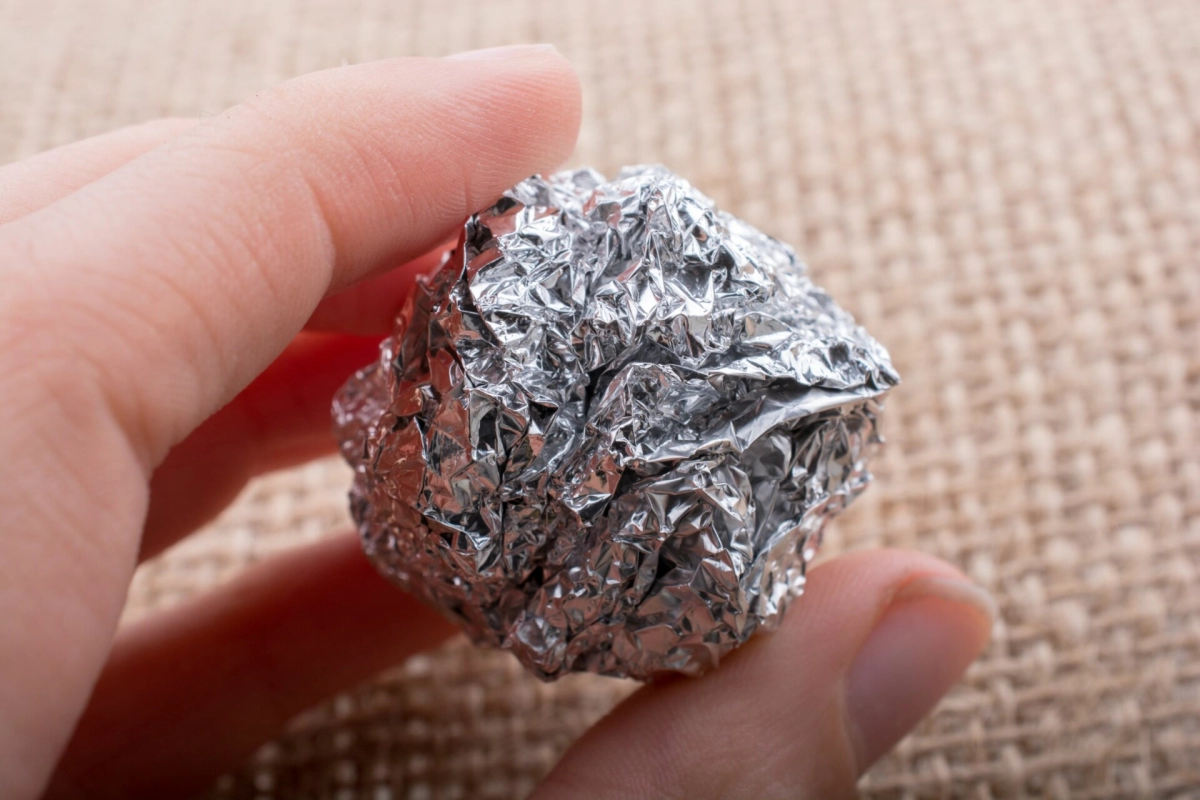
To prevent issues with recycling machines, crumple your clean aluminum foil into a ball at least 2 inches in diameter. Smaller pieces can get lost in sorting equipment or thrown away as trash because machines often can’t grab tiny scraps.
Check Local Recycling Guidelines First
Recycling rules for aluminum foil vary a lot depending on where you live. Not all curbside recycling programs accept foil, so it’s important to check local rules before you recycle. Use tools like Earth911’s Recycling Locator or your city’s waste management website to see if your community accepts aluminum foil.
Regional Differences Example
For example, in Atlanta, Georgia, some neighborhoods accept aluminum foil curbside, while neighboring areas like Marietta may not. Knowing your local program can save frustration and keep recycling efficient.
Alternatives if Foil Is Not Accepted Curbside
If your curbside program doesn’t take aluminum foil, you still have options:
- Drop off clean foil at special recycling centers or transfer stations that accept aluminum products.
- Consider reusing clean aluminum foil for other purposes around the house.
By following these steps, you can make sure your aluminum foil recycling efforts have real impact, helping conserve resources and reduce waste.
Environmental Benefits of Recycling Aluminum Foil and Sustainable Kitchen Practices
Recycling aluminum foil offers significant environmental benefits that go beyond just waste reduction. For starters, recycling saves up to 14,000 kWh of energy per ton compared to producing new aluminum from raw materials. This energy savings directly translates into a big drop in greenhouse gas emissions, helping fight climate change by reducing the need for energy-intensive processes like bauxite mining.
Another key advantage is the high recycling rate of aluminum products, with around 98% recovery. This means most aluminum, including foil, stays in use rather than piling up in landfills, conserving natural resources and reducing environmental impact.
Artfullife supports these green efforts by providing recyclable aluminum foil containers tailored for sustainable kitchens. Their products help supermarkets and households adopt eco-friendly packaging solutions that contribute to a circular economy. Choosing Artfullife’s recyclable foil containers can reduce your carbon footprint and promote sustainable kitchen practices.
For more on using aluminum foil responsibly, check out how you can cook bacon in the oven with aluminum foil or explore wholesale options for recyclable foil that fit business needs at Artfullife Aluminum Foil Wholesale.
Common Myths and Mistakes About Aluminum Foil Recycling
When it comes to aluminum foil recycling, there are a few myths and mistakes that often cause confusion and reduce recycling effectiveness. Knowing the facts helps you recycle right and support local programs better.
Myth All Foil Is Recyclable Regardless of Condition
Reality: This is one of the biggest misunderstandings. While aluminum foil itself is recyclable, dirty foil contaminated with food grease or residue can ruin entire batches of recyclables. Recycling centers reject foil that’s not cleaned because the contaminants interfere with processing.
Key tip: Always clean your foil thoroughly before recycling. If you can’t get it clean, it’s better to throw it away or find ways to reuse it.
Myth Aluminum Foil Is the Same as Tin Foil
A lot of people mix up aluminum foil with old-fashioned “tin foil,” but they’re not the same.
Reality: Modern household foil is made 100% from aluminum, not tin. Tin foil is pretty much outdated and no longer common. Aluminum foil is lighter, easier to recycle, and what you’ll find in stores today.
Common Mistake Not Checking Local Recycling Rules
Every recycling program has its own set of guidelines about what they accept. Just because foil is recyclable doesn’t mean your local curbside pickup takes it.
Reality: Recycling policies vary a lot across the U.S. For example, Atlanta recycling centers may accept aluminum foil while nearby Marietta might not.
What you should do:
- Check local recycling guidelines before tossing foil in the bin.
- Use resources like Earth911’s Recycling Locator to find out what your city accepts.
- If curbside programs don’t accept foil, look for drop-off centers or transfer stations that do.
By avoiding these myths and common mistakes, you can make sure your aluminum foil recycling efforts count. Remember, proper recycling supports energy savings, reduces landfill waste, and keeps more aluminum in use for years to come.
How Artfullife Supports Sustainable Packaging with Recyclable Aluminum Foil
Artfullife is committed to providing eco-friendly aluminum foil products designed to meet the sustainability goals of both households and supermarkets across the United States. Their recyclable foil containers stand out as a reliable green packaging solution that combines convenience with environmental responsibility.
Benefits of Choosing Recyclable Aluminum Foil Containers
- High recyclability: Artfullife’s aluminum foil products are made from materials that are widely accepted in many local recycling programs, helping reduce landfill waste.
- Energy efficient: Using recycled aluminum foil saves up to 95% energy compared to producing new aluminum, directly contributing to lower environmental impact.
- Versatility for households and supermarkets: These containers are perfect for food storage, meal prep, and serving, supporting sustainable kitchen practices without compromising usability.
- Durability and food safety: Designed to safely hold a variety of food items, their foil containers help prevent contamination and reduce single-use plastic waste.
Tips for Businesses Partnering with Artfullife for Sustainable Supply Chains
If you’re a business looking to enhance your green initiatives, partnering with Artfullife can bolster your sustainable packaging efforts. Here’s how:
- Custom supply solutions designed to fit supermarket and restaurant demands while prioritizing recyclable packaging.
- Education on local recycling guidelines ensuring your business is aware of best practices for aluminum foil recycling in your area.
- Bulk purchasing options to reduce packaging waste and lower overall cost per unit.
- Support for zero waste goals by integrating recyclable aluminum foil into your product line or food service operations.
For those interested in learning more about the product range or bulk purchases, check out Artfullife’s wholesale aluminum foil options and explore how they can elevate your sustainable packaging game.
By choosing Artfullife’s recyclable aluminum foil solutions, supermarkets and households alike contribute to the growing movement toward green packaging solutions and responsible resource use across the US market.
Reusing Aluminum Foil Beyond Recycling Tips and Benefits
Recycling aluminum foil is important, but reusing clean aluminum foil offers even more ways to support sustainable kitchen practices and reduce waste. Here are some easy and creative ways to give your aluminum foil a second life instead of tossing it out right away.
Creative Food-Related Uses for Reusing Aluminum Foil
- Covering dishes and leftovers: Instead of disposable plastic wrap, clean foil works great to cover bowls or plates, keeping food fresh in the fridge.
- Protecting pie crusts: Wrap foil around pie edges before baking to prevent burning—then you can reuse the foil multiple times.
- Lining baking pans: Use foil to line pans for easy cleanup, then crumple and reuse it if still clean.
- Wrapping sandwiches: Keeps your sandwich fresh and can be reused until too greasy or torn.
Practical Non-Food Uses for Reused Aluminum Foil
- Sharpening scissors: Fold foil several times and cut through it with dull scissors to sharpen the blades.
- Cleaning grills and pans: Crumpled foil acts as a scrubber for stuck-on residue on your grill or cookware.
- Protecting surfaces during painting or crafts: Use foil as a disposable work mat or drop cloth.
- Fixing loose batteries: Small bits of foil can complete connections in battery compartments.
Why Reusing Aluminum Foil Aligns with Artfullife’s Sustainability Mission
At Artfullife, we believe sustainability goes beyond recycling. Reusing foil reduces the need for new resources, cuts down waste, and extends the life of recyclable materials. Choosing recyclable aluminum foil products from Artfullife supports this mission by providing high-quality, cleanable foil designed for multiple uses.
For supermarkets and households aiming for green packaging solutions, embracing both recycling and reusing aluminum foil creates a practical and effective way to minimize environmental impact. Discover more about Artfullife’s eco-friendly aluminum foil containers tailored for sustainable kitchens here.
Key takeaway: Reusing aluminum foil is a simple step you can take daily to complement recycling efforts and support a circular, eco-friendly kitchen.