
















How to Bake Salmon in Tin Foil in the Oven: A Simple, Flavorful Guide
Struggling to cook salmon that’s moist, flavorful, and easy to clean up? Baking salmon in tin foil in the oven is your answer. This foolproof method locks in juices, infuses delicious flavors, and makes cleanup a breeze.
As a home cook, I’ve learned that foil-baked salmon is a game-changer for quick, healthy meals. At Artfullife, we’re all about elevating your kitchen experience with practical tips and quality tools. In this guide, you’ll discover a step-by-step recipe, pro tips, and the secrets to perfect oven-baked salmon every time.
Let’s get cooking!
Would you like me to expand this into the full blog post based on the provided outline, or make any adjustments to the introduction?
Why Use Tin Foil When Baking Salmon in Oven
Baking salmon in tin foil is a game-changer that many home cooks swear by. Here’s why using tin foil makes a big difference when cooking salmon in the oven:
Moisture Retention and Gentle Steaming
One of the biggest perks of cooking salmon in foil is how well it locks in moisture. When you seal salmon in a foil packet, the fish gently steams in its own natural juices along with any added liquids like lemon juice or butter. This helps the salmon stay extra tender and flaky without drying out — which can easily happen with direct baking or grilling.
Even Cooking and Flavor Infusion
Using aluminum foil creates a mini oven around your salmon. That means heat distributes evenly, cooking the salmon through without burning the exterior. The sealed environment also helps all those herbs, garlic, and seasonings infuse deeply into the fish, boosting flavor in every bite. This is the core of great salmon foil packet recipes, where flowers of dill or slices of lemon mingle with tender fish.
Easy to Customize with Herbs Veggies and Seasonings
Tin foil makes it super simple to personalize your salmon dish. You can add vegetables like asparagus, cherry tomatoes, or sliced zucchini alongside your fish right inside the packet. Plus, tossing in seasonings — think fresh dill, garlic, or lemon slices — creates a well-rounded meal with minimal effort and fuss. This one-pan meal vibe saves time without sacrificing taste.
Simplifies Cleanup and Prevents Sticking
Using foil also means cleaning up is a breeze. Your baking dish stays spotless as all the mess stays contained within the packet. Plus, because the salmon steams rather than sticks to the pan, you avoid the frustration of flaky fish getting stuck or falling apart. It’s an effortless way to cook salmon that’s both tasty and convenient.
This approach not only produces delicious, perfectly cooked salmon but also highlights why baking salmon in tin foil oven style is a popular and practical choice for busy home cooks who want healthy, flavorful meals without hassle.
If you want to know more about safe foil options or recommendations, check out this detailed guide on is foil paper safe for packaging food.
Ingredients and Tools Needed for Baking Salmon in Tin Foil Oven
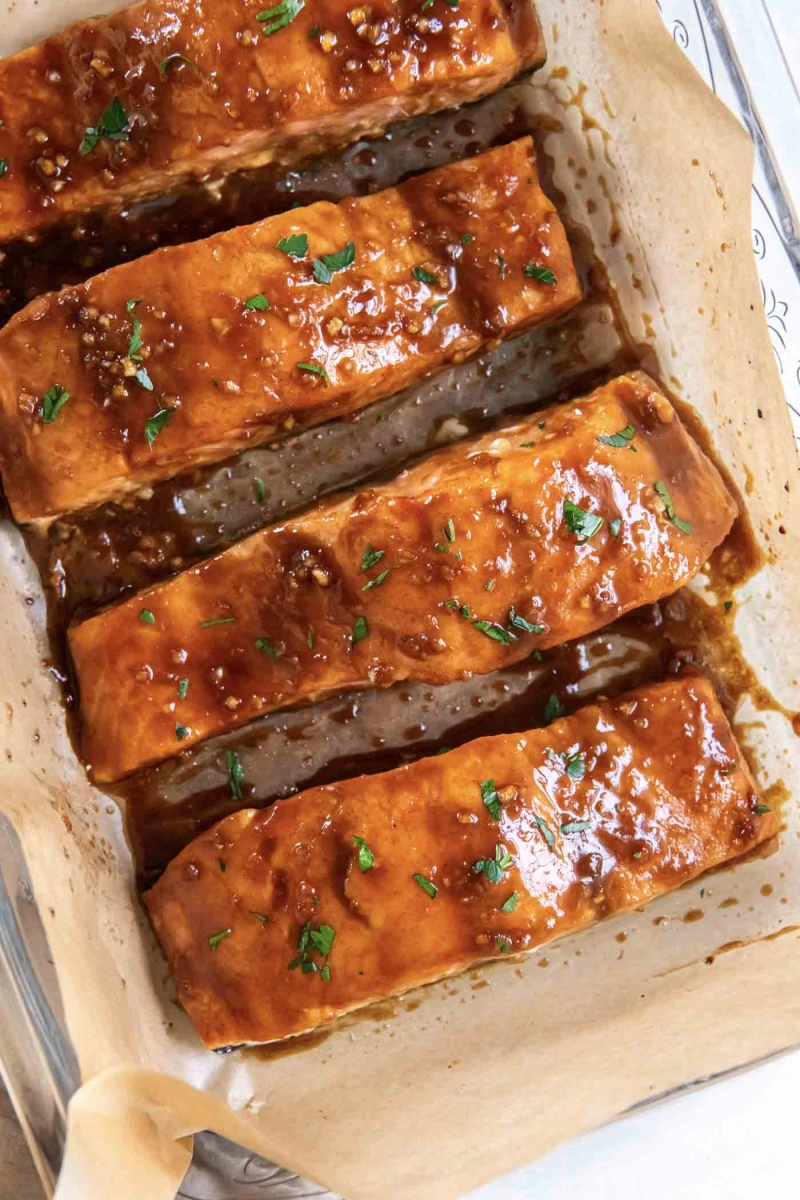
Best Salmon Types for Baking in Tin Foil
For the best results with baking salmon in tin foil oven, choose fresh, high-quality salmon. Here are some great options commonly available in the U.S.:
- Atlantic Salmon – Mild flavor, widely available, and perfect for foil baking
- Sockeye Salmon – Deep red flesh with a richer taste, holds up well in foil packets
- Coho Salmon – Medium flavor and texture that cooks evenly in foil
- King (Chinook) Salmon – The fattiest, richest variety, ideal if you want a buttery texture
- Farmed vs Wild – Wild salmon tends to be leaner and more flavorful, but farmed salmon is more consistent and budget-friendly
Essential Seasonings and Flavor Boosters for Salmon Foil Packets
Seasoning your salmon well will maximize flavor while baking in foil. Keep it simple but effective:
- Salt and Black Pepper – Basics for seasoning
- Lemon Slices or Juice – Adds brightness and helps tenderize
- Fresh Dill or Parsley – Classic herb pairing with salmon
- Garlic (minced or powdered) – Boosts aroma and depth
- Butter or Olive Oil – Keeps salmon moist and adds richness
- Optional extras: sliced onions, cherry tomatoes, capers, or a sprinkle of paprika for a smoky kick
Recommended Tin Foil for Baking Salmon
Choosing the right tin foil is key for sealing moisture and avoiding leaks or sticking:
- Use heavy-duty aluminum foil at least 18-24 microns thick for durability and heat resistance.
- For an eco-friendly option, Artfullife offers recyclable and BPA-free aluminum foil ideal for oven use — sturdy and safe for cooking salmon in foil packets.
- Avoid thin foils that tear easily and cause juices to leak during baking.
Oven and Cooking Tools Essentials
Having the right tools makes baking salmon in tin foil oven easier and cleanup faster:
- Baking Sheet or Ovenproof Pan – To hold your foil packets and catch any drips
- Sharp Knife – For portioning salmon fillets cleanly
- Tongs or Oven Mitts – For safely handling hot foil packets
- Kitchen Timer – Helps prevent overcooking
- Optional: Meat thermometer to check salmon internal temperature (ideal 125-130°F for moistness)
With these ingredients and tools ready, you’ll be set for a smooth and flavorful salmon baking experience using foil in your oven.
Step by Step Guide to Baking Salmon in Tin Foil Oven
Baking salmon in tin foil is straightforward once you know the basics. Follow these steps to get perfectly cooked, moist salmon every time.
Preparing the Salmon
- Pat the salmon dry with paper towels before seasoning. This helps the seasonings stick and prevents excess moisture that can make the fish soggy.
- Season well on both sides. Use salt, pepper, and your choice of herbs like dill or parsley. For extra flavor, add garlic, lemon slices, or a pat of butter right on top.
- If you want to create salmon foil packets with vegetables, slice veggies thin so they cook evenly alongside the fish.
Proper Foil Folding Techniques to Seal Packets
- Use heavy-duty or high-quality tin foil to avoid tearing.
- Lay out a large enough piece of foil to fully wrap the salmon and any added ingredients.
- Fold up the sides together first, then fold the ends tightly to create a sealed packet. This traps steam inside, gently cooking the salmon and preserving moisture.
- Make sure the packet is sealed but not crimped too tightly—leaving a little room helps steam circulate evenly.
Optimal Oven Temperature and Baking Times
- Preheat the oven to 375°F (190°C) for a balance of gentle heat and reliable cooking.
- For a standard 6-ounce salmon fillet, bake for about 15 to 20 minutes. Thicker fillets may need a few extra minutes.
- Avoid higher temperatures as they can dry the fish out quickly, defeating the purpose of foil-baking.
How to Check for Doneness Without Drying Out Salmon
- Salmon is properly cooked when it flakes easily with a fork and has an internal temperature of about 145°F (63°C).
- Use a digital instant-read thermometer inserted into the thickest part of the fillet to check temperature without overcooking.
- If you don’t have a thermometer, look for a slightly opaque center rather than fully translucent raw flesh.
- Remove from the oven as soon as it’s done since the salmon will continue to cook a little inside the foil packet.
By following these clear steps, you get juicy, flavorful baked salmon in aluminum foil that’s simple to make and easy to clean up. This method is great for quick meals that don’t sacrifice taste or nutrition.
Tips and Tricks for Perfect Foil-Baked Salmon in Oven
Add Vegetables and Aromatics for Easy One-Pan Meals
Cooking salmon in foil packets isn’t just about the fish. Adding veggies like asparagus, cherry tomatoes, or thinly sliced zucchini inside the foil creates a full meal with minimal mess. Aromatics such as lemon slices, fresh dill, garlic, or even ginger enhance flavor deeply as the salmon bakes. This method:
- Steams everything together, locking in moisture
- Infuses salmon with vibrant, fresh tastes
- Saves time with one cleanup
Avoid Common Mistakes like Overcooking or Soggy Texture
One of the biggest challenges with oven baked salmon in aluminum foil is not overcooking the fish. Overdone salmon turns dry and loses its tender texture. Keep these in mind:
- Bake at 375°F to 400°F depending on thickness
- Check for doneness at around 12-15 minutes; salmon should flake easily but still be moist inside
- Avoid trapping too much moisture by not sealing foil too tightly—this prevents sogginess
- Pat salmon dry before seasoning to prevent steaming in excess water
Reheat Leftovers Without Losing Moisture
Leftover salmon baked in foil can still taste fresh if reheated properly:
- Place foil-wrapped salmon in a 275°F oven for 10-15 minutes
- Avoid microwaving directly as it can dry the fish quickly
- Add a small splash of water or lemon juice inside the foil to keep the fish juicy
Grilling Versus Baking in Foil for Salmon
While baking salmon in tin foil oven style is simple and mess-free, grilling foil packets offers smoky flavor but requires care to avoid flare-ups and uneven cooking. Here’s a quick comparison:
| Factor | Baking in Foil Oven | Grilling in Foil Packets |
|---|---|---|
| Cooking Control | Even, steady heat; easier to avoid overcooking | Less consistent heat; watch for hot spots |
| Flavor | Gentle steaming enhances natural salmon taste | Adds smoky char flavor |
| Cleanup | Very easy, foil contains mess | Slightly messier if foil tears |
| Convenience | Great for any weather and simple prep | Best for outdoor cooking but needs attention |
For most home cooks, baking salmon in foil offers a reliable and healthy way to get a perfectly moist, flavorful meal with minimal effort and cleanup.
Health and Nutritional Benefits of Foil-Baked Salmon in Oven
Baking salmon in tin foil is not just convenient—it’s a great way to keep the fish’s nutrition intact while making a healthy meal.
Retains Omega-3 Fatty Acids and Nutrients
Cooking salmon in foil helps lock in moisture and natural oils, which means those valuable omega-3 fatty acids stay right where they belong. Omega-3s are essential for heart and brain health, and baking in foil at moderate temperatures preserves these fats better than high-heat methods like frying or grilling without protection.
You also keep more vitamins like B12 and D intact because the sealed environment limits nutrient loss through evaporation or oxidation.
Minimal Added Fats for a Healthy Meal
Since foil packets trap moisture, you don’t need to pile on extra oils or butter to keep salmon juicy. This method allows for minimum added fats, making your baked salmon a lower-calorie, heart-healthy option. Use just a light brush of olive oil or a small slice of butter with herbs for flavor without overdoing fat content.
Quick and Portion Controlled Cooking
Foil packets make it easy to cook individual salmon portions evenly and quickly. This helps with portion control and meal planning—each packet is a ready-to-eat serving that’s perfect for busy weeknights or meal prep. The salmon cooks gently, preserving its tender texture without drying out, which means less waste and more consistent meals.
In , cooking salmon in tin foil in your oven maximizes health benefits by protecting essential nutrients, keeping fat levels low, and offering a fast, practical cooking process that fits well into a healthy lifestyle. This is an ideal method for anyone looking to eat heart-healthy salmon cleanly and conveniently.
Frequently Asked Questions About Baking Salmon in Tin Foil Oven
Can I Use Aluminum Foil Every Time I Bake Salmon
Yes, using aluminum foil every time you bake salmon is safe and practical. Foil helps keep the fish moist, prevents sticking, and makes cleanup easier. Just make sure you use good-quality, food-grade aluminum foil to avoid any tearing or reaction with acidic ingredients like lemon. For eco-conscious cooks, consider eco-friendly foil options like Artfullife that offer durability without harmful coatings.
Is It Safe to Cook Salmon in Aluminum Foil
Cooking salmon in aluminum foil is generally safe when done properly. The foil creates a sealed environment that gently steams the fish, preserving flavor and nutrients. Concerns about aluminum leaching into food are minimal when you avoid cooking at extremely high heat for prolonged times. To stay safe:
- Use foil without added coloring or non-stick coatings.
- Avoid acidic marinades soaking in foil for too long before cooking.
- Do not reuse foil that’s already been used for cooking.
How Long Does Salmon Stay Fresh After Baking
After baking salmon in foil, it will stay fresh in the refrigerator for up to 3 to 4 days when stored properly in an airtight container. To maintain moisture:
- Cool the salmon completely before refrigerating.
- Store leftovers with some foil or cover tightly to avoid drying out.
- For best taste, reheat gently (see tips below).
Always check for any off smells or slimy texture before eating leftovers.
Can I Prepare Foil Packets in Advance or Freeze Them
Yes, you can prepare salmon foil packets ahead of time and freeze them. This is especially handy for quick meals:
- Assemble the salmon, seasonings, and veggies in foil packets.
- Wrap each packet tightly and place in a freezer-safe bag or container.
- Freeze for up to 2 months.
When ready to cook, thaw overnight in the fridge or bake directly from frozen with extra cooking time. Just keep an eye on doneness to avoid overcooking.
These FAQs cover the basics of baking salmon in tin foil oven to help you make the most of this easy, healthy cooking method. If you follow these guidelines, you’ll enjoy flavorful, moist salmon with minimal fuss every time.