
















Baking Cookies on Tin Foil: Your Guide to Perfect Results | Artfullife
Are you wondering if baking cookies on tin foil is a smart move for your next batch? Maybe you’re out of parchment paper or curious about how aluminum foil can change your baking game. As a trusted name in supermarket supplies, Artfullife is here to share practical tips and expert advice to help you nail those delicious cookies every time.
In this guide, we’ll explore whether tin foil is safe and effective, share baking tips to avoid sticking or burning, and compare it to other surfaces like parchment paper and silicone mats. Whether you’re a home baker or prepping for a big event, you’ll find everything you need to know to make baking cookies on foil a breeze.
Let’s get started!
Is It Safe to Bake Cookies on Tin Foil
If you’re wondering whether baking cookies on tin foil is safe, here’s what you need to know about the material, oven compatibility, and health factors.
What Is Tin Foil Made Of and Is It Oven Safe
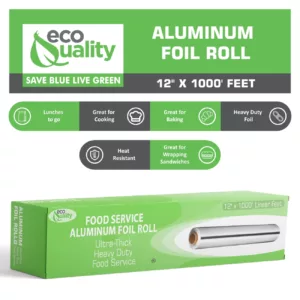
Tin foil, often called aluminum foil, is made from thin sheets of aluminum metal. It’s highly heat resistant and commonly used for cooking and baking because it can withstand standard oven temperatures without melting or releasing harmful substances.
- Oven safe temperature range: Aluminum foil handles temperatures well up to around 1200°F (650°C), which is far above typical baking temperatures for cookies.
- The foil’s metal surface reflects heat, which can affect how your cookies bake but does not pose a safety hazard.
Health and Safety Considerations for Baking on Aluminum Foil
From a health point of view, baking cookies on tin foil is generally safe when done correctly. Some points to keep in mind:
- Avoid using excessively acidic or salty doughs directly on foil, as aluminum can react slightly with acids and leave a metallic taste or tiny amounts of aluminum in your food.
- For most cookie recipes, the contact is minimal and considered safe.
- Use food-grade aluminum foil to ensure no harmful coatings or additives are present (learn more about food grade foil here).
Recommended Oven Temperatures for Baking Cookies on Tin Foil
Most cookies bake well between 325°F and 375°F. Since aluminum foil is stable and oven-safe within this range, you won’t risk harming the foil or your cookies by sticking to standard baking temperatures.
- Avoid ultra-high heat baking (like broiling) directly on foil as it may cause uneven cooking or foil damage.
- If you do notice your cookies are baking faster or burning on the bottom, it might be due to the foil reflecting heat—consider lowering the oven temperature by 25°F or using indirect heat methods.
baking cookies on tin foil is safe and oven compatible, as long as you follow recommended temperature guidelines and use quality foil intended for food. This makes tin foil a convenient option when other baking surfaces aren’t available.
Pros and Cons of Baking Cookies on Tin Foil
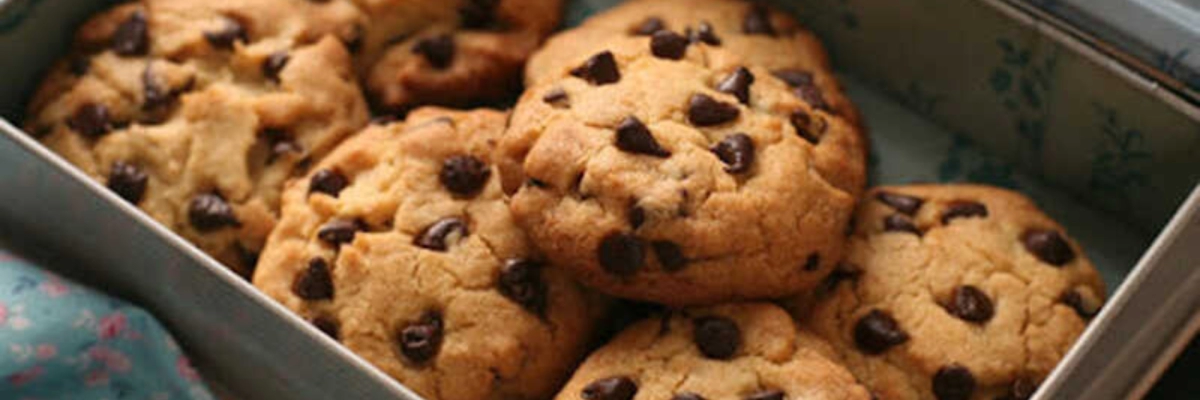
When it comes to baking cookies on tin foil, there are clear advantages and drawbacks you should know before deciding to use it regularly.
Pros of Baking Cookies on Tin Foil
-
Easy Cleanup
Tin foil makes cleanup quick since you can simply toss it after use, saving time scrubbing pans.
-
Availability
Aluminum foil is a kitchen staple in most American households, so you rarely need a special trip to the store.
-
Affordability
Compared to some specialty baking mats, foil is generally cheaper and can be bought in bulk.
Cons of Baking Cookies on Tin Foil
-
Potential Sticking Issues
Cookies may stick to plain tin foil, especially if the dough is sticky or has a high sugar content. This can ruin your batch unless you prepare the foil properly.
-
Uneven Heat Distribution
Aluminum foil can cause uneven baking because it reflects heat differently than traditional pans or parchment, often leading to hotspots or uneven cookie bottoms.
-
Foil Tearing Risks
Thin foil can tear easily, especially when moving the sheet after baking, risking spills or burnt spots.
Comparison with Other Baking Surfaces
-
Parchment Paper
A popular alternative, parchment paper offers non-stick properties without extra greasing, plus it handles oven heat evenly up to 420°F. It often leads to better texture and even browning.
-
Silicone Baking Mats
Silicone mats provide a reusable, non-stick surface that promotes even heat distribution and consistent cookie results. The downside is cost and sometimes slipping on baking sheets.
-
Tin Foil vs Parchment and Silicone Mats
Foil’s affordability and availability win for quick fixes, but parchment and silicone mats generally deliver superior baking results with less sticking and better heat management.
baking cookies on aluminum foil works in a pinch but comes with challenges like sticking and uneven cooking. Parchment paper or silicone mats may be better choices if you want consistent batches and hassle-free baking.
How to Bake Cookies Successfully on Tin Foil
Baking cookies on tin foil can be a handy option, but it requires some preparation and care to get the best results. Here’s how to do it right.
Prepare the Tin Foil Properly
Before putting your cookie dough on foil, prep the surface to prevent sticking and make cleanup easier. You can:
- Lightly grease the foil with butter, oil, or cooking spray. This helps cookies release easily.
- Use a silicone nonstick spray designed for baking if you prefer less mess.
- Try nonstick aluminum foil sold specifically for baking. It’s treated to reduce sticking.
Skipping this step often leads to cookies sticking and breaking apart.
Baking Tips to Avoid Sticking and Burning
Cookies on tin foil can bake a little differently than on parchment or silicone mats. Keep these tips in mind:
- Place the foil on a sturdy baking sheet to avoid warping.
- Avoid high oven temperatures above 425°F because foil can conduct heat intensely and burn cookies.
- Keep an eye on cookies as they bake—thin foil reflects heat less evenly, so cookies may brown faster on the edges.
- If your cookies tend to stick, consider sprinkling the foil with a little flour or sugar after greasing.
Adjust Baking Time and Temperature If Needed
Because foil is a thin, heat-conductive surface, baking on it may require small adjustments:
- Lower the baking temperature by 10-20 degrees Fahrenheit compared to your usual recipe.
- Check cookies a few minutes earlier than the recipe suggests to prevent overbaking or burning.
- Rotate the pan halfway through baking for more even heat distribution, especially in ovens with hot spots.
By preparing the foil and tweaking baking times and temps, you can bake delicious cookies without sticking or burning issues right on tin foil.
Alternatives to Tin Foil for Baking Cookies
When it comes to baking cookies on tin foil, many home bakers wonder if there are better options out there. While aluminum foil is popular and handy, alternatives like parchment paper and silicone baking mats often provide different benefits depending on your baking style and needs.
Parchment Paper Benefits and Availability
Parchment paper is a top choice for many because it’s specifically designed for baking:
- Non-stick surface prevents cookies from sticking without extra grease or sprays.
- Can handle oven temperatures typically up to 425°F, which covers almost all cookie recipes.
- Readily available at most grocery stores in the U.S.
- Easy cleanup—just toss it after use.
- Provides more even heat distribution compared to foil, reducing hot spots and burning chances.
Parchment paper is ideal if you want a simple, no-fuss baking surface that guarantees easy cookie removal and cleaner pans.
Silicone Baking Mats Pros and Cons
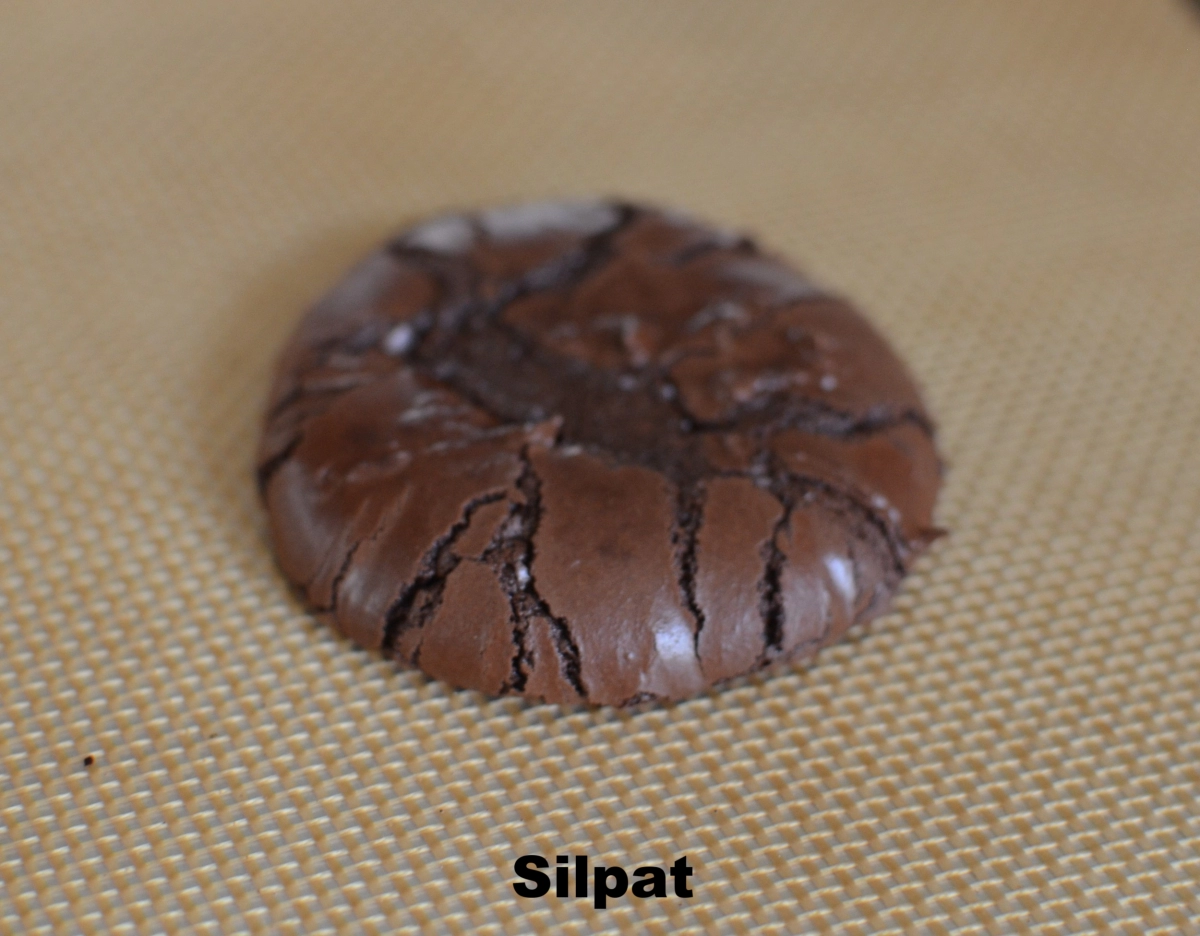
Silicone baking mats like Silpat are reusable sheets with a textured non-stick surface:
Pros:
- Durable and eco-friendly since they can be reused hundreds of times.
- Excellent non-stick properties—cookies slide off easily.
- Promotes even baking and browning.
- Can handle high temperatures (usually up to 480°F).
Cons:
- Higher upfront cost compared to foil or parchment.
- Requires regular washing and care.
- Can sometimes leave marks on the bottom of cookies.
Silicone mats are perfect if you bake cookies frequently and want to reduce waste and ongoing costs.
When to Choose Foil Vs Other Baking Surfaces
Choosing between foil, parchment, or silicone mats depends on your baking habits:
- Use tin foil if you need an affordable, readily available option and are ready to grease or oil it to prevent sticking.
- Go with parchment paper for the easiest cleanup and best overall cookie texture, especially if you bake irregularly or want minimal hassle.
- Pick a silicone baking mat if you bake often and want a reusable, reliable non-stick surface that promotes even heat.
Remember, foil can sometimes cause cookies to stick or brown unevenly, so if those factors bother you, parchment or silicone mats are better bets.
In short, foil is convenient but not always the best choice for perfect cookies. Exploring these alternatives can improve your baking results and kitchen experience.
Cleaning and Reusing Tin Foil After Baking Cookies on Tin Foil
Can Tin Foil Be Reused Safely for Baking Cookies on Tin Foil
Yes, tin foil can be reused safely for baking cookies, but it depends on its condition after the first use. If the foil is still mostly clean, without tears or heavy food residue, you can reuse it to bake. Reusing helps save money and reduces waste. However, if the foil is crumpled, torn, or heavily stained with burnt bits, it’s best to discard it for hygiene and baking quality reasons.
Tips on Cleaning Tin Foil After Baking Cookies on Tin Foil
Cleaning tin foil after baking cookies can be tricky since foil is thin and prone to tearing. Here are some simple tips to make cleaning easier:
- Gently wipe off crumbs and grease with a damp cloth or sponge—avoid scrubbing harshly.
- For stuck-on bits, soak the foil briefly in warm soapy water before rinsing.
- Avoid using abrasive scrubbers that damage the foil’s surface.
- Dry the foil completely before storing it to prevent it from tearing or sticking together.
- If the foil has any leftover grease or burnt spots that can’t be cleaned, it’s safer to replace it.
Proper Disposal and Eco Friendly Alternatives to Tin Foil
When tin foil can no longer be reused, dispose of it responsibly. Many local recycling programs accept clean aluminum foil, so make sure to check yours first and avoid tossing greasy or dirty foil into recycling bins.
If you want more eco friendly options, Artfullife offers sustainable alternatives perfect for baking:
- Reusable silicone baking mats that reduce waste and stick less.
- Biodegradable parchment paper options for easy cleanup.
- Eco friendly baking liners made from natural materials.
Switching to these options can lower your kitchen’s environmental impact while still giving you great baking results. For everyday baking, combining reuse of tin foil with these greener alternatives is a smart way to bake cookies safely and sustainably.
Frequently Asked Questions About Baking Cookies on Tin Foil
Can You Bake Multiple Batches on the Same Sheet of Foil
Yes, you can bake multiple batches on the same sheet of tin foil, but there are a few things to keep in mind:
- Foil durability: Repeated use can cause the foil to tear or wrinkle, making it less effective.
- Cleanliness: Crumbs or grease left from earlier batches might cause sticking or burning.
- Even baking: If the foil gets too warped, heat distribution may become uneven, affecting your cookies’ texture.
For best results, I recommend cleaning or replacing the foil between batches. Check out tips on how to care for foil after baking here.
Will Cookies Spread Differently on Foil
Cookies can indeed spread differently when baked on tin foil compared to other surfaces like parchment paper or silicone mats. Here’s why:
- Heat reflection: Foil reflects heat, which can cause the cookie edges to brown faster but might leave the center softer.
- Surface stickiness: Without proper greasing or non-stick coating, cookies can stick and resist spreading naturally.
- Texture impact: Thinner foil heats unevenly, potentially causing some cookies to spread more or less than expected.
To avoid issues, prep the foil with greasing or use non-stick foil as a protective layer. Adjusting baking time and temperature slightly can also help manage spreading and browning.
Is Foil Suitable for All Cookie Recipes
Tin foil is not ideal for all cookie recipes. It works best with recipes where sticking isn’t a big problem or those with sturdier doughs such as drop cookies or chocolate chip cookies. However:
- Delicate cookies like sugar cookies or cut-outs may stick or burn due to foil’s heat properties.
- Recipes requiring even, consistent heat often perform better on parchment paper or silicone baking mats.
- Acidic ingredients (lemon, vinegar) in cookies can sometimes react with aluminum foil, affecting flavor and safety.
If experimenting with your favorite cookie recipe, consider these pros and cons before opting for foil. For a reliable guide on which baking surface fits your needs, take a look at our comparison of foil and parchment here.
Baking cookies on tin foil can be handy, but knowing when and how to use it makes all the difference. Keep these FAQs in mind to optimize your cookie baking experience and avoid common pitfalls.