
















Are you searching for the perfect vegetable plastic bags to keep your produce fresh and organized? Whether you’re a home cook wanting better storage solutions or a retailer looking for reliable packaging that preserves quality, choosing the right vegetable plastic bags can make all the difference. In this guide, you’ll discover everything from the types of bags available, their benefits, and important factors like breathability and durability, to eco-friendly options that align with today’s sustainability needs. Ready to find out how to protect your veggies while supporting both hygiene and the environment? Let’s get started!
What Are Vegetable Plastic Bags Definition and Materials
Vegetable plastic bags are specially designed plastic packaging solutions intended to store and protect fresh vegetables during transport, display, and storage. These bags help maintain vegetable freshness by controlling moisture and airflow, reducing spoilage, and providing hygienic handling.
Typically, vegetable plastic bags are made from polyethylene (PE), which includes low-density polyethylene (LDPE) and high-density polyethylene (HDPE). These materials are popular because they offer flexibility, durability, and cost-effective production. More recently, biodegradable plastics derived from plant-based materials like polylactic acid (PLA) or starch blends have emerged, catering to eco-friendly vegetable produce packaging needs while reducing environmental impact.
Common Sizes and Thicknesses
Vegetable plastic bags come in various sizes and thicknesses to accommodate different types and quantities of produce. Here are some common specs:
- Sizes: From small bags (around 6×9 inches) for individual servings to large bags (up to 20×30 inches) for bulk storage.
- Thickness: Measured in mils (thousandths of an inch), thickness ranges from 0.5 mil for lightweight bags to over 3 mil for heavy-duty options.
- Thickness affects durability, protection, and shelf life.
Choosing the right size and thickness depends on the type of vegetable, storage duration, and handling needs.
Types of Vegetable Plastic Bags Ventilated vs Non Ventilated
Vegetable plastic bags come in ventilated and non-ventilated types, each suited to different packaging goals.
-
Ventilated Bags have small perforations or micro-holes that allow air to circulate. This is crucial for vegetables that need breathability to prevent moisture buildup and mold. Common for leafy greens, mushrooms, and fresh herbs.
-
Non Ventilated Bags are sealed without holes, helping retain moisture and protect produce from dehydration. Ideal for sturdier vegetables like carrots or potatoes that benefit from a higher humidity environment.
Some bags combine features such as perforated anti-fog technology to balance moisture control with clear visibility, enhancing vegetable freshness and retail display.
By understanding the materials, sizes, and types available, you can better select vegetable plastic bags tailored to your produce needs, ensuring fresh storage and consumer satisfaction.
Benefits of Using Vegetable Plastic Bags for Fresh Produce

Using vegetable plastic bags offers several advantages for both consumers and retailers, making them a smart choice for fresh vegetable storage and packaging.
Extend Freshness and Reduce Spoilage
One of the biggest benefits of vegetable plastic bags is their ability to prolong vegetable freshness. Many bags feature ventilated or perforated designs that allow the right amount of airflow, reducing moisture buildup that causes premature spoilage. By controlling the environment inside the bag, these bags help keep vegetables crisp and fresh longer, cutting down on food waste at home and in stores.
Hygienic and Convenient Storage
Vegetable plastic bags provide an easy and hygienic way to store produce. They protect vegetables from dirt, germs, and handling damage during transit and while on display. For consumers, bags that are resealable or have zip-lock features make it simple to keep vegetables organized, clean, and ready to use without extra containers.
Lightweight and Cost Effective Packaging Solution
Compared to bulkier containers, vegetable plastic bags are lightweight and cost effective. They reduce shipping weight and take up less space on shelves and in storage. This makes them ideal for supermarkets and foodservice providers looking to keep packaging costs low without sacrificing quality. At the same time, their flexibility accommodates different produce sizes and quantities effectively.
Variety of Bag Options for Produce Needs
There’s a wide range of vegetable plastic bag types available, including resealable, perforated, and anti-fog bags.
- Resealable bags offer convenience for repeated use and maintaining freshness after opening.
- Perforated bags allow proper ventilation for vegetables needing airflow.
- Anti-fog bags help prevent condensation inside the bag, keeping produce dry and vibrant.
This variety allows consumers and retailers to choose the best packaging based on the type of vegetable and storage conditions, optimizing freshness and reducing spoilage.
For those interested in more options for produce storage solutions, our guide on produce storage bags offers detailed insights into different bag types and uses.
Environmental Impact and Sustainability of Vegetable Plastic Bags
Traditional Plastic Bags and Pollution
Traditional vegetable plastic bags made from polyethylene and similar plastics have long been a major source of environmental pollution. These bags often end up in landfills, waterways, and oceans, where they take hundreds of years to break down. Their lightweight nature makes them easy to lose or discard improperly, contributing to litter and posing risks to wildlife. For consumers and retailers in the U.S., where plastic waste regulations are tightening, reducing use of standard plastic bags is becoming critical.
Eco Friendly and Biodegradable Vegetable Plastic Bag Options
To address these issues, eco friendly vegetable bags and biodegradable vegetable bags are gaining traction. These options use materials designed to break down more quickly and safely:
- Biodegradable plastics derived from plant-based sources reduce reliance on fossil fuels and help lower carbon footprints.
- Ventilated and anti-fog biodegradable bags maintain produce freshness while supporting sustainability.
- Some bags combine recyclable components with biodegradability, optimizing environmental benefits.
Choosing these vegetable produce packaging solutions helps retailers and consumers reduce plastic pollution without sacrificing quality or durability.
Recycling and Disposal Tips
Proper disposal and recycling of vegetable plastic bags are essential. Here are some key points to keep in mind:
- Check local recycling programs—not all accept vegetable plastic bags due to contamination or material types.
- When accepted, clean and dry bags before recycling to avoid contamination.
- Consider reusing plastic bags where safe and practical to extend their life cycle.
- Explore specialized recycling options such as store drop-off points designed for plastic film.
For more sustainable storage ideas beyond plastic, you might find our guide on Reusable Silicone Food Storage Bags helpful.
Artfullife Commitment to Environmentally Responsible Products
At Artfullife, we recognize our responsibility to support a healthier planet. We’re committed to:
- Offering a wide range of biodegradable and recyclable vegetable bags engineered for freshness and sustainability.
- Working with supermarkets and retailers to customize packaging solutions that cut waste.
- Ensuring our products meet strict environmental and food safety standards relevant to the U.S. market.
- Promoting best practices for disposal and reuse to minimize plastic pollution.
By choosing Artfullife vegetable plastic bags, you’re partnering with a supplier focused on balancing convenience, quality, and sustainability for better fresh vegetable storage solutions.
How to Choose the Right Vegetable Plastic Bag for Fresh Vegetable Storage
Choosing the right vegetable plastic bag is key to keeping your produce fresh while meeting your storage or retail needs. Here are the factors you should consider to find the best fit:
Consider Bag Material Size and Durability
- Material type matters. Common options include polyethylene and biodegradable plastics. Polyethylene bags are durable and cost-effective, while biodegradable bags offer eco friendly vegetable bags alternatives.
- Size and thickness should match your veggies — smaller bags work for herbs and leafy greens, larger bags fit bulkier items like potatoes or squash.
- Durability is crucial, especially for supermarkets or wholesalers handling large volumes where bags need to resist tearing or punctures during transport and display.
Importance of Breathability and Bag Type
- Ventilated vs non ventilated bags: Ventilated or perforated vegetable plastic bags help maintain airflow, reducing moisture build-up and prolonging freshness.
- For produce prone to moisture, like mushrooms or leafy greens, anti-fog or breathable bags prevent condensation.
- For dry vegetables or long storage, non-ventilated options might work better to lock in humidity.
Check Food Safety Certifications and Compliance
- Always look for bags that meet FDA or USDA food safety standards. This ensures the plastic won’t leach harmful chemicals into your vegetables.
- Depending on your location or retail setup, compliance with EU standards or other governing bodies may be required, especially for imported produce.
- Certification also signals quality and reliability, giving reassurance to consumers and retailers.
Balancing Cost and Quality for Individuals and Supermarkets
- For household use, cost-effective bags that still provide adequate freshness and durability usually suffice.
- Supermarkets and retailers often require higher-quality, customized vegetable bags that include branding or specific features like resealability.
- Bulk purchases often lower cost per bag but never compromise on quality, as damaged or ineffective bags lead to more spoilage and waste.
Quick tips to choose right bags:
- Match bag size and ventilation to the specific vegetable type
- Prioritize food safety certifications for peace of mind
- Evaluate durability based on handling needs
- Weigh cost against features like resealability, perforations, or biodegradability
- Source bags from reliable vegetable bag suppliers with proven quality
Choosing the right vegetable produce packaging saves money long-term by reducing spoilage and improving consumer satisfaction — making it worth the effort to pick carefully.
Use Cases and Practical Tips for Vegetable Plastic Bags
Household Vegetable Storage Using Vegetable Plastic Bags
Using vegetable plastic bags at home is a simple way to keep your produce fresh longer and cut down on food waste. Here’s how to get the best results:
- Choose the right bag size and type: Use perforated or ventilated plastic bags for leafy greens and vegetables that need air circulation to prevent moisture buildup. For firmer veggies like carrots or peppers, non-ventilated bags work fine.
- Keep vegetables dry before storing: Excess moisture speeds up spoilage, so wipe off dampness before placing vegetables in bags.
- Don’t overcrowd the bag: Overpacking restricts airflow, which can cause veggies to rot faster. Use multiple bags if needed.
- Label and date bags: For veggies you don’t use quickly, label the bag with the date to track freshness.
- Store vegetables in the crisper drawer of the fridge inside these bags to maintain humidity and prolong shelf life.
Supermarkets Packaging and Displaying Fresh Produce
Supermarkets rely heavily on vegetable plastic bags for both protection and presentation. Here’s what works best:
- Use clear, perforated vegetable plastic bags to showcase freshness while allowing air to flow and prevent sogginess.
- For bulk produce like potatoes or onions, non-ventilated bags provide better protection during transport and shelving.
- Include resealable or zip-lock vegetable bags for easy customer use and to maintain quality after opening.
- Display pre-packaged vegetables with clear labels that include storage tips and expiration dates to guide shoppers.
- Packaging produce in these bags helps retailers reduce waste by cutting down spoilage and damage during handling.
Packaging Tips to Extend Shelf Life and Reduce Waste
Proper packaging with vegetable plastic bags makes a big difference:
- Use breathable bags for high-moisture veggies such as leafy greens and broccoli to prevent condensation.
- For vegetables prone to ethylene gas damage (like lettuce or cabbage), avoid tight sealing. Choose bags with ventilation to avoid buildup.
- Separate strong-smelling vegetables like onions or garlic in individual bags to keep flavors from affecting other produce.
- Avoid reusing plastic bags for different types of produce to reduce cross-contamination.
- Always store bags away from direct sunlight and heat to maintain plastic integrity and vegetable freshness.
By using the right vegetable plastic bags tailored to each vegetable and situation, both households and supermarkets can maximize freshness, improve food safety, and minimize waste effectively.
Alternatives to Vegetable Plastic Bags and When to Use Them
When it comes to vegetable storage and produce packaging, there are several alternatives to vegetable plastic bags that many shoppers and retailers consider. Each option has its strengths and weaknesses depending on the vegetable type, storage needs, and environmental concerns.
Common Alternatives to Vegetable Plastic Bags
-
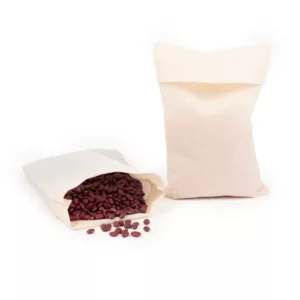
Cloth Bags
- Pros: Reusable, breathable, eco-friendly, washable
- Cons: Not moisture-resistant, can promote faster spoilage for some vegetables, harder to clean thoroughly
- Best for root vegetables like potatoes and onions, which need air circulation.
-
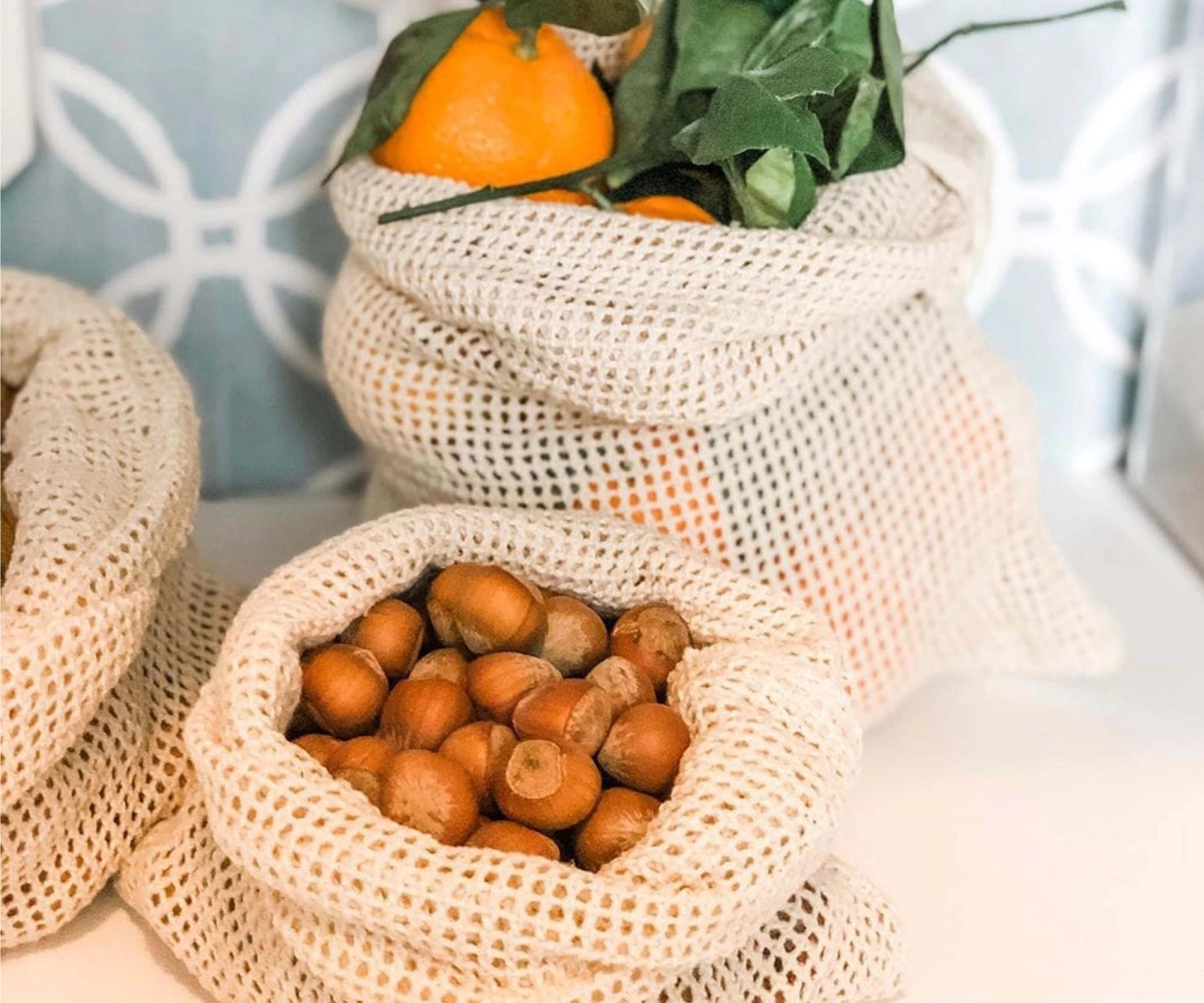
Mesh Bags
- Pros: Great ventilation, reusable, lightweight
- Cons: Can’t hold very small or loose items, less protection against physical damage
- Ideal for produce like garlic, citrus, or squash that benefit from airflow.
-
Paper Bags
- Pros: Biodegradable, breathable, good moisture control
- Cons: Prone to tearing, not waterproof, single-use usually
- Suitable for short-term storage and transporting sensitive leafy greens.
-
Reusable Plastic Bags
- Pros: Durable, often resealable, easy to clean, better moisture control
- Cons: Can be more expensive upfront, must be maintained to avoid contamination
- Great for households prioritizing reduced single-use plastics and needing airtight storage.
When to Choose Vegetable Plastic Bags Over Alternatives
Despite the rise of eco-friendly options, plastic vegetable bags still have key advantages in many cases:
- Extended Freshness: Plastic bags, especially perforated or anti-fog types, help maintain moisture balance and protect delicate veggies like lettuce, spinach, and herbs better than cloth or paper.
- Hygienic Storage: For supermarkets and consumers, plastic bags provide a clean barrier against dirt, pests, and handling contamination.
- Cost-Effectiveness: Vegetable plastic bags are generally cheaper and more readily available in bulk, which matters for large-scale retail or frequent home use.
- Convenience and Versatility: Their range of sizes, thicknesses, and sealing options make them practical for various vegetable types—from small cherry tomatoes to larger squash.
- Use cloth and mesh bags for veggies that need airflow and are less prone to spoilage.
- Opt for paper bags when you want biodegradable short-term storage but can handle gentle handling.
- Choose reusable plastic bags if you want durability and airtight options with less waste.
- Stick with vegetable plastic bags when you need to extend shelf life, maintain freshness, and require affordable, hygienic produce packaging.
Understanding these options helps you pick the right storage method for your veggies—balancing freshness, cost, and environmental impact based on your needs.
Why Choose Artfullife for Your Vegetable Plastic Bags

When it comes to vegetable plastic bags for fresh produce packaging, Artfullife stands out as a trusted partner for both households and supermarkets across the United States. Here’s why choosing Artfullife makes sense for your vegetable storage and retail needs:
Wide Product Range and Quality Assurance
Artfullife offers a comprehensive selection of vegetable plastic bags, including:
- Biodegradable vegetable bags for a greener choice
- Perforated and anti-fog bags designed to keep vegetables fresh longer
- Various sizes and thicknesses tailored for everything from small leafy greens to larger root vegetables
Each product undergoes strict quality control to ensure durability, food safety, and performance. Artfullife complies with FDA and EU food safety standards, so you can trust their bags to keep your produce fresh, hygienic, and safe.
Customization Options for Supermarkets and Retailers
For supermarkets looking for tailored vegetable produce packaging, Artfullife offers custom sizing, branding, and bag features that help highlight your fresh produce while meeting your specific storage needs. Whether you need printed logos, custom ventilation patterns, or specialized resealable bags, Artfullife can deliver solutions to fit your store’s identity and consumer preferences.
Competitive Pricing and Reliable Supply Chain
Artfullife understands the balance between quality and cost, especially for large-scale vegetable bag purchases. They provide competitive pricing without compromising on quality, making them ideal for both individual consumers and supermarket supply chains. Plus, their strong logistics network ensures timely deliveries, reducing the risk of supply shortages.
Proven Customer Satisfaction
Many retailers and households across the U.S. trust Artfullife for their vegetable packaging needs. Case studies show improved produce shelf life and reduced spoilage thanks to the right bag choice. Happy customers report:
- Extended freshness for delicate vegetables
- Easier storage with resealable and ventilated options
- Reliable food safety compliance that meets consumer demand
Choosing Artfullife means you’re partnering with a supplier dedicated to eco friendly vegetable bags, consistent quality, and solutions that fit your everyday needs for fresh vegetable storage bags.
FAQs About Vegetable Plastic Bags Common Questions on Safe Use Disposal and Effectiveness
Using vegetable plastic bags for fresh produce storage raises a few common questions, especially around safety, disposal, and how well they actually work. Let’s cover the key points to help you make the most informed choices.
Are vegetable plastic bags safe for storing food
Yes, most vegetable plastic bags are made from food grade polyethylene or biodegradable plastics that meet strict safety standards like FDA or EU certifications. These bags are designed to be non-toxic and safe for direct contact with fresh vegetables, helping keep produce hygienic without harmful chemicals leaching in.
How do I dispose of vegetable plastic bags responsibly
Disposal depends on the bag type:
- Traditional polyethylene bags can often be recycled at local facilities or through store drop-off programs. Check locally as recycling rules vary by area.
- Biodegradable or compostable bags should be disposed of according to manufacturer guidelines, usually in commercial composting facilities since home composting may not break them down effectively.
- Avoid throwing plastic bags in regular trash whenever possible to reduce landfill waste.
Do vegetable plastic bags really extend freshness
Yes, when used properly, vegetable plastic bags can slow down moisture loss and reduce spoilage, especially with breathable or perforated designs that balance humidity inside the bag. This helps vegetables stay crisp and fresh longer than loose storage or paper alternatives.
What’s the difference between ventilated and non ventilated bags
- Ventilated (perforated) bags allow air circulation, preventing condensation buildup and extending freshness for vegetables sensitive to moisture.
- Non ventilated bags are better for produce needing higher humidity, but risk condensation if not monitored carefully.
Choosing the right type depends on the vegetable and storage conditions.
Can vegetable plastic bags be reused
Many vegetable plastic bags can be cleaned and reused if handled gently, especially thicker or resealable options. Reusing bags reduces waste and maximizes value but always inspect for damage or contamination before reuse.
Are biodegradable vegetable bags better for the environment
Biodegradable bags reduce the lasting environmental impact compared to traditional plastic but require proper composting conditions to break down. They can be a good choice if your local waste system supports them, but recycling and reducing plastic use altogether remains important.
How to choose the best vegetable plastic bags for home or supermarket use
Consider the following:
- Material quality (food safe and durable)
- Bag size and thickness suited to your produce type
- Ventilation needs for specific vegetables
- Compliance with FDA or EU food safety standards
- Eco-friendliness and disposal options
- Cost-effectiveness for your scale of use
How can I buy vegetable plastic bags in bulk
For supermarkets and businesses, buying from reliable vegetable bag suppliers who offer customizable options, competitive pricing, and guaranteed supply chains—like Artfullife—ensures quality and operational efficiency.
In sum, vegetable plastic bags are safe and effective when chosen and used correctly. Pay attention to disposal methods and select eco-friendly options when possible. For U.S. consumers and retailers, balancing cost, quality, and environmental impact leads to smarter fresh produce packaging solutions that help reduce waste and maintain freshness longer.