
















If you’ve ever packed a lunch or prepared sandwiches to go, you know how important it is to keep them fresh, mess-free, and easy to handle. That’s where aluminum foil for wrapping sandwiches shines as a trusted kitchen hero. But is it really the best option for your sandwiches? And how do you use it to make sure your meal stays tasty and intact?
In this guide, you’ll discover the real benefits of using aluminum foil for sandwich wrapping, practical tips to keep your food fresh, and important safety pointers you might not have considered. Plus, we’ll explore eco-friendly alternatives that align with a sustainable lifestyle because convenience doesn’t have to come at the planet’s expense. Ready to wrap like a pro? Let’s get started!
Why Choose Aluminum Foil for Wrapping Sandwiches
When it comes to sandwich wrapping, aluminum foil offers several practical advantages that make it a top choice for food storage and transport. Whether you’re packing a quick lunch or preparing sandwiches for a picnic, foil provides reliable protection and convenience.
Heat Retention and Insulation Qualities
One of the standout benefits of aluminum foil for wrapping sandwiches is its excellent heat retention and insulation properties. The reflective surface helps maintain the temperature of your sandwich, keeping it warmer or cooler longer compared to other wraps. This makes foil especially useful if you want to enjoy a fresh, tasty sandwich without it getting cold or soggy too soon.
Protection from Moisture and Contamination
Aluminum foil creates a durable barrier against moisture, air, and contaminants. This means your sandwich stays fresh by preventing unwanted dampness and external odors from affecting the taste and texture. Unlike some wraps that can tear or let air through, foil tightly seals in freshness and blocks out germs, which is essential for safe food storage.
Easy to Fold and Secure Tight Wrapping
Another reason to choose aluminum foil is how easy it is to mold and fold securely around your sandwich. The foil’s flexibility allows you to wrap sandwiches of all sizes and shapes snugly, minimizing air exposure and preventing spillage during transport. This tight wrapping keeps sandwiches intact, making lunchbox packing or on-the-go meals mess-free and convenient.
Comparing Aluminum Foil with Other Common Sandwich Wrappings
It’s helpful to know how foil stacks up against popular alternatives like plastic wrap, wax paper, and reusable wraps:
- Plastic wrap offers a good moisture barrier but is less sturdy and can tear easily. It also lacks insulation, so foods cool down or warm up faster.
- Wax paper is breathable and great for sandwiches that don’t require much moisture protection but doesn’t seal tightly or offer insulation.
- Reusable wraps such as beeswax wraps are eco-friendly and breathable but may not protect as well against moisture or provide strong heat retention.
aluminum foil strikes a balance between durability, freshness protection, and temperature control — making it a reliable and practical choice for many sandwich wrapping needs. It’s especially favored by busy families, food prep enthusiasts, and anyone looking for easy, secure packing.
With these benefits, aluminum foil remains a trusted tool for keeping sandwiches fresh, delicious, and ready to enjoy anytime.
How to Properly Wrap Your Sandwich with Aluminum Foil for Freshness and Storage
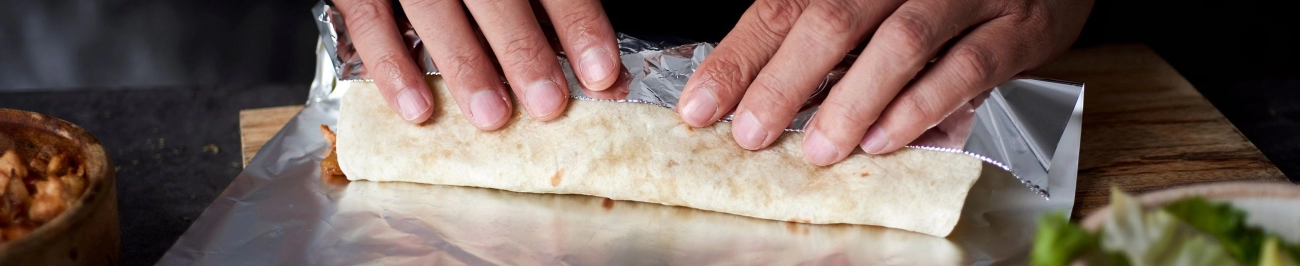
Wrapping sandwiches with aluminum foil for food storage is simple once you know the right steps. A secure wrap helps keep your sandwich fresh, prevents sogginess, and makes packing for lunchboxes, picnics, or longer storage easier.
Step-by-Step Guide for Wrapping Sandwiches Securely
- Use a large enough sheet of foil: Start with a piece that’s at least twice the size of your sandwich to ensure full coverage.
- Place the sandwich in the center: Make sure there’s plenty of foil left on all sides for folding.
- Fold one side over the sandwich: Then fold the opposite side, covering the sandwich completely.
- Fold the shorter edges inward: Like wrapping a present, fold the open edges tightly to seal the sandwich.
- Crimp the edges together tightly: Press firmly to create a barrier that keeps air and moisture out.
Tips for Preserving Freshness and Preventing Sogginess
- Wrap sandwiches when cool or at room temperature to avoid condensation inside the foil.
- Add a dry layer like wax paper or parchment inside if your sandwich contains moist ingredients like tomatoes or cucumbers. This helps prevent the bread from getting soggy.
- If your sandwich has wet spreads (mustard, mayo), spread them evenly or use less to reduce moisture buildup inside the foil.
- Use foil to cover sandwiches that will be eaten the same day or within 24 hours for best freshness.
Best Practices for Packing Sandwiches in Foil for Different Needs
- Picnics and outdoor lunches: Wrap sandwiches tightly to protect them from insects and dirt. Add an insulated lunch bag or cooler pack to maintain freshness longer.
- Lunchboxes: Aluminum foil fits well in standard lunchboxes and keeps sandwiches secure and fresh until lunchtime.
- Longer storage in the fridge or freezer: Wrap sandwiches tightly and then place them in a reusable container or zip-top bag for extra protection against freezer burn or fridge odors.
By following these simple steps and tips, using aluminum foil for wrapping sandwiches becomes an easy, effective way to keep your lunch fresh and tasty wherever you take it.
Safety Considerations When Using Aluminum Foil for Food Wrapping
Is Aluminum Foil Safe for Food Contact
Aluminum foil is widely used and generally safe for wrapping sandwiches and other foods. It acts as a reliable barrier against moisture, air, and contaminants without releasing harmful substances when used properly. The U.S. Food and Drug Administration (FDA) approves aluminum foil for food contact, making it a trusted choice for everyday sandwich wrapping.
However, avoid prolonged contact with highly acidic or salty foods like citrus, tomatoes, or vinegar-based dressings. Acidic ingredients can react with the foil, potentially causing tiny amounts of aluminum to leach into food and altering taste. For sandwiches containing these ingredients, it’s better to use a barrier like parchment paper under the foil or choose alternatives such as wax wraps.
What Foods Should Be Wrapped in Aluminum Foil
Aluminum foil works best for:
- Non-acidic sandwiches (e.g., deli meats, cheeses, veggies)
- Foods that benefit from heat retention and moisture protection
- Grilled sandwiches or paninis to hold heat and prevent sogginess
- Storage of solid food items without excess liquid
Avoid wrapping:
- Highly acidic or salty foods
- Very moist foods that can cause the foil to tear or leak
Heat and Microwave Safety Tips
When heating sandwiches wrapped in aluminum foil, be cautious:
- Do not use aluminum foil in a microwave unless it’s specifically labeled microwave-safe, as foil can cause sparks or fires.
- If reheating in a microwave, remove the foil and use a microwave-safe cover.
- For oven or grill use, foil is excellent because it retains heat and cooks evenly.
- Always avoid overheating foil-wrapped food, as high temperatures can sometimes cause foil to degrade or stick to food.
By following these simple safety tips, you can enjoy the convenience of aluminum foil for sandwich wrapping without worry.
Environmental Impact of Using Aluminum Foil for Wrapping Sandwiches
When it comes to aluminum foil for wrapping sandwiches, understanding the environmental impact is important for making smarter choices. Let’s break down the key points around its recyclability, production cost, and how it stacks up against eco-friendly alternatives.
Aluminum Foil Recyclability Facts
Aluminum foil is recyclable but only if it’s clean and free from food residue. Contaminated foil often ends up in the trash because food particles can ruin the recycling process. To recycle foil properly:
- Scrape or wipe off any food debris before recycling
- Collect smaller pieces into a ball to make it easier for recycling centers to process
- Check your local recycling program to confirm they accept aluminum foil
Recycling foil saves up to 95% of the energy needed by producing aluminum from raw materials, making it highly worth the effort.
Environmental Cost of Production Versus Benefits
Mining and processing bauxite into aluminum is energy-intensive and contributes to greenhouse gas emissions. This manufacturing phase has a notable environmental footprint including:
- Land disruption from mining
- High water and energy use
- Carbon emissions during refining and production
On the flip side, aluminum foil’s durability and ability to reduce food waste by preserving freshness can offset some environmental costs. Less food waste means fewer emissions associated with food production and disposal.
How to Recycle Aluminum Foil Properly for Food Storage
To minimize environmental impact, follow these steps when recycling foil used for sandwich wrapping:
- Keep foil clean and dry to avoid contamination
- Compact the foil into a ball at least 2 inches in diameter
- Pair foil recycling with aluminum cans or tins if your program accepts mixed aluminum
- Avoid wrapping very greasy or heavily soiled foods in foil if recycling isn’t available
Comparison to Eco-Friendly Sandwich Wrapping Alternatives
Eco-conscious shoppers often ask how foil compares to other sandwich wraps. Here’s how foil stacks up:
| Feature | Aluminum Foil | Beeswax Wraps | Reusable Silicone Wraps | Wax Paper |
|---|---|---|---|---|
| Recyclability | Recyclable if clean | Compostable and reusable | Reusable, not recyclable | Biodegradable but not reusable |
| Preservation | Excellent insulation and freshness | Good breathability, less moisture | Airtight seal, good for freshness | Good moisture barrier |
| Environmental Footprint | High production energy | Lower impact, natural materials | Medium impact, lasts long | Low impact but single-use |
| Convenience | Easy to fold, disposable | Needs washing, less durable | Durable but requires cleaning | Disposable, less durable |
While foil is recyclable and widely available, eco-friendly wraps often deliver lower overall environmental impact when reused properly.
Understanding the environmental pros and cons of aluminum foil helps you make better choices for wrapping sandwiches, balancing freshness needs with sustainability. When possible, recycle foil properly or consider reusable wraps to reduce waste without losing convenience.
Ecoartfullife’s Eco-Friendly Aluminum Foil for Wrapping Sandwiches Recommendations

Brand Commitment to Sustainability
Ecoartfullife stands out by blending convenience with environmental responsibility. Their mission focuses on offering products that reduce waste without compromising on quality or ease of use. When it comes to aluminum foil for wrapping sandwiches, Ecoartfullife emphasizes sourcing materials responsibly and promoting recycling to lower the environmental footprint.
Introducing Ecoartfullife’s Reusable Sandwich Wraps and Alternatives
Beyond traditional aluminum foil, Ecoartfullife offers reusable sandwich wraps made from sustainable fabrics and food-safe coatings. These wraps are designed to replace single-use foil and plastic, cutting down waste dramatically while keeping your sandwiches fresh. They are:
- Easy to clean and reuse multiple times
- Breathable to prevent sogginess
- Lightweight and foldable for lunchbox convenience
These alternatives provide the best way to wrap sandwiches for everyday use, balancing freshness and eco-friendliness.
Tips for Reducing Single-Use Foil Consumption Without Sacrificing Convenience
If you enjoy the benefits of aluminum foil for food storage but want to limit waste, here are some practical tips:
- Use foil sheets multiple times by carefully cleaning and reshaping them
- Combine reusable wraps with foil for longer trips or hotter meals
- Opt for portions that fit your wrap size to avoid waste
- Consider partial wrapping paired with airtight containers for freshness
Following these tips helps you save money, reduce landfill waste, and keep sandwiches fresh whether for school, work, or picnics. Ecoartfullife’s approach supports eco-friendly sandwich wraps that match today’s busy American lifestyles while protecting the planet.
Frequently Asked Questions About Aluminum Foil for Wrapping Sandwiches
Can Aluminum Foil Keep Sandwiches Fresh Overnight
Yes, aluminum foil is great for keeping sandwiches fresh overnight. It provides a tight seal that helps retain moisture and prevents air from drying out your sandwich. The foil also protects from external odors and contamination, making it a solid choice for overnight storage in your fridge or lunchbox.
What Is Better Aluminum Foil or Beeswax Wraps for Sandwiches
Both have their pros and cons:
- Aluminum foil offers excellent heat retention and a strong moisture barrier, ideal for hot or cold sandwiches.
- Beeswax wraps are eco-friendly, reusable, and breathable, which is good for keeping sandwiches fresh but not ideal for very moist or greasy foods.
If you want convenience and strong protection, foil works best. If you prefer reducing waste and don’t mind a bit of airflow, beeswax wraps are a smart alternative.
How to Clean and Reuse Aluminum Foil for Sandwich Wrapping
You can reuse aluminum foil a few times if it’s not torn or heavily soiled:
- Gently wipe off any food residue with a damp cloth.
- Air dry completely before storing.
- Avoid reusing foil that had strong odors or oily, sticky foods as that can transfer scents or affect freshness.
Reusing foil helps cut down on waste but keep hygiene in mind to avoid contamination.
Can Aluminum Foil Be Composted
No, aluminum foil should not be composted. It’s a metal and does not break down in compost piles or home compost bins. Instead:
- Check if your local recycling program accepts clean aluminum foil.
- Remove any food scraps before recycling.
- If contaminated or too greasy, dispose of it in the trash.
For compostable wrapping options, consider eco-friendly sandwich wraps made from natural materials like beeswax or cloth.
By understanding these FAQ points, you can make better choices about using aluminum foil for food storage and sandwich wrapping that fit your lifestyle and environmental concerns.