

















If you’re looking for smarter ways to keep your food fresh in the freezer, aluminum foil for freezer storage might already be on your radar. But how effective is it really? And what’s the best way to use it to prevent freezer burn and keep flavors intact?
In this guide, you’ll get the lowdown on why aluminum foil is a trusted choice for freezing food, how it stacks up against other options like plastic wrap or freezer bags, and the simple steps you can take to wrap your meals safely and sustainably. Plus, we’ll cover important safety tips and how to use foil in an eco-friendly way—so you can save food, time, and the planet all at once.
Ready to master freezer storage tips with aluminum foil that actually work? Let’s get started!
Why Use Aluminum Foil for Freezer Storage
Benefits of Aluminum Foil in Freezer Storage
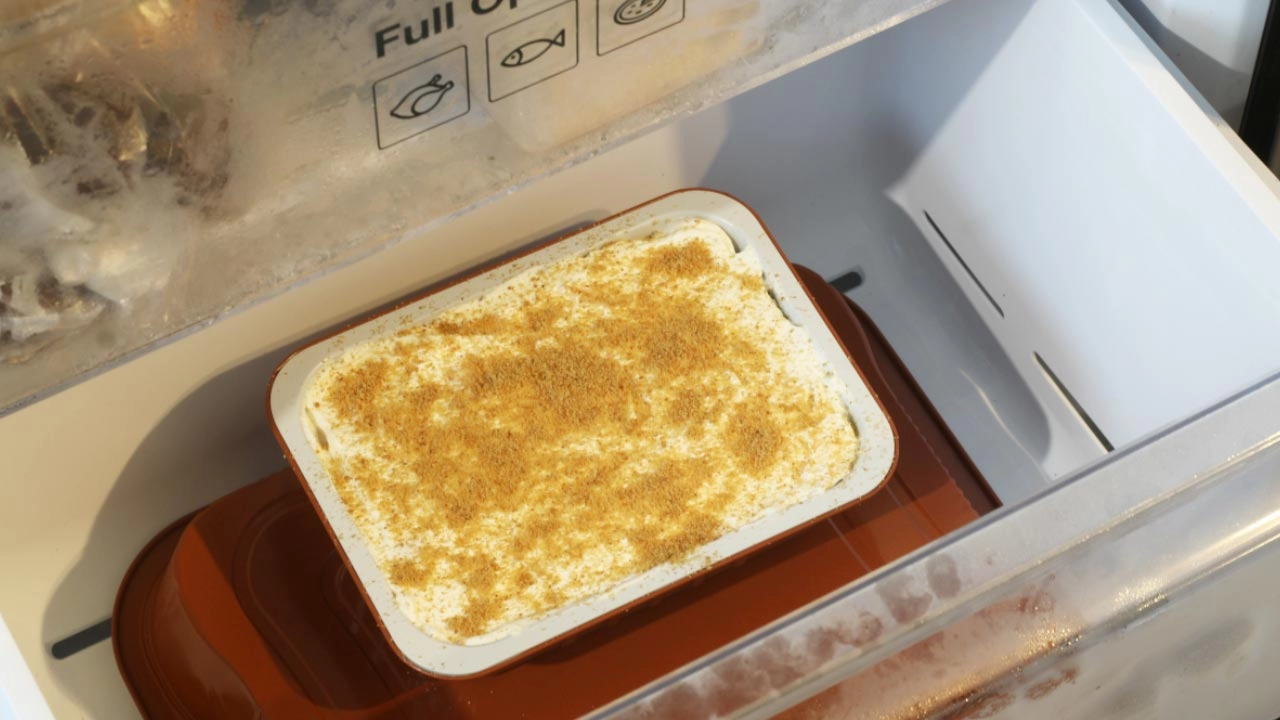
When it comes to freezer storage, aluminum foil offers several advantages that make it a smart choice for preserving your food. One of the biggest benefits is its ability to act as an excellent barrier against moisture, odors, and light. This helps maintain the freshness and quality of your food by reducing the risk of freezer burn and preventing your frozen goods from absorbing unwanted smells from other items in the freezer.
Aluminum foil’s tight seal minimizes air exposure, which is crucial for keeping foods like meats, vegetables, and leftovers in prime condition over extended periods. Its reflective surface also protects food from light, which can sometimes degrade flavor and appearance when stored for long durations.
Aluminum Foil vs Other Freezer Storage Options
When comparing aluminum foil to other common freezer storage products like plastic wrap, freezer bags, and containers, each has pros and cons, but aluminum foil stands out in several ways:
- Plastic wrap is flexible and clings well, but it can be less durable and often allows some air through, which may lead to freezer burn.
- Freezer bags are excellent for airtight storage and are reusable in many cases, but they require more space and can sometimes leak if not sealed perfectly.
- Containers offer sturdiness and stackability but can be bulky and take up more freezer space.
Aluminum foil combines flexibility with durability, making it ideal for wrapping irregularly shaped items and creating airtight seals when done properly. Plus, it’s lightweight and space-efficient, helping you organize your freezer better.
Eco Friendly Attributes of Aluminum Foil
From an environmental perspective, aluminum foil has some important eco friendly advantages when used correctly. Unlike single-use plastics, aluminum foil can be recycled multiple times if clean and free of heavy food residue. This supports a circular economy and reduces landfill waste.
By reusing foil for freezer storage several times and choosing eco friendly aluminum foil brands made with recycled content, you contribute to lowering environmental impact. Aluminum is also a natural resource that, when managed responsibly, offers a more sustainable alternative to excessive plastic wrapping and disposable bags.
aluminum foil is a reliable, effective, and environmentally conscious choice for freezer storage that protects your food while supporting more sustainable kitchen habits.
How to Properly Use Aluminum Foil for Freezer Storage
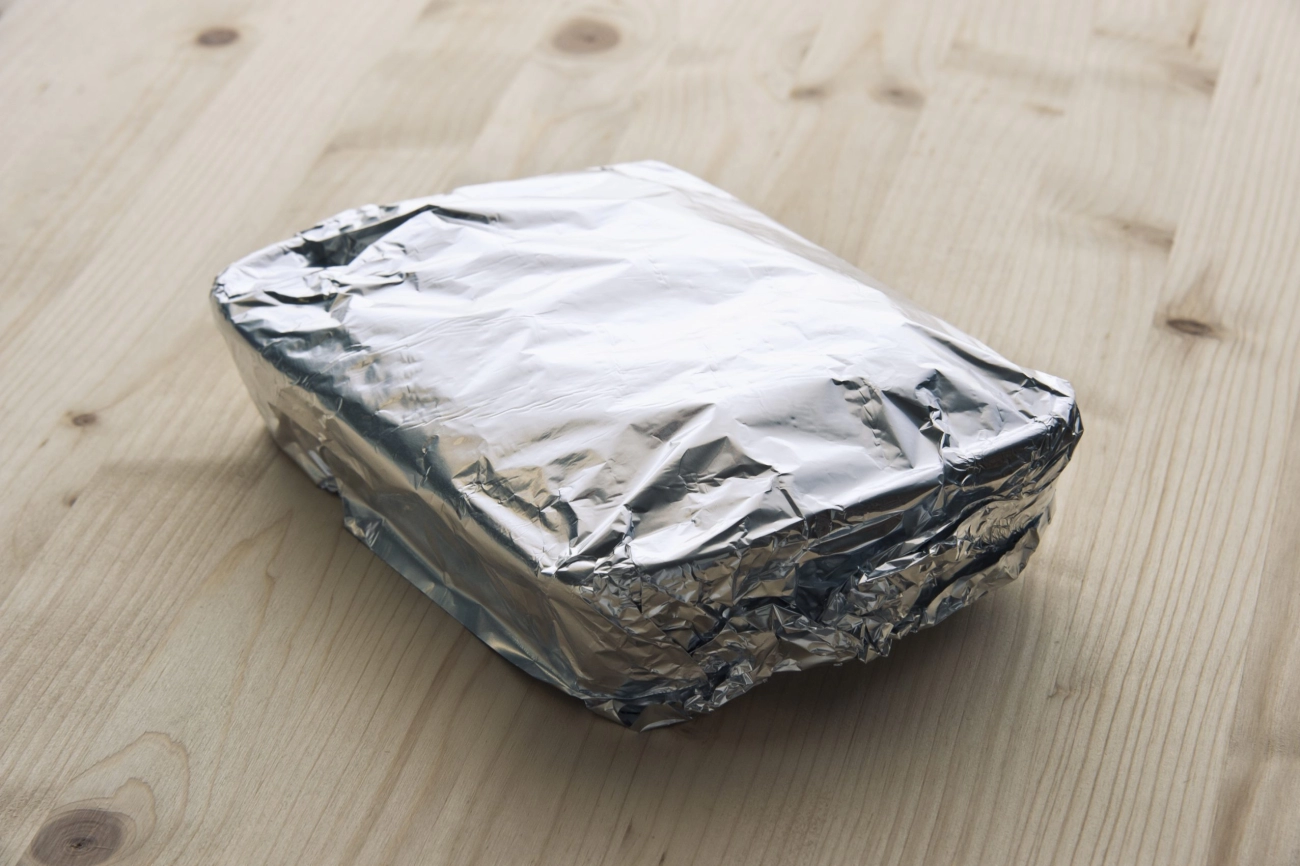
Freezing food with aluminum foil is simple but doing it right makes all the difference. Here’s a step-by-step guide for wrapping different foods to keep them fresh, tasty, and protected.
Wrapping Meats Vegetables Leftovers and Baked Goods
- Meats: Place the meat on a piece of heavy-duty aluminum foil. Fold the foil tightly around the meat, pressing out as much air as possible. For best protection, wrap twice or add a layer of freezer paper underneath before wrapping with foil.
- Vegetables: Blanch vegetables first to preserve texture and color. Let them cool, then pat dry. Wrap in foil tightly to shield from freezer moisture and odors.
- Leftovers: Cool leftovers completely before wrapping. Use foil to cover containers or wrap portions individually. Make sure the foil covers every gap to prevent air exposure.
- Baked goods: Wrap baked treats like bread or cookies tightly in foil. For extra protection, first wrap in plastic wrap, then cover with foil to lock in moisture and prevent freezer burn.
Tips for Making Airtight and Protective Seals with Aluminum Foil
- Use heavy-duty foil especially for longer storage or foods prone to freezer burn.
- Fold edges tightly and press firmly to remove air pockets.
- If possible, double wrap items by adding an extra layer of foil or combining with plastic wrap or freezer paper.
- For irregular-shaped foods, mold the foil snugly to the shape—air gaps cause freezer burn.
- Label wrapped packages with the date and contents using a permanent marker for easy identification.
Layering Aluminum Foil With Other Packaging to Boost Protection
Combining aluminum foil with other materials can enhance freezer storage:
- Wrap food first in plastic wrap to prevent moisture loss, then cover with aluminum foil for a strong barrier against odors and light.
- Use freezer bags over the foil if extra protection or space-saving is needed. Check out this guide on leakproof silicone food storage bags for reusable alternatives.
- For delicate baked goods, layer parchment paper between foil and food to avoid sticking.
By following these tips, you maximize the moisture, odor, and light barrier benefits of aluminum foil and keep your frozen food fresher longer. Proper wrapping is key for effective freezer storage with aluminum foil.
Best Practices to Prevent Freezer Burn with Aluminum Foil for Freezer Storage
What is Freezer Burn and Why It Happens
Freezer burn occurs when food is exposed to air in the freezer, causing dehydration and oxidation on the surface. This results in dry spots, off-flavors, and changes in texture that reduce food quality. It generally happens because moisture escapes from the food and ice crystals form on exposed areas, damaging the food over time.
How Aluminum Foil Helps Prevent Freezer Burn
Aluminum foil for freezer storage is often used because it forms a tight moisture and air barrier around food. Here’s why foil is effective:
- Blocks Moisture and Air: Foil’s dense structure limits exposure to dry air, keeping food moist.
- Shields Food from Light: Light can accelerate spoilage, and foil ensures food is kept in the dark.
- Puncture Resistant: Unlike some plastic wraps, foil provides a stronger physical shield against freezer punctures that can let air in.
Using aluminum foil properly reduces the risk of freezer burn, preserving both flavor and texture.
Additional Techniques to Minimize Freezer Burn When Using Foil
Even with foil, following these tips boosts protection:
- Wrap Food Tightly: Press foil snugly around food, eliminating air pockets.
- Double Wrap for Extra Protection: Use a layer of plastic wrap or freezer paper inside the foil to add another moisture barrier.
- Label and Date Packages: Keep your freezer organized to use older items first, limiting how long food sits frozen.
- Avoid Over-Freezing: Don’t keep food frozen longer than recommended. Even with good wrapping, freezer burn appears over extended storage.
By combining these practices, aluminum foil becomes a reliable tool for long-term freezer storage, preserving your food’s quality and taste.
For sustainable freezer storage options, consider layering foil with reusable bags as explained in Ecoartfullife’s guide on long-term food storage bags.
Safety Considerations for Using Aluminum Foil for Freezer Storage
When it comes to aluminum foil for freezer storage, safety is an important factor to keep in mind. While aluminum foil is generally safe for most frozen foods, there are some key points to consider to avoid any problems and keep your food fresh and safe.
Is Aluminum Foil Safe for All Frozen Foods
Aluminum foil is safe for freezing a wide range of foods, including meats, vegetables, baked goods, and leftovers. However, it’s best to avoid wrapping foods that are highly acidic or salty directly in foil. Acidic foods like tomato sauce, citrus, or vinegar-based items can react with the aluminum, causing a metallic taste and potentially breaking down the foil. Similarly, salty foods may speed up corrosion, which isn’t ideal for long-term storage.
If you need to freeze these types of foods, a good approach is to use a layer of plastic wrap or parchment paper underneath the foil. This extra step acts as a barrier and keeps the aluminum foil from direct contact, ensuring your food’s safety and flavor.
Avoiding Reactivity with Acidic or Salty Foods
- Use parchment paper or plastic wrap as a liner between the food and aluminum foil.
- Do not freeze highly acidic or salty foods wrapped only in aluminum foil.
- For super salty items like cured meats, consider freezer bags designed for long-term storage.
Proper Labeling and Organized Freezer Storage
Keeping your freezer organized when using aluminum foil is just as important as wrapping your food properly. Since foil is opaque, it’s easy to lose track of what’s inside each package or how long it’s been stored. Here’s how to stay organized:
- Always label your wrapped food with the date and contents using a freezer-safe marker or adhesive labels.
- Write clearly on the foil surface or attach a small tag.
- Store similar items together to make finding things easier, reducing the time your freezer door stays open and minimizing temperature fluctuations.
- Consider layering foil-wrapped items in containers or freezer bags for extra protection and better stacking.
By following these safe storage and labeling tips, using aluminum foil for freezer storage can be practical, safe, and efficient for your kitchen needs.
Ecoartfullife Sustainable Tips for Aluminum Foil Usage in Freezer Storage
Using aluminum foil for freezer storage is practical, but doing so sustainably matters, especially here in the U.S., where reducing waste is a growing priority. At Ecoartfullife, we focus on eco-friendly food storage solutions that help you minimize environmental impact without sacrificing convenience or food quality.
Recycling and Reusing Aluminum Foil Safely
- Reuse clean foil whenever possible. After wrapping your food, gently wipe any residue off and reshape the foil for another use. This cuts down on waste and saves money.
- Recycle aluminum foil only if it is clean and free of food contamination. Most curbside recycling programs accept clean aluminum foil, but double-check with your local recycler.
- Avoid foils heavily soiled with grease or food scraps, as this can contaminate recycling batches.
By reusing and recycling properly, you extend the life of your foil and reduce landfill waste, making your freezer storage habits more sustainable.
Choosing Eco Friendly Aluminum Foil Brands and Alternatives
Not all aluminum foil is created equal. Ecoartfullife offers access to sustainable aluminum foil brands produced with cleaner processes and higher recycled aluminum content. Look for:
- Foil labeled as recycled content or made from sustainable sources.
- Brands committed to reducing carbon emissions and waste during manufacturing.
- You can explore options from our trusted wholesale aluminum foil producers for high-quality, eco-conscious foil.
Alternatively, consider products like silicone storage bags or reusable freezer wraps as complements or replacements for foil when suitable.
Combining Aluminum Foil with Other Sustainable Materials for Freezer Storage
Maximize protection and sustainability by layering aluminum foil with eco-friendly materials:
- Use compostable parchment paper under the foil to reduce direct foil contact and improve tear resistance.
- Wrap moist or acidic foods first in silicone bags or reusable freezer-safe containers, then cover with foil for supreme moisture and odor barriers.
- This layered approach minimizes foil use while enhancing freeze food preservation tips and reducing waste.
For more sustainable storage alternatives that still perform well, check out Ecoartfullife’s range of silicone storage bags and other green food storage options.
By following these sustainable aluminum foil usage tips, you protect your frozen food and the planet. Whether reusing foil, choosing eco-conscious brands, or combining foil with other materials, Ecoartfullife helps you freeze smarter and greener.
Frequently Asked Questions About Aluminum Foil for Freezer Storage
Can I Use Aluminum Foil for Freezing Raw Meat
Yes, aluminum foil is safe for freezing raw meat and is actually a popular choice. It offers a strong barrier against moisture, odors, and light, which helps keep meat fresh longer. Just make sure to wrap the meat tightly, squeezing out any air to minimize freezer burn. For extra protection, consider combining foil with a freezer bag or plastic wrap.
How Long Can Food Stay Frozen in Aluminum Foil
The length of time food can stay frozen in aluminum foil depends on the type of food and how well it’s wrapped. On average:
- Raw meats can last 3-12 months.
- Cooked leftovers last about 2-6 months.
- Vegetables usually stay good for 8-12 months.
The key is to ensure the foil wrap is airtight to prevent moisture loss and freezer burn, which can shorten storage time.
Does Aluminum Foil Affect the Taste of Frozen Food
When wrapped properly, aluminum foil will not affect the taste of your frozen food. It acts as a neutral barrier that keeps odors out and prevents your food’s natural flavor from fading. However, if foil comes into direct contact with acidic or salty foods for long periods, it can sometimes cause a slight metallic taste, so use an extra layer of plastic wrap or parchment paper for those items.
Can You Freeze Food Wrapped Only in Aluminum Foil Without Plastic
Yes, you can freeze food wrapped only in aluminum foil, but for the best freezer storage results:
- Make sure the foil is snug with no gaps or holes.
- Use double layering of foil for extra protection.
- Adding plastic wrap or a freezer bag on the outside improves the airtight seal and guards against freezer burn.
Using foil by itself works fine for short-term freezing or low-moisture foods, but combining materials is a better way to keep food fresh longer.
By wrapping food properly with aluminum foil for freezer storage, you’ll keep your meals protected, flavorful, and ready to enjoy when thawed.