
















Are you searching for eco-friendly food-grade aluminum foil options that are safe for your meals and kind to the planet? You’re not alone. More consumers and chefs today want sustainable alternatives to traditional aluminum foil that don’t compromise on quality or safety. Whether you’re stocking your kitchen or sourcing products for a retail lineup, knowing which foils meet strict food-grade standards while minimizing environmental impact can be confusing.
In this post, you’ll discover what makes aluminum foil truly eco-friendly, how to spot trusted certifications, and explore top options designed with both safety and sustainability in mind. Ready to upgrade your kitchen practices and reduce waste without sacrificing convenience? Let’s dive into the best sustainable aluminum foil choices available today.
Understanding Food-Grade Aluminum Foil Standards and Safety
When it comes to choosing aluminum foil for cooking, storage, or packaging, food-grade aluminum foil is the safest and most reliable option. But what exactly does “food-grade” mean, and why does it matter? Let’s break it down so you can make informed choices for your kitchen.
What Is Food-Grade Aluminum Foil
Food-grade aluminum foil meets specific industry standards and regulations ensuring it’s safe for direct contact with food. This means the foil is:
- Made from high-purity aluminum that won’t transfer harmful substances to your food.
- Manufactured under strict conditions to prevent contamination.
- Tested to meet guidelines set by agencies like the U.S. Food and Drug Administration (FDA) for food contact safety.
These standards cover properties such as aluminum thickness, chemical composition, and surface treatment to keep your food safe and fresh.
Safety Considerations for Food Contact Materials
When foil touches your food, safety is a top concern. Food-grade certification guarantees that the aluminum foil:
- Does not leach toxic chemicals or metals into your food, even when heated.
- Is free from coatings or additives that could be hazardous.
- Maintains the integrity of your food without altering taste or quality.
Using non-food-grade aluminum foil raises the risk of contamination, especially with acidic or salty foods, which can accelerate aluminum migration.
Common Uses of Food-Grade Aluminum Foil
Food-grade aluminum foil is incredibly versatile in the kitchen and beyond. People rely on it for:
- Cooking: Wrapping meats, vegetables, and baking items to evenly cook or protect from direct heat.
- Storing leftovers: Keeping food fresh in the fridge or freezer by sealing in moisture and preventing spoilage.
- Packaging: Safe, hygienic wrapping for food transport, catering, and takeout services.
Because it’s safe for direct food contact, food-grade foil ensures convenience without compromising health.
Why Food-Grade Certification Matters for Health and Safety
Choosing food-grade aluminum foil is essential if you care about your health and food safety because:
- It reduces exposure to harmful substances that can come from non-certified foil.
- Protects against food contamination during storage and cooking.
- Supports compliance with food safety regulations if you’re preparing food commercially.
When selecting foil, look for products labeled as FDA-approved or meeting recognized food safety standards. This certification is your assurance that the foil you’re using aligns with health and environmental best practices.
Using food-grade, non-toxic aluminum foil for cooking eliminates risks and guarantees a safer, cleaner food experience. It’s the foundation for choosing more sustainable and eco-friendly aluminum foil options that meet both your health and environmental goals.
What Makes Aluminum Foil Eco-Friendly Food-Grade Aluminum Foil Options

When we talk about eco-friendly food-grade aluminum foil options, several factors set them apart from conventional foil. To start, these foils are designed with sustainability in mind, focusing on recyclability, energy savings, and responsible sourcing.
Recyclability and Reduced Energy Use
One of the biggest eco benefits of aluminum foil is that it’s highly recyclable. Unlike many plastic wraps, aluminum can be melted down and reused repeatedly without losing quality. Using recycled aluminum in foil production cuts energy use by up to 95% compared to new aluminum extraction, making it a far more environmentally friendly option for food packaging and storage.
Sustainable Sourcing and Recycled Content
Eco-friendly aluminum foil often incorporates a significant percentage of post-consumer recycled aluminum, meaning it’s partly made from aluminum that’s been used, collected, and recycled by consumers. This reduces the demand for raw bauxite mining, which has a heavy environmental footprint. Choosing foils with certified recycled content helps support a circular economy and fewer greenhouse gas emissions.
Differences from Conventional Foil
Unlike regular aluminum foil, eco-friendly varieties often come with thinner gauges or use specially engineered alloys to reduce material usage without sacrificing strength. Some eco foils also avoid harmful chemical coatings and instead feature non-toxic, biodegradable coatings for food safety and easier recycling. These upgrades make a big difference when assessing the overall environmental impact.
Biodegradability and Compostability Aspects
It’s important to note that aluminum foil itself is not biodegradable, but eco-friendly foils sometimes combine thin aluminum layers with biodegradable or compostable coatings to improve disposal options. While full compostability is rare for aluminum-based products, these coatings help foil break down cleaner when mixed with organic materials, unlike traditional plastic overlays that linger in landfills.
To sum up, eco-friendly food-grade aluminum foil options focus on:
- High recyclability with widespread aluminum foil recycling tips
- Reduced energy consumption via recycled aluminum content
- Sustainable sourcing to lower environmental impact
- Use of non-toxic coatings that support safer food packaging
- Thin and durable designs that minimize waste
For those considering alternatives or complementary options, exploring eco-friendly kitchen wraps and biodegradable food wraps alternatives is also worthwhile. For related insights on food-safe foil use, you can check out our page on high performance aluminum foil for food wrapping.
Types of Eco-Friendly Food-Grade Aluminum Foil Options
When looking for eco-friendly food-grade aluminum foil options, understanding the different types available helps you make a smarter choice for your kitchen and the environment. Here’s a breakdown of the most popular sustainable options, including recycled aluminum foil, ultra-thin foils, and innovative alternatives like biodegradable wraps.
Recycled Food-Grade Aluminum Foil
One of the best ways to reduce environmental impact is by choosing recycled aluminum foil. This foil is made from post-consumer aluminum, meaning it uses materials already in circulation rather than fresh ore. The benefits include:
- Lower energy use in production compared to new aluminum.
- Reduced mining demand, conserving natural resources.
- It offers the same food safety standards you expect from regular foil.
This type of sustainable aluminum foil is widely available and meets strict FDA requirements to ensure it’s safe for cooking, storage, and packaging.
Ultra-Thin Eco-Friendly Aluminum Foils
New advances let manufacturers produce ultra-thin foils that perform just as well while using less raw material. These foils:
- Reduce waste by cutting down on weight and thickness.
- Retain durability and effectiveness for cooking and storage.
- Have a smaller carbon footprint due to less material processing.
Ultra-thin food-safe aluminum foil is a smart choice if you want to minimize your kitchen’s environmental impact without sacrificing quality.
Foils with Eco-Friendly Coatings
Some food-grade aluminum foils come with eco-friendly coatings that are non-toxic and biodegradable. Traditional coated foils may contain chemicals that complicate recycling or raise health concerns. Eco-friendly coatings:
- Allow for better recyclability after use.
- Are free from harmful substances like PFAS.
- Help extend the foil’s life and performance.
These foils offer a balance between food safety and environmental responsibility, perfect for those sensitive to chemical exposure or looking for greener packaging.
Alternatives to Aluminum Foil
If you want to go even further in caring for the planet, consider eco-friendly kitchen wraps that reduce or eliminate aluminum foil use:
- Beeswax wraps: Reusable, compostable, and naturally antibacterial, perfect for covering bowls or wrapping sandwiches.
- Compostable wraps: Made from plant-based materials that break down easily without harming the environment.
- Reusable silicone lids: Flexible and durable, these lids fit various containers and cut down on single-use waste.
These alternatives complement eco-friendly aluminum foil by providing options for specific storage or wrapping needs while reducing overall waste.
Choosing the right combination of recycled food-grade aluminum foil and biodegradable food wraps alternatives helps you build a kitchen routine that’s safer for your family and better for the planet.
Benefits of Using Eco-Friendly Food-Grade Aluminum Foil
Switching to eco-friendly food-grade aluminum foil brings several significant advantages for the environment, your health, and your budget. Here’s why it’s worth making the change both at home and for retailers focused on sustainability.
Environmental Benefits Lower Carbon Footprint and Waste Reduction
One of the biggest perks of eco-friendly aluminum foil is its lower carbon footprint. This is mainly because many eco-friendly options use recycled food-grade aluminum, which requires less energy to produce compared to new aluminum. This saves natural resources and reduces greenhouse gas emissions.
In addition, these foils are often designed to be more recyclable, leading to less landfill waste. Proper recycling means aluminum foil can be reused indefinitely, helping cut down on trash and pollution. This aligns with growing consumer demand for environmentally friendly food packaging.
Health Benefits Food Safety and Chemical-Free Packaging
With eco-certified aluminum foil, you’re also getting peace of mind about food safety. Many conventional foils might have coatings or additives that aren’t always clearly labeled. Eco-friendly foils tend to use non-toxic coatings or no coatings at all, ensuring the foil is truly food-safe.
This reduces concerns about chemicals leaching into your meals, which can happen at high cooking temperatures or with acidic foods. Using certified food-safe aluminum foil brands supports healthier cooking and storage.
Cost-Effectiveness Over Time Durability and Reusability
At first glance, eco-friendly options might seem pricier, but durability and reusability make them more cost-effective long term. Brands focusing on quality materials produce foil that’s stronger and less prone to tearing, meaning you use less per meal or storage need.
Additionally, some ultra-thin recycled foils help reduce material use without sacrificing performance. This efficiency saves money over time while promoting sustainability.
Consumer Responsibility and Brand Image Benefits for Retailers
For businesses and retailers, offering eco-friendly foil sends a strong message about corporate responsibility. Customers are increasingly choosing companies that prioritize sustainable aluminum foil and eco-friendly packaging.
By stocking these options, retailers can boost their brand image and appeal to environmentally conscious shoppers. It’s a win-win: supporting the planet while building customer trust.
To explore cost-effective options suitable for retailers or supermarkets, check out our detailed guide on cost-effective aluminum foil for supermarkets.
For more practical uses and how foil can fit into sustainable kitchens, see uses of aluminum foil.
How to Choose the Right Eco-Friendly Food-Grade Aluminum Foil
Finding the right eco-friendly food-grade aluminum foil can feel overwhelming, but focusing on a few key factors makes it easier. Here’s what to keep in mind when choosing foil that fits your health, sustainability, and kitchen needs.
Look for Trusted Certifications
Certifications matter—they’re proof the foil is safe and sustainable. Be sure to check for:
- FDA approval – guarantees the foil is safe for direct food contact.
- FSC certification – shows the material is sourced with forest sustainability in mind (often relevant if packaging includes paper).
- Eco-labels or sustainability certifications – like those verifying recycled content or environmentally friendly production processes.
Choosing foil with these certifications ensures you’re using a product that meets high safety and environmental standards.
Consider Thickness Size and Coating
How thick or thin the foil is impacts performance and waste:
- Thinner foils reduce material use and waste but may tear easier.
- Thicker foils offer durability and better protection for cooking and storage but use more resources.
- Decide whether you want coated vs. uncoated foil:
- Coated foils with non-toxic, biodegradable coatings can prevent sticking and improve food safety.
- Uncoated foils are often simpler and more recyclable but can stick to food.
Choose the size and packaging that fits your typical kitchen habits to minimize waste. For example, smaller rolls work well for home use, while larger rolls suit foodservice needs.
Check Supplier Transparency and Sustainability Commitment
Not all brands are equally committed to eco-friendly practices. Look for suppliers who:
- Clearly share their supply chain sustainability efforts.
- Use recycled food-grade aluminum foil and promote aluminum foil recycling tips.
- Offer environmentally friendly food packaging and packaging materials.
- Support eco-friendly kitchen wraps alternatives and disposal guidelines.
Why Buy From a Trusted Supplier Like Artfullife
When it comes to eco-certified aluminum foil options, trust matters. Artfullife stands out because:
- They supply recycled food-grade aluminum foil meeting FDA and other key certifications.
- Their products align with sustainability labels and eco-friendly standards.
- Artfullife ensures transparent sourcing and commitment to lowering the carbon footprint.
- They offer a variety of packaging sizes tailored for U.S. households and businesses alike.
- Their customer support helps you pick the right product for your needs.
Choosing a trusted supplier like Artfullife means you’re investing in a product that supports your health, your kitchen needs, and the planet.
Artfullife’s Eco-Friendly Food-Grade Aluminum Foil Trusted Partner for Sustainable Kitchen Solutions
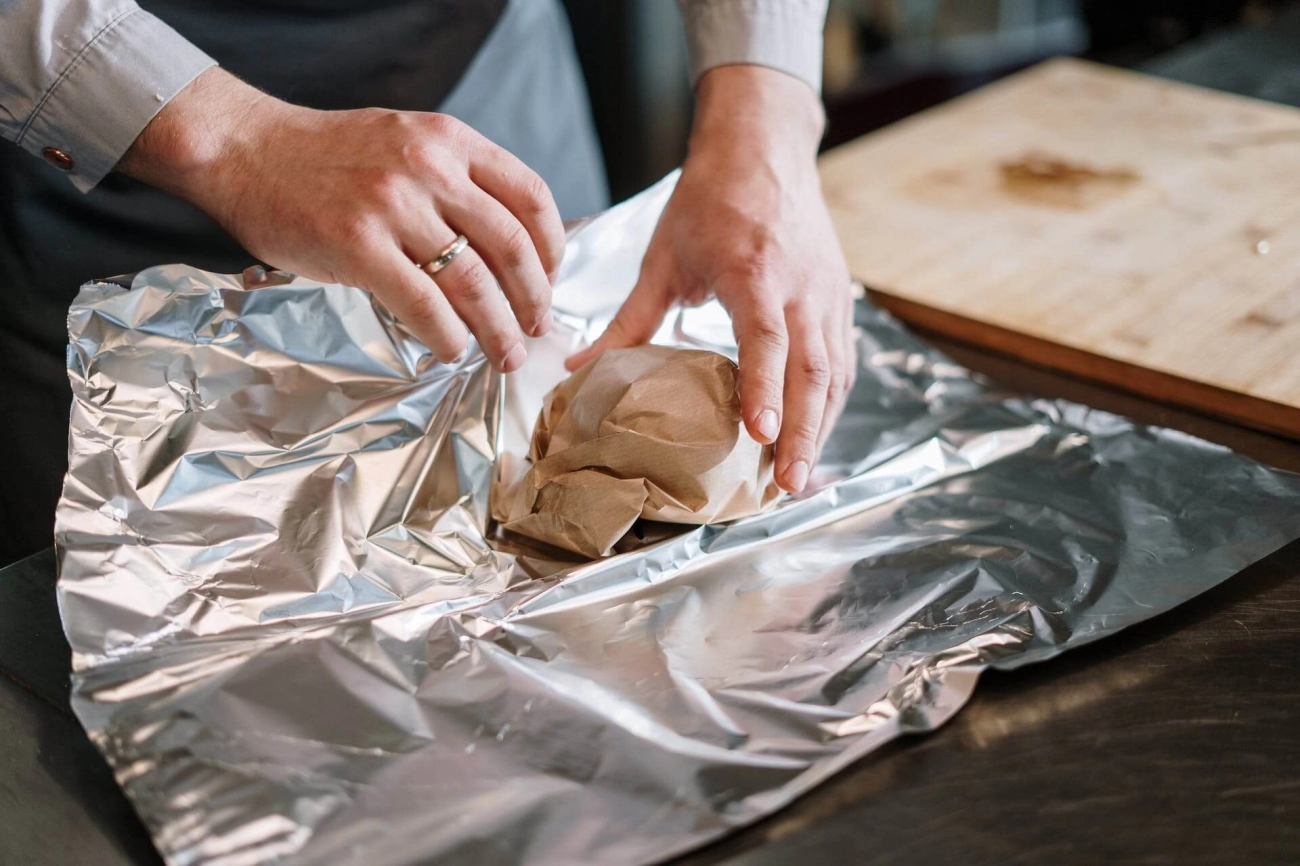
When looking for eco-friendly food-grade aluminum foil options, Artfullife stands out as a reliable supplier dedicated to quality, safety, and sustainability. Their products align perfectly with the values of customers in the United States who want recycled food-grade aluminum foil that is safe for cooking and food storage, while also minimizing environmental impact.
Why Choose Artfullife for Food-Safe Aluminum Foil
- Eco-friendly and safe materials: Artfullife uses sustainable aluminum foil with a high percentage of recycled content, ensuring each roll meets strict food-grade standards approved for contact with all types of food. This reduces resource use and chemical risks.
- Commitment to sustainability: Their supply chain focuses on responsible sourcing and energy-efficient production processes, reinforcing the brand’s pledge to reduce carbon footprints and landfill waste.
- Non-toxic and durable: The foil is free from harmful chemicals, making it a top choice for health-conscious consumers. Plus, its durability means less waste and greater reuse potential.
Packaging and Customer Support
Artfullife offers a variety of packaging sizes suitable for both household and commercial kitchen needs. Whether you’re a restaurant, caterer, or stocking up your home kitchen, there’s an option that fits your usage patterns. Customer support is readily available to help with product questions, bulk orders, or custom requests.
How to Order or Inquire
Getting your hands on Artfullife’s eco-certified aluminum foil is simple:
- Visit their website or contact customer service directly.
- Ask about bulk discounts or specialty sizes.
- Request information on certifications and sustainability practices to ensure it fits your standards.
Choosing Artfullife means choosing a partner who shares your commitment to environmentally friendly food packaging and responsible kitchen management. Make the switch today to support greener choices without compromising quality or safety.
Practical Tips to Maximize Eco-Friendly Foil Use in Your Kitchen
Using eco-friendly food-grade aluminum foil wisely helps you get the most out of your purchase while reducing waste and environmental impact. Here are some smart tips to make your kitchen greener and more efficient.
Reuse and Recycling Tips for Aluminum Foil
- Clean before reuse: Gently wipe off food residue from used foil so you can reuse it for storage or wrapping again. Avoid foil with sharp tears or heavy stains.
- Recycle properly: Aluminum foil is recyclable, but only if it’s clean and free of food scraps. Crumple it into a ball at least 2 inches wide so it can be sorted correctly at recycling centers.
- Check local recycling rules: Recycling policies vary across U.S. regions, so confirm with your local waste management about aluminum foil recycling to avoid contamination.
Alternatives to Foil to Reduce Environmental Impact
- Use beeswax wraps and other biodegradable food wraps as reusable or compostable alternatives.
- Silicone lids and covers are great for reusing over bowls and dishes to cut down on foil and plastic wrap usage.
- Glass containers or stainless steel lunchboxes with airtight lids can replace foil for storage and meal prep, offering durability without waste.
Storage and Disposal Best Practices
- Store your eco-friendly foil in a dry place to maintain its quality and make it last longer.
- When the foil is no longer reusable, clean off food scraps before disposing to enable recycling.
- Avoid throwing foil into regular trash where it ends up in landfills. Instead, dedicate a spot for recyclable aluminum to keep the process easy.
of Key Actions
- Reuse clean foil whenever possible to stretch its life.
- Recycle foil after use by crumpling into balls and confirming local recycling rules.
- Switch to alternatives like beeswax wraps or silicone lids to reduce foil use.
- Store foil properly to prevent damage and ensure good handling.
By following these simple steps, you contribute to lowering your kitchen’s environmental footprint while still enjoying the convenience of eco-friendly, food-safe aluminum foil.