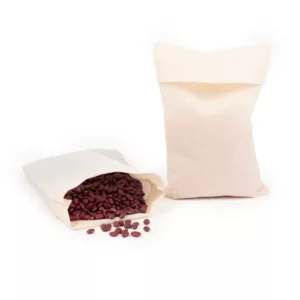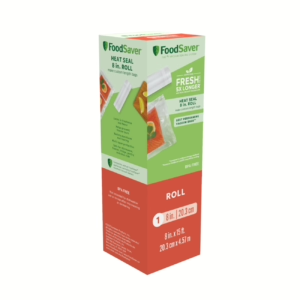


















Are you looking for safe, smart, and sustainable ways to store your food? Reusable food-grade storage bags might just be the game-changer your kitchen needs. These eco-friendly bags don’t just protect your food—they help reduce plastic waste, save money, and keep your health in check by using materials that meet strict safety standards.
If you’ve been wondering what makes these bags so special or how to choose the right ones, you’re in the right place. In this guide, we’ll break down everything you need to know about reusable food-grade storage bags—from their materials and benefits to how to clean and maintain them. Plus, discover why Artfullife is the trusted supplier delivering quality and sustainability in every bag.
Ready to make the switch to cleaner, greener, and smarter food storage? Let’s dive in!
What Are Reusable Food-Grade Storage Bags
If you’re wondering what exactly reusable food-grade storage bags are, here’s a simple breakdown. These bags are designed to store food safely and can be used over and over, unlike disposable plastic bags that you throw away after one use. The key difference lies in their durability and safety standards.
Reusable vs Disposable Food Storage Bags
Disposable bags are typically made from thin plastic that’s not meant to last. They can contain chemicals that aren’t safe when used repeatedly, and they contribute significantly to plastic waste. In contrast, reusable food-grade storage bags are made from materials that hold up over time and meet strict safety standards to keep your food fresh and your family safe.
What Does Food-Grade Mean
The term food-grade means the material has been certified safe for direct contact with food. These certifications ensure the bags do not release harmful chemicals into your snacks, sandwiches, or leftovers, even when exposed to heat or cold. Common food-grade materials include:
- Silicone – flexible, durable, heat-resistant, and BPA-free
- BPA-free plastics – safer plastics that avoid bisphenol A, a harmful chemical found in some plastics
- PEVA (polyethylene vinyl acetate) – a non-toxic alternative to vinyl that is soft and leak-proof
Shapes Sizes and Designs of Reusable Food Bags
Reusable food-grade storage bags come in a wide range of shapes and sizes to suit all your kitchen needs. You’ll find:
- Sandwich bags for quick snacks
- Snack pouches perfect for small treats
- Large bags for meal prep and storage
- Stand-up designs for easy filling and storing
- Zip or seal closures to keep food airtight and leak-proof
Many are designed to be leak-resistant, easy to clean, and freezer safe, making them a versatile choice for everyday use.
Choosing reusable food-grade storage bags means you’re opting for safe, reliable, and eco-friendly kitchen storage solutions that blend convenience with health and sustainability.
Why Choose Reusable Food-Grade Storage Bags
When it comes to storing your food safely and smartly, reusable food-grade storage bags offer clear advantages over disposable options. Let’s break down why these bags make sense for health, the environment, and your wallet.
Health and Safety First
One of the biggest benefits is that these bags are non-toxic and BPA-free. Unlike some cheap single-use plastics, reusable food storage bags are made from materials that don’t leach harmful chemicals into your food. This means they are resistant to harmful substances and safe for daily use, whether you’re storing leftovers or packing lunches.
Using bags certified as food-grade ensures they meet strict safety standards, so you avoid exposure to unhealthy toxins. This is especially important if you use bags in the microwave, freezer, or for acidic foods.
A Better Choice for the Environment
Single-use plastic bags are a major environmental problem, clogging landfills and polluting oceans. Switching to eco-friendly food storage bags helps reduce this waste dramatically. Each reusable bag can replace hundreds of plastic bags, which means:
- Less plastic trash in your local landfill and waterways
- A lower carbon footprint thanks to fewer manufacturing and disposal impacts
- Support for sustainable kitchen storage solutions that protect the planet
By choosing reusable, you’re actively cutting down on everyday plastic pollution and helping build a cleaner, greener community.
Long-Term Cost Savings
Although reusable bags usually cost more upfront than disposable ones, they pay off over time. Here’s how:
- You save money by not buying replacement bags constantly.
- Durable materials mean these bags last for months or years with proper care.
- Leakage-resistant designs avoid costly food spoilage and messes.
Over time, reusable food-grade storage bags are an economical choice that offers durability and dependability — especially if you pack lunches or store food regularly.
In short, choosing reusable food storage bags blends health safety, environmental impact reduction, and cost-effectiveness into one smart solution for anyone wanting safer, greener, and more economical food storage at home.
Materials Used in Reusable Food-Grade Storage Bags
When choosing reusable food-grade storage bags, understanding the materials makes a big difference. The most common ones are silicone, polyethylene (PE), and nylon, each with its own benefits and considerations.
Silicone Reusable Bags
Silicone bags are durable and flexible. They handle hot and cold temperatures well, making them great for freezing, microwaving, and boiling. They’re naturally BPA-free, non-toxic, and leak-proof, which means safe use with a variety of foods. Silicone is also easy to clean and lasts a long time without cracking or warping. However, silicone bags tend to be pricier upfront compared to plastic.
Polyethylene Bags
Polyethylene (PE), especially low-density polyethylene (LDPE), is a lightweight plastic commonly used in many reusable food bags. Food-grade PE bags are BPA-free and safe for storing dry or wet foods. They’re affordable and widely available but may not hold up as well with repeated use or extreme temperatures. Some polyethylene bags come with a PEVA lining, which is a safer plastic alternative but should still be double-checked for food safety certifications.
Nylon Reusable Bags
Nylon is another material used in reusable bags, often combined with other layers (like PE or polyurethane) to provide better durability and protection. Nylon bags are strong, tear-resistant, and often water-resistant. However, not all nylon bags meet strict food-grade standards, so verifying the food-safe label is essential.
How to Identify Truly Food-Grade Safe Materials
To make sure your reusable bags are truly food-grade and safe, check for:
- BPA-free labeling (no harmful bisphenol A chemicals)
- Certification from recognized organizations like the FDA (U.S. Food and Drug Administration) or NSF International
- Compliance with international safety standards such as LFGB (Germany) or EU food contact regulations
- Clear material descriptions on packaging or product listings stating suitability for direct food contact
Certifications and International Standards to Look For
- FDA Approved: Indicates the product meets U.S. federal safety requirements for food contact.
- BPA-Free: Protects against exposure to harmful industrial chemicals.
- LFGB Certified: German standard ensuring no toxic substances in materials.
- EU Food Contact Compliance: Ensures safety according to European regulations.
Choosing reusable food-grade storage bags made from certified materials like silicone or BPA-free polyethylene helps protect your health and keeps your food fresh. It also ensures your bags last longer, offering a better sustainable alternative to disposable plastic bags.
Benefits of Using Artfullife Reusable Food-Grade Storage Bags

Choosing Artfullife’s reusable food-grade storage bags means you get a reliable, eco-friendly solution tailored for everyday use. Here’s why these bags stand out in the US market:
High-Quality Certified Food-Grade Materials
Artfullife uses only certified food-grade materials like BPA-free silicone and PEVA-certified plastics. These materials meet strict safety guidelines, ensuring your food stays fresh and free from harmful chemicals. You get peace of mind knowing the bags are truly non-toxic food storage containers safe for all types of food.
Variety of Sizes and Styles for All Storage Needs
Whether you need reusable sandwich bags for kids’ lunches or larger leak-proof bags for freezing leftovers, Artfullife offers a wide range. These bags come in multiple shapes and sizes, perfect for anything from snacks to bulk storage. This variety means you can reduce your dependency on disposable plastic bags across all kitchen and pantry needs.
Easy To Clean Durable and Leak-Proof Designs
These bags are made tough but flexible, built to last through hundreds of uses. They’re dishwasher safe, making cleanup hassle-free, and their leak-proof reusable bags design protects against spills whether storing liquids or solids. The durability adds extra value, saving you time and money in the long run.
Environmentally Friendly Manufacturing Commitment
Artfullife prioritizes sustainability beyond just their product. Their manufacturing processes aim to reduce environmental impact, positioning their bags as a smart choice for anyone looking to cut down on single-use plastics. Using these bags helps you contribute positively to reducing plastic pollution—an important concern in many US communities.
Competitive Pricing and Local Availability
One of the biggest advantages is the cost-effectiveness combined with convenience. Artfullife’s reusable bags are competitively priced, offering long-term savings when you compare to buying disposable bags over time. Plus, they are widely available in local supermarkets across the US, making it easy and quick to switch to eco-friendly storage solutions without hassle.
By choosing Artfullife reusable food-grade storage bags, you support safer, more sustainable kitchen storage while enjoying practical benefits like durability, variety, and affordability. It’s a small change that makes a big difference for your health, wallet, and the planet.
How to Use and Maintain Your Reusable Food-Grade Storage Bags
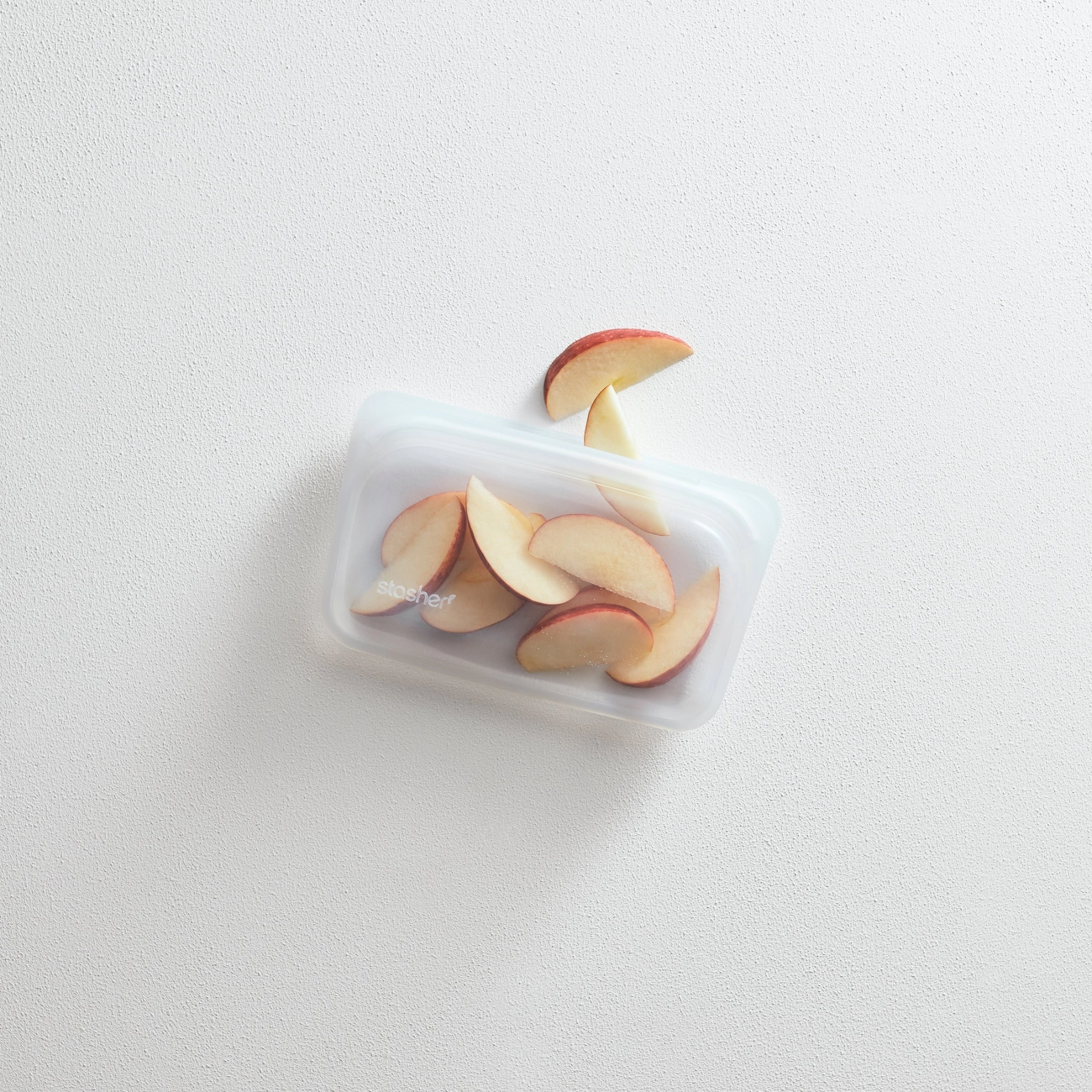
Using reusable food-grade storage bags properly and taking good care of them helps keep your food fresh and extends the life of your bags. Here’s how to get the most out of your eco-friendly food storage bags:
Proper Cleaning to Avoid Mold and Odors
- Rinse bags immediately after use to prevent food residue buildup.
- Use warm, soapy water or place dishwasher-safe bags on the top rack of your dishwasher. Check specific product guidelines, like those for our silicone reusable bags for food, to confirm dishwasher compatibility.
- For tough smells or stains, soak bags in a mix of baking soda and water or a bit of vinegar before washing.
- Always air dry the bags completely, turning them inside out when possible—this prevents mold and lingering odors.
Best Practices for Storing Different Types of Food
- Dry foods like nuts, snacks, and grains do well in any reusable bag; just make sure they are fully dried before storage.
- Wet or moist foods, such as sliced fruits, marinated veggies, or leftovers, should be sealed tightly in leak-proof bags to avoid spills.
- For freezer storage, choose bags rated for freezer use to prevent cracking or brittleness. Label and date bags clearly to keep track of contents.
- Avoid storing raw meat directly in reusable bags without extra protection; use heavy-duty or double-bagging to prevent leaks and contamination.
Tips for Extending the Lifespan of Your Storage Bags
- Avoid sharp objects or utensils that can puncture or tear the bags.
- Store open bags loosely or folded away from direct sunlight to prevent material degradation.
- Don’t overfill the bags; leave some room to seal them properly and reduce strain on seams.
- Rotate your bags by usage to keep wear balanced.
- If you notice stains or persistent odors that won’t come out, consider recycling the bags appropriately and replacing them to maintain food safety.
By following these simple cleaning and usage tips, your reusable sandwich bags and other food storage containers will stay hygienic, safe, and durable. For more detailed tips on maintaining silicone storage bags and enhancing your kitchen setup, check out our post on how to transform your kitchen with silicone storage bags.
Environmental and Economic Impact of Reusable Food-Grade Storage Bags
Reducing Plastic Pollution with Reusable Bags
Plastic pollution is a major environmental challenge in the United States, with millions of tons of single-use plastics ending up in landfills and oceans every year. Disposable plastic bags contribute significantly to this waste problem, harming wildlife and contaminating ecosystems. Switching to reusable food-grade storage bags reduces the demand for single-use plastics and helps cut down that growing pile of trash.
Reusable bags, like those from Artfullife, are designed to be used over and over, which means fewer bags thrown away. This simple swap supports a cleaner environment by lowering plastic pollution, reducing energy usage, and curbing greenhouse gas emissions linked to plastic production.
Economic Advantages of Using Reusable Bags
Choosing reusable storage bags isn’t just good for the planet—it makes financial sense too. While disposable bags may seem cheaper upfront, they add up fast. Over time, constantly buying new plastic bags increases household expenses.
Here are clear economic benefits of reusable food storage bags:
- Save money by using bags repeatedly for months or even years
- Cut down on waste disposal costs from excessive plastic trash
- Avoid the cost of replacing food spoiled in poor-quality storage bags
For local shoppers, Artfullife’s durable and affordable reusable bags available in supermarkets make it easy to reduce spending while boosting sustainability.
Supporting Sustainable Consumer Habits with Artfullife
By choosing Artfullife’s reusable food-grade bags, you’re joining thousands of Americans embracing eco-friendly food storage solutions. The brand’s commitment to environmentally friendly manufacturing practices means your purchase supports greener production methods that reduce waste and carbon footprints.
Making the switch to Artfullife helps promote a circular economy, where products last longer and less garbage is produced. This shift boosts sustainable habits at home, in schools, and in workplaces across the U.S. It’s a smart step toward a healthier planet and a smarter budget.
In short, reusable food-grade storage bags offer a powerful way to fight plastic pollution, save money, and build more sustainable habits—right here at home.
Frequently Asked Questions About Reusable Food-Grade Storage Bags
Are reusable food-grade storage bags safe for freezer and microwave use
Yes, most reusable food-grade storage bags like those made from silicone or BPA-free materials are safe for freezer and microwave use. However, to ensure safety:
- Check the product label for specific temperature guidelines.
- Avoid microwaving bags that don’t explicitly state microwave-safe to prevent melting or chemical leaching.
- When microwaving, unzip or leave the bag slightly open to allow steam to escape.
- For freezer use, these bags can handle temperatures down to -20°F (-29°C) or lower without cracking or becoming brittle.
How many times can reusable food-grade storage bags be used
Reusable food-grade bags are designed to last for hundreds of uses if properly maintained. Factors that affect lifespan include:
- Type of material (silicone tends to last longer than some plastics).
- How the bags are cleaned and stored.
- Usage conditions such as exposure to sharp objects or high heat.
On average, you can expect between 100 to 300 uses before a bag shows signs of wear like cracks, leaks, or odor retention.
Are reusable food-grade storage bags recyclable
The recyclability of reusable food-grade storage bags depends on the material:
- Silicone bags are durable but not widely recyclable through municipal programs; however, many specialized recycling centers accept silicone.
- BPA-free plastic bags such as PEVA or polyethylene may be recyclable depending on local facilities.
- Always check for recycling symbols and consult your local recycling guidelines.
To extend their life and reduce environmental footprint, prioritize reuse over disposal whenever possible.
What should I do if reusable bags get stained or damaged
For stains or odors:
- Clean bags promptly with warm, soapy water, or place them in the dishwasher if they are dishwasher-safe.
- Use a mix of baking soda and water to scrub stubborn smells or discoloration.
- Avoid harsh chemicals or bleach which can degrade the material.
For damage like leaks or cracks:
- Assess if the damage affects seal integrity or causes leaks.
- Small punctures or seal damage make the bag less effective for liquid storage.
- Recycle or repurpose damaged bags (e.g., for dry goods storage) if safe to do so.
- Replace bags when damage compromises food safety or usability.
By knowing these key facts about reusable food-grade storage bags, you can make smarter choices for your health, budget, and the environment. For reliable, eco-friendly options, consider trusted brands like Artfullife that back their products with quality and local availability.
Where to Buy Trusted Reusable Food-Grade Storage Bags
When looking for reusable food-grade storage bags that you can trust, Artfullife is a top choice in the United States. Their products are widely available both in local supermarkets and online platforms, making it easy to find exactly what you need without hassle.
Availability in Supermarkets and Online
- Local grocery stores often stock Artfullife’s eco-friendly food storage bags, so you can pick them up while doing your regular shopping.
- For convenience, online marketplaces like Amazon and the Artfullife official website offer a full range of sizes and styles, with quick shipping options.
- Shopping online also means access to special bundle deals and seasonal promotions that help you save more.
Customer Reviews and Testimonials
Many U.S. customers appreciate the quality and durability of Artfullife reusable bags. Reviews commonly mention:
- The leak-proof design that makes lunch packing stress-free.
- How easy the bags are to clean and reuse, perfect for busy households.
- The non-toxic, BPA-free materials that give peace of mind for safe food storage.
Special Offers Bundle Deals and Loyalty Programs
Artfullife often provides bundle deals so you can stock up on different sizes at a better price. They also run loyalty programs rewarding regular buyers with discounts and exclusive products. Signing up for their newsletter or following their social channels is a smart way to stay informed about upcoming offers.
Tips for Buying Reusable Food-Grade Storage Bags
- Choose certified food-safe bags to ensure safety and compliance with U.S. health standards.
- Shop for variety in sizes and types (like sandwich bags or large storage pouches) to match all your kitchen storage needs.
- Look for durable, leak-proof designs that hold up in freezers, microwaves, and dishwashers.
By purchasing from trusted suppliers like Artfullife, you not only invest in high-quality reusable food bags but also support sustainable kitchen storage solutions that help reduce plastic waste in your home and community.