

















Are you looking for the best way to keep your food fresh and safe in the freezer? PE freezer bags for food preservation might be exactly what you need. These bags are designed to protect your meals from freezer burn, maintain flavor, and extend shelf life—all while being cost-effective and easy to use. Whether you’re a home cook wanting to store leftovers or a small business owner managing inventory, understanding why polyethylene (PE) freezer bags stand out can make a big difference in preserving food quality.
In this guide, you’ll discover everything you need to know about PE freezer bags: what makes them unique, how they protect your food, practical tips for using them right, and where to find top-quality options like those offered by Artfullife. Ready to master food storage and keep your freezer organized and safe? Let’s get started!
What Are PE Freezer Bags
Definition of PE Polyethylene and Its Types for Freezer Bags
PE freezer bags are made from polyethylene (PE), a common plastic polymer widely used for food storage. There are two main types relevant to freezer bags: Low-Density Polyethylene (LDPE) and High-Density Polyethylene (HDPE). LDPE is more flexible and soft, making it ideal for bags that need to seal tightly and conform around food items. HDPE offers greater strength and puncture resistance but is less flexible. Most freezer bags combine these types or use LDPE to balance durability and flexibility.
Features of PE Freezer Bags Material Properties
PE freezer bags stand out due to their excellent durability, flexibility, and moisture resistance—key for effective food preservation. These bags:
- Resist tears and punctures during freezing and handling.
- Have a pliable texture that makes sealing easy and helps fit irregularly shaped foods.
- Provide a reliable moisture barrier that helps prevent freezer burn and dehydration.
- Maintain clarity to allow easy visibility of stored food.
Differences Between PE Freezer Bags and Other Types of Freezer Bags
PE freezer bags differ significantly from other materials like nylon or biodegradable bags:
- Nylon bags tend to be stronger but less flexible. They offer excellent vapor resistance but can be more expensive and less widely available.
- Biodegradable bags focus on environmental impact but often sacrifice durability and freezer burn protection. Many do not withstand freezing temperatures as well as PE.
- Unlike some plastic bags, PE freezer bags are generally BPA-free and FDA approved for safe food contact.
- PE bags provide a cost-effective, reusable option with reliable performance for long-term storage, making them a go-to for both home cooks and businesses.
By choosing PE freezer bags, you benefit from materials specifically optimized for food freezing with the best balance of strength, flexibility, and safety.
Why Use PE Freezer Bags for Food Preservation
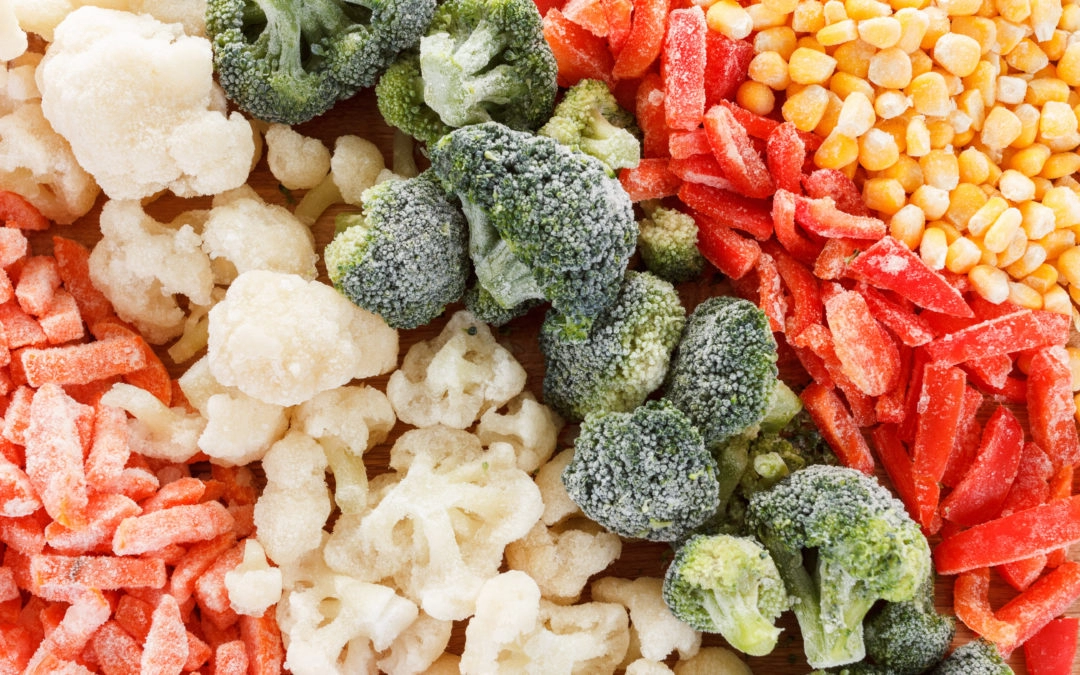
When it comes to freezer bag food storage, PE freezer bags stand out for several reasons, especially for freezing and long-term food preservation. Here’s why polyethylene bags are a go-to choice for many households in the United States.
Benefits of Polyethylene Material for Freezing and Storage
Polyethylene, or PE, is valued because it’s durable, flexible, and resistant to cracking in cold temperatures. This makes PE freezer bags perfect for storing everything from meats to vegetables without the risk of the bag breaking or tearing in your freezer. The material forms an effective barrier against external air and moisture, which helps keep your food fresh longer by preserving flavor and texture.
Protection Against Freezer Burn and Moisture Loss
One of the biggest challenges in freezing food is freezer burn. This happens when moisture escapes, leaving food dry and tough. PE freezer bags are designed to limit air exposure, reducing the risk of freezer burn significantly. Their tight seal options prevent moisture loss, keeping frozen food safe and tasty.
Food Safety and Non-Toxicity of PE Freezer Bags
Safety is a top concern when storing food. PE freezer bags are typically BPA-free and made without harmful chemicals, making them a safe choice for freezing all food types, including meats and liquids. Many PE bags meet FDA approval standards, ensuring they don’t leach toxins into your food even when frozen for extended periods.
Cost-Effectiveness and Reusability
Compared to other storage options, PE freezer bags are very affordable and often available in bulk, which is great for families or anyone who regularly freezes meals. Their durability means you can reuse them multiple times, cutting down on waste and saving money over the long haul. When handled carefully, PE bags deliver excellent value without compromising on food preservation quality.
PE freezer bags provide a reliable, safe, and economical solution for freezing and preserving your food. Their strong moisture barrier, safety credentials, and budget-friendly nature make them a smart choice for every freezer.
Key Features to Look for in PE Freezer Bags for Food Preservation
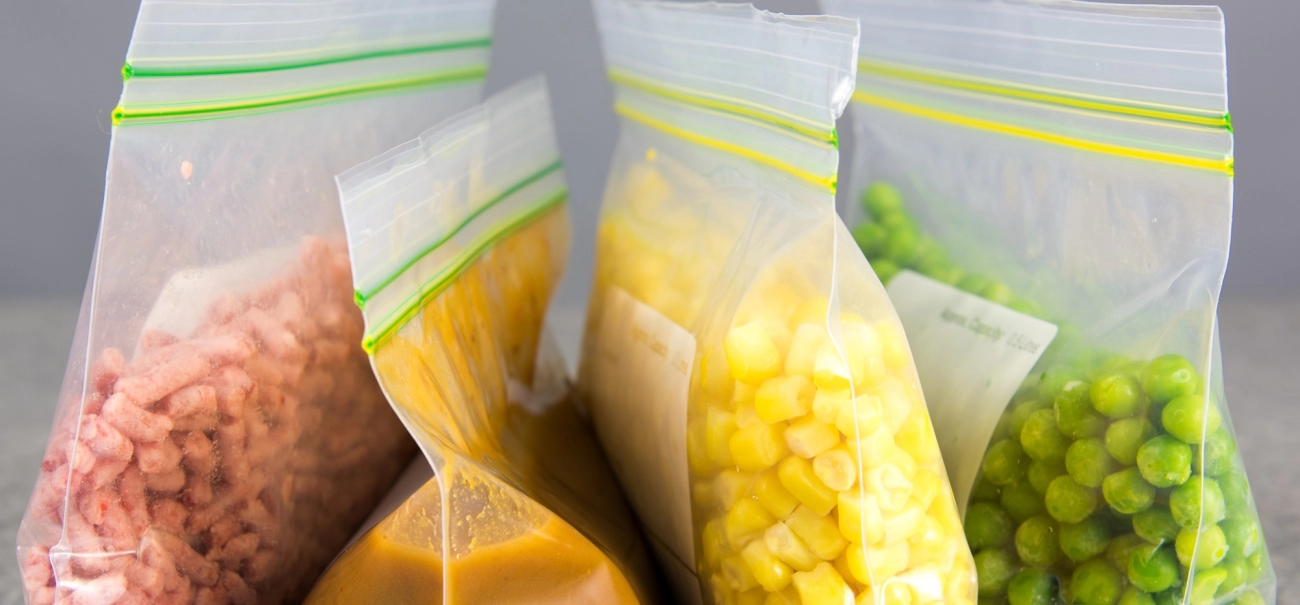
When choosing PE freezer bags for food preservation, focusing on a few critical features can make all the difference in keeping your food fresh and protected.
Thickness Gauge and Durability
- Thickness matters: Look for freezer bags with a thickness of 2 to 4 mils (thousandths of an inch). Thicker bags offer better durability and prevent tears or leaks, especially important for storing meat or bulky items.
- A thicker bag also means improved protection against freezer burn and moisture loss, crucial for long-term freezing.
Seal Quality and Zipper Types
- The seal is your first defense against air and moisture. Choose bags with strong, reliable seals—double zipper seals are ideal as they ensure an airtight lock.
- Some bags use a single zipper, but the double seal feature prevents accidental opening and keeps your food fresher longer.
Size Variety for Different Foods
- Different foods need different sized bags. Opt for PE freezer bags that come in a variety of sizes, from small snack bags to large gallon-sized ones.
- Having the right size reduces wasted space in your freezer and helps with portion control, which can improve food management.
BPA-Free and FDA Approval Standards
- Make sure your PE freezer bags are BPA-free to avoid harmful chemicals leaching into your food.
- Look for bags that meet FDA food safety standards. This ensures the material is non-toxic and safe for direct contact with foods.
Choosing freezer bags with these features supports safe, effective, and long-lasting food preservation, making your freezer storage more reliable and convenient.
How to Use PE Freezer Bags Effectively for Food Preservation
Using PE freezer bags for food preservation the right way can make a big difference in keeping your food fresh and tasty longer. Here’s how to get the most out of these polyethylene freezer bags:
Pre-Freeze Preparation
- Portion your food before freezing to make defrosting easier and avoid waste. Divide large batches into meal-sized amounts.
- For veggies, blanching is key. Quickly boiling and then cooling them preserves texture and color, which lasts better in freezer bags.
- Make sure food is completely cooled before placing it into the bag to prevent ice crystals forming inside.
Removing Air from Bags to Prevent Freezer Burn
- Squeeze out as much air as possible from the PE freezer bags before sealing. Air causes oxidation and causes freezer burn, which affects taste and quality.
- Use the press-and-seal method or roll the bag gently from the bottom to push air out.
- Some PE bags come with double zipper seals that help keep air from sneaking back in, so consider those for better protection.
Labeling and Dating for Food Management
- Always label and date each freezer bag. This helps you track how long food has been in the freezer, preventing food waste or eating expired items.
- Use a permanent marker or freezer-safe labels that won’t smudge or fade in cold temperatures.
- Organize bags by date in your freezer to use older food first.
Best Practices for Sealing and Storing
- Double-check the seal is tight and fully closed before storing bags flat in the freezer. A weak seal lets air and moisture in.
- Store bags flat to save space and freeze food faster. After frozen, you can stack them vertically.
- Avoid overfilling; leave enough room for food to expand as it freezes without bursting the bag.
- Keep PE bags away from sharp objects or rough surfaces inside your freezer to prevent tears.
By following these steps, your freezer bag food storage will stay efficient, reduce waste, and keep food fresh longer while protecting against freezer burn and moisture loss.
Comparing PE Freezer Bags for Food Preservation with Other Storage Methods
When it comes to food preservation, choosing the right storage method can make a big difference. Let’s break down how PE freezer bags stack up against plastic containers and vacuum sealing systems, focusing on durability, convenience, cost, and environmental impact.
PE Freezer Bags vs Plastic Containers
PE freezer bags are typically more space-efficient than plastic containers, as they’re flexible and mold to the shape of the food. This means you can fit more items in your freezer without wasting space. They’re also:
- Lightweight and easy to handle
- Usually cheaper than most plastic containers
- Ideal for storing a wide range of foods, including liquids and irregularly shaped items
Plastic containers, on the other hand, are sturdier and might provide better protection against crushing. But they:
- Take up more space
- Can be heavy and bulky
- Are generally more expensive
- Sometimes not as airtight unless they have specialized lids, which adds cost
For many U.S. households looking to save freezer space and reduce initial investment, PE freezer bags offer a practical, cost-effective solution.
PE Freezer Bags vs Vacuum Sealing Systems
Vacuum sealing systems offer strong protection by removing air, which dramatically reduces freezer burn and oxidation. However:
- Vacuum sealers require extra equipment and special bags, which can be an upfront cost.
- Sealing is a bit more involved and takes longer than using PE freezer bags.
- Vacuum sealed bags are often more rigid and less flexible.
PE freezer bags still allow you to press out most air manually, providing decent protection against freezer burn without the need for equipment. They’re perfect for those who want quick, easy food storage without extra tools.
Environmental Considerations and Recyclability
From an environmental standpoint:
- Many PE freezer bags are recyclable, especially those made from low-density polyethylene (LDPE), though recycling availability depends on local programs.
- Plastic containers can be reused many times, reducing their environmental footprint when handled properly.
- Vacuum sealing bags tend to be multi-layered plastics, often difficult to recycle.
Choosing BPA-free PE freezer bags from suppliers like Artfullife means you’re using safer plastics, and opting for reusable freezer bags helps reduce waste. To minimize your impact:
- Look for thick, durable bags that you can wash and reuse
- Avoid single-use whenever possible
- Check local recycling rules before disposal
PE freezer bags balance convenience, cost, and environmental awareness well for everyday use in American kitchens, making them a top choice for food storage.
Common Mistakes to Avoid When Using PE Freezer Bags for Food Preservation
Using PE freezer bags right can make a big difference in how well your food stays fresh and safe. Here are some common pitfalls many people face and how to avoid them for the best freezer bag food storage results.
Overfilling Bags
One of the biggest mistakes is stuffing the bag too full. When you overfill:
- The bag becomes hard to seal properly, increasing chances of air leaks.
- It’s harder to remove air, which leads to freezer burn and moisture loss.
- The contents might freeze unevenly or even burst the bag.
Tip: Leave some space (about an inch) at the top when filling your PE freezer bags. This makes sealing easier and helps maintain the bag’s durability.
Not Removing Enough Air
Air trapped inside the bag leads to oxidation and faster spoilage. Even though PE freezer bags aren’t vacuum bags, it’s important to:
- Press out as much air as possible before sealing.
- Use bags with quality double-seal zippers to keep residual air out.
If you skip this, expect quicker freezer burn and a shorter shelf life for your frozen food.
Improper Sealing
A poor seal is a fast track to freezer burn, moisture loss, and potential contamination. Common sealing mistakes include:
- Not aligning the zipper fully.
- Using bags with worn or low-quality zippers.
- Sealing in a hurry without pressing out air.
Always double check the seal by running your fingers along it, making sure it’s fully closed without gaps. BPA-free, FDA-approved PE freezer bags often offer better seal quality, which matters for long-term food preservation.
Ignoring Labeling Practices
Freezer organization trips up many home cooks. Without proper labels, you risk:
- Confusing what’s inside.
- Losing track of storage dates, leading to food waste or consuming unsafe items.
Label every bag clearly with the food name and date frozen. It’s a simple step that saves money and keeps your freezer running smoothly.
By avoiding these common mistakes, you’ll get the most out of your durable freezer bags for freezing food, keep meals fresh longer, and reduce waste — all while enjoying hassle-free freezer storage.
Where to Buy High-Quality PE Freezer Bags Artfullifes Offerings
When looking for PE freezer bags for food preservation, Artfullife stands out as a reliable supermarket supplier trusted by many U.S. customers. Known for combining quality material with affordability, Artfullife offers freezer bags that meet the demanding needs of everyday food storage and long-term freezing.
Artfullife Supplier Overview
Artfullife has built a solid reputation by focusing on food-safe storage solutions made with consumer safety and convenience in mind. Their products consistently meet strict safety standards, making them a smart choice for preserving all kinds of food — from fresh vegetables to raw meats. Customers in the U.S. appreciate Artfullife’s local distribution network, ensuring quick and dependable delivery.
Product Features and Certifications
Artfullife’s PE freezer bags are crafted from high-grade polyethylene, offering:
- Durability and flexibility to prevent tears and leaks during freezing.
- BPA-free material for safe contact with all types of food.
- Thick gauge options that help protect against freezer burn and moisture loss.
- Reliable double seal zippers that provide airtight closure to lock in freshness.
These bags also comply with FDA safety regulations, backing their non-toxic and food-grade claims. This compliance gives peace of mind when storing meat, liquids, and delicate produce.
Ordering Options and Customer Support
Artfullife makes purchasing PE freezer bags easy with a variety of order sizes suited for both home and commercial uses. Their online store offers multiple package sizes, making it simple to buy exactly what you need without overspending. Shipping options typically cover the contiguous U.S., and customer service is responsive to any product questions or order concerns.
Whether you’re stocking up for home use or running a small food business, Artfullife’s food storage bags provide the right balance of quality and value. For more information on their full product range and to place an order, visit Artfullife’s freezer bags for food storage.
For best results on long-term food storage, consider pairing PE freezer bags with reusable silicone options from Artfullife’s eco-friendly line to reduce waste while preserving food freshness. Check out their reusable silicone bags here.
Frequently Asked Questions About PE Freezer Bags for Food Preservation
Are PE Freezer Bags Safe for Meat and Liquids
Yes, PE freezer bags made from polyethylene are safe for storing meat and liquids. They provide a strong, leak-resistant barrier that keeps juices contained and prevents cross-contamination. Using BPA-free and FDA-approved PE freezer bags ensures the bags won’t leach harmful chemicals into your food, making them ideal for freezing raw or cooked meats, soups, and sauces.
How Long Can Food Be Stored in PE Freezer Bags
The storage time depends on the type of food, but PE freezer bags help extend freshness by preventing freezer burn and moisture loss. Typically, you can safely freeze most foods stored in PE bags for:
- Meat and poultry: 6 to 12 months
- Fish and seafood: 3 to 6 months
- Fruits and vegetables: 8 to 12 months
- Cooked meals: 2 to 3 months
Labeling and dating your bags is key to keeping track of storage times and ensuring food quality.
Can PE Freezer Bags Be Reused
PE freezer bags can be reused if handled properly, but reusability largely depends on what was stored. Bags used for raw meat or liquids should generally be discarded after one use to avoid contamination. Items like frozen vegetables or bread may allow for careful reuse if bags are rinsed and dried thoroughly. Look for durable, thick freezer bags designed for multiple uses to get the most value.
How to Dispose of or Recycle PE Freezer Bags
Disposing of PE freezer bags responsibly helps reduce environmental impact. Here’s what you should know:
- Check local recycling programs: Many curbside recycling programs don’t accept plastic bags, but grocery stores often have drop-off bins specifically for plastic bag recycling.
- Clean bags before recycling: Make sure bags are free of food residue to avoid contamination.
- If recycling is not an option, reuse bags for non-food storage or craft projects to extend their life before disposal.
- Avoid throwing PE freezer bags in regular trash if possible to reduce landfill waste.
Choosing Artfullife BPA-free freezer bags supports both safe food storage and environmentally conscious use, with options designed to meet recycling standards in the U.S.