
















Are you exploring the best packaging options for your organic food products? Choosing the right PE bags for organic food packaging can make all the difference when it comes to preserving freshness, ensuring safety, and supporting sustainable retail practices.
At Artfullife, we understand that packaging in the organic food sector isn’t just about containment—it’s about trust, compliance, and environmental responsibility. Whether you’re an organic producer, a supermarket retailer, or an eco-conscious consumer, knowing why polyethylene (PE) bags remain a popular and practical solution is key to making smart packaging decisions.
In this post, you’ll get a clear, expert overview of PE bag types, their benefits and limitations, and how these versatile bags fit into today’s sustainability landscape—all while seeing how Artfullife supports businesses with tailored, high-quality packaging solutions. Let’s get started!
PE Bags Composition and Properties for Organic Food Packaging
When it comes to PE bags for organic food packaging, understanding their composition and key properties is essential. Polyethylene (PE) is a versatile plastic widely used in food packaging, especially in organic markets, because of its safety, durability, and flexibility.
Types of Polyethylene Used in Food Packaging
-
Low-Density Polyethylene (LDPE)
LDPE is soft and flexible with excellent moisture barrier properties. It’s great for packaging leafy greens, fresh vegetables, and other organic produce that need protection without stiffness.
-
High-Density Polyethylene (HDPE)
HDPE is tougher and more rigid than LDPE, offering stronger puncture resistance. It is often used for bulkier organic grains, snacks, or baked goods needing a sturdy package.
Both LDPE and HDPE are food-grade materials, widely accepted in the organic food industry for their safety and protective qualities.
Key Physical Properties of PE Bags
-
Durability
PE bags resist tears and punctures, which helps in protecting organic foods during transport and storage.
-
Flexibility
LDPE especially allows bags to conform to the shape of the product, which reduces waste space and keeps produce fresh.
-
Moisture Barrier
PE bags block moisture effectively, preventing spoilage and maintaining the quality of organic foods, which often have no added preservatives.
Food Safety and Certification Standards
- Food-grade PE bags meet strict FDA and EU certifications ensuring materials are non-toxic, free of harmful chemicals, and safe for direct food contact.
- These certified PE bags do not react with organic materials or degrade the product’s natural quality.
Why These Properties Matter in Organic Food Packaging
Using food-grade PE bags for organic produce helps maintain the integrity and freshness consumers expect from organic products. The combination of durability, moisture barrier, and flexibility protects sensitive organic foods without compromising safety or quality. This reliable performance supports compliance with organic food safety standards and consumer trust.
By choosing PE bags with well-understood composition and certified food safety, organic food retailers can confidently package their goods knowing they are preserving freshness, preventing contamination, and supporting sustainable, responsible packaging choices.
The Role of PE Bags in Organic Food Packaging

Polyethylene (PE) bags play a vital role in organic food packaging by meeting strict organic food standards and regulations. These bags are designed to be food-grade, non-toxic, and safe, which is essential for organic produce that often avoids chemical treatments.
Compatibility with Organic Food Standards
PE bags comply with USDA organic regulations and FDA food safety standards, ensuring they do not introduce harmful substances or contaminate organic items. This makes them a trusted choice for organic farmers, retailers, and distributors who need packaging that supports organic certification requirements.
Protection and Freshness Preservation
One of the key benefits of PE bags in organic food packaging is their ability to:
- Prevent contamination from external dirt, pests, and bacteria.
- Preserve freshness by providing a moisture barrier that keeps organic fruits and vegetables hydrated without trapping excess moisture.
- Extend shelf life thanks to durable, flexible materials that reduce spoilage and damage during transit and storage.
These features help maintain the quality and safety of organic products, reducing waste and enhancing customer satisfaction.
Common Organic Products Packaged in PE Bags
PE bags are widely used to package various organic foods, including:
- Fresh vegetables like leafy greens, carrots, and peppers.
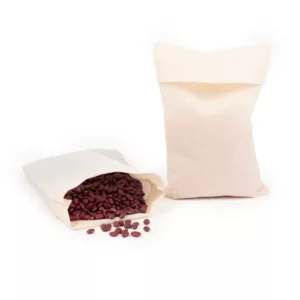
- Grains and legumes, protecting from moisture and pests.
- Healthy snacks such as dried fruit, nuts, and trail mixes.
- Baked goods, especially organic breads and pastries that need lightweight, breathable packaging.
Real-World Success with PE Bags
Several organic food brands and supermarkets across the U.S. have successfully adopted custom food-grade PE bags for their organic product lines. These companies report improved product visibility, fresher produce at consumer fingertips, and compliance with organic labeling laws without compromising environmental goals—especially when PE bags incorporate recycled content or are paired with recycling programs.
PE bags offer organic food packaging solutions that balance safety, durability, and freshness, making them an invaluable tool for organic food retailers and producers looking for reliable, compliant packaging.
Sustainability and Environmental Impact of PE Bags for Organic Food Packaging
When it comes to sustainability and environmental impact of PE bags used in organic food packaging, there’s a mix of opinions and facts that matter to U.S. retailers and consumers alike.
Environmental Concerns: Biodegradability Versus Recyclability
- PE bags are not biodegradable. This means they don’t break down naturally like compostable bags do, which worries eco-conscious buyers.
- However, polyethylene (PE) bags are fully recyclable in many local recycling programs across the U.S., making them a better choice than single-use plastics that cannot be recycled.
- The challenge: recycling rates vary, so a lot of PE material still ends up in landfills or as litter if not properly managed.
Innovations in Eco-Friendly PE Bags
Artfullife is helping tackle these environmental issues by offering:
- Biodegradable polyethylene bags that blend traditional PE with additives aimed at speeding breakdown under certain conditions.
- Recycled-content bags that use post-consumer polyethylene, reducing the need for virgin plastic.
- Solutions that balance durability and sustainability without compromising the protection and freshness that organic produce demands.
Artfullife’s Commitment to Sustainable Packaging Solutions
At Artfullife, we understand that sustainability isn’t just a trend—it’s essential for the organic market:
- We source materials carefully to align with environmental standards and organic food regulations.
- Our packaging solutions prioritize minimal environmental impact, supporting organic retailers in reducing their carbon footprint.
- The focus is on offering recyclable and partially biodegradable PE bags, helping supermarkets and producers meet growing consumer demands for eco-friendly packaging.
Proper Disposal and Recycling Tips to Minimize Impact
To make the most of PE bags and reduce environmental harm, we recommend:
- Encouraging customers to recycle PE bags through local grocery store drop-off points.
- Avoiding landfilling or burning plastic bags, which can release harmful toxins.
- Using bags with recycled content to close the loop and support recycling markets.
- Educating staff and shoppers about how to sort and dispose of PE bags properly.
By focusing on these practices, Artfullife helps organic food retailers adopt sustainable packaging strategies without sacrificing quality or convenience. This approach keeps PE bags a viable, eco-friendly option for organic food packaging in the U.S. market.
Advantages of Choosing PE Bags for Organic Food Packaging Solutions
When it comes to organic food packaging, PE bags stand out for several practical reasons that matter to retailers and producers alike. Here’s why polyethylene bags are a solid choice:
Cost-Effectiveness and Wide Availability
PE bags offer a budget-friendly packaging option without compromising on quality. They are widely produced and easily sourced in the U.S., making them accessible for small organic farms as well as larger supermarkets. This availability keeps costs down and supply reliable, allowing for consistent packaging needs without sudden price hikes.
Lightweight and Space-Efficient for Transportation and Storage
Polyethylene bags are lightweight, which reduces shipping weight and cuts transportation costs. They can be stacked or folded flat, saving valuable storage space — a big plus for organic food suppliers who need to maximize warehouse and retail space. This also helps reduce the carbon footprint during logistics, aligning with sustainable goals.
Customizability in Printing Size and Closure Types
One of the top benefits is how PE bags can be tailored to fit diverse organic products. Whether it’s loose grains, fresh veggies, or snack packs, these bags come in various sizes. They also support different closure options like resealable zippers, heat seals, or easy-tear designs. Plus, custom printing options allow branding, organic certifications, and product information to be displayed clearly, which boosts product appeal on store shelves.
Proven Safety Compliance With FDA and EU Standards
Food safety is non-negotiable, especially for organic food packaging. PE bags meet strict FDA and EU food-grade safety standards, ensuring the packaging does not leach harmful chemicals or compromise the purity of organic produce. This compliance reassures both retailers and consumers that the packaging protects food quality and safety throughout its shelf life.
of Key Advantages
- Affordable and widely available for consistent supply
- Lightweight and compact for easier transport and storage
- Highly customizable for size, closure, and branding needs
- Certified safe for food contact under FDA and EU regulations
Together, these factors make PE bags one of the most practical packaging solutions for organic food producers and retailers in the U.S. market.
Limitations and Considerations of PE Bags for Organic Food Packaging
While PE bags for organic food packaging offer many benefits, there are some important limitations and factors to keep in mind.
Permeability and Reuse Limitations
- Permeability: Polyethylene bags, especially LDPE, have moderate moisture and oxygen barrier properties. Although they protect freshness for many products, certain organic items like fresh herbs or berries may require better oxygen control to stay fresh longer.
- Reuse Challenges: PE bags are typically designed as single-use. Reusing them may raise concerns about contamination or reduced barrier performance, which is a critical issue for organic foods that rely heavily on strict freshness and safety.
Comparing PE Bags with Alternatives
With growing demand for sustainable packaging, PE bags are often compared to other options like biodegradable PLA bags, compostable paper bags, and eco-friendly plastic bags for food:
| Feature | PE Bags | Biodegradable PLA Bags | Compostable Paper Bags |
|---|---|---|---|
| Barrier Properties | Good moisture and flexibility | Lower moisture barrier | Moderate barrier, absorbs moisture |
| Durability | High, tear-resistant | Moderate, can be brittle | Lower, tears easily |
| Environmental Impact | Recyclable but not biodegradable | Biodegradable in industrial composting | Compostable with food waste |
| Cost and Availability | Low cost, widely available | Usually more expensive | Moderate cost, varies by supplier |
| Food Safety | Approved FDA/EU food grade | Approved but less tested for some foods | Generally safe but less controlled |
Choosing PE bags means balancing reliability and cost-effectiveness with environmental goals. Biodegradable or compostable bags can be appealing for zero-waste initiatives but sometimes lack the durability or barrier needs for extended shelf life.
Regulatory Challenges and Market Trends
The United States market for organic food packaging is growing, but regulations keep evolving:
- Stricter FDA and USDA organic packaging standards can impact what materials are allowed, pushing brands toward verified food-safe and non-toxic packaging.
- State regulations are increasingly targeting plastic usage, requiring businesses to consider alternative materials or advanced recycling systems.
- Consumer expectations are shifting, with more buyers seeking sustainable packaging for organic produce and transparency around packaging footprints.
As a result, organic food retailers and producers must carefully evaluate PE bags versus biodegradable options based on product type, shelf life, environmental impact, and compliance risks.
In short, while PE bags remain a reliable, cost-effective choice for many organic products, understanding their limits around permeability, reuse, and evolving regulations is key to making the best packaging decision in today’s US market.
How Artfullife Supports Organic Food Retailers with PE Bags for Organic Food Packaging
Artfullife is a trusted name for organic food packaging solutions in the United States, especially when it comes to PE bags designed for organic produce. We understand the unique needs of organic food retailers, and our product range reflects that with a clear focus on food-grade PE bags that meet strict safety and sustainability standards.
Tailored PE Bag Range for Organic Food Packaging
Our selection of polyethylene packaging includes both LDPE and HDPE options, ensuring the right balance of durability and flexibility for different organic products. Whether you’re packaging fresh vegetables, grains, or snacks, Artfullife offers bags that protect freshness while complying with organic food regulations.
Customization and Flexible Supply for Supermarkets and Producers
We know every retailer and producer has specific requirements. That’s why we provide:
- Custom sizes and printed branding options to highlight organic certifications and product details
- Various closure types like resealable zippers or perforated seals for convenience
- Flexible order volumes to accommodate small farms or large supermarkets
This approach ensures your packaging not only protects but also promotes your organic products effectively.
Commitment to Quality Safety and Sustainability
Artfullife is committed to delivering safe, non-toxic, and certified PE bags that are fully compliant with FDA and EU food safety standards. In addition, we prioritize eco-friendly practices by offering recyclable and partly recycled-content PE bags, aligning with the increasing demand for sustainable packaging for organic produce. Our products help reduce environmental impact while maintaining the integrity of your organic goods.
Proven Results and Customer Success
Many organic retailers and producers in the US have trusted Artfullife for their packaging needs. For example, one regional organic supermarket chain reported:
- Extended shelf life for their packaged greens
- Reduced product contamination during transport
- Enhanced customer satisfaction due to clear, eco-friendly labeling
Such success stories highlight how our PE bags can improve both product quality and brand reputation in the competitive organic market.
Choosing Artfullife means partnering with a supplier that understands the challenges and opportunities in supermarket packaging for organic foods. We deliver practical, custom plastic bags for the organic market that support your business goals and sustainability values.